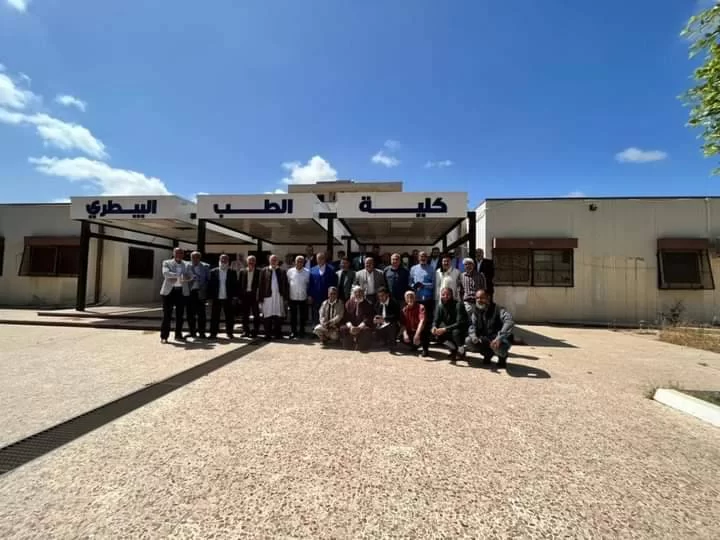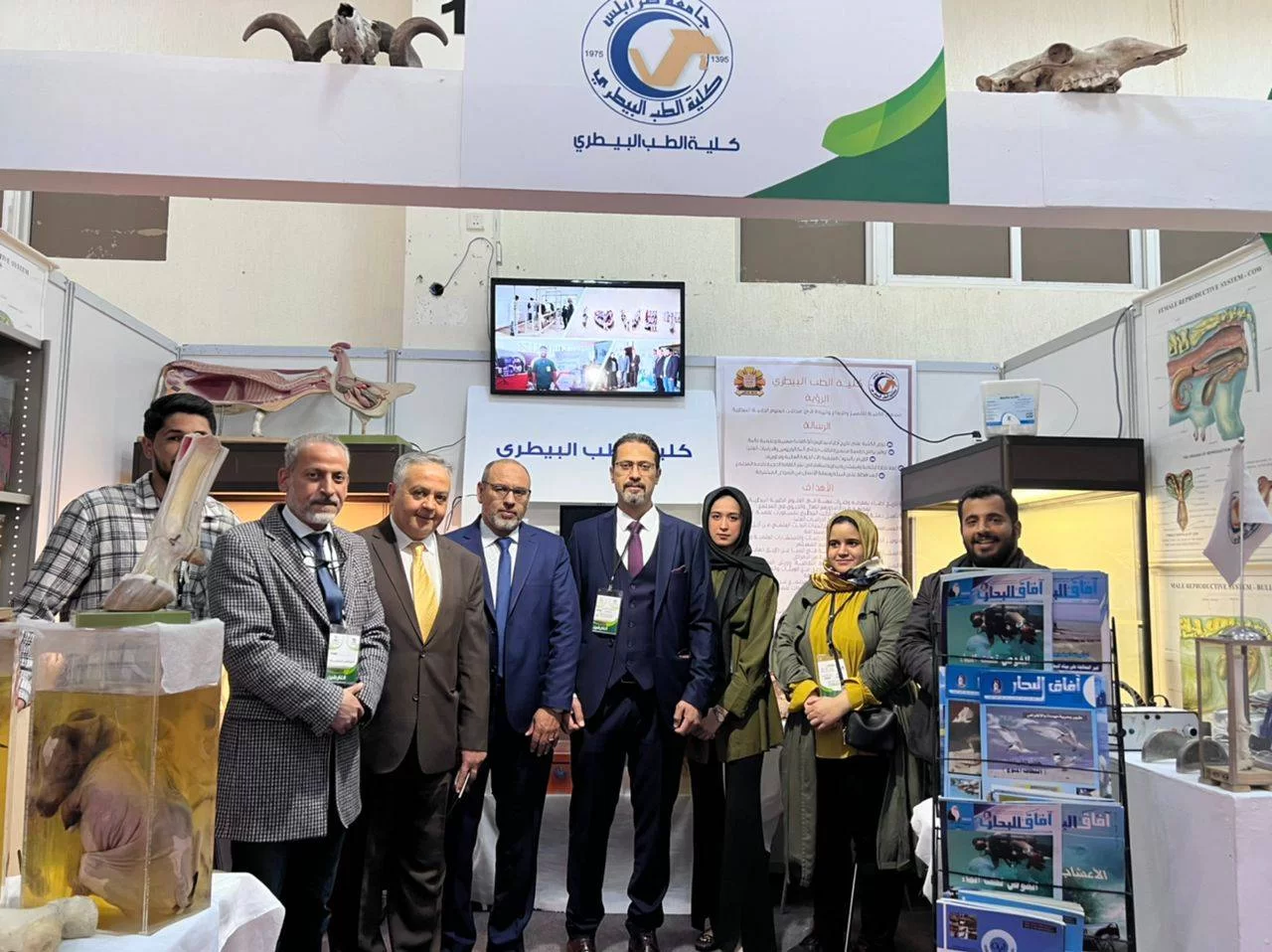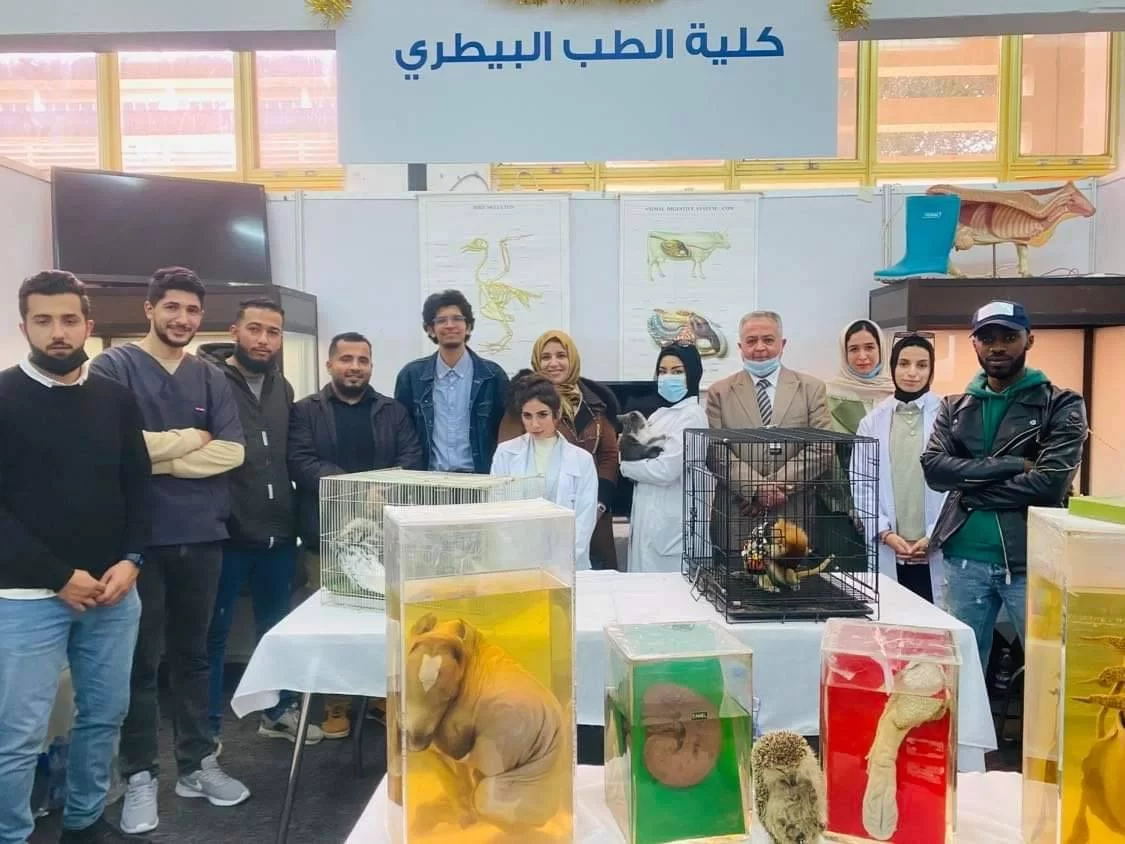
Faculty of Veterinary Medicine

More ...

About Faculty of Veterinary Medicine

The Faculty of Veterinary Medicine was established in 1975. It was the first Faculty of Veterinary Medicine in Libya. It is one of the citadels of science and knowledge at the University of Tripoli. This scientific institution works around the clock to meet the needs of the community of veterinarians and contributes to supporting the national economy. It values the care for animal health. It maintains increasing animal production, preserving human health and protecting the environment.

Facts about Faculty of Veterinary Medicine

We are proud of what we offer to the world and the community

194

Publications

86

Academic Staff

245

Students

23

Graduates

Programs

No Translation Found
Major No Translation Found

No Translation Found...

Details
Master of Poultry diseases
Major Veterinary medicine

This program is implemented through the study of academic courses, so that the number of units is not less than (24) and not more than (30) units of study over 3 semesters, in addition to the completion of a specialized scientific research thesis with (6) credits. The legal period required to obtain...

Details
Who works at the Faculty of Veterinary Medicine

Faculty of Veterinary Medicine has more than 86 academic staff members

staff photo

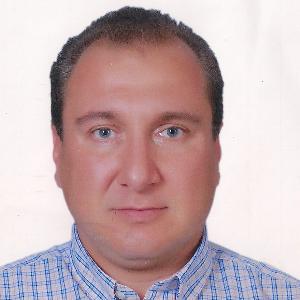
Prof.Dr. Omry Milad Mohamed Abuargob

عمرى ميلاد أبوعرقوب هو احد اعضاء هيئة التدريس بقسم الامراض الباطنية بكلية الطب البيطري. يعمل السيد عمرى ميلاد أبوعرقوب بجامعة طرابلس كـأستاذ منذ 2006-04-01 وله العديد من المنشورات العلمية في مجال تخصصه

Publications

Some of publications in Faculty of Veterinary Medicine

Relative Density of The Bony Components of The Fetlock Joint in Thoroughbreds

The forelimb fetlock joint and its bony components are a common site of injury in racing horses. We hypothesized that the variations in relative density of these bones might correspond to their mechanical properties. This study aimed first to identify the relative density of third metacarpal bone (Mc3), proximal phalanx (P1) and proximal sesamoid bones (PSBs) of Thoroughbred race horses. Second, to determine whether there was any difference and/or similarity in the relative density between and within the bones. Bones from right and left forelimbs of 10 horses were collected and prepared by boiling and drying. Dry weight and volume for each bone were measured and the relative density was then calculated. Relative density of Mc3 was substantially greater than the other two bones with a mean of 1.7 ± 0.06. Relative density of P1 and PSBs showed a high similarity especially between P1 and the medial PSBs. Neither the comparisons between right and left sides nor between lateral and medial PSBs showed any significant differences. P1 had the most consistent relative density within right and left sides. Larger relative density in Mc3 and the similarity between P1 and PSBs presume a more important role of the bone mass on their properties than the volume.
Abdulrhman Mohamed Salah Alrtib, Aiman Hussein Saleh Oheida, Ali Omar Alarif Boker, Aiman Abdulghader Salim Shalgum, Helen M S Davies(12-2018)
Publisher's website

The Future Use of Medicinal Plants as Alternatives to Antibiotics in Animal Health and Production

Editorial arabic 15 English 83
Abdulwahab Kammon(9-2017)
Publisher's website

Carpal Morphometry in Normal Horses and Horses with Carpal Bone Pathology

Relationships between carpal morphology and carpal pathology might assist in identifying horses at risk of carpal pathology. This study was aimed to investigate the hypothesis that carpal morphology is related to the incidence of carpal pathology in racing Thoroughbreds. Ten carpal parameters were used to measure carpal morphology on dorsopalmar (DP) carpal radiographs. Radiographs were collected from 19 experienced Thoroughbred race horses with no evidence of carpal damage(normal)and 72 horses with carpal damage (clinical). All radiographs were at a defined position called zero degrees (ZDP) or within an acceptable rotational range. Based on a P-value of < 0.05 and using the false discovery rate method to control Type I error, two parameters showed significant differences between normal and clinical horses. The angulation of the radial metaphysis and distal radius in relation to the angulation of the radial facet of the third carpal bone (C3) was significantly related to the occurrence of pathology in the bones of the middle carpal joint in Thoroughbred race horses. This study presented important features on DP radiographs that allowed identification of a carpal conformation associated with carpal damage in Thoroughbred race horses. Using such a highly specific, cost-effective and safe technique as a routine for examining yearling Thoroughbreds would assist in identifying horses with carpal conformation unsuited to racing.
Aiman Hussein Saleh Oheida, Abdulrhman Mohamed Salah Alrtib, Mohamed Hamrouni S. Abushhiwa, Christopher J. Philip, Helen M.S. Davies(1-2022)
Publisher's website

Journals

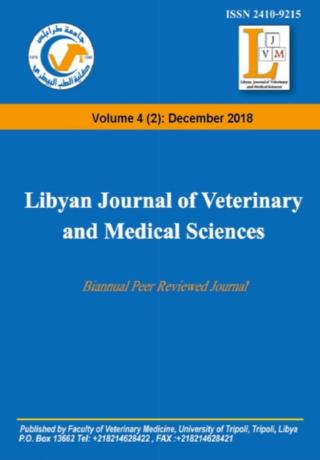
Journals published by Faculty of Veterinary Medicine

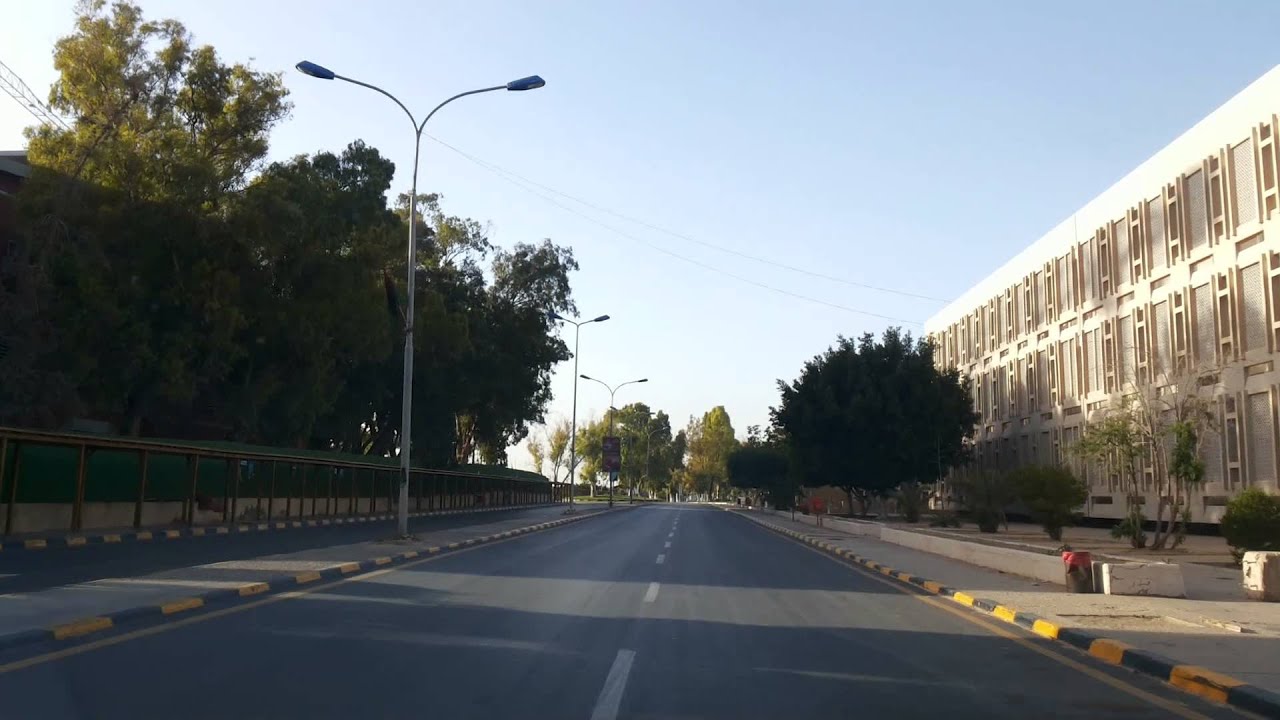
Faculty of Veterinary Medicine Video Channel

Watch some videos about the Faculty of Veterinary Medicine

See more

Faculty of Veterinary Medicine in photos

Faculty of Veterinary Medicine Albums