كلية الطب البيطري

المزيد ...

حول كلية الطب البيطري

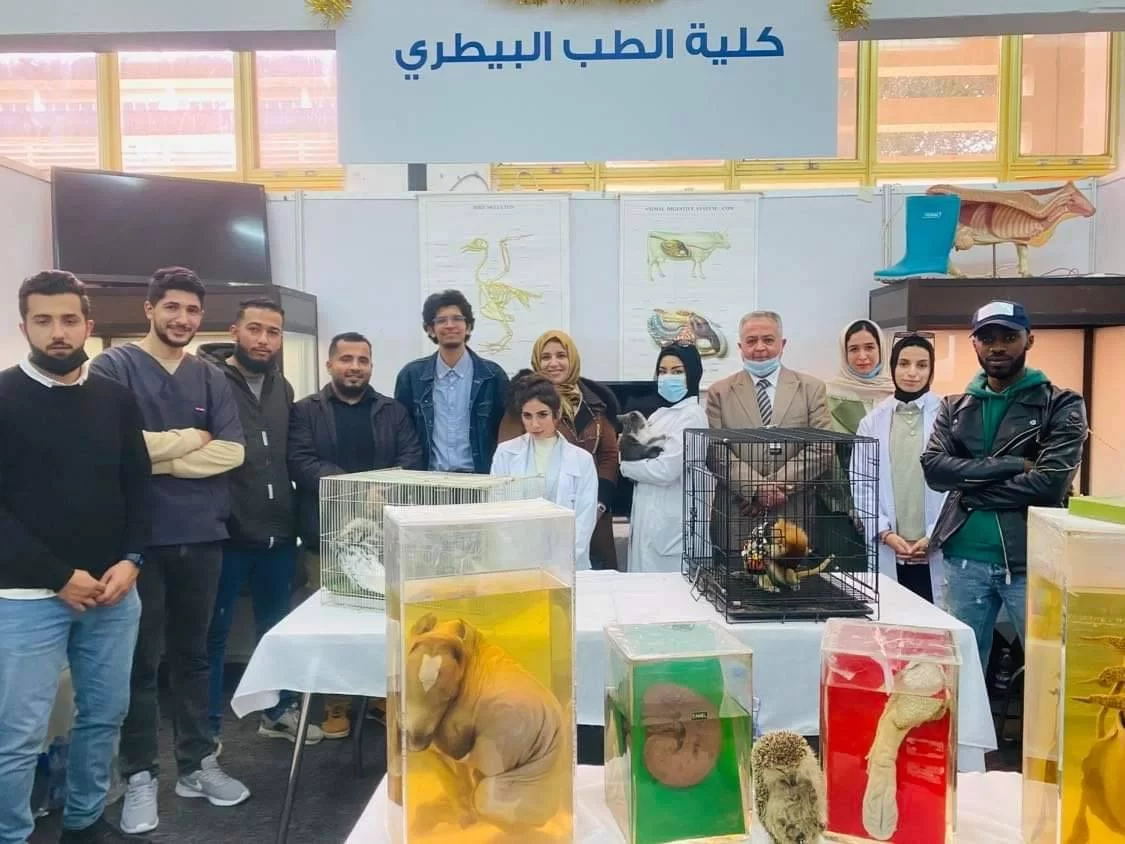
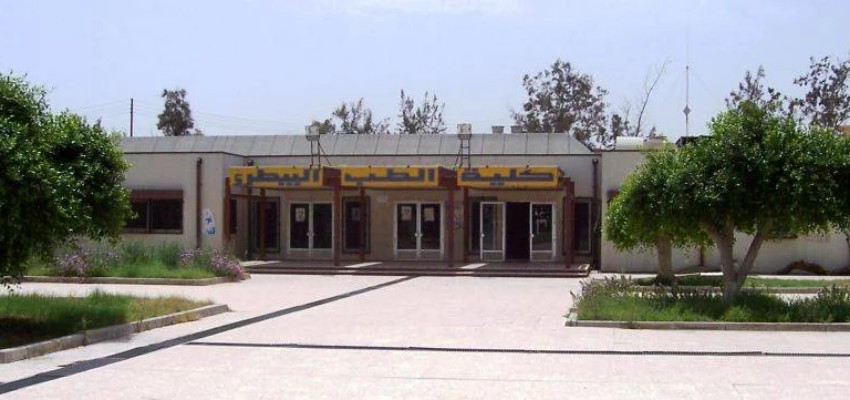
تأسست كلية الطب البيطري عام 1975م كأول كلية للطب البيطري في ليبيا. تعد الكلية من قلاع العلم و المعرفة الهامة بجامعة طرابلس ومؤسسة علمية تلبي إحتياجات المجتمع من الأطباء البيطريين وتساهم في دعم الإقتصاد الوطني من خلال العناية بصحة الحيوان وزيادة الإنتاج الحيواني والمحافظة على صحة الإنسان وحماية البيئة.

حقائق حول كلية الطب البيطري

نفتخر بما نقدمه للمجتمع والعالم

194

المنشورات العلمية

86

هيئة التدريس

245

الطلبة

23

الخريجون

البرامج الدراسية

ماجستير أمراض الدواجن
تخصص أمراض الدواجن

يُنفذ هذا البرنامج من خلال دراسة مقررات دراسية، بحيث لا يقل عدد وحداتها عن (24) وحدة دراسية، وأن لا تزيد عن (30) وحدة دراسية على مدى 3 فصول، بالإضافة إلى إنجاز رسالة بحثية...

التفاصيل

ماجستير أمراض الاسماك
تخصص أمراض الاسماك

يُنفذ هذا البرنامج من خلال دراسة مقررات دراسية، بحيث لا يقل عدد وحداتها عن (24) وحدة دراسية، وأن لا تزيد عن (30) وحدة دراسية على مدى 3 فصول، بالإضافة إلى إنجاز رسالة بحثية...

التفاصيل

من يعمل بـكلية الطب البيطري

يوجد بـكلية الطب البيطري أكثر من 86 عضو هيئة تدريس

staff photo

أ.د. شعبان احمد خلف الله عويدات

shaban awidat هو احد اعضاء هيئة التدريس بقسم أدوية وسموم وطب شرعي بكلية الطب البيطري. يعمل السيد shaban بجامعة طرابلس كـأستاذ منذ 2017-03-15 وله العديد من المنشورات العلمية في مجال تخصصه

منشورات مختارة

بعض المنشورات التي تم نشرها في كلية الطب البيطري

Preliminary Survey to Understand the Epidemiology of COVID-19 and Its Socio-economic Impacts in Libya

Background: During the last three decades there are many viral infections emerging and re-emerge with high socio-economic and public health impacts worldwide. The Coronavirus Severe Acute Respiratory Syndrome (SARS-CoV-2) emerged in China in late December 2019. Later, on 30th Jan 2020, the World Health Organization (WHO) has constituted the COVID-19 as a public health emergency of international concern (PHEIC). arabic 15 English 86
Abdusalam Sharef Mahmoud, Abdulgader Dhawi Alfitouri Dhawi, Aziza Sulieman Mayouf , Ahlam Masaud Ellafi(3-2021)
Publisher's website

الكشف عن البكتيريا السبحية )ستربتوكوكس( الشائعة التي تصيب اسماك المرجان في المنطقة الساحلية لطرابلس ليبيا Detection of the Most Common Streptococci Affecting Seabream Fish at the Coastal Area of Tripoli, Libya

الإلقاء المستمر لمياه الصرف الصحى في المنطقة الساحلية للبحر المتوسط بمدينة طرابلس و التى تمتد من تاجوراء الى جنزور قد ادى الى حوث تأثيرات سلبية مستمرة على كل من الأحياء المائية و المستهلك بصورة اصبحت ظاهر في تلك المنطقة الساحلية. لقد عرف التلوث الكيميائي المرتبط بتركيبة الصرف الصحى بتأثيره الشديد على جهاز المناعة في الاسماك مما يؤدى الى زيادة في قباليتها للإصابة بالبكتيريا المرضية. في الدراسة الحالية تم عزل أربعة عترات من الميكروب السبحى "ستربتوكوكس" من أسماك المرجان العادى التى تم تجميعها من المنطقة الساحلية لشاطئ طرابلس في المنطقة الممتدة من تاجوراء الى جنزور. توضح النتائج ان ميكروب ستربتوكوكس ايناى (Streptococcus iniae) كان الأكثر شيوعا فى فصلى الصيف و الربيع يليهم على الترتيب ميكروب ستربتوكوكس ديسجلاكتيا (Streptococcus dysgalactiae) أما ميكروب ستربتوكوس فوكى (Streptococcus phocae) فقد كان الأكثر شيوعا في موسم الشتاء. Abstract: The continuous dumping of municipal sewage into the coastal zone of the Mediterranean Sea has been reported to have greater negative impacts on both aquatic animals as well as human consumer. The chemical pollutants in the sewage composites would have deleterious damaging effects on the fish immune system with consequent vulnerability to bacterial invasions. In the current study, four Streptococcal bacterial species were successfully isolated from the Common Pandora fish (Pagellus erythrinus) collected from the coastal zone of Tripoli through the area from Tajourah to Janzour localities. Strept iniae was the most prevalent Streptococci in examined fish during summer and spring seasons followed by Strept dysgalactiae then Enterococus fecalis. Streptococcus phocae was the most prevalently isolated Streptococci from examined fish during the winter season, while Enterococcus fecalis was recorded to be the second on the list.
طارق دخيل حسن (2015)
Publisher's website

Ameliorating Effects of Vitamin E and Selenium on Immunological Alterations Induced by Imidacloprid Chronic Toxicity in Chickens

The purpose of the current study was to investigate the immunological impacts of chronic imidacloprid insecticide toxicity in broiler chickens and the protective effects of vitamin E and selenium. Broiler chicks (n=90) aged day old were randomly segregated into three groups of 30 chicks each and were kept in separate pens. Newcastle disease (ND) vaccine was given on day 7 and 28 of age. On day 8, chicks in group I were administered 5 mg/kg bw (1/20 LD50) imidacloprid orally. Chicks in group II were given imidacloprid 5 mg/kg bw orally plus a mixture of vitamin E and selenium ≅ 200 mg/kg diet, while group III was given distilled water (DW) orally and served as a control. The treatments were given daily based on weekly body weight till day 45. Antibody titration, serum total immunoglobulins, circulating immune complexes, cell-mediated immunity and histopathology of bursa of Fabricius and spleen were examined. Imidacloprid produced significant decline in the titer of antibodies against ND vaccine, total immunoglobulins and circulating immune complexes in imidacloprid treated group on day 45 as compared to control group. There were no significant changes in the skin thickness between treated chickens and chickens of control group. Histopathology of the bursa of Fabricius revealed edema, lymphocytic depletion in the medulla and cortex and mild interfollicular fibrosis in imidacloprid treated group. The spleen showed mild haemorrhages and lymphocytic depletion. Supplementation of vitamin E and selenium resulted in marked improvements in humoral immunity and pathology of lymphoid organs. It is concluded that imidacloprid insecticide has immunological deleterious effects in chickens targeting the humoral immune responses and vitamin E and selenium supplementation decreased the ill effects of imidacloprid.
ِAbdulwahab Kammon(1-2022)
Publisher's website

قناة كلية الطب البيطري

بعض الفيديوات التي تعرض مناشط كلية الطب البيطري

اطلع علي المزيد