

كلية الطب البيطري

المزيد ...

حول كلية الطب البيطري

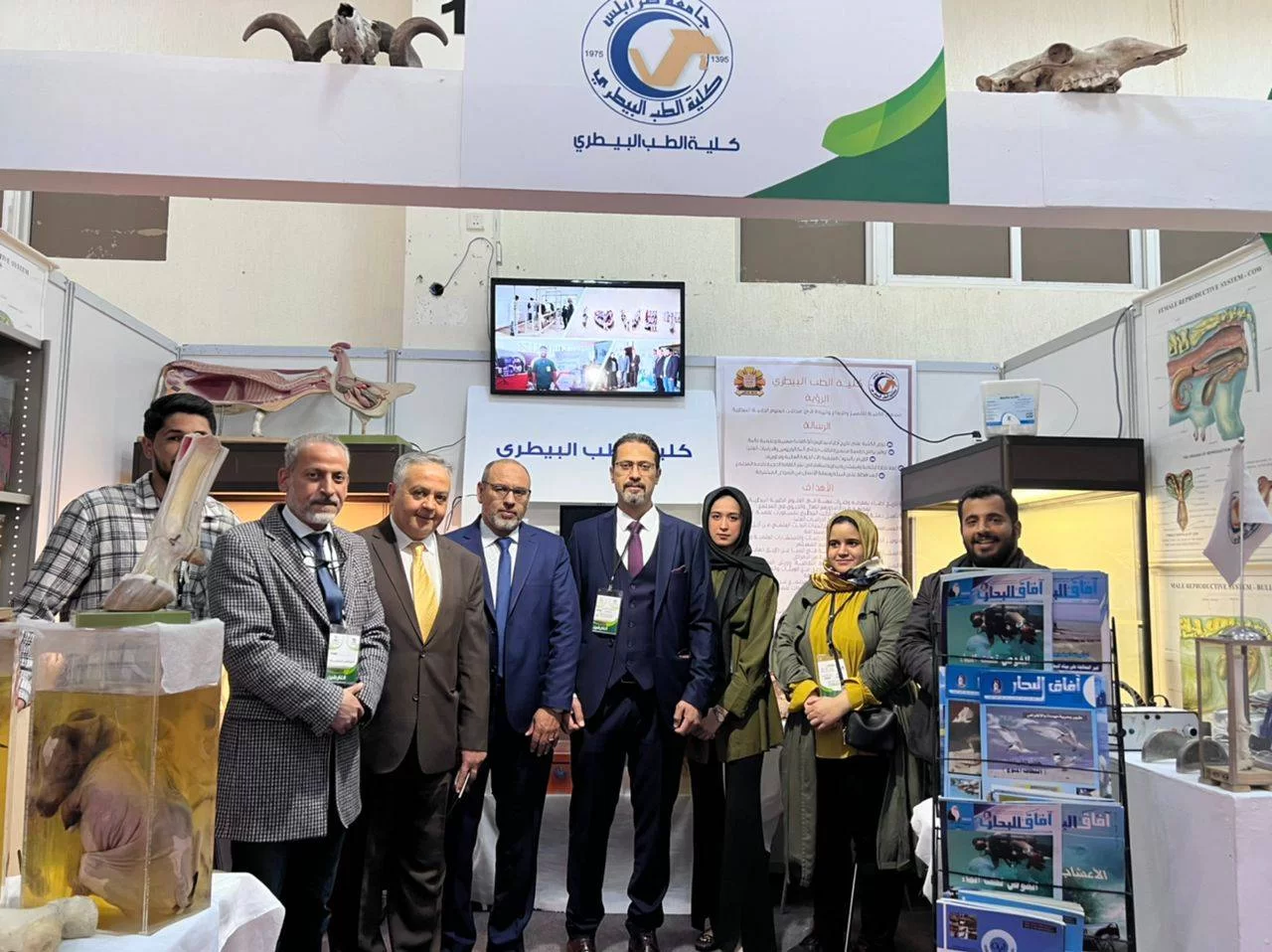
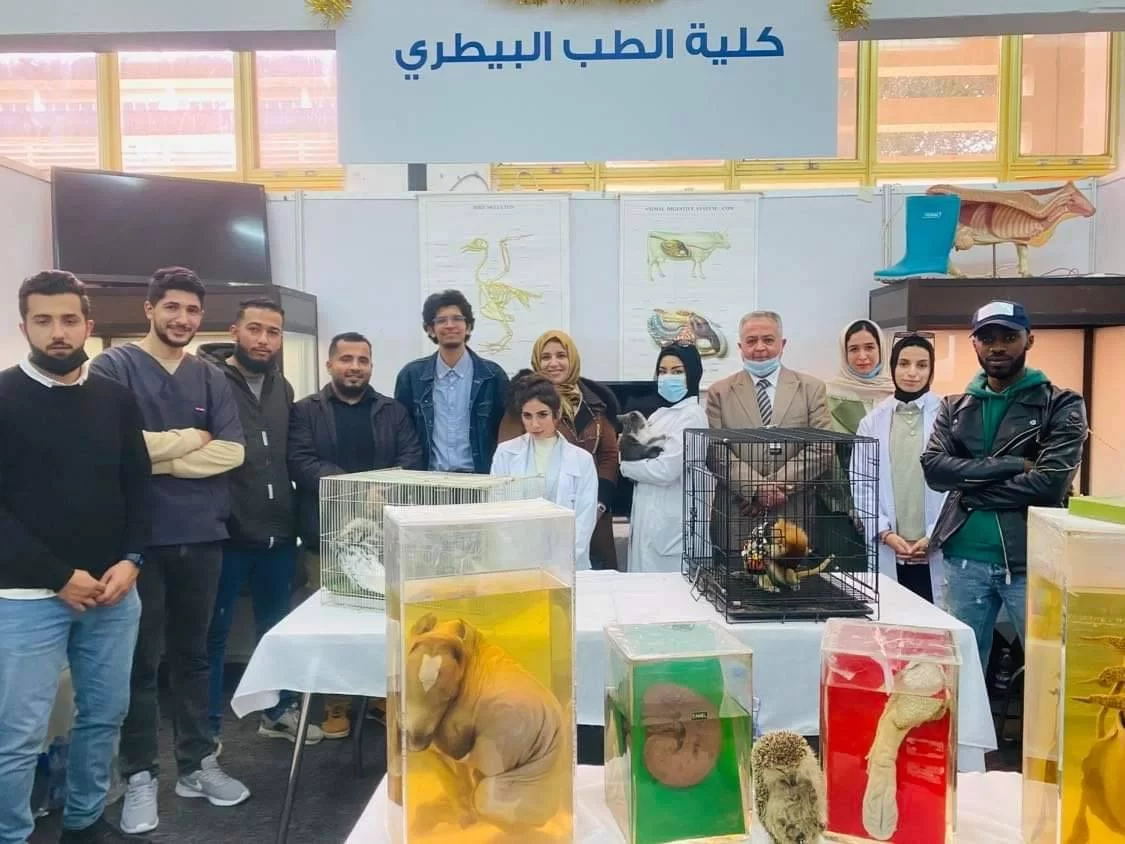
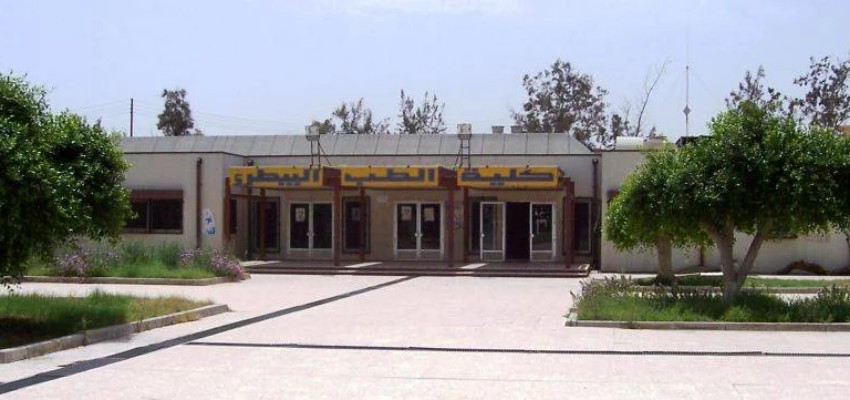
تأسست كلية الطب البيطري عام 1975م كأول كلية للطب البيطري في ليبيا. تعد الكلية من قلاع العلم و المعرفة الهامة بجامعة طرابلس ومؤسسة علمية تلبي إحتياجات المجتمع من الأطباء البيطريين وتساهم في دعم الإقتصاد الوطني من خلال العناية بصحة الحيوان وزيادة الإنتاج الحيواني والمحافظة على صحة الإنسان وحماية البيئة.

حقائق حول كلية الطب البيطري

نفتخر بما نقدمه للمجتمع والعالم

194

المنشورات العلمية

86

هيئة التدريس

245

الطلبة

23

الخريجون

البرامج الدراسية

ماجستير أمراض الدواجن
تخصص أمراض الدواجن

يُنفذ هذا البرنامج من خلال دراسة مقررات دراسية، بحيث لا يقل عدد وحداتها عن (24) وحدة دراسية، وأن لا تزيد عن (30) وحدة دراسية على مدى 3 فصول، بالإضافة إلى إنجاز رسالة بحثية...

التفاصيل

ماجستير أمراض الاسماك
تخصص أمراض الاسماك

يُنفذ هذا البرنامج من خلال دراسة مقررات دراسية، بحيث لا يقل عدد وحداتها عن (24) وحدة دراسية، وأن لا تزيد عن (30) وحدة دراسية على مدى 3 فصول، بالإضافة إلى إنجاز رسالة بحثية...

التفاصيل

من يعمل بـكلية الطب البيطري

يوجد بـكلية الطب البيطري أكثر من 86 عضو هيئة تدريس

staff photo

أ.د. أبوبكر محمد ميلاد قرباج

أبوبكر قرباج هو احد اعضاء هيئة التدريس بقسم الرقابة الصحية على الاغذية بكلية الطب البيطري. يعمل السيد أبوبكر قرباج بجامعة طرابلس كـأستاذ 1992 وله العديد من المنشورات العلمية في مجال تخصصه

منشورات مختارة

بعض المنشورات التي تم نشرها في كلية الطب البيطري

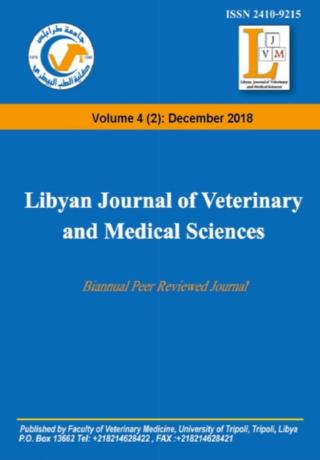
Molecular Identification, Prevalence and Antimicrobial Susceptibility Profile of Cronobacter spp. Cultivated on a Chromogenic Medium in Libya

Background: Cronobacter sakazakii is associated with illness in infants from contaminated powdered infant formula (PIF) and it is frequently recovered from PIF factory environment. Limited information is available on contamination of other food such as dairy and meat products in Libya. Methods and findings: A total of 261 samples of milk, dairy products and coarse ground meat products were collected from different localities in Libya. Samples were examined for Cronobacter spp. with an adapted ISO /DTS 22964 cultural protocol using HiChrome™ Enterobacter sakazakii modified agar coupled with 16S rDNA partial sequencing to identify the organism. The identified isolates were biochemically characterized and tested for their ability to produce yellow pigment. Out of the 261 analyzed samples, only two beef burgers, one fermented milk “Laban”, one she-camel’s milk, two raw cow’s milk, two cereal baby food, one Maassora cheese and one ready to feed baby milk were contaminated with Cronobacter spp. at a total rate of 3.8%. Accuracy of HiChrome Ent. sakazakii modified agar reach 100% as all of blue-green presumptive colonies were confirmed Cronobacter spp. while other colorless, greenish or with blue center colonies which competed growth with Cronobacter spp. were predominantly Escherichia coli followed by Klebsiella spp. and to less extent Pseudomonas luteola, Citrobacter freundii and Acinetobacter baumanii. Moreover, the isolated strains of Cronobacter were resistant to Amoxicillin, Erythromycin, Vancomycin and Streptomycin, and sensitive to Doxycycline, Enrofloxacin and Gentamycin. Conclusion: This study documents for the first time the occurrence of Cronobacter spp. in beef burger, raw cow’s milk, fermented milk “Laban”, she-camel’s milk, Maassora cheese, cereal baby food and ready to feed baby milk sold in Libya, by using conventional methods, biochemical tests and molecular techniques.
Ibrahim Eldaghayes(12-2017)
Publisher's website

Occurrence, characterization, and antibiogram of Staphylococcus aureus in meat, meat products and some seafood from Libyan retail markets.

Aim: The aim of the current investigation was to screen the presence of Staphylococci spp., especially S. aureus in meat, meat products of different animal species, and some seafood sold in some retail markets in Libya using cultural and molecular techniques, and to study their antibiotics resistance profiles. Materials and Methods: A total of 139 samples from red meat, meat products, and seafood were collected from many areas in Libya. Enumeration and isolation of Staphylococci spp. and S. aureus by normal cultural methods followed by molecular identification using molecular techniques by bacterial DNA extraction and partial sequencing of 16S rDNA. Results: Out of 139 samples, 112 (80.6%) were contaminated with different species of Staphylococci based on cultural characteristics of Staphylococci on Baird-Parker medium, for which S. aureus was detected in only 32 samples (23%). However, only six out of 18 (33.3%) isolates sent for sequencing were confirmed to be S. aureus using the molecular technique. The six identified isolates of S. aureus were tested for antimicrobial resistance against 24 most commonly used antibiotics. All isolates were resistant to only two antibiotics (cefotaxime and clindamycin). Among these six isolates, only one confirmed to be Methicillin-resistant Staphylococcus aureus. Conclusion: Results of this study suggest that food of animal origin could be a source of S. aureus with antimicrobial resistance characteristics that can be spread through the food chain, and raise the importance of these results for public health.
Salah M. Azwai(1-2019)
Publisher's website

Effects of storage temperature on the quantity and integrity of genomic DNA extracted from mice tissues: A comparison of recovery methods

Efficient extraction of genomic DNA (gDNA) from biological materials found in harsh environments is the first step for successful forensic DNA profiling. This study aimed to evaluate two methods for DNA recovery from animal tissues (livers, muscles), focusing on the best storage temperature for DNA yield in term of quality, quantity, and integrity for use in several downstream molecular techniques. Six male Swiss albino mice were sacrificed, liver and muscle tissues (n=32) were then harvested and stored for one week in different temperatures, -20C, 4C, 25C and 40C. The conditioned animal tissues were used for DNA extraction by Chelex-100 method or NucleoSpin Blood and Tissue kit. The extracted gDNA was visualized on 1.5% agarose gel electrophoresis to determine the quality of gDNA and analysed spectrophotometrically to determine the DNA concentration and the purity. Both methods, Chelex-100 and NucleoSpin Blood and Tissue kit found to be appropriate for yielding high quantity of gDNA, with the Chelex100 method yielding a greater quantity (P < 0.045) than the kit. At -20C, 4C, and 25C temperatures, the concentration of DNA yield was numerically lower than at 40C. The NucleoSpin Blood and Tissue kit produced a higher (P=0.031) purity product than the Chelex-100 method, particularly for muscle tissues. The Chelex-100 method is cheap, fast, effective, and is a crucial tool for yielding DNA from animal tissues (livers, muscles) exposed to harsh environment with little limitations.
Huda H. Al-Griw, Zena A. Zraba, Salsabiel K. Al-Muntaser, Marwan M. Draid, Aisha M. Zaidi, Refaat M. Tabagh , Mohamed A. Al-Griw(8-2017)
Publisher's website

قناة كلية الطب البيطري

بعض الفيديوات التي تعرض مناشط كلية الطب البيطري

اطلع علي المزيد