

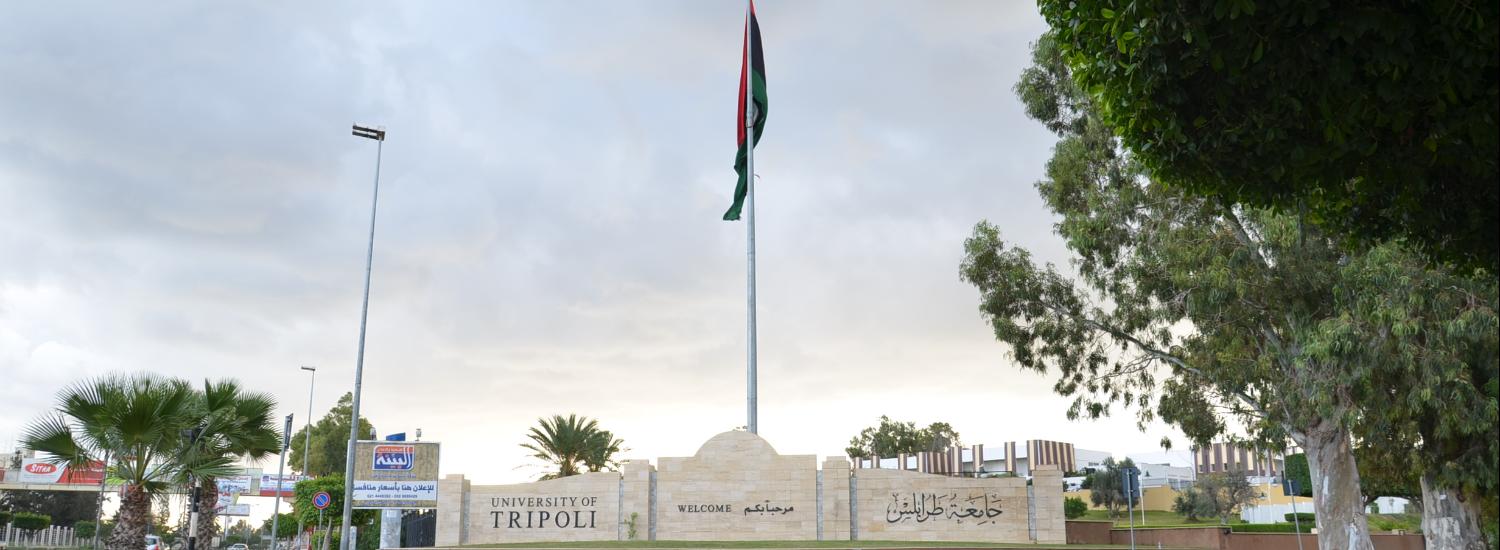

faculty of Engineering
More ...About faculty of Engineering
Faculty of Engineering
The Faculty of Engineering, University of Tripoli, was established in 1961 in the name of the “Faculty of Higher Technical Studies” within the program of scientific and technical cooperation with the United Nations Educational, Scientific and Cultural Organization UNESCO. Thus, this makes it the first engineering college in Libya. In 1967, it was included to the University of Libya under the name of the Faculty of Engineering. In 1972, the Faculty of Petroleum Engineering established. However, it then was then included to the Faculty of Engineering, and elements from the Faculty of Science, University of Tripoli in 1973. In 1978, the Faculty of Nuclear and Electronic Engineering was created. In 1985 the Faculty of Petroleum Engineering was merged with the Faculty of Engineering within the framework of linking the colleges and higher institutes with engineering research centers. The Faculty of Nuclear and Electronic Engineering was then added to the Faculty of Engineering in 1988.
The Faculty of Engineering has a pioneering role in the scientific career, its role is increasing significantly in line with the technical development, especially in the fields of communication and informatics engineering. In addition, it also following new developments with their applications in the engineering sector, along with permanent and renewable energy, modern methods of construction and architecture and their environmental impacts. In response to this development, the Faculty of Engineering undertook changes in its educational curricula and academic structure by growing from a faculty with four departments since its inception to become a group of thirteen departments in order to meet the desires and requirements of the Libyan society and to achieve its goals and aspirations for progress. Accordingly, the study system in the Faculty has evolved from the academic year system to term-based system.
The expansion of the academic fields in the Faculty undoubtedly requires expansions in the facilities that accommodate the increasing numbers of students which have reached twelve thousand in recent years. This development will include halls, laboratories and other advanced capabilities and equipment, including computers and research measuring devices.
The Faculties consists of the following departments: Department of Civil Engineering - Department of Mechanical and Industrial Engineering - Department of Electrical and Electronic Engineering - Department of Computer Engineering - Department of Architecture and Urban Planning - Department of Petroleum Engineering - Department of Chemical Engineering - Department of Geological Engineering - Department of Mining Engineering - Department of Aeronautical Engineering - Department of Naval Engineering and Ship Architecture - Department of Nuclear Engineering - Department of Materials and Mineral Engineering - Department of Engineering Management "Postgraduate studies".
These departments carry out their specialized scientific tasks in accordance with the relevant laws, regulations and decisions, which include in their entirety:
- Academic supervision of students in terms of registration, teaching and evaluation.
- Follow-up of research, authoring and translation programs.
- Preparing and holding specialized scientific conferences and seminars.
- Preparing and reviewing academic curricula to keep pace with scientific progress and the needs of society.
- Providing specialized scientific advice to productive and service institutions in society.
- Conducting scientific and practical studies in the field of research to solve relevant community problems.
- Contributing to developing plans and proposals for managing the educational process in the Faculty and departments.
Facts about faculty of Engineering
We are proud of what we offer to the world and the community
Publications
Academic Staff
Students
Graduates
Programs

B. Sc. in Electronic and Communication Engineering
...
Details

Masters of Science
The founding of this postgraduate program goes back to the spring semester of 1992 as the first local program in the country offering an M. Sc. degree...
DetailsWho works at the faculty of Engineering
faculty of Engineering has more than 326 academic staff members

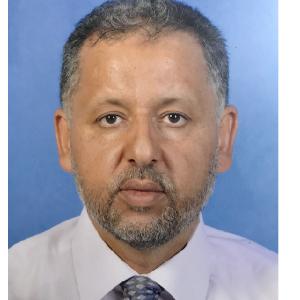



Mr. Salah Alnaser K Ahmed
أ. صلاح الناصر أحمد تحصل علي درجة البكالوريوس في الهندسة الجيوتقنية من جامعة طرابلس, ليبيا ,سنة 2010, وتحصل على درجة الماجستير في مجال الهندسة الإنشائية من جامعة كيبيك, مونتريال, كندا, سنة 2017. حاليا هو محاضر مساعد بقسم الهندسة الجيولوجية, كلية الهندسة, جامعة طرابلس. تشمل اهتماماته البحثية ، استقرار المنحدرات ، الأساسات الضحله ، استخدام Matlab في مشاكل الهندسة الجيوتقنية ، تطبيق Python في الهندسة الجيوتقنية ، وتحليل العناصر المحدودة في الهندسة الجيوتقنية.