
كلية الهندسة

المزيد ...

حول كلية الهندسة

أنشئت كلية الهندسة جامعة طرابلس سنة 1961م باسم كلية الدراسات الفنية العليا وذلك ضمن برنامج التعاون العلمي والتقني مع منظمة الأمم المتحدة للتربية والعلوم والثقافة اليونسكو، وكانت بذلك أول كلية هندسية بليبيا، وفي سنة 1967م، انضمت إلى الجامعة الليبية آنذاك تحت اسم كلية الهندسة، وفي سنة 1972م تم تأسيس كلية هندسة النفط التي كونت مع كلية الهندسة وكلية العلوم جامعة طرابلس سنة 1973م، وقد أضيفت سنة 1978م كلية الهندسة النووية والإلكترونية، وفي سنة 1985م تم دمج كلية هندسة النفط مع كلية الهندسة في إطار ربط الكليات والمعاهد العليا بالمراكز البحثية الهندسية، وقد تم دمج الهندسة النووية والإلكترونية مع كلية الهندسة سنة 1988م.

وبقدر ما تمتاز به كلية الهندسة من دور ريادي خلال مسيرتها العلمية هذه فأن دورها يزداد أهمية وذلك تمشياً مع التطور التقني وخاصة في مجالات هندسة الاتصالات والمعلوماتية والمواد الجديدة وتطبيقاتها والطاقة الدائمة والمتجددة والأساليب الحديثة في الإنشاء والعمارة ومالها من تأثيرات بيئية، واستجابة لهذا التطور فأن كلية الهندسة عمدت إلى تغيرات في مناهجها  التعليمية والهيكلية الأكاديمية بأن تطورت من كلية بأربعة أقسام منذ نشأتها حتى أصبحت تجمع عدد ثلاثة عشر قسماً وذلك تلبية لرغبات ومتطلبات المجتمع الليبي ومحققة لأهدافه وتطلعاته في التقدم، وتوافقاً لذلك فأن نظام الدراسة في الكلية تطور من نظام السنة الدراسية إلى نظام الفصل بمقررات فصلية.

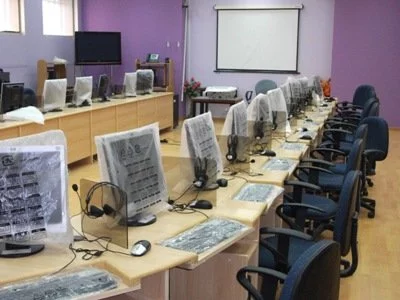
إن التوسع في المجالات الأكاديمية بالكلية يحتاج ولا شك توسعات في المنشآت التي تستوعب الأعداد المتزايدة للطلاب التي وصلت إلى اثني عشر ألفا في السنوات الأخيرة. وهذا التوسع سيشمل إن شاء الله تعالى القاعات والمعامل وغيرها من الإمكانيات والتجهيزات المتطورة من أجهزة حاسوب وأجهزة قياس بحثية.

تتكون الكلية من أقسام: (قسم الهندسة المدنية- قسم الهندسة الميكانيكية والصناعية- قسم الهندسة الكهربائية والإلكترونية- قسم هندسة الحاسب- قسم هندسة العمارة والتخطيط ٌ العمراني- قسم هندسة النفط- قسم الهندسة الكيميائية- قسم الهندسة الجيولوجية- قسم هندسة التعدين- قسم هندسة الطيران- قسم الهندسة البحرية وعمارة السفن- قسم الهندسة النوويةٌ- قسم هندسة المواد والمعادن- قسم الإدارة الهندسية "دراسات عليا فقط").

وتمارس هذه الأقسام مهامها العلمية التخصصية وفق القوانين واللوائح والقرارات ذات العلاقة والتي تشمل في مجملها:

  • الإشراف الأكاديمي على الطلاب المتمثل في التسجيل والتدريس والتقييم.
  • متابعة برامج البحوث والتأليف والترجمة.
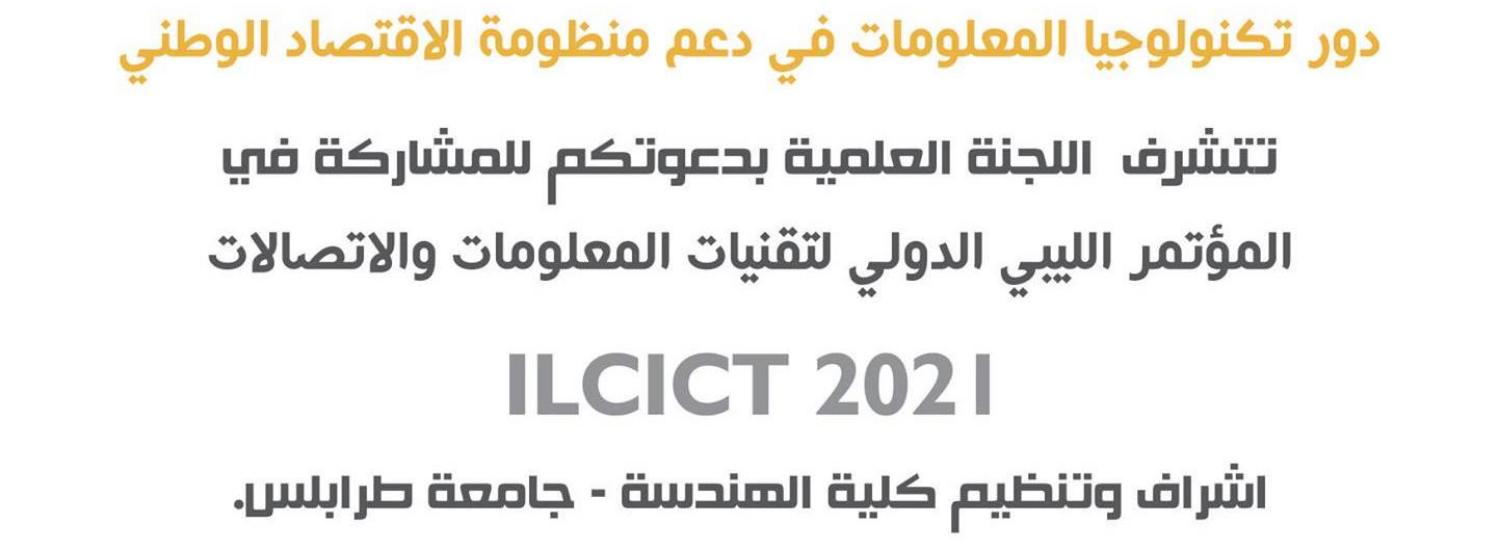
  • القيام بإعداد وعقد المؤتمرات والندوات العلمية المتخصصة.
  • إعداد ومراجعة المناهج الدراسية لمواكبة التقدم العلمي واحتياجات المجتمع.
  • تقديم المشورة العلمية التخصصية للمؤسسات الإنتاجية والخدمية بالمجتمع.
  • القيام بالدراسات العلمية والعملية في مجال البحث لحل مشاكل المجتمع ذات العلاقة.
  • المساهمة في وضع الخطط والمقترحات لتسيير العملية التعليمية بالكلية والأقسام.

حقائق حول كلية الهندسة

نفتخر بما نقدمه للمجتمع والعالم

278

المنشورات العلمية

326

هيئة التدريس

9723

الطلبة

558

الخريجون

البرامج الدراسية

بكاليوريوس هندسة الطيران
تخصص هندسة الطيران

...

التفاصيل
البكالوريوس في الهندسة
تخصص هندسة النفط

.......

التفاصيل
بكالوريوس هندسة جيولوجية
تخصص الهندسة الجيولوجية

يحتوي البرنامج الدراسي على 152 وحدة دراسية ...

التفاصيل

من يعمل بـكلية الهندسة

يوجد بـكلية الهندسة أكثر من 326 عضو هيئة تدريس

staff photo

أ. صلاح الناصر خليفة أحمد

أ. صلاح الناصر أحمد تحصل علي درجة البكالوريوس في الهندسة الجيوتقنية من جامعة طرابلس, ليبيا ,سنة 2010, وتحصل على درجة الماجستير في مجال الهندسة الإنشائية من جامعة كيبيك, مونتريال, كندا, سنة 2017. حاليا هو محاضر مساعد بقسم الهندسة الجيولوجية, كلية الهندسة, جامعة طرابلس. تشمل اهتماماته البحثية ، استقرار المنحدرات ، الأساسات الضحله ، استخدام Matlab في مشاكل الهندسة الجيوتقنية ، تطبيق Python في الهندسة الجيوتقنية ، وتحليل العناصر المحدودة في الهندسة الجيوتقنية.


منشورات مختارة

بعض المنشورات التي تم نشرها في كلية الهندسة

Assessing chloride induced deterioration in condition and safety of concrete structures in marine environments

Prediction of the present and future state of Reinforced Concrete (RC) structures suffering from chloride-induced corrosion is important if proper planning for inspection and maintenance is to be made. The majority of research studies have thus far focused on the diffusion process of chloride ions through the concrete cover, the time to corrosion initiation and on the prediction of the surface condition of the structure. However; practical evidence and theoretical analysis suggests that many structures can tolerate considerable corrosion damage without serious reduction to their load carrying capacity. Therefore, visual impression-based maintenance is not an optimum solution particularly when financial resources are limited. To support this notion, accurate models are needed to predict the deterioration rate of the structural load carrying capacity over time. This paper uses existing empirical RC deterioration models to predict the loss in the load carrying capacity of a typical RC T-beam using a reliability based approach. The approach takes into consideration the spatial variability of the deterioration parameters, thereby demonstrating the importance of its inclusion in any such analysis. arabic 13 English 97
Omran Kenshel(1-2009)
Publisher's website

Study of Implementing Different Quality of Service Mechanisms on Various Network Traffic Types

Abstract As user applications continue to drive network growth and evolution, demand to support different types of traffic is also increasing. Different types of applications with differing network requirements create a need for administrative policies mandating how individual applications are to be treated by the network. Network traffic from business-critical applications must be protected from other types of traffic. Requests from business-critical and delay-sensitive applications must be serviced with priority. The employment and enforcement of quality of service (QoS) policies within a network play an essential role in enabling network administrators and architects to meet networked application demands. QoS is a crucial element of any administrative policy that mandates how to handle application traffic on a network. Networks must provide secure, predictable, measurable, and, sometimes, guaranteed services. Network administrators and architects can better achieve this performance from network by managing delay, delay variation (Jitter), bandwidth provisioning, and packet loss parameters with quality of service (QoS) techniques. As the concept of converged network is being widely used today where all types of traffic are required to be sent and transmitted on the same wide area network (WAN) link. Hence different applications need to be differentiated and treated according to their sensitivity to business. QoS is the suitable answer and method to solve this issue and make sure that each traffic type will be treated differently using various mechanisms of QoS. In this research different types of traffic that represent different applications are generated in WAN and local area network (LAN) where various techniques of QoS are implemented. Network performance is indicated by capturing different parameters on real time such as, delay, jitter, packet loss, and bandwidth. Based on results obtained, a set of recommendations is concluded for each QoS mechanism highlighting the suitable traffic type for this technique to be used for along with appropriate network locations for this technique to be implemented.
نسرين عادل بن لطيف (2011)
Publisher's website

Sedimentological and Petrophysical Characterization of Nubian Sandstone; of the Sarir Field, Sirte Basin

Abstract The Nubian Sandstone of Lawer Cretaceous Formation is located in Sarir Oil Field, in the Southeastern Sirte Basin in Libya. After conductiog 300 point counts on 24 thin sections from C4 -65&C3 -65. The deposition environment and diagenesis that affected the variability of porosity and permeability within a given lithologic unit. I found the Nubian Sandstone bodies of Sarir-C-North can also be divided on the basis of grian size and sedimentary structure into type: - 1) medium to coarse- grained sandstone 2) very fine grains sandstone. Association in the former lithologic, the siltstone and silty sandstone are grey and usually laminated; while in the latter they form white-grey or reddish siltstone and shaly siltstone beds, commonly intensively burrowed, and locally contain fragments of coal. A different depositional environment deposited each lithology. The Nubian Sandstone is interpreted to include several lithofacies deposited in fluvial environment. It informal these facies controlled both the primary porosity and diagenetic events. Peterophysical properties of formation under study were determined using different well logs. Porosities are calculated using sonic, neutron, and density logs. It is clear that the primary porosity in (well C3 -65) of formation represents dominant one and the secondary is (well C4- 65) of rare.
ليلي المبروك (2008)
Publisher's website

المجلات العلمية

بعض المجلات العلمية التي تصدر عن كلية الهندسة