قسم أمراض الدواجن والأسماك

المزيد ...

حول قسم أمراض الدواجن والأسماك

يُصنف قسم أمراض الدواجن والأسماك من الأقسام الإكلينيكية بالكلية، حيث يندرج تحتهُ شُعبتان; شعبة أمراض الدواجن وشعبة أمراض الأسماك ويتم تدريس مادة أمراض الدواجن ومادة أمراض الاسماك وهما من المتطلبات الاساسية لبرنامج بكالوريوس العلوم الطبية البيطرية. وكذلك يمنح القسم درجة الإجازة العليا ( الماجيستير) في العلوم الطبية البيطرية (MVSC) في التخصصات التالية:

1) البرنامج الدراسي لأمراض الدواجن.

2) البرنامج الدراسي أمراض الأسماك.  

حقائق حول قسم أمراض الدواجن والأسماك

نفتخر بما نقدمه للمجتمع والعالم

48

المنشورات العلمية

8

هيئة التدريس

البرامج الدراسية

ماجستير أمراض الدواجن
تخصص أمراض الدواجن

يُنفذ هذا البرنامج من خلال دراسة مقررات دراسية، بحيث لا يقل عدد وحداتها عن (24) وحدة دراسية، وأن لا تزيد عن (30) وحدة دراسية على مدى 3 فصول، بالإضافة إلى إنجاز رسالة بحثية...

التفاصيل

ماجستير أمراض الاسماك
تخصص أمراض الاسماك

يُنفذ هذا البرنامج من خلال دراسة مقررات دراسية، بحيث لا يقل عدد وحداتها عن (24) وحدة دراسية، وأن لا تزيد عن (30) وحدة دراسية على مدى 3 فصول، بالإضافة إلى إنجاز رسالة بحثية...

التفاصيل

من يعمل بـقسم أمراض الدواجن والأسماك

يوجد بـقسم أمراض الدواجن والأسماك أكثر من 8 عضو هيئة تدريس
staff photo

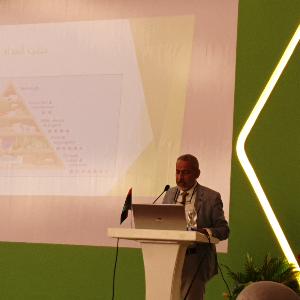
أ.د. عبداللطيف عبدالعزيز محمد العاشق

عبداللطيف العاشق هو حاليا أستاذ الدكتور رئيس قسم امراض الدواجن والأسماك بكلية الطب البيطري أستاذ علم امراض الدواجن متزوج وله ثلاثة أبناء تدرج في الوظيفة من معيد بكلية الطب البيطري سنة 1991م وتحضير درجة الاجازة العالية سنة 1995م في نفس التخصص من كلية الطب البيطري جامعة طرابلس الى ان تحصل على درجة الدكتوراه من جامعة كوشيتسا للطب البيطري سنة 2003م و لديه الكثير من الأبحاث العلمية في مجال التخصص وقد تقلد مناصب منها رئيس نقابة أعضاء هيئة التدريس بجامعة طرابلس عن طريق الانتخاب سنة 2012 -2013م وكذلك تحصل على منصب رئيس جامعة صبراتة عن طريق المفاضلة التي اقرتها وزارة التعليم العالي سنة 2018م وادار جامعة صبراتة لمدة سنتان ونصف حققت جامعة صبراتة تقدم ملحوظ من ناحية التصنيفات العالمية والمحلية في تلك الفترة.

منشورات مختارة

بعض المنشورات التي تم نشرها في قسم أمراض الدواجن والأسماك

الكشف عن بكتيريا الفيبريو الشائعة التي تصيب اسماك المرجان في المنطقةالساحلية بطرابلس ليبيا

بكتيريا الفيبريو وهي مجموعة من البكتيريا سالبة الجرام التي تصيب في الأساس أسماك المياه المالحة والشروب. بكتيريا الفيبريو توجد بصورة كثيفة في مياه البحر الملوثة و خصوصا تلك الملوثة بمياه الصرف الصحي. في الدراسة الحالية تم عزل وتصنيف عدد أربعة عترات من ميكروب الفيبريو من أسماك المرجان العادي التي تم تجميعها من المنطقة الساحلية لطرابلس خلال موسم 2014 حتي موسم الربيع 2015 . تم تحديد هوية العترات المعزولة والتأكيد علي انها ميكروب V. Parahaemolyticus, Vibrio vulnificus, Vibrio fluvialis, Vibrio alginolyticus وباستخدام بعض التقنيات البيوكيميائية التقليدية و تقنية API20E. وأكدت الاختبارات اتفاق الخصائص البيوكيميائية مع الخصائص لقياسية لذلك الميكروب و المسجلة في كتاب بيرجز المرجعي لتصنيف البكتيريا (Bergey’s Manual Bactriology) بالبحث تبين أن ميكروب V. fluvialis سجل أعلى نسبة عزل خلال موسم صيف 2014 (33.33%) وربيع 2015 (27.77%) بينما مثل ميكروب V. ulnificus اقل نسبة عزل في موسم صيف 2014 بنسبة (4.44%) وربيع 2015 (5.55%). في موسم شتاء 014 مثلت V. Parahaemolyticus أعلى نسبة إصابة (20%) بينما مثل ميكروب V. alginolyticus أقل نسبة إصابة (2.22%). بالنسبة لاختبار الحساسية وجد أن معظم ميكروب V. alginolyticus و V. Parahaemolyticus هي حساسة لكل من الدوكسيسيكلين و البوليميكسين و مقاومة لكل من الاوكسيتيتر اسكين و الفلورفينيكول و الا مبيسيلين. و على الرغم من ذلك فإن ميكروب V. fluvialis أثبت حساسية كل المضادات الحيوية المستخدمة باستثناء الأمبيسيلين بينما أثبتت الاختبارات حساسية ميكروب Vibrio vulnificus لكل من الدوكسيسيكلين و البوليميكسينو الاوكسيتيتر اسكلين و مقاومة للفلورفينيكول و السلفاميثاكسازول- تراميثوبريم و الأمبيسلين و الذي يظهر اختلافا ملحوظا عن باقي العزلات البكتيرية. و في المجمل فإن النتائج تعطى مؤشر عن ازدياد مستمر للتلوث بمياه الصرف الصحي في معظم أماكن تجميع العينات في المنطقة الممتدة من تاجوراء حتى جنزور على الشاطئ الغربي لمدينة طرابلس ليبيا. Abstract: Vibrios are a group of Gram negative septicemic bacteria that mainly affect marine and estuarine fishes. Vibrios are ubiquitous in environmentally polluted seawater with especial reference to municipal sewage. In the current study, four main species of Vibrios have been frequently isolated / identified from the Common Pandora fish (Pagellus erythrinus) collected through summer 2014 to spring 2015. The identities of the retrieved isolates were confirmed as Vibrio vulnificus (V.vulnificus), Vibrio Parahaemolyticus (V. Parahaemolyticus), Vibrio fluvialis (V.fluvialis) and Vibrio alginolyticus (V. alginolyticus) depending on their morphochemical results obtained from the adopted conventional and semi-automated biochemical tests (API20E). All isolates were consistent with the standard criteria of the aforementioned Vibrio species stated by the Bergey's Manual of Systemic Bacteriology. The research has revealed that V. fluvialis was the highest isolated species (33.33%) in Summer 2014 and Spring 2015(27.77%), while V. vulnificus was the lowest isolated through summer 2014 (4.44%) and spring 2015(5.55%) . In winter season 2014, V. Parahaemolyticus presented the highest percentage of infection (20%), while V. alginolyticus was associated with the lowest percentage of infection (2.22%). Antibiogram has revealed that most of the retrieved V. alginolyticus and V.Parahaemolyticus were sensitive to Doxycyclin and Polymyxin and resistant to Oxytetracyclin, Florfenicol and Ampicillin. However V. fluvialis isolate were sensitive to all tested antibiotics with the exception of Ampicillin. Interestingly V.vulnificus were sensitive to Doxycyclin, Polymyxin, Oxytetracyclin, while resistant to Florfenicol, Sulfamethoxzole -trimethoprim and Ampicillin, which is remarkably different from the antibiogram recorded for other retrieved Vibrio species. Conclusively, the achieved results throughout the current study is indicative of a consistently growing municipal sewage pollution across the sampling sites extending from Tajoura to Janzour at the western coast of Tripoli, Libya.
محمد بشير منصور التكالي (2015)
Publisher's website

First Record of Vibrio vulnificus / Anisakis pegreffi Concurrent Infection in Black scorpionfish (Scorpaena porcus) from the South Mediterranean Basin.

Vibrio vulnificus, a zoonotic bacterial pathogen was isolated for the first time from kidneys of black scorpionfish Scorpaena porcus collected from the south Mediterranean basin (western coast of Tripoli, Libya) during the early summer of 2013. Fish exhibited typical signs of Vibriosis with furuncle like lesions, skin hemorrhages, fin rot and congested spleen. The abdominal cavity, liver, intestinal wall, and gonads were suffering from mild larval nematode infection. Interestingly, a huge portion of the kidney tissue was replaced with the anisakids nematode Anisakis pegreffi. This is considered the first report ofV. vulnificus / A. pegreffi in the Mediterranean black scorpionfish. The identities of the retrieved V. vulnificus isolates were confirmed using morpho-chemical and molecular tools. The research lead us to conclude that the deteriorated nature of the sewage polluted seawater at the western coast of Tripoli could have played a detrimental role in facilitating the invasion with the two diverse etiological agents (V. vulnificus and A.pegreffi) . We also hypothesize that V. vulnificus was lodged within nematode worms or at one of its life stages before invading fish intestine with consequent spread into other internal organs during its visceral larval migration stage.
Abdulwahab Kammon(5-2015)
Publisher's website

Dynamics of Lymphocyte Subpopulations in Immune Organs of Chickens Infected with Salmonella enteritidis

To determine the effect of different doses of Salmonella enteritidis on immunocompetent cells, the thymus, bursa of Fabricius, and peripheral blood were examined. One-day-old chickens were orally infected with 2 × 10²CFU/ml (low dose) and 2 × 10⁸ CFU/ml(high dose) of S. enteritidis PT4. Subsets of T lymphocytes (CD3, CD4, and CD8), and BU1b cells using an indirect immunofluorescent method and flow cytometry were analysed on days 7, 10, 14, 21, and 27 postinoculation (dpi). The actual number of lymphocytes in the peripheral blood showed a significant increase in the low dose group (P < 0.05) on day 21 pi, and in the high dose group on day 27 pi (P< 0.001) compared to controls. The increase of CD3+, CD4+, and CD8+ T cells was observed in both infected groups compared to the controls from day 14 pi, significant on day 21 pi (P < 0.05) in the high dose group. The subpopulation of CD8+ was higher also on day 27 pi (P < 0.01) compared with the values of the control group. The subpopulation of BU1b+ B cells in both infected groups showed higher values, but without significant differences from controls. The thymus T lymphocytes showed a significant decline in CD3+ T cells on day 7 pi, whereas CD4+ T cells were significantly (P < 0.05) increased on day 7 pi in both infected groups. The bursal lymphocytes showed a decrease in BU1b+ B cells in both infected groups compared with the control group, significant in the high dose group on day 21 pi (P < 0.05). These results indicate that S. enteritidis infection induced the changes in immunocompetent cells, included cellular and humoral immune response. Salmonella infection accelerated the maturation and differentiation of thymus T cells in the first phase of infection, what was secondarily reflected by increased number of studied T lymphocyte subpopulations in the peripheral blood from day 14 to 27 after infection. Similarly, it appears that the activation of B cells in bursa of Fabricius caused the decrease number of bursal B lymphocytes and increased number of these cells in the peripheral blood from day 14 to 27 pi in both infected groups.
A. A. Asheg(3-2003)
Publisher's website