كلية الطب البيطري

المزيد ...

حول كلية الطب البيطري

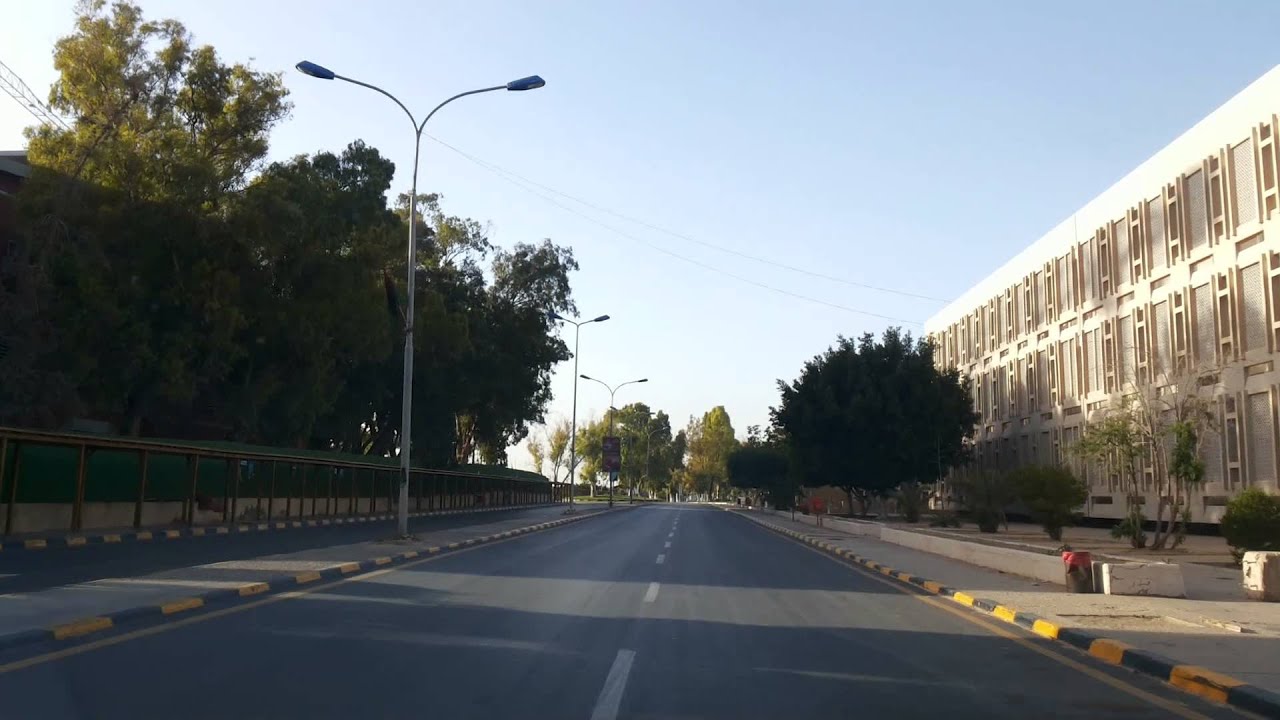
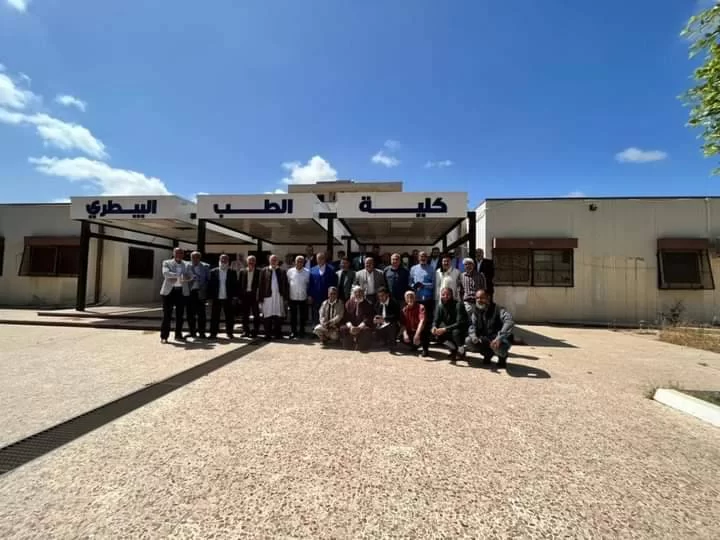
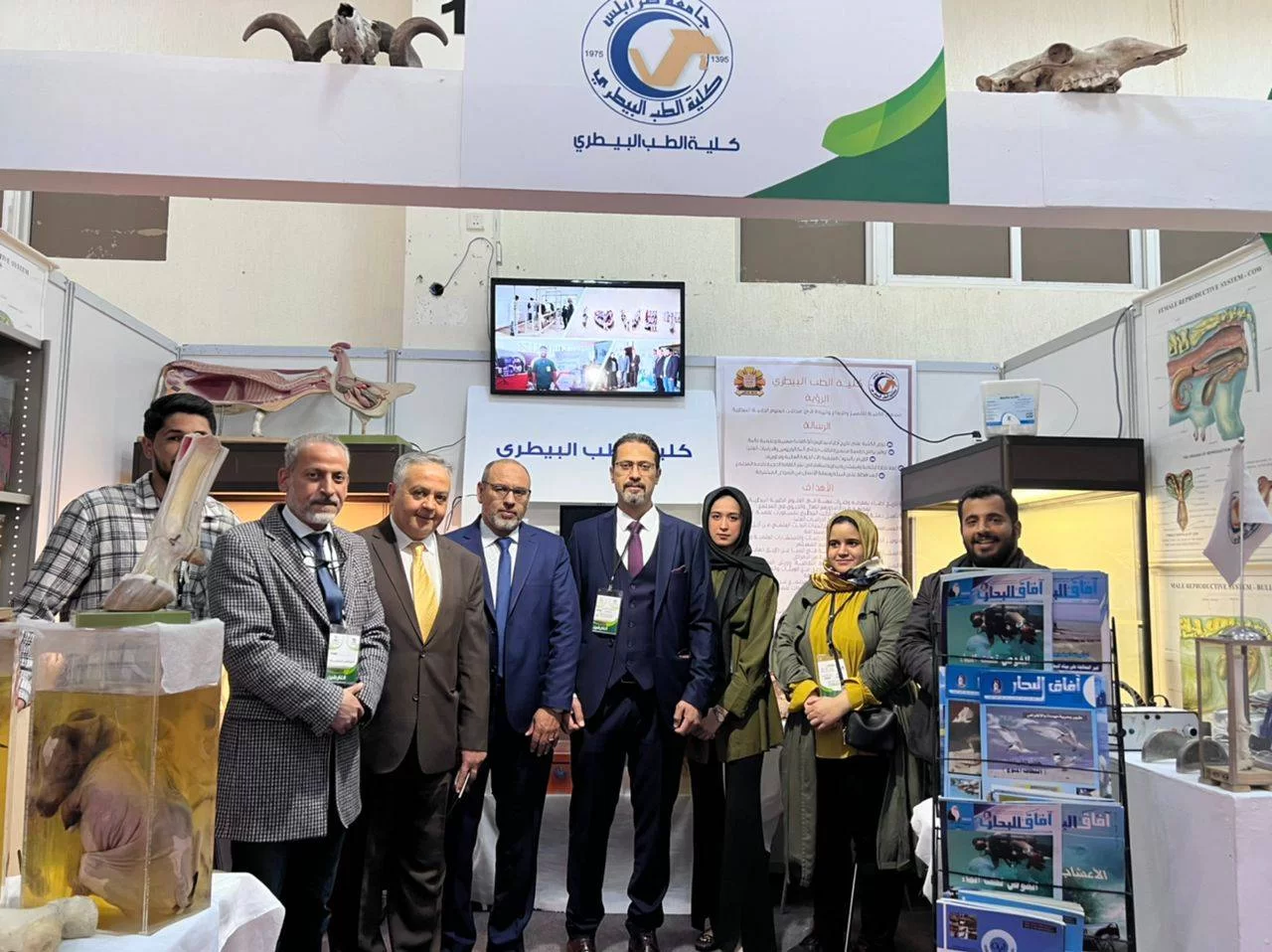
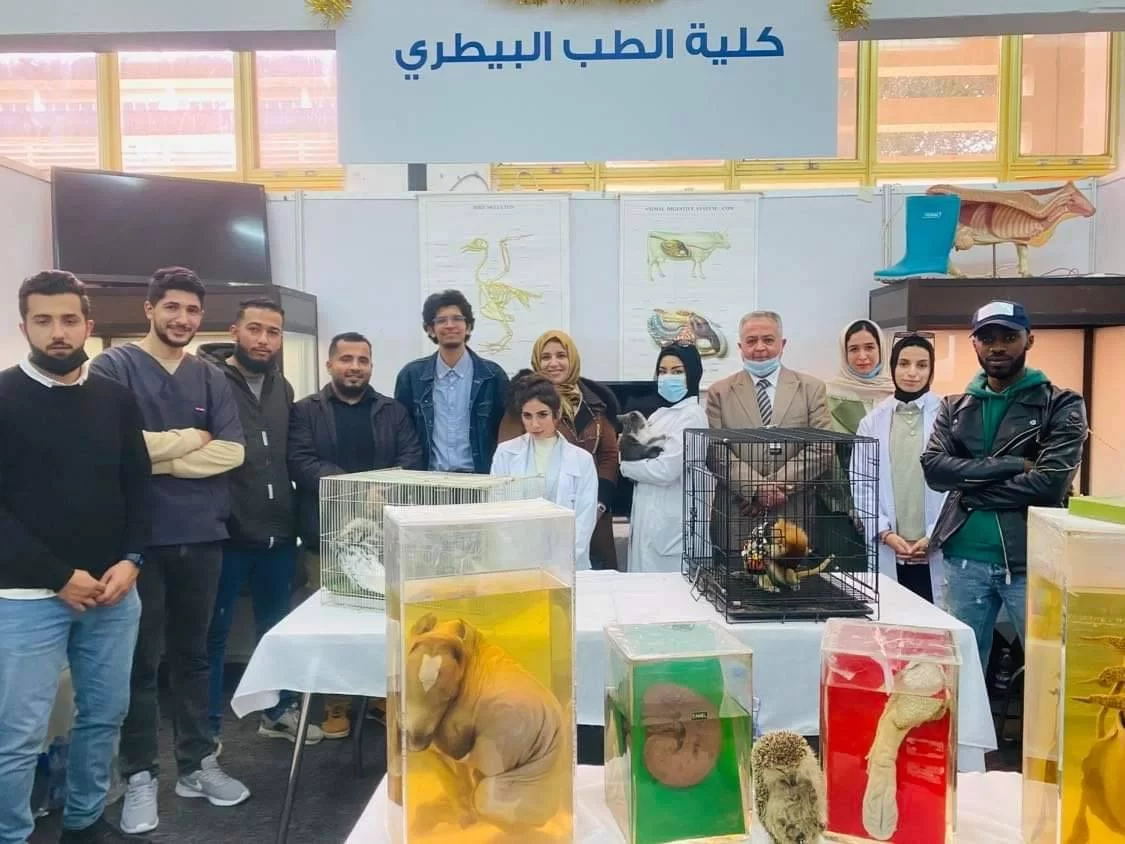
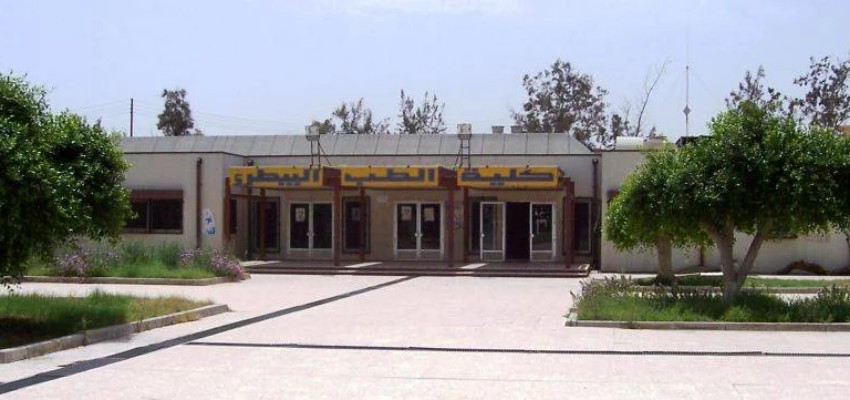
تأسست كلية الطب البيطري عام 1975م كأول كلية للطب البيطري في ليبيا. تعد الكلية من قلاع العلم و المعرفة الهامة بجامعة طرابلس ومؤسسة علمية تلبي إحتياجات المجتمع من الأطباء البيطريين وتساهم في دعم الإقتصاد الوطني من خلال العناية بصحة الحيوان وزيادة الإنتاج الحيواني والمحافظة على صحة الإنسان وحماية البيئة.

حقائق حول كلية الطب البيطري

نفتخر بما نقدمه للمجتمع والعالم

194

المنشورات العلمية

86

هيئة التدريس

245

الطلبة

23

الخريجون

البرامج الدراسية

ماجستير أمراض الدواجن
تخصص أمراض الدواجن

يُنفذ هذا البرنامج من خلال دراسة مقررات دراسية، بحيث لا يقل عدد وحداتها عن (24) وحدة دراسية، وأن لا تزيد عن (30) وحدة دراسية على مدى 3 فصول، بالإضافة إلى إنجاز رسالة بحثية...

التفاصيل

ماجستير أمراض الاسماك
تخصص أمراض الاسماك

يُنفذ هذا البرنامج من خلال دراسة مقررات دراسية، بحيث لا يقل عدد وحداتها عن (24) وحدة دراسية، وأن لا تزيد عن (30) وحدة دراسية على مدى 3 فصول، بالإضافة إلى إنجاز رسالة بحثية...

التفاصيل

من يعمل بـكلية الطب البيطري

يوجد بـكلية الطب البيطري أكثر من 86 عضو هيئة تدريس

staff photo

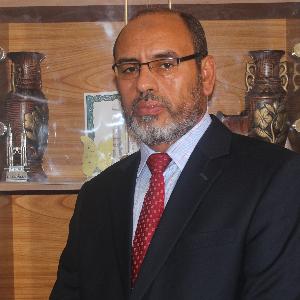
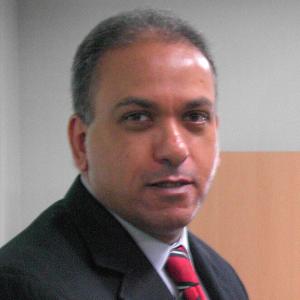
أ.د. محمد عمر بشير أحمد

أ.د. محمد عمر بشيرأحمد هو احد اعضاء هيئة التدريس بقسم الاحياء الدقيقة والطفليات بكلية الطب البيطري. يعمل السيد محمد بجامعة طرابلس كـأستاذ منذ 2007-09-26 وله العديد من المنشورات العلمية في مجال تخصصه

منشورات مختارة

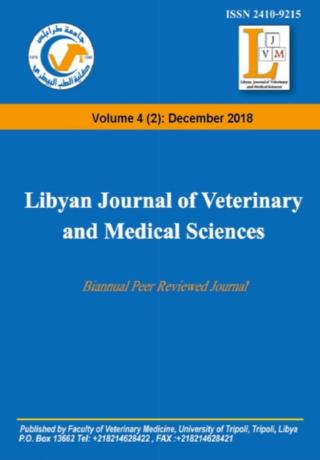
بعض المنشورات التي تم نشرها في كلية الطب البيطري

Residual evaluation of oxytetracycline in camel edible tissues in Tripoli region, Libya

The deleterious effects of the residues of antibacterial drugs have been considered as one of the most serious problems in the world on the basis of their importance in both veterinary and human fields. Therefore, the present study was planned out to evaluate the residual levels of oxytetracycline in camel tissues in Tripoli area in Libya. Forty samples of slaughtered camel's tissues (10 of muscle, 10 of liver, 10 of kidney, and 10 of fat) were collected from different carcasses at different slaughter houses in Tripoli districts. The samples were homogenized, extracted and residual concentrations of oxytetracycline have been measured using liquid chromatography-Mass spectroscopy (LC-MS) technique and oxytetracycline standard. Oxytetracycline residues have been detected in 60% in muscle, 80% in liver, 90% in kidney and 70% in fat samples. The samples, although positive, yet decided acceptable as the detected levels were less than that were regulated by Codex Alimentarius Commission (CAC) for oxytetracycline maximal residual levels (100, 300, 600 and 100 μg/Kg muscle, liver, kidney or fat, respectively). The authors recommended avoiding irrational use of oxytetracycline in veterinary practice and camel in particular; and sticking to the withdrawal time regulated and labelled for drugs used in therapy among veterinary personnel, organizations, and governmental agencies in Libya.
Ibrahim Eldaghayes(9-2015)
Publisher's website

Fetlock Parameters Development on Dorsopalmar Radiographs in the Equine Forelimb

Several reports have discussed possible bony morphological causes of fetlock pathology but without relating them to its morphometry. Radiographic measurement is widely used in constructing numerical databases of bone morphometry. Such measurements would not be reliable unless all factors affecting the radiographs were considered. Therefore, this study aimed to establish a specific dorsopalmar view (DP) for fetlock radiographic measurements, and then to develop reliable and repeatable fetlock parameters that represent fetlock conformation on those DP radiographs. Ten cadaveric forelimbs from ten adult horses were cut at the distal third of the radius and mounted in a normal posture for DP radiography. Specific features on fetlock bones were used as landmarks to identify the DP at zero degrees. Other bony features were selected as landmarks for developing fetlock parameters on these radiographs. Twenty-seven parameters were designed in the form of angles (12) and ratios (15). The repeatability and consistency of each parameter was tested. A specific fetlock DP view was determined at zero degrees based on certain landmarks. All angular and ratio parameters showed high reliability and consistency in their measurements. The established parameters provide an opportunity to test the relationship between fetlock morphometrics and performance, or the likelihood of certain pathologies.
Abdulrhman Mohamed Salah Alrtib, Aiman Hussein Saleh Oheida, Mohamed Hamrouni S. Abushhiwa, Helen M S Davies(3-2019)
Publisher's website

Effect of Some Organic Acids on Body Weight, Immunity and Cecal Bacterial Count of Chicken during Heat Stress

Abstract Objective: The aim of the experiment was to evaluate the effect of heat stress on body weight, immune response and cecal bacterial count in parent broiler chickens and to determine the ameliorating effects of some organic acids to overcome heat stress. Materials and Methods: Day-old, 1920 male broiler parent chicks were used in a 2×2 factorial completely randomized design. The experimental chicks were randomly and equally distributed into 2 major groups (960 chicks each) which further divided into 4 subgroups (480 chicks each) with 8 replicates. Two subgroups were exposed to heat (H) at 35EC from 22-42 days of age and the other two subgroups was lift normal. Four replicates in each subgroup were given organic acids (OA) in drinking water at the first week, days 19-27 and last week of age whereas the other 4 replicates in the same subgroup were given normal drinking water. Results: Heat stress caused significant decrease in body weight, coliforms count and serum lysozyme level at 5th week of age. The body weight has been significantly ameliorated by organic acids. Deleterious effects of heat stress on immunity has been confirmed by the significant decrease of bursa/body weight ratio and total leukocyte count (TLC) at 4th week of age. The bacterial count was significantly increased in the group exposed to heat at 5th week of age. Conclusion: It is concluded that heat stress has deleterious effects on chickens and organic acids has significantly ameliorated some of these effects. arabic 18 English 91
Abdulwahab Kammon, Samia Alzentani, Omar Tarhuni , Abdulatif Asheg(5-2019)
Publisher's website

قناة كلية الطب البيطري

بعض الفيديوات التي تعرض مناشط كلية الطب البيطري

اطلع علي المزيد