
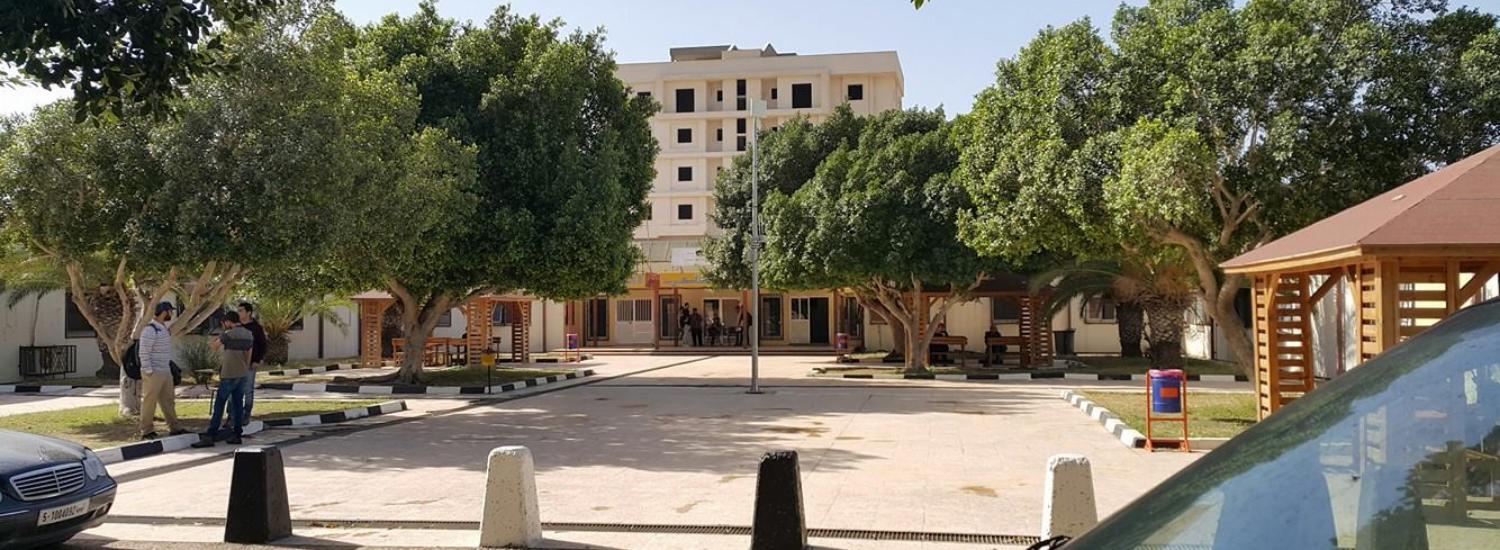
كلية الطب البيطري

المزيد ...

حول كلية الطب البيطري

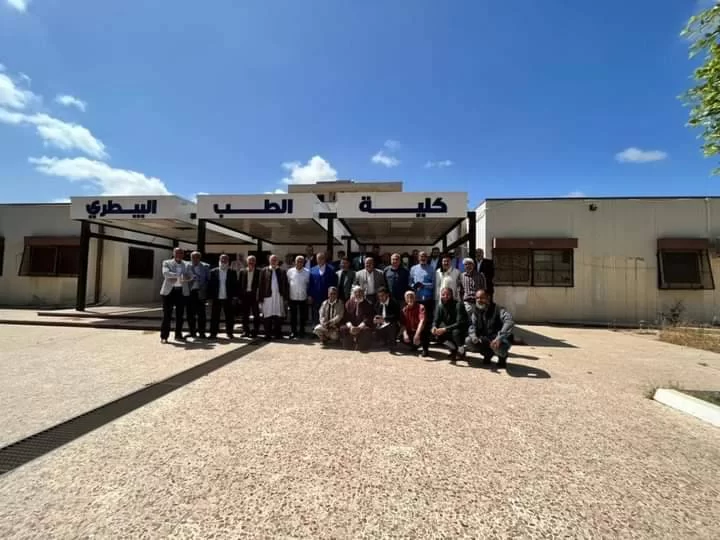
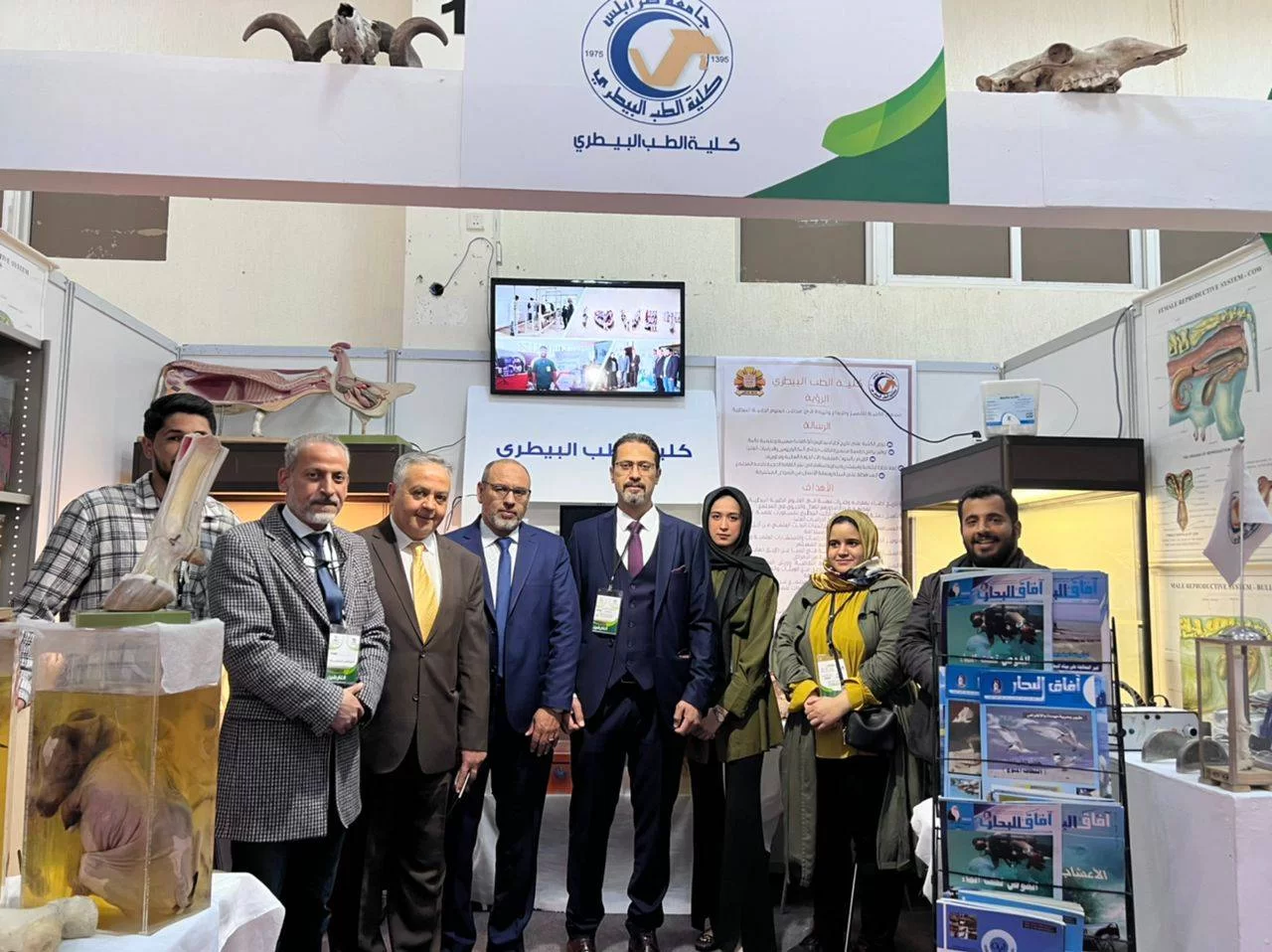
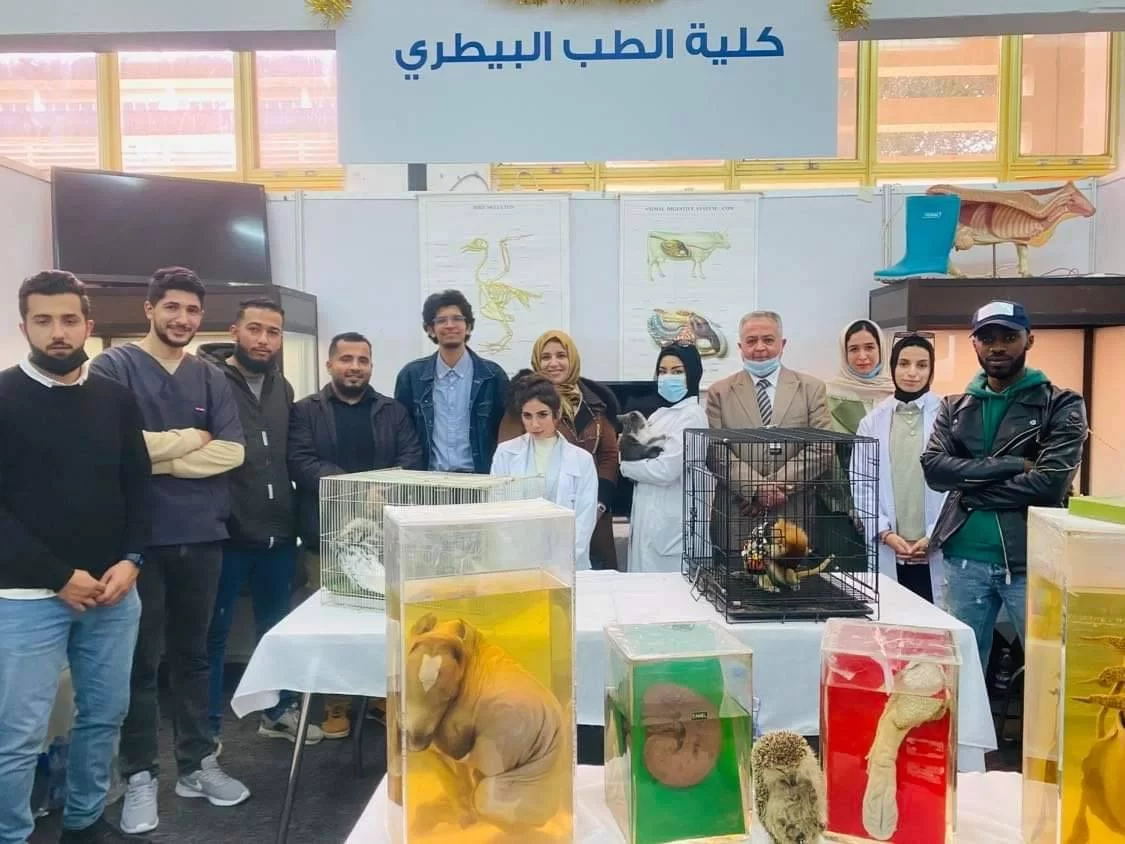
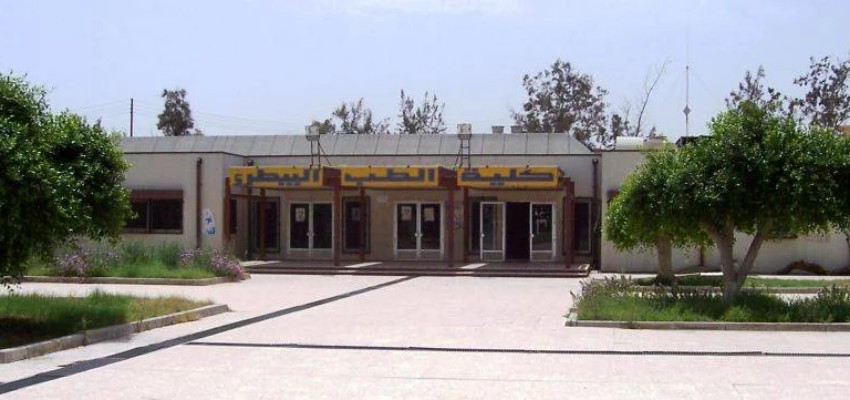
تأسست كلية الطب البيطري عام 1975م كأول كلية للطب البيطري في ليبيا. تعد الكلية من قلاع العلم و المعرفة الهامة بجامعة طرابلس ومؤسسة علمية تلبي إحتياجات المجتمع من الأطباء البيطريين وتساهم في دعم الإقتصاد الوطني من خلال العناية بصحة الحيوان وزيادة الإنتاج الحيواني والمحافظة على صحة الإنسان وحماية البيئة.

حقائق حول كلية الطب البيطري

نفتخر بما نقدمه للمجتمع والعالم

194

المنشورات العلمية

86

هيئة التدريس

245

الطلبة

23

الخريجون

البرامج الدراسية

ماجستير أمراض الدواجن
تخصص أمراض الدواجن

يُنفذ هذا البرنامج من خلال دراسة مقررات دراسية، بحيث لا يقل عدد وحداتها عن (24) وحدة دراسية، وأن لا تزيد عن (30) وحدة دراسية على مدى 3 فصول، بالإضافة إلى إنجاز رسالة بحثية...

التفاصيل

ماجستير أمراض الاسماك
تخصص أمراض الاسماك

يُنفذ هذا البرنامج من خلال دراسة مقررات دراسية، بحيث لا يقل عدد وحداتها عن (24) وحدة دراسية، وأن لا تزيد عن (30) وحدة دراسية على مدى 3 فصول، بالإضافة إلى إنجاز رسالة بحثية...

التفاصيل

من يعمل بـكلية الطب البيطري

يوجد بـكلية الطب البيطري أكثر من 86 عضو هيئة تدريس

staff photo

أ.د. شعبان احمد خلف الله عويدات

shaban awidat هو احد اعضاء هيئة التدريس بقسم أدوية وسموم وطب شرعي بكلية الطب البيطري. يعمل السيد shaban بجامعة طرابلس كـأستاذ منذ 2017-03-15 وله العديد من المنشورات العلمية في مجال تخصصه

منشورات مختارة

بعض المنشورات التي تم نشرها في كلية الطب البيطري

MOLECULAR IDENTIFICATION AND ANTIBIOGRAM OF Enterococcus spp. ISOLATED ON ENTEROCOCCUS SELECTIVE DIFFERENTIAL (ESD) MEDIA FROM MEAT, MEAT PRODUCTS AND SEAFOOD IN LIBYA

This study was conducted to investigate the presence of Enterococcus spp. in meat, meat products and seafood. A hundred and four samples were randomly collected from different geographic localities in Libya. The samples were subjected to microbiological analysis for enumeration and isolation of Enterococcus spp. by conventional cultural and molecular identification using PCR and partial sequencing of 16S rDNA techniques. Out of 104 samples, 73 (70.2%) isolates were found to be enterococci based on their cultural characteristics on ESD medium. However, out of 36 samples subjected to molecular identification, only six isolates were confirmed to be Enterococcus spp. using PCR and partial sequencing of 16S rDNA technique. All enterococci strains tested for their antibiotic sensitivity profiles showed high percentage of multi-resistance phenotype. These results can be used for further studies on enterococci as an emerging food borne pathogen and its role in human infection in Libya and would suggest that meat, meat products and seafood might play a role in the spreading of enterococci through the food chain with antimicrobial resistance characteristics.
Ibrahim Eldaghayes(6-2017)
Publisher's website

Prevalence of Antimicrobial Resistance Patterns of Escherichia coli Faecal Isolates of Cattle

A total of 154 of Escherichia coli (E. coli) isolates were isolated from faecal specimens of healthy cattle (n=100). Serotyping of 154 E. coli isolates indicated that 112 (72.72%) isolates were typeable, 28 (18.18%) untypeable and 14 (9.09%) were rough. The most predominant serotype observed was O22 followed by O56, O60, O120 and O1. Antibiogram pattern using a total of 25 different antibiotics indicated that high resistant was present against clindamycin, metronidazole and penicillin followed by cephalothin, neomycin, kanamycin, cephalexin, streptomycin, furazolidone and tetracycline antibiotics. The amplification of tet(A) and tet(B) resistant determinants by PCR resulted in generation of 372bp and 228, respectively. The tet(A) gene was predominant gene compared to tet(B) gene. This study using pheno-genotypic characterization indicated the presence of antimicrobial resistant E. coliisolates amongst healthy cattle, emphasizing that effective strategy should be applied to persist the efficiency along with ideal usage of novel antibiotics though minimizing the risk of antibiotic resistant bacteria. arabic 11 English 82
Abdusalam Sharef Abdusalam Mahmoud(3-2020)
Publisher's website

Pathomorphological changes in chicks experimentally infected with low and high doses of Salmonella enteritidis PT 4

In order to study microscopic and macroscopic lesions in chickens infected with low and high doses of Salmonella enteritidis PT 4 (SE), 150 one-day-old White Plymouth Rock chicks were divided into three groups each containing 50 birds. The chickens of the first and second groups were inoculated with 2 x 10² and 2 x 10⁸ cfu of Salmonella, respectively. The chicks of the third group were kept as uninoculated control birds. Five birds from each group were euthanized by cervical dislocation at 6, 12, 18 hours post inoculation (hpi) and then after 1, 3, 7, 10, 14, 21, and 27 days post inoculation (dpi) and were examined for presence of gross and histological lesions. Catarrhal typhlitis and unabsorbed yolk sac were the most prevalent gross lesions in both groups. Histologically, granulomatous nodules in the caecum were found occasionally in some cases in both inoculated groups. The present study demonstrated that the chickens infected with a low dose of SE showed fewer lesions, which were milder in comparison with the birds inoculated with a high dose of SE. It suggests that chickens were able to capture the pathogen in the low dose group
Abdulatif Asheg(1-2001)
Publisher's website

قناة كلية الطب البيطري

بعض الفيديوات التي تعرض مناشط كلية الطب البيطري

اطلع علي المزيد