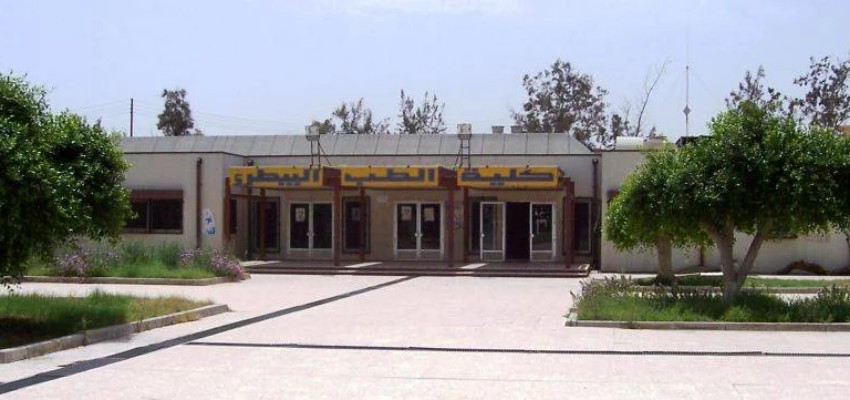
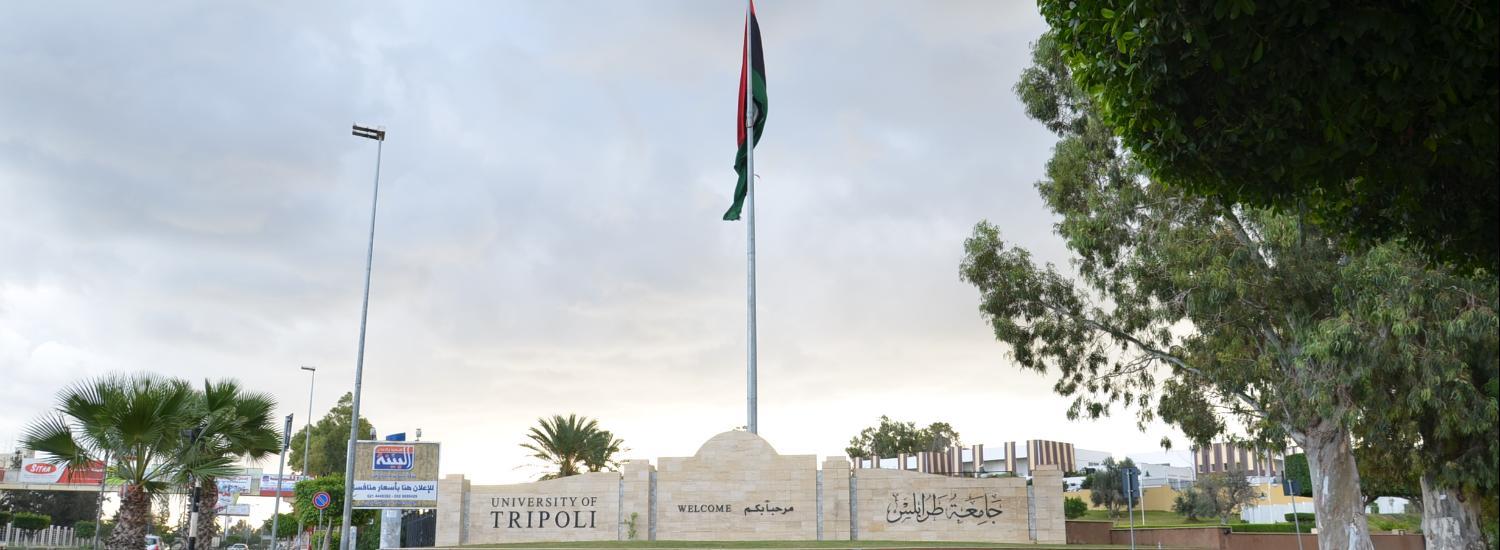
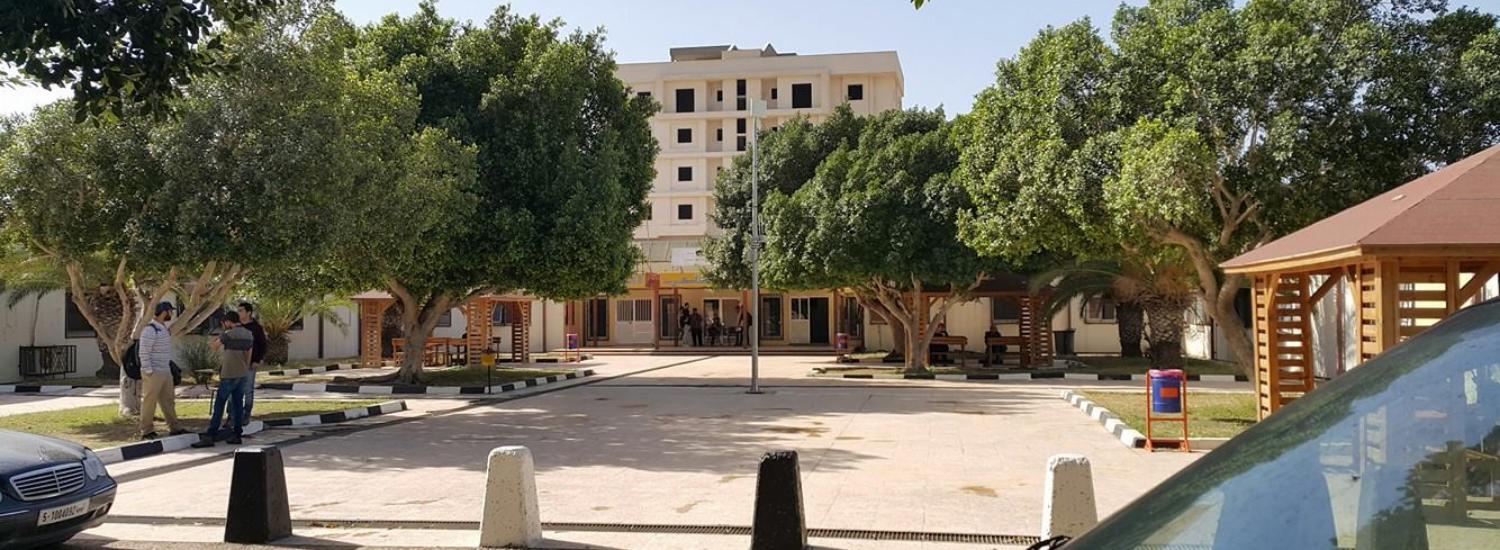
كلية الطب البيطري

المزيد ...

حول كلية الطب البيطري

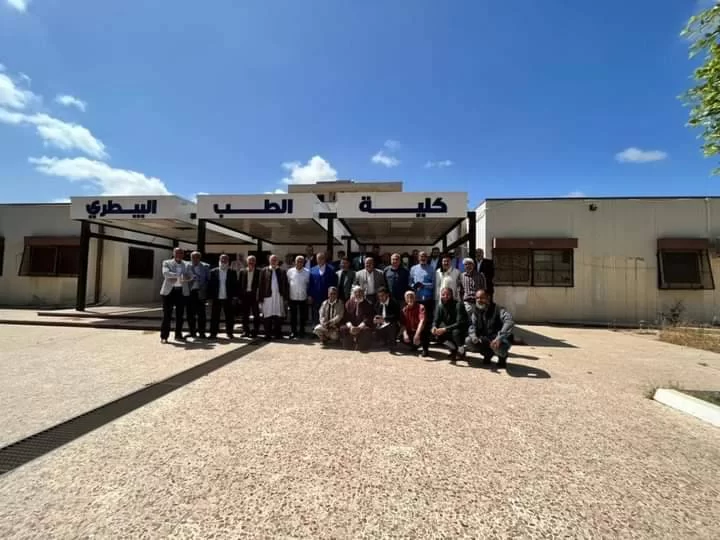
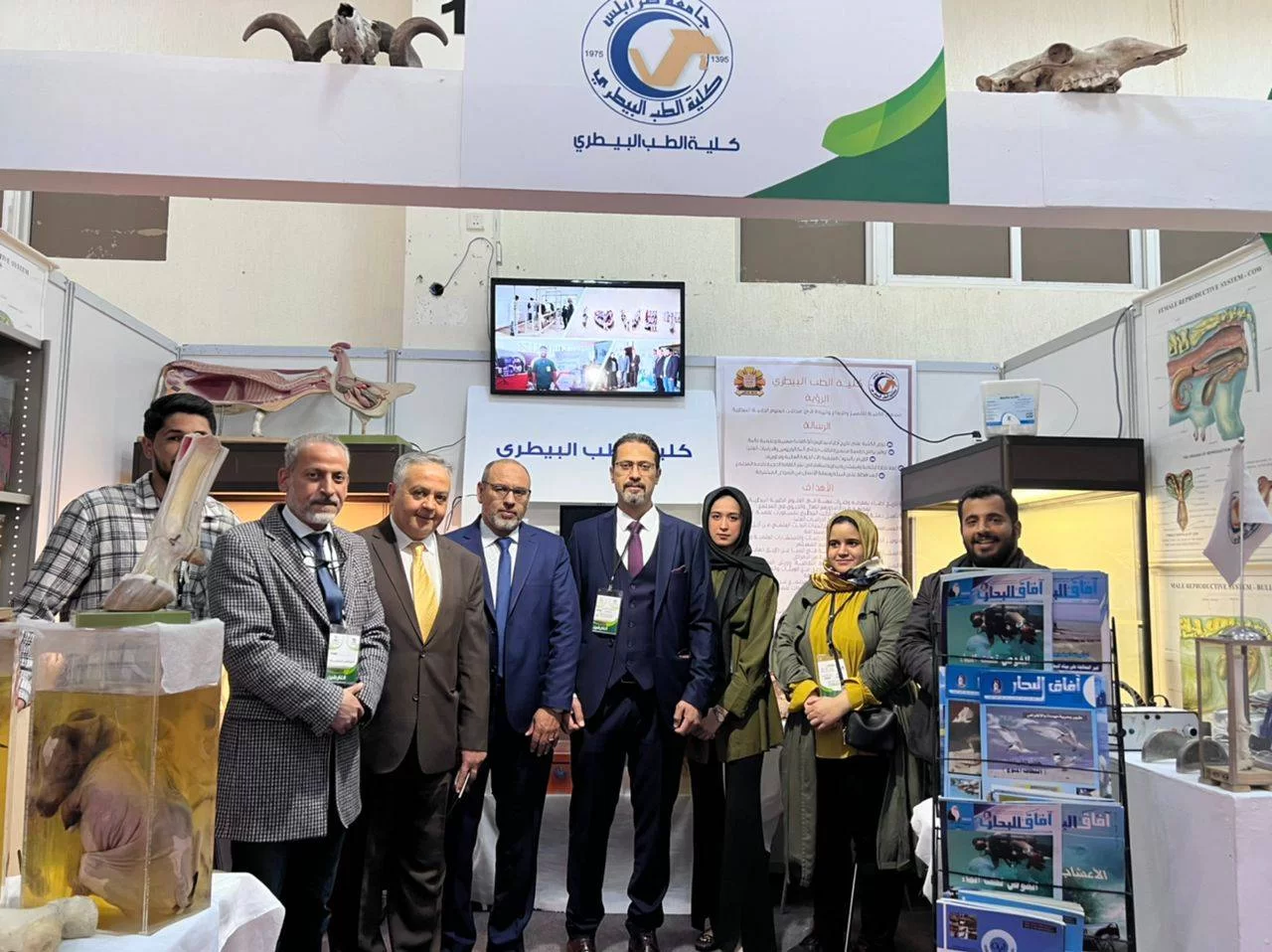
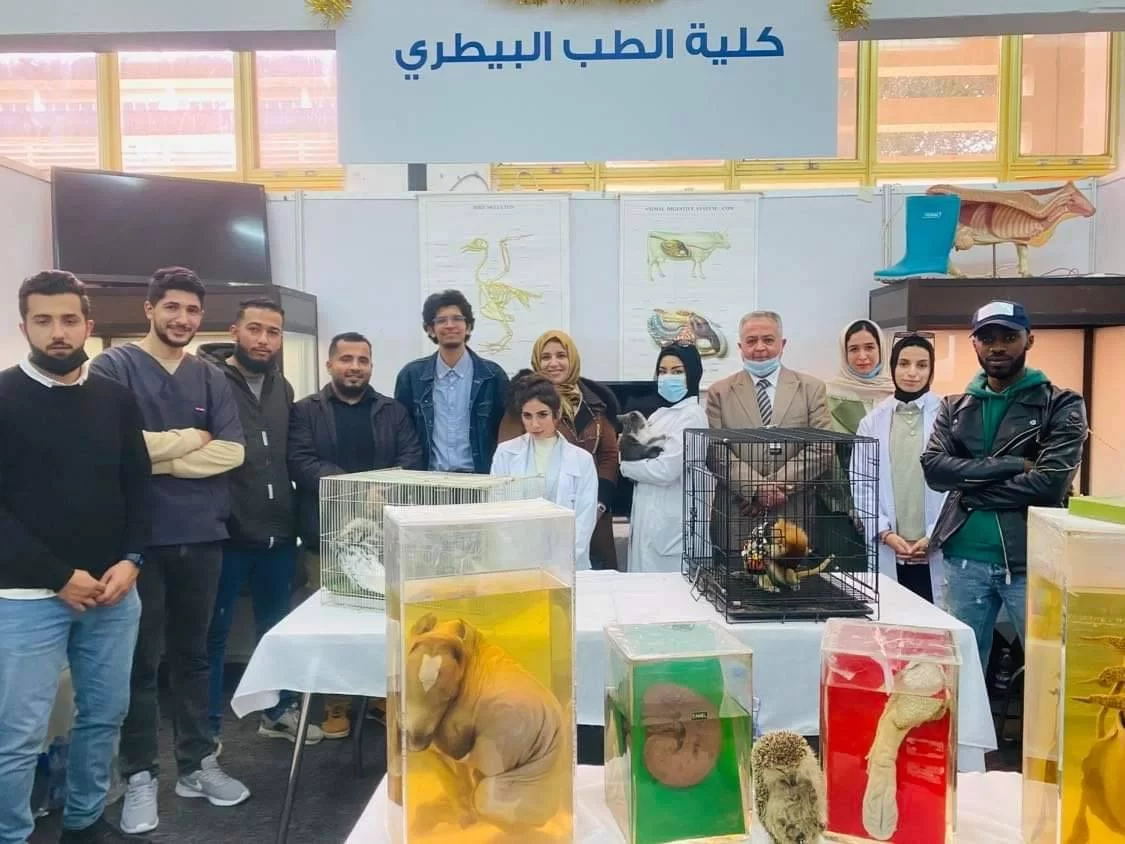
تأسست كلية الطب البيطري عام 1975م كأول كلية للطب البيطري في ليبيا. تعد الكلية من قلاع العلم و المعرفة الهامة بجامعة طرابلس ومؤسسة علمية تلبي إحتياجات المجتمع من الأطباء البيطريين وتساهم في دعم الإقتصاد الوطني من خلال العناية بصحة الحيوان وزيادة الإنتاج الحيواني والمحافظة على صحة الإنسان وحماية البيئة.

حقائق حول كلية الطب البيطري

نفتخر بما نقدمه للمجتمع والعالم

194

المنشورات العلمية

86

هيئة التدريس

245

الطلبة

23

الخريجون

البرامج الدراسية

ماجستير أمراض الدواجن
تخصص أمراض الدواجن

يُنفذ هذا البرنامج من خلال دراسة مقررات دراسية، بحيث لا يقل عدد وحداتها عن (24) وحدة دراسية، وأن لا تزيد عن (30) وحدة دراسية على مدى 3 فصول، بالإضافة إلى إنجاز رسالة بحثية...

التفاصيل

ماجستير أمراض الاسماك
تخصص أمراض الاسماك

يُنفذ هذا البرنامج من خلال دراسة مقررات دراسية، بحيث لا يقل عدد وحداتها عن (24) وحدة دراسية، وأن لا تزيد عن (30) وحدة دراسية على مدى 3 فصول، بالإضافة إلى إنجاز رسالة بحثية...

التفاصيل


من يعمل بـكلية الطب البيطري

يوجد بـكلية الطب البيطري أكثر من 86 عضو هيئة تدريس

staff photo

أ.د. أبوبكر محمد ميلاد قرباج

أبوبكر قرباج هو احد اعضاء هيئة التدريس بقسم الرقابة الصحية على الاغذية بكلية الطب البيطري. يعمل السيد أبوبكر قرباج بجامعة طرابلس كـأستاذ 1992 وله العديد من المنشورات العلمية في مجال تخصصه

منشورات مختارة

بعض المنشورات التي تم نشرها في كلية الطب البيطري

Successful Anatomical Access for Surgical Removing of the Distal Fracture of Splint Bones in Thoroughbred Horses (Case Study)

Poor performance in athletic horses due to musculoskeletal affections is very common in Libya. Two mature thoroughbred horses suffering from poor performance and history of moderate degree forelimb lameness were admitted to the Aswany Private Equine clinic in Tripoli, Libya. The study is aiming for presenting a simple, time effective, cost effective surgical procedure to treat distal simple splint bone fracture in thoroughbred horses. Horses were examined thoroughly for the common muscle, hoof, and tendons affections. A progressed unilateral left forelimb swelling involving the lateral distal part of the fourth metacarpal bones was noticed. Three radiographs were taken to each horse including latero- medial, dorsolateral-palmaromedial, and palmarolateral-dorsomedial views to assess both splint bones. The radiographs showed that there is a complete fracture involving the distal extremity (button) of the fourth metacarpal bones. Surgical excisions of the fractured part of the splint bones have been decided to treat these horses. To precisely locate the site of the bone fragments, 1.5 mm stainless steel wires were placed over the distal part of splint prior to taking the radiographs. The surgical sites were aseptically prepared, and the horses were then sedated via intravenous injection of xylazine at a dose rate of 1 mg/kg body weight. The site of surgical incision was infiltrated with 2% lidocaine. The bone fragments were then removed after performing the surgical incision. The sharp end at the distal end of the proximal part of the splint bone was then smoothening with a scissor. The surgical incisions were then routinely closed and the post-operative care and radiographs were taken. The surgical incision made complete healing within two weeks. Both horses were followed up for up to three years post-operation, and they did well compared to what has been done in other studies. We concluded that the surgical technique used to treat the two horses with splint bone fracture enrolled in the current study is a simple and effective procedure. arabic 19 English 106
Mohamed H. Abushhiwa, Osma K Sawesi, Khaled A. Milad, Aiman. A. Shalgum, Abdulrhman Mohamed Salah Alrtib(9-2019)
Publisher's website

Sero-prevalence and epidemiology of peste des petits ruminants in Libya

We conducted a cross-sectional study during 2013 to quantify the serological prevalence of peste des petits ruminants (PPR) infection and to investigate host factors associated with PPR infection in small ruminants in Libya. A two-stage sampling design was carried out. A total number of 148 flocks owning at least 100 heads each were randomly selected. Sixteen to forty-eight samples were collected from each selected flock. A total number of 3,508 serum samples from unvaccinated animals were collected and analysed at IZSLER Brescia, Italy, by using competitive ELISA, IDvet innovative diagnostics (IDvet 310, France). The overall serological prevalence among SR was 33% (95% CI: 31.4–34.5). Significant differences between the prevalence in the geographical branches were observed. The lowest prevalence level was observed in Zawiyah branch (16.1%), whereas the highest value was obtained for the Sabha branch (56.8%). Considering the age, a serological prevalence of 24.7%, 31.5% and 42.1% was observed in SR
Abdulwahab Kammon, A. Dayhum, M. Sharif, I. Eldaghayes, P. Calistri, M. L. Danzetta, D. Di Sabatino , A. Petrini, G. Ferrari, S. Grazioli, G. Pezzoni, E. Brocchi(3-2017)
Publisher's website

How are countries prepared to combat the COVID-19 pandemic during the armed conflict? the case of Libya

Since its emergence, COVID-19 has greatly affected all aspects of life, and no country can be considered safe. Furthermore, it has resulted in great consequences, politically, economically, socially, and even ethically, which will be difficult to contain. Even highly developed countries have struggled to tackle this pandemic, and not all COVID-19 death cases were accurately reported. Strikingly, countries that reported the lowest numbers of cases at the early stage of the pandemic are the poorest and have the least resilient health systems, often ravished by civil war such as Libya, Sudan, Syria, and Yemen [1]. In Libya, the ability to react to the crisis is in doubt because of civil war and internal disarray. The health care system has been seriously affected, the country is divided, and two counterattack governments were appointed. The Ready Score parameter recommended by the WHO's Joint External Evaluation (JEE) applied to determine, stop, and prevent epidemics
Daw MA, Ahmed MO, ET AL.(1-2021)
Publisher's website

قناة كلية الطب البيطري

بعض الفيديوات التي تعرض مناشط كلية الطب البيطري

اطلع علي المزيد