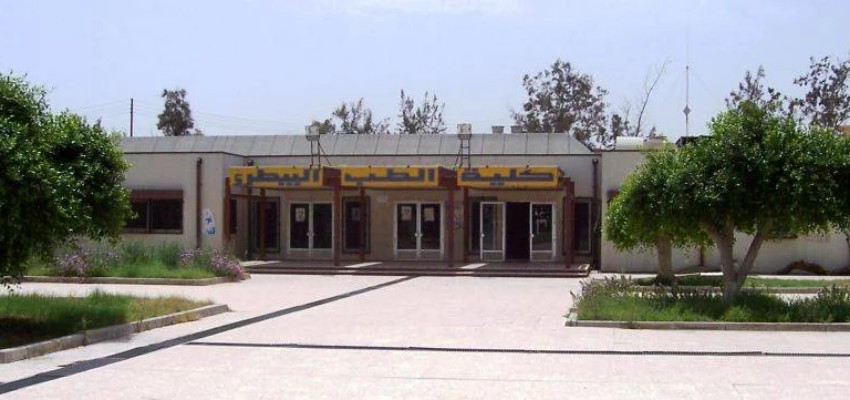
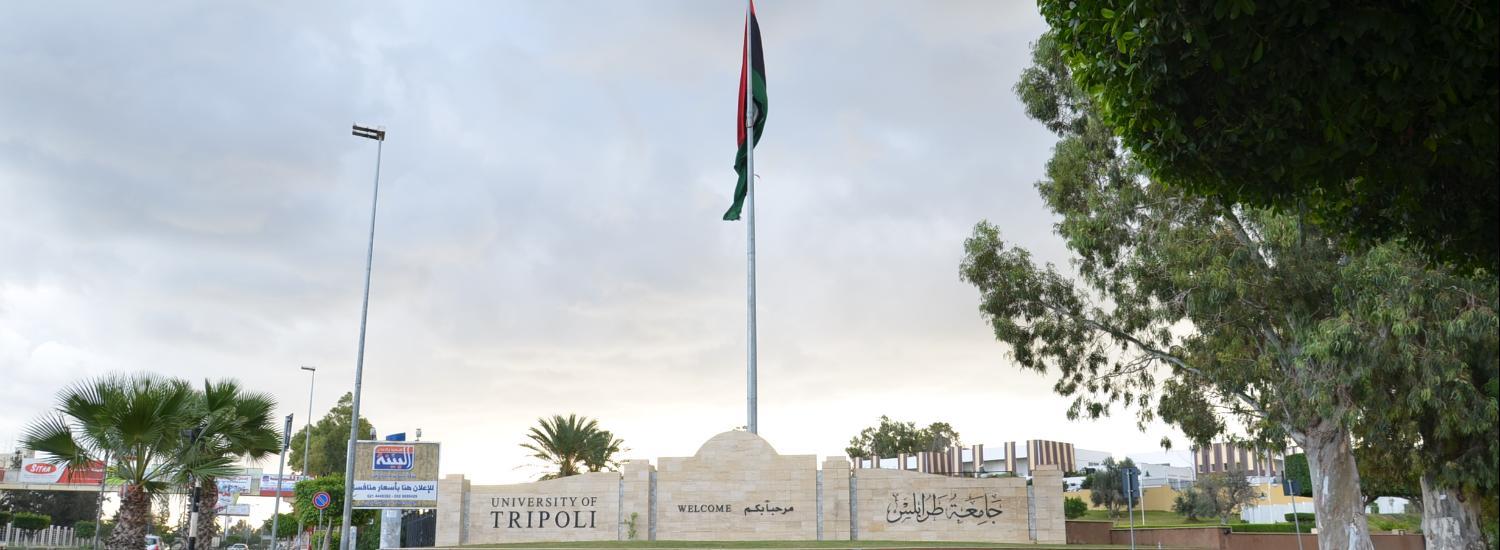
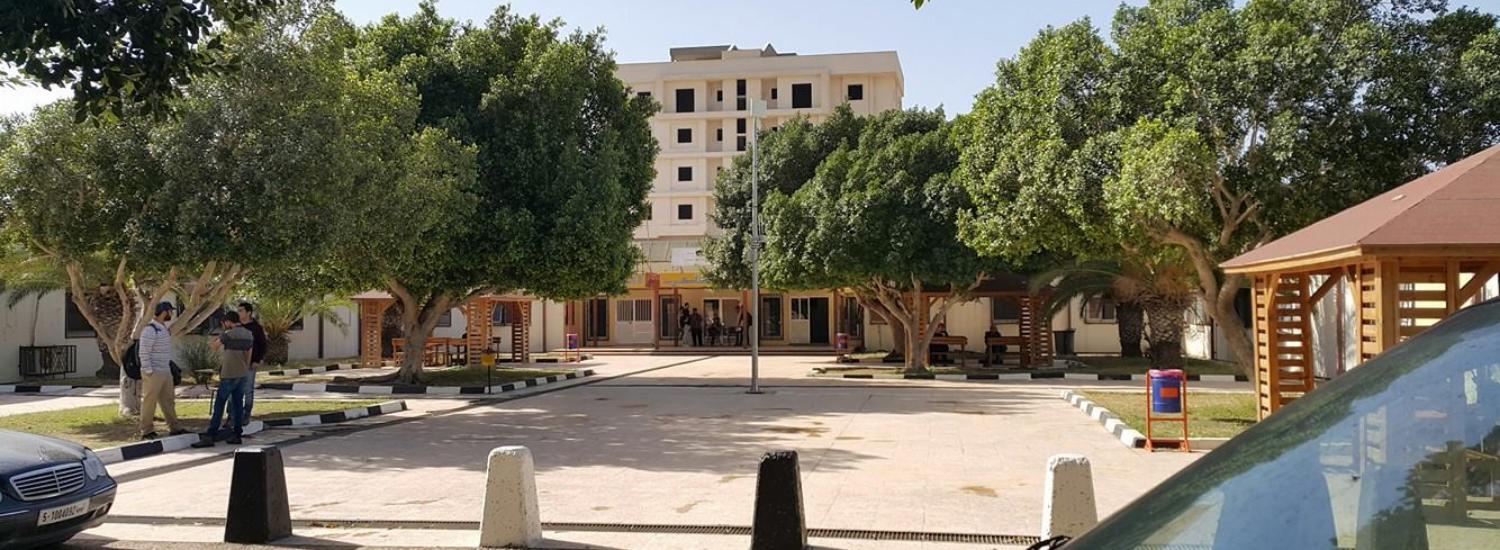
كلية الطب البيطري

المزيد ...

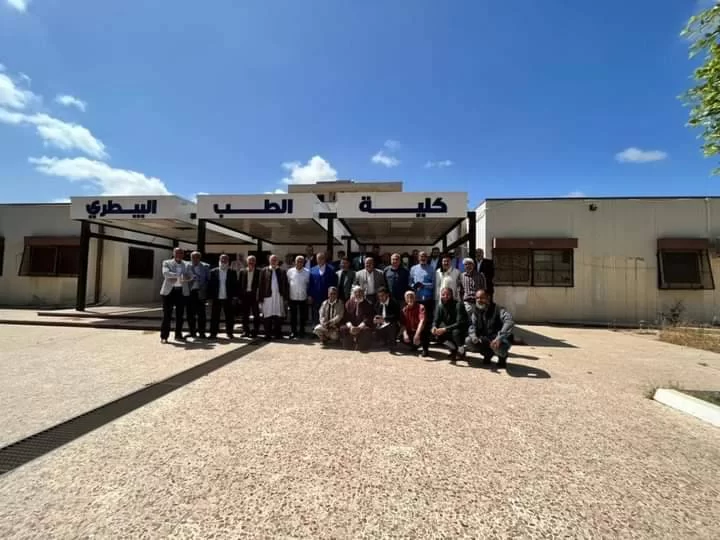
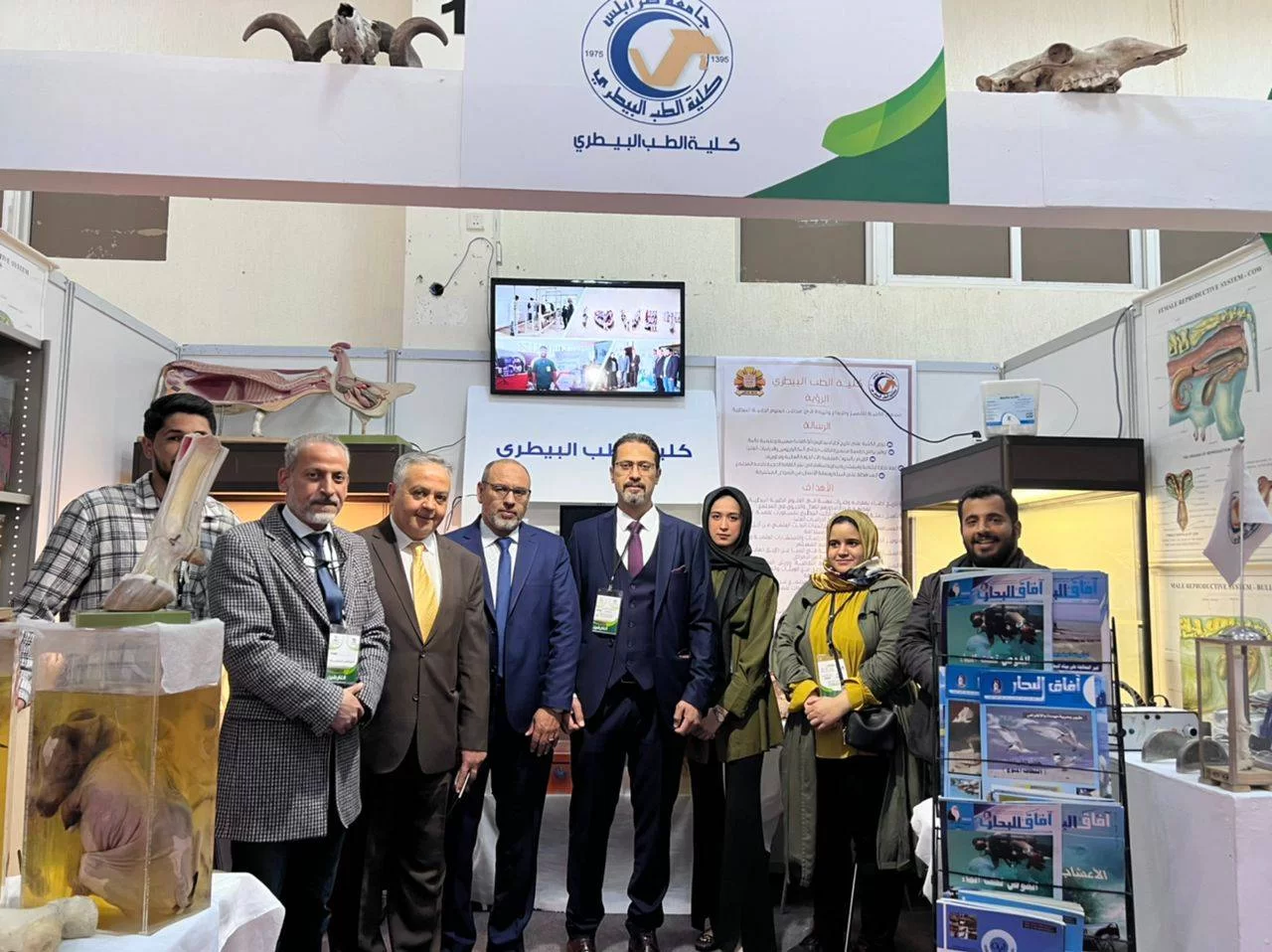
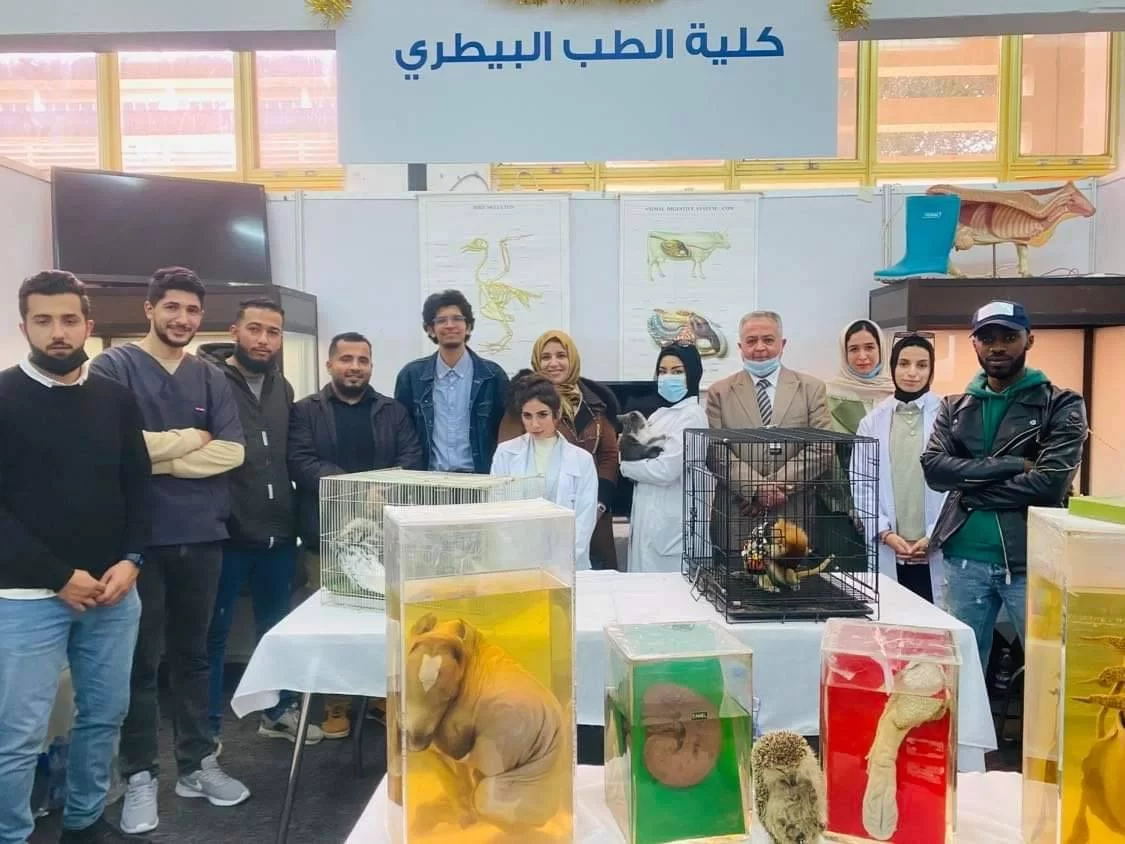
حول كلية الطب البيطري

تأسست كلية الطب البيطري عام 1975م كأول كلية للطب البيطري في ليبيا. تعد الكلية من قلاع العلم و المعرفة الهامة بجامعة طرابلس ومؤسسة علمية تلبي إحتياجات المجتمع من الأطباء البيطريين وتساهم في دعم الإقتصاد الوطني من خلال العناية بصحة الحيوان وزيادة الإنتاج الحيواني والمحافظة على صحة الإنسان وحماية البيئة.

حقائق حول كلية الطب البيطري

نفتخر بما نقدمه للمجتمع والعالم

194

المنشورات العلمية

86

هيئة التدريس

245

الطلبة

23

الخريجون

البرامج الدراسية

ماجستير أمراض الدواجن
تخصص أمراض الدواجن

يُنفذ هذا البرنامج من خلال دراسة مقررات دراسية، بحيث لا يقل عدد وحداتها عن (24) وحدة دراسية، وأن لا تزيد عن (30) وحدة دراسية على مدى 3 فصول، بالإضافة إلى إنجاز رسالة بحثية...

التفاصيل

ماجستير أمراض الاسماك
تخصص أمراض الاسماك

يُنفذ هذا البرنامج من خلال دراسة مقررات دراسية، بحيث لا يقل عدد وحداتها عن (24) وحدة دراسية، وأن لا تزيد عن (30) وحدة دراسية على مدى 3 فصول، بالإضافة إلى إنجاز رسالة بحثية...

التفاصيل

من يعمل بـكلية الطب البيطري

يوجد بـكلية الطب البيطري أكثر من 86 عضو هيئة تدريس

staff photo

أ. فتحي علي عبدالسلام الطبال

فتحي هو احد اعضاء هيئة التدريس بقسم الرقابة الصحية على الاغذية بكلية الطب البيطري. يعمل السيد فتحي بجامعة طرابلس كـمحاضر مساعد منذ 2013-09-10 وله العديد من المنشورات العلمية في مجال تخصصه

منشورات مختارة

بعض المنشورات التي تم نشرها في كلية الطب البيطري

Identification of phenolic compounds, antibacterial and antioxidant activities of raisin extracts

Abstract In this study, antibacterial, antioxidant and phenolic compounds of raisin extracts was evaluated. Different solvent extraction methods were utilized to extract phenolic compounds from raisin. The phenolic compounds of raisin extracts was determined using HPLC and three compounds were found, catechin, quercetin and rutin. The antibacterial activity of the acetonic extract was tested against four bacterial pathogens viz. Staphylococcus aureus, Pseudomonas aeroginosa, Salmonella typhimurium and Escherichia coli using both disk diffusion and minimum inhibitory concentration (MIC) methods. The acetonic extract exhibited the highest activity against Staphylococcus aureus with zone of inhibition of 14mm and the MIC of 25 mg/ml. However, there was a little activity against E. coli and S. typhimurium. The methanolic extract showed good antioxidant activity as indicated by 2,2-diphenyl-1-picrylhydrazyl free radical assay (DPPH). In conclusion, raisin contains potent phenolic compounds and their application might function as promising natural preservative and antimicrobial agents in food industry and also good antioxidant food that helps to minimize the risk of degenerative diseases. arabic 11 English 86
Abdulwahab Kammon, Yousef M. Abouzeed, Faraj Zgheel, Abdurrezagh Abdalla Elfahem, Mohammed Saad Almagarhe, Abdulgader Dhawi, Abdulkareem Elbaz, Murad A. Hiblu, Mohamed O. Ahmed (12-2018)
Publisher's website

Covid-19 Vaccination Hesitancy: Preliminary Questionnaire Survey of Knowledge and Attitudes in Libya

Background: The pre-vaccination survey is considered an important tool for assessing and evaluating knowledge, attitudes and determine vaccine hesitancy. Throughout many decades the world had faced a challenge in fighting against the endemic, epidemic, and pandemic diseases that have been emerging and re-emerging special those that constitute a great potential risk on humanity’s life. Still, after more than one year and half of scientific milestones of COVID-19 pandemic, there are many countries scarifying and struggling to mitigate the impacts of SARS-CoV-2 among their societies. Objectives: Our study was conduct to address, assessing and evaluate COVID-19 vaccine literacy (VL) prior to and during the vaccination campaign in Libya. Material and Methods: The cross-sectional questionnaire survey was conducted during April 2021 one week prior COVID-19 vaccination campaign in Libya. All relevant data was obtained and collected by online and face-to-face interview. The sampling method with an online Microsoft form questionnaire resulted in collecting only 33 valid questionnaires. Further, the survey carried out also during vaccination campaign however, any participants who had already taken the COVID-19 vaccine were not indorsed in questionnaire survey. Results: A total of 243 participants were involved in this study. The overall response rate (45.6%). This study enrolled (58.8%) and (41.2%) of participants from male and female respectively. Considering the age classes, the results revealed that (35%, 18-30 year), (43.6%, 31-50 year), (18.5%, 51-65 year) and (>65 year, 2.9%). The results revealed that, 29.2% (95% Confidence Interval (CI): 25%-33.44%) of the respondents were confirmed or suspected COVID-19 infection, while and 70.8% (95% CI: 66.56%-75%) participants were not sure if they had contracted the virus. Regarding the recurrent COVID-19 infection, our questionnaire survey reported that, at least 5.8% (95% CI: 3.60%-7.92%) of the respondents had got infected twice by SRAS-CoV-2. Regarding the currently available COVID-19 vaccines (Sputnik V, AstraZeneca and Sinovac) in the country, the vast majority (43.2%) of the participants, they would like to prefer the Sputnik V, followed by (19.3%) AstraZeneca and (2.5%) Sinovac vaccines, while (35%) of the respondents refused to be vaccinated by three of these vaccines that have been provided by the Libyan healthy authorities under the supervision of NCDC. A proximately 33% (95% CI: 28.56%-37.28%) of the respondents refused to be vaccinated due to mistrust in the vaccine safety. Clearly, the vaccine safety was the main cause for the refuse and delay time of the vaccination from the most of the population. Conclusion: Our study highlights that, the vaccine hesitancy is underestimated issue in Libya, and clearly there is misleading and misinformation about SARS-CoV-2 from unauthorized media sources. According to the metadata analysis of high efficacy, safety and successes of COVID-19 vaccines for mitigate and minimize both the case fatality rate (CFT) and transmission rate across the entire of the global, still there is a controversies around potential safety concerns of the COVID-19 vaccines. Urgently, the Libyan healthy authority needs to enforce the public health education about vaccine safety, and Libyan healthy authorities should be implement an effective vaccination strategies that complement with international standard criteria for the vaccination policy to improve the vaccination efficacy and the vaccine coverage rate. Consequently, The Libya national deployment and vaccination plan for the COVID-19 vaccine should implement National Immunization Technical Advisory Group (NITAG) in every municipality for collecting and processing information, and producing periodic reports during COVID-19 vaccination campaign.
Abdusalam Sharef Abdusalam Mahmoud(6-2021)
Publisher's website

Detection and molecular characterization of infectious laryngeotracheitis in laying hen in Libya

Detection and molecular characterization of infectious laryngeotracheitis in laying hen in Libya
Abdulatif Asheg(9-2013)
Publisher's website

قناة كلية الطب البيطري

بعض الفيديوات التي تعرض مناشط كلية الطب البيطري

اطلع علي المزيد