

كلية الطب البيطري

المزيد ...

حول كلية الطب البيطري

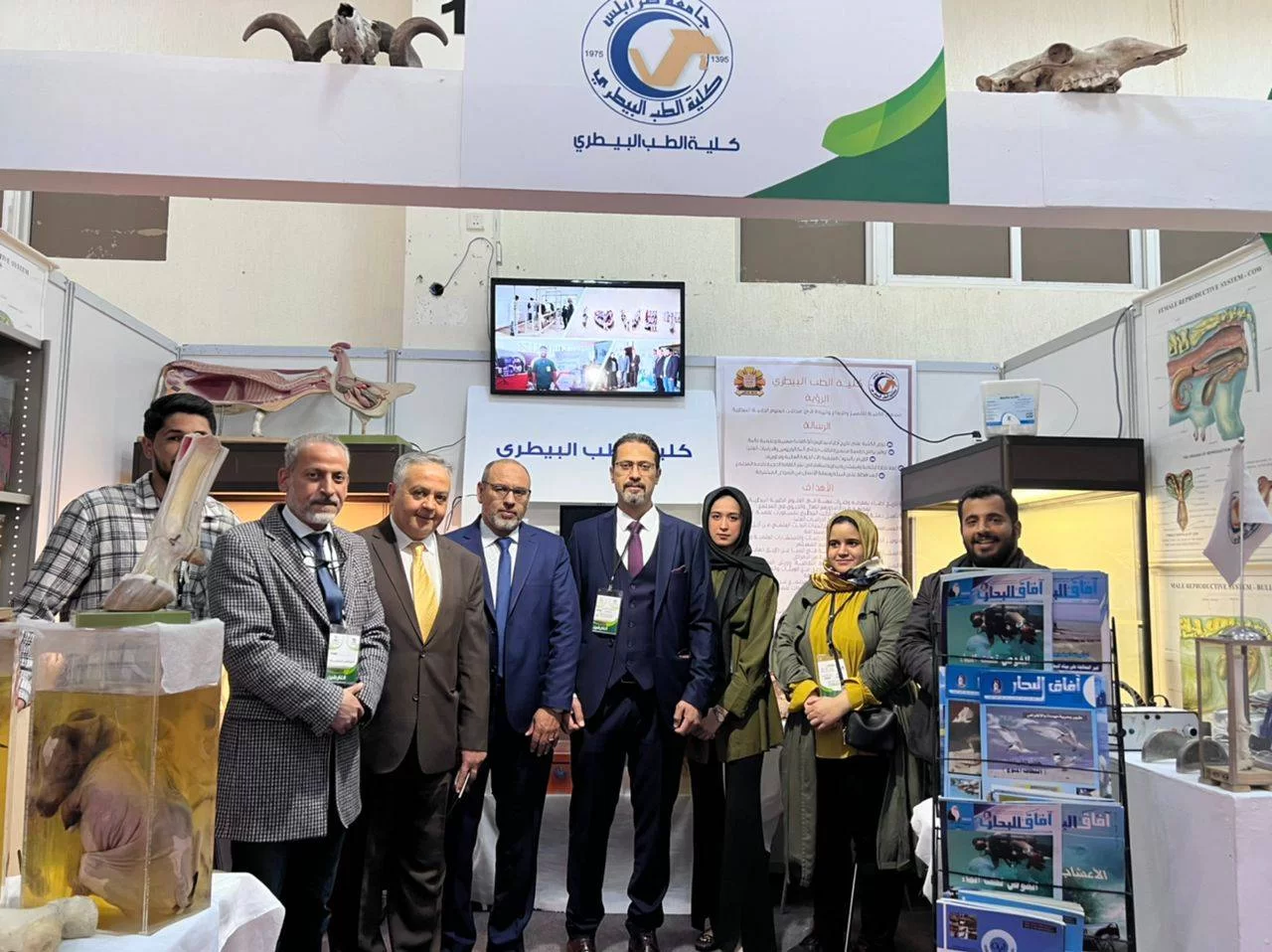
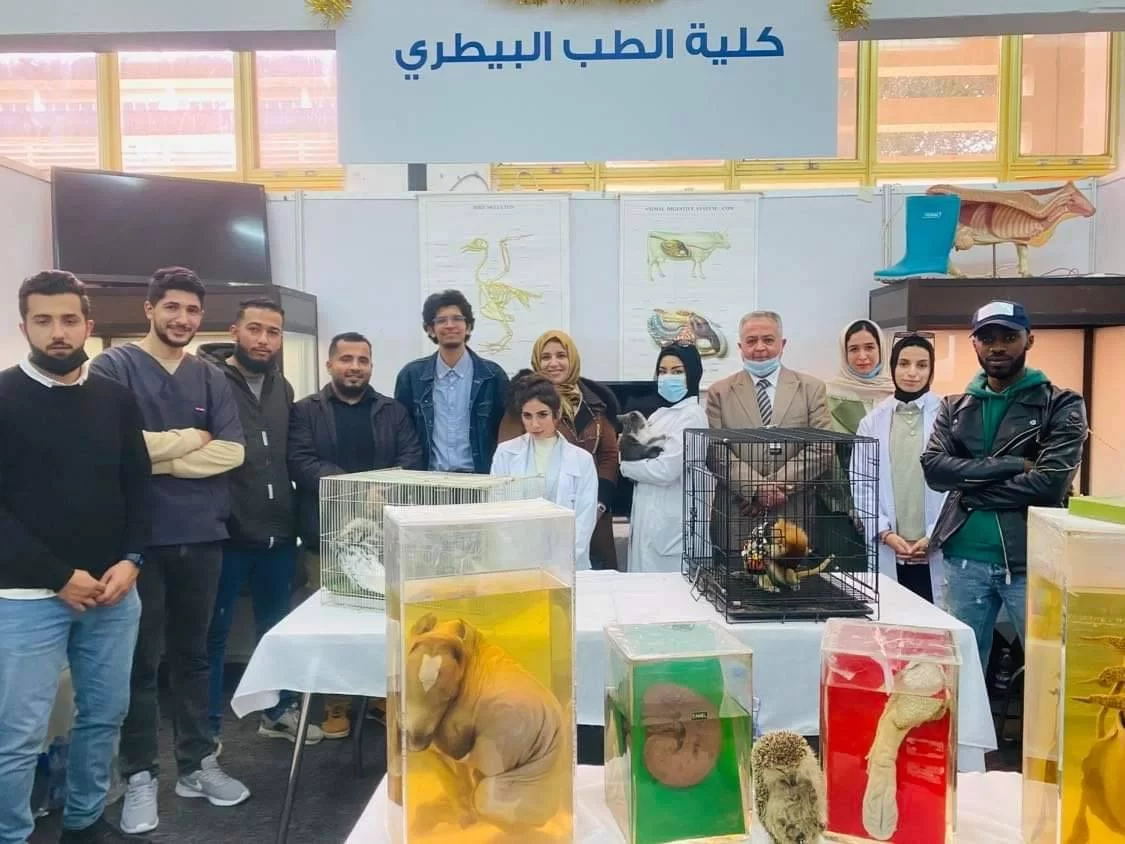
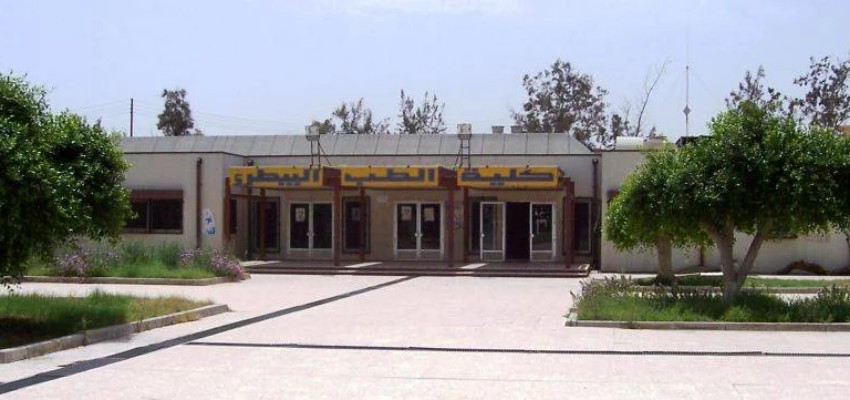
تأسست كلية الطب البيطري عام 1975م كأول كلية للطب البيطري في ليبيا. تعد الكلية من قلاع العلم و المعرفة الهامة بجامعة طرابلس ومؤسسة علمية تلبي إحتياجات المجتمع من الأطباء البيطريين وتساهم في دعم الإقتصاد الوطني من خلال العناية بصحة الحيوان وزيادة الإنتاج الحيواني والمحافظة على صحة الإنسان وحماية البيئة.

حقائق حول كلية الطب البيطري

نفتخر بما نقدمه للمجتمع والعالم

194

المنشورات العلمية

86

هيئة التدريس

245

الطلبة

23

الخريجون

البرامج الدراسية

ماجستير أمراض الدواجن
تخصص أمراض الدواجن

يُنفذ هذا البرنامج من خلال دراسة مقررات دراسية، بحيث لا يقل عدد وحداتها عن (24) وحدة دراسية، وأن لا تزيد عن (30) وحدة دراسية على مدى 3 فصول، بالإضافة إلى إنجاز رسالة بحثية...

التفاصيل

ماجستير أمراض الاسماك
تخصص أمراض الاسماك

يُنفذ هذا البرنامج من خلال دراسة مقررات دراسية، بحيث لا يقل عدد وحداتها عن (24) وحدة دراسية، وأن لا تزيد عن (30) وحدة دراسية على مدى 3 فصول، بالإضافة إلى إنجاز رسالة بحثية...

التفاصيل

من يعمل بـكلية الطب البيطري

يوجد بـكلية الطب البيطري أكثر من 86 عضو هيئة تدريس

staff photo

أ.د. عمرى ميلاد محمد أبوعرقوب

عمرى ميلاد أبوعرقوب هو احد اعضاء هيئة التدريس بقسم الامراض الباطنية بكلية الطب البيطري. يعمل السيد عمرى ميلاد أبوعرقوب بجامعة طرابلس كـأستاذ منذ 2006-04-01 وله العديد من المنشورات العلمية في مجال تخصصه

منشورات مختارة

بعض المنشورات التي تم نشرها في كلية الطب البيطري

Vancomycin-Resistant Enterococci: A Review of Antimicrobial Resistance Mechanisms and Perspectives of Human and Animal Health

Vancomycin-resistant enterococci (VRE) are both of medical and public health importance associated with serious multidrug-resistant infections and persistent colonization. Enterococci are opportunistic environmental inhabitants with a remarkable adaptive capacity to evolve and transmit antimicrobial-resistant determinants. The VRE gene operons show distinct genetic variability and apparently continued evolution leading to a variety of antimicrobial resistance phenotypes and various environmental and livestock reservoirs for the most common van genes. Such complex diversity renders a number of important therapeutic options including "last resort antibiotics" ineffective and poses a particular challenge for clinical management. Enterococci resistance to glycopeptides and multidrug resistance warrants attention and continuous monitoring.
Mohamed O. Ahmed , Keith E Baptiste (6-2017)
Publisher's website

Prevalence of Antimicrobial Resistance Patterns of Escherichia coli Faecal Isolates of Cattle

A total of 154 of Escherichia coli (E. coli) isolates were isolated from faecal specimens of healthy cattle (n=100). Serotyping of 154 E. coli isolates indicated that 112 (72.72%) isolates were typeable, 28 (18.18%) untypeable and 14 (9.09%) were rough. The most predominant serotype observed was O22 followed by O56, O60, O120 and O1. Antibiogram pattern using a total of 25 different antibiotics indicated that high resistant was present against clindamycin, metronidazole and penicillin followed by cephalothin, neomycin, kanamycin, cephalexin, streptomycin, furazolidone and tetracycline antibiotics. The amplification of tet(A) and tet(B) resistant determinants by PCR resulted in generation of 372bp and 228, respectively. The tet(A) gene was predominant gene compared to tet(B) gene. This study using pheno-genotypic characterization indicated the presence of antimicrobial resistant E. coliisolates amongst healthy cattle, emphasizing that effective strategy should be applied to persist the efficiency along with ideal usage of novel antibiotics though minimizing the risk of antibiotic resistant bacteria. arabic 11 English 82
Abdusalam Sharef Abdusalam Mahmoud(3-2020)
Publisher's website

Molecular Identification, Prevalence and Antimicrobial Susceptibility Profile of Cronobacter spp. Cultivated on a Chromogenic Medium in Libya

Background: Cronobacter sakazakii is associated with illness in infants from contaminated powdered infant formula (PIF) and it is frequently recovered from PIF factory environment. Limited information is available on contamination of other food such as dairy and meat products in Libya. Methods and findings: A total of 261 samples of milk, dairy products and coarse ground meat products were collected from different localities in Libya. Samples were examined for Cronobacter spp. with an adapted ISO /DTS 22964 cultural protocol using HiChrome™ Enterobacter sakazakii modified agar coupled with 16S rDNA partial sequencing to identify the organism. The identified isolates were biochemically characterized and tested for their ability to produce yellow pigment. Out of the 261 analyzed samples, only two beef burgers, one fermented milk “Laban”, one she-camel’s milk, two raw cow’s milk, two cereal baby food, one Maassora cheese and one ready to feed baby milk were contaminated with Cronobacter spp. at a total rate of 3.8%. Accuracy of HiChrome Ent. sakazakii modified agar reach 100% as all of blue-green presumptive colonies were confirmed Cronobacter spp. while other colorless, greenish or with blue center colonies which competed growth with Cronobacter spp. were predominantly Escherichia coli followed by Klebsiella spp. and to less extent Pseudomonas luteola, Citrobacter freundii and Acinetobacter baumanii. Moreover, the isolated strains of Cronobacter were resistant to Amoxicillin, Erythromycin, Vancomycin and Streptomycin, and sensitive to Doxycycline, Enrofloxacin and Gentamycin. Conclusion: This study documents for the first time the occurrence of Cronobacter spp. in beef burger, raw cow’s milk, fermented milk “Laban”, she-camel’s milk, Maassora cheese, cereal baby food and ready to feed baby milk sold in Libya, by using conventional methods, biochemical tests and molecular techniques.
Ibrahim Eldaghayes(12-2017)
Publisher's website

قناة كلية الطب البيطري

بعض الفيديوات التي تعرض مناشط كلية الطب البيطري

اطلع علي المزيد