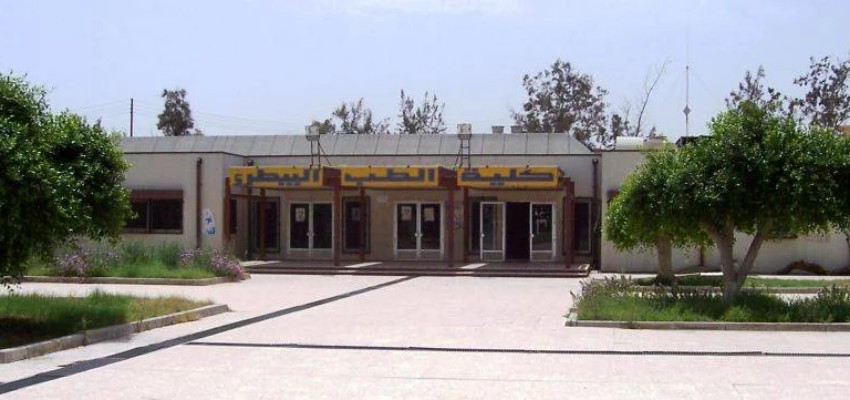
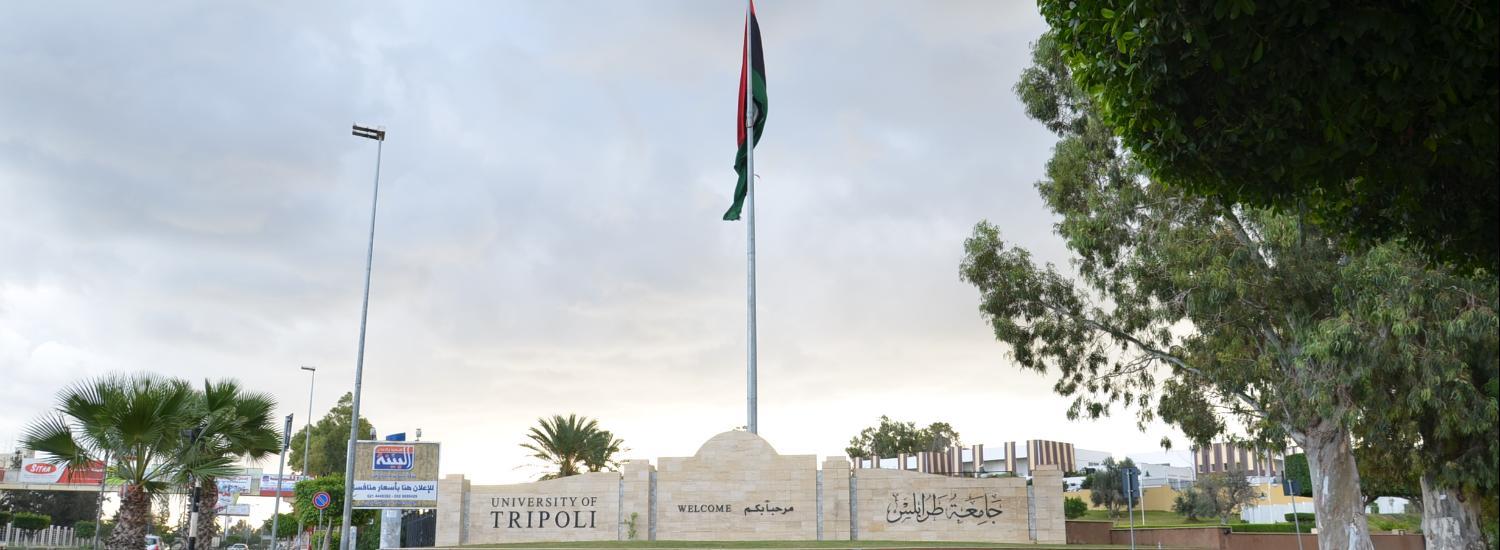
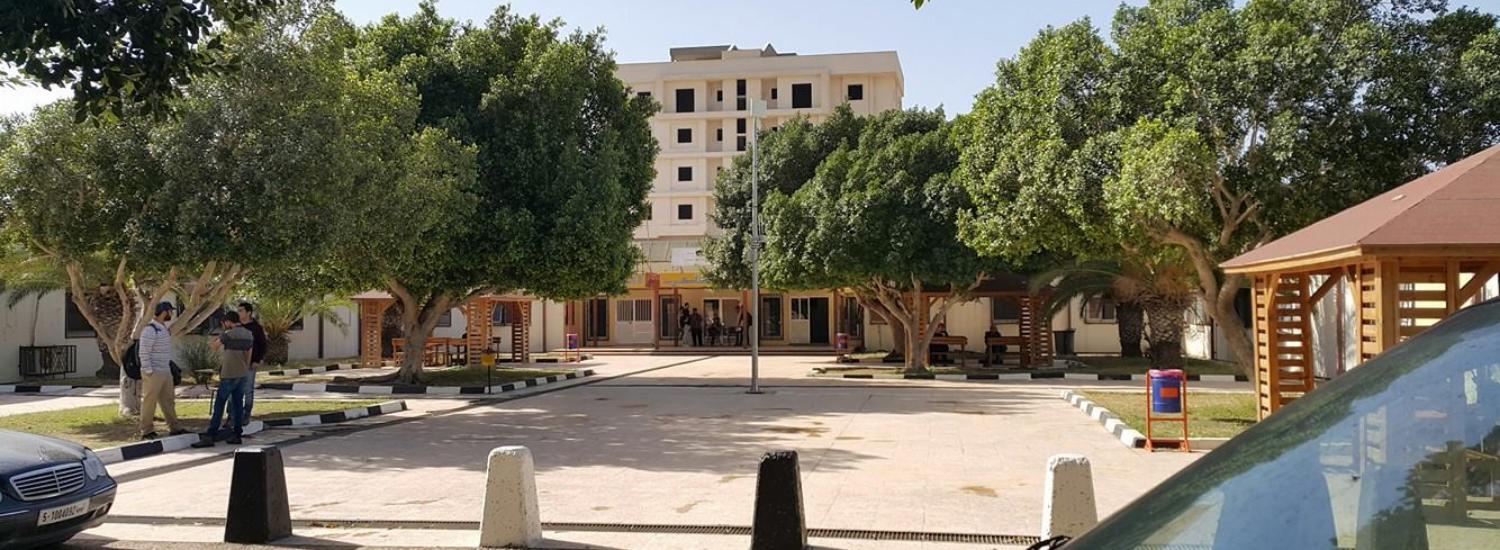
كلية الطب البيطري

المزيد ...

حول كلية الطب البيطري

تأسست كلية الطب البيطري عام 1975م كأول كلية للطب البيطري في ليبيا. تعد الكلية من قلاع العلم و المعرفة الهامة بجامعة طرابلس ومؤسسة علمية تلبي إحتياجات المجتمع من الأطباء البيطريين وتساهم في دعم الإقتصاد الوطني من خلال العناية بصحة الحيوان وزيادة الإنتاج الحيواني والمحافظة على صحة الإنسان وحماية البيئة.

حقائق حول كلية الطب البيطري

نفتخر بما نقدمه للمجتمع والعالم

194

المنشورات العلمية

86

هيئة التدريس

245

الطلبة

23

الخريجون

البرامج الدراسية

ماجستير أمراض الدواجن
تخصص أمراض الدواجن

يُنفذ هذا البرنامج من خلال دراسة مقررات دراسية، بحيث لا يقل عدد وحداتها عن (24) وحدة دراسية، وأن لا تزيد عن (30) وحدة دراسية على مدى 3 فصول، بالإضافة إلى إنجاز رسالة بحثية...

التفاصيل

ماجستير أمراض الاسماك
تخصص أمراض الاسماك

يُنفذ هذا البرنامج من خلال دراسة مقررات دراسية، بحيث لا يقل عدد وحداتها عن (24) وحدة دراسية، وأن لا تزيد عن (30) وحدة دراسية على مدى 3 فصول، بالإضافة إلى إنجاز رسالة بحثية...

التفاصيل


من يعمل بـكلية الطب البيطري

يوجد بـكلية الطب البيطري أكثر من 86 عضو هيئة تدريس

staff photo

أ.د. أبوبكر محمد ميلاد قرباج

أبوبكر قرباج هو احد اعضاء هيئة التدريس بقسم الرقابة الصحية على الاغذية بكلية الطب البيطري. يعمل السيد أبوبكر قرباج بجامعة طرابلس كـأستاذ 1992 وله العديد من المنشورات العلمية في مجال تخصصه

منشورات مختارة

بعض المنشورات التي تم نشرها في كلية الطب البيطري

Investigating the Presence of Antibodies against Chicken Infectious Anemia Virus in Libya using the Enzyme-Linked Immunosorbent Assay

as attached
Abdulwahab Kammon(1-2022)
Publisher's website

Alkaloids rich extracts from brown algae against multi-drug resistant bacteria by distinctive mode of action.

Algal alkaloids are widely used for their pharmacological properties as antimicrobial agents. This study determined the antibacterial activities of algal alkaloid-rich extracts against isolates of multidrug-resistant Staphylococcus aureus and enterohaemorrhagic Escherichia coli (EHEC) O157, as well as the probable mode of action underlying their antibacterial effect. The total alkaloids were extracted from two Libyan brown algae, namely Sargassum hornschuchii and Cystoseira compressa and tested against six different isolates from the bacteria mentioned above using the agar-well diffusion method, and their mode of action on isolates was evaluated by several bacterial physiological indicators, including intracellular potassium ion efflux and nucleotide leakage. Also, the extracts' hemolytic activity was assessed as an indicator of their cytotoxicity on red blood cells. Although not to the same extent, both alkaloid extracts presented antibacterial activities against all tested isolates with no evidence of bacterial regrowth. The alkaloid extract from S. hornschuchii exerted the best effect on bacteria growth with minimum inhibitory concentration values ranging between 125 and 500 mg/mL. The results showed that the alkaloid extracts significantly induced a distinct release of nucleotide and potassium ions out of the cell membrane, indicating that they cause a change in the fluidity or permeability or both of the cell membrane. Moreover, the results revealed that there were very low cytotoxic effects. Therefore, algal alkaloids may contribute to the development of potential antibacterial agents in the future.
Salah M. Azwai(1-2021)
Publisher's website

Rift valley fever in Africa with the emerging interest in Libya

Rift valley fever (RVF) is an acute vector-borne viral zoonotic disease of domestic and wild ruminants. The RVF virus (RVFV) belonging to the Phlebovirus genus of the Bunyaviridae family causes this disease. Studies have shown that mosquitoes are the vectors that transmit RVFV. Specifically, Aedes and Culex mosquito species are among the many vectors of this virus, which affects not only sheep, goats, buffalo, cattle, and camels but also human beings. Since the 30s of the last century, RVF struck Africa, and to a lesser extent, Asian continents, with subsequent episodes of epizootic, epidemic, and sporadic outbreaks. These outbreaks, therefore, resulted in the cumulative loss of thousands of human lives, thereby disrupting the livestock market or only those with seropositive cases. After that outbreak episode, RVF was not reported in Libya until January 13, 2020, where it was reported for the 1st time in a flock of sheep and goats in the southern region of the country. Although insufficient evidence to support RVF clinical cases among the confirmed seropositive animals exists, neither human cases nor death were reported in Libya. Yet, the overtime expansion of RVF kinetics in the Libyan neighborhoods, in addition to the instability and security vacuum experienced in the country, lack of outbreak preparedness, and the availability of suitable climatic and disease vector factors, makes this country a possible future scene candidate for RVF expansion. Urgently, strengthening veterinary services (VS) and laboratory diagnostic capacities, including improvement of monitoring and surveillance activity programs, should be implemented in areas at risk (where imported animals crossing borders from Libyan neighborhoods and competent vectors are found) at national, sub-national, and regional levels. The Libyan government should also implement a tripartite framework (one health approach) among the veterinary public health, public health authority, and environmental sanitation sectors to implement RVF surveillance protocols, along with an active partnership with competent international bodies (OIE, FAO, and WHO). Therefore, this review comprises the most updated data regarding the epidemiological situation of RVF infections and its socioeconomic impacts on African and Asian continents, and also emphasize the emerging interest of RVF in Libya
Abdusalam Sharef Mahmoud(12-2021)
Publisher's website

قناة كلية الطب البيطري

بعض الفيديوات التي تعرض مناشط كلية الطب البيطري

اطلع علي المزيد