كلية الطب البيطري

المزيد ...

حول كلية الطب البيطري

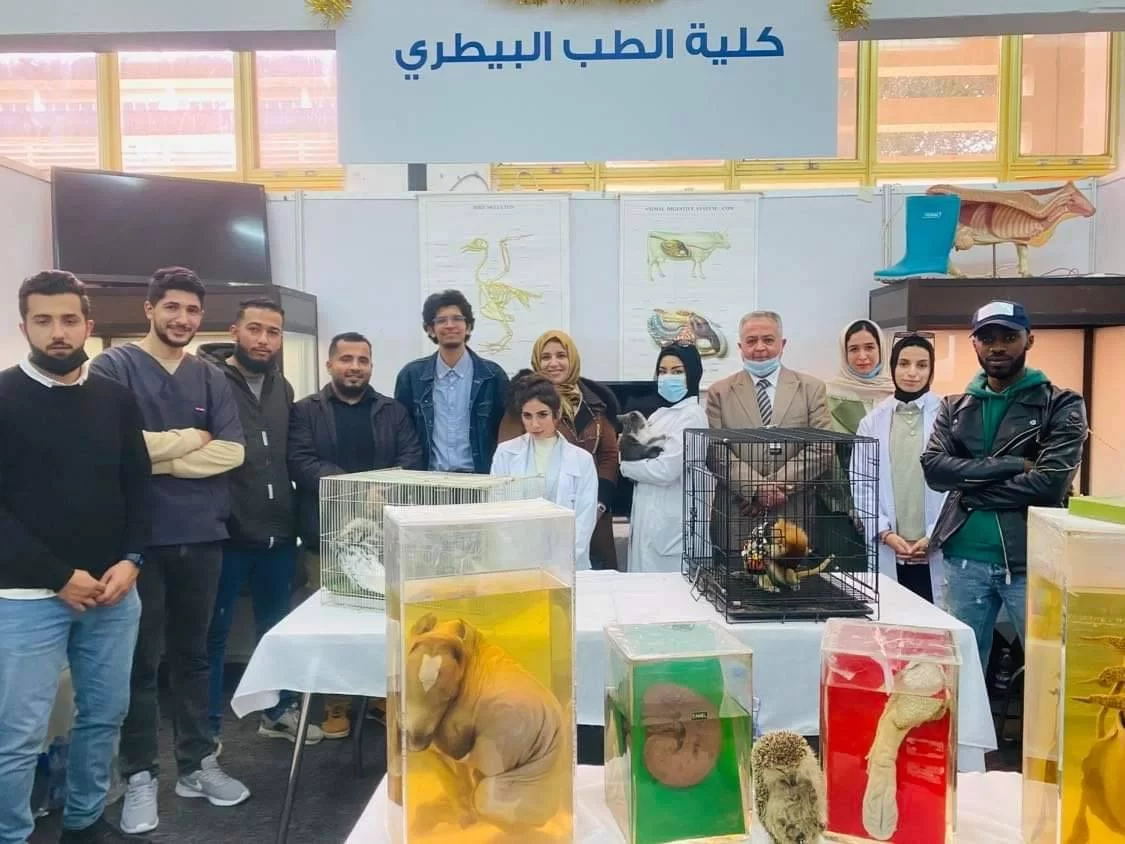
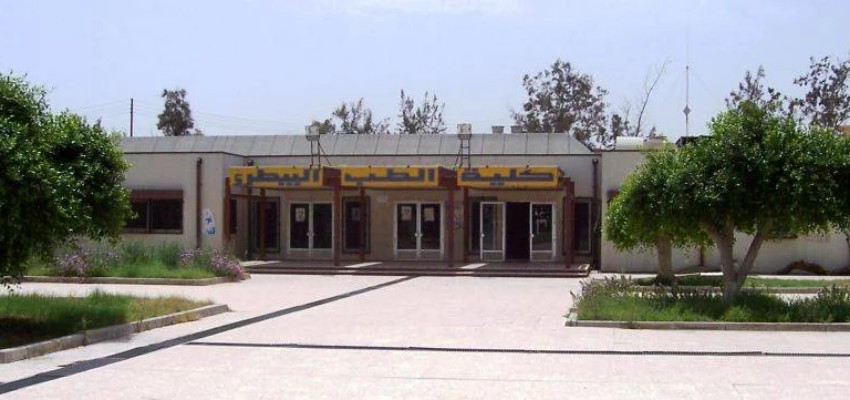
تأسست كلية الطب البيطري عام 1975م كأول كلية للطب البيطري في ليبيا. تعد الكلية من قلاع العلم و المعرفة الهامة بجامعة طرابلس ومؤسسة علمية تلبي إحتياجات المجتمع من الأطباء البيطريين وتساهم في دعم الإقتصاد الوطني من خلال العناية بصحة الحيوان وزيادة الإنتاج الحيواني والمحافظة على صحة الإنسان وحماية البيئة.

حقائق حول كلية الطب البيطري

نفتخر بما نقدمه للمجتمع والعالم

194

المنشورات العلمية

86

هيئة التدريس

245

الطلبة

23

الخريجون

البرامج الدراسية

ماجستير أمراض الدواجن
تخصص أمراض الدواجن

يُنفذ هذا البرنامج من خلال دراسة مقررات دراسية، بحيث لا يقل عدد وحداتها عن (24) وحدة دراسية، وأن لا تزيد عن (30) وحدة دراسية على مدى 3 فصول، بالإضافة إلى إنجاز رسالة بحثية...

التفاصيل

ماجستير أمراض الاسماك
تخصص أمراض الاسماك

يُنفذ هذا البرنامج من خلال دراسة مقررات دراسية، بحيث لا يقل عدد وحداتها عن (24) وحدة دراسية، وأن لا تزيد عن (30) وحدة دراسية على مدى 3 فصول، بالإضافة إلى إنجاز رسالة بحثية...

التفاصيل

من يعمل بـكلية الطب البيطري

يوجد بـكلية الطب البيطري أكثر من 86 عضو هيئة تدريس

staff photo

د. عبدالسلام علي ابومهاره ابومهاره

عبدالسلام هو احد اعضاء هيئة التدريس بقسم أمراض الدواجن والاغنام بكلية الطب البيطري. يعمل السيد عبدالسلام بجامعة طرابلس كـاستاذ مساعد منذ 2017-09-06 وله العديد من المنشورات العلمية في مجال تخصصه

منشورات مختارة

بعض المنشورات التي تم نشرها في كلية الطب البيطري

Characterization of Avian Influenza and Newcastle Disease Viruses from Poultry in Libya

On March 2013, the Libyan poultry industry faced severe outbreaks due to mixed infections of APMV-1 (Newcastle disease) and low pathogenic avian influenza (AI) of the H9N2 subtype which were causing high mortality and great economic losses. APMV-1 and H9N2 were isolated and characterized. Genetic sequencing of the APMV-1/chicken/Libya/13VIR/7225-1/2013 isolate revealed the presence of a velogenic APMV-1 belonging to lineage 5 (GRRRQKR*F Lin.5) or genotype VII in class II, according to the nomenclature in use. Three AI viruses of the H9N2 subtype, namely A/avian/Libya/13VIR7225-2/2013, A/avian/Libya/13VIR7225-3/2013, and A/avian/Libya/13VIR7225-5/2013, were isolated and found to belong to the G1 lineage. Analysis of amino acid sequences showed that the analyzed H9N2 viruses contained the amino acid Leu at position 226 (H3 numbering) at the receptor binding site of the HA, responsible for human virus-like receptor specificity. On March 2014, an outbreak of highly pathogenic avian influenza (HPAI) virus of the H5N1 subtype was diagnosed in a backyard poultry farm in an eastern region of Libya. The H5N1 isolate (A/chicken/Libya/14VIR2749-16/2014) was detected by real time RT-PCR (rRTPCR). Genetic characterization of the HA gene revealed that the identified subtype was highly pathogenic, belonged to the 2.2.1 lineage, and clustered with recent Egyptian viruses. This study revealed the presence of a velogenic APMV-1 genotype and of two influenza subtypes, namely HPAI H5N1 and H9N2, which are of major interest for public and animal health. Considering these findings, more investigations must be undertaken to establish and implement adequate influenza surveillance programs; this would allow better study of the epidemiology of APMV-1 genotype VII in Libya and evaluation of the current vaccination strategies.
Ibrahim Eldaghayes(5-2015)
Publisher's website

Suppressive effect of sulphadimidine on expression of major histocompatibility complex (MHC) in broiler chicken

major histocompatibility complex (MHC) arabic 15 English 96
Marwan Draid(7-2013)
Publisher's website

An outbreak of infectious laryngotracheitis in layer chickens in Libya

As attached
Abdulwahab Kammon(9-2010)
Publisher's website

قناة كلية الطب البيطري

بعض الفيديوات التي تعرض مناشط كلية الطب البيطري

اطلع علي المزيد