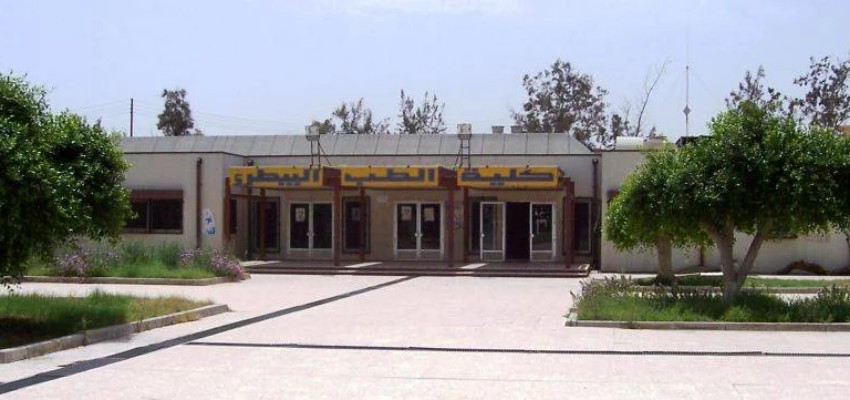
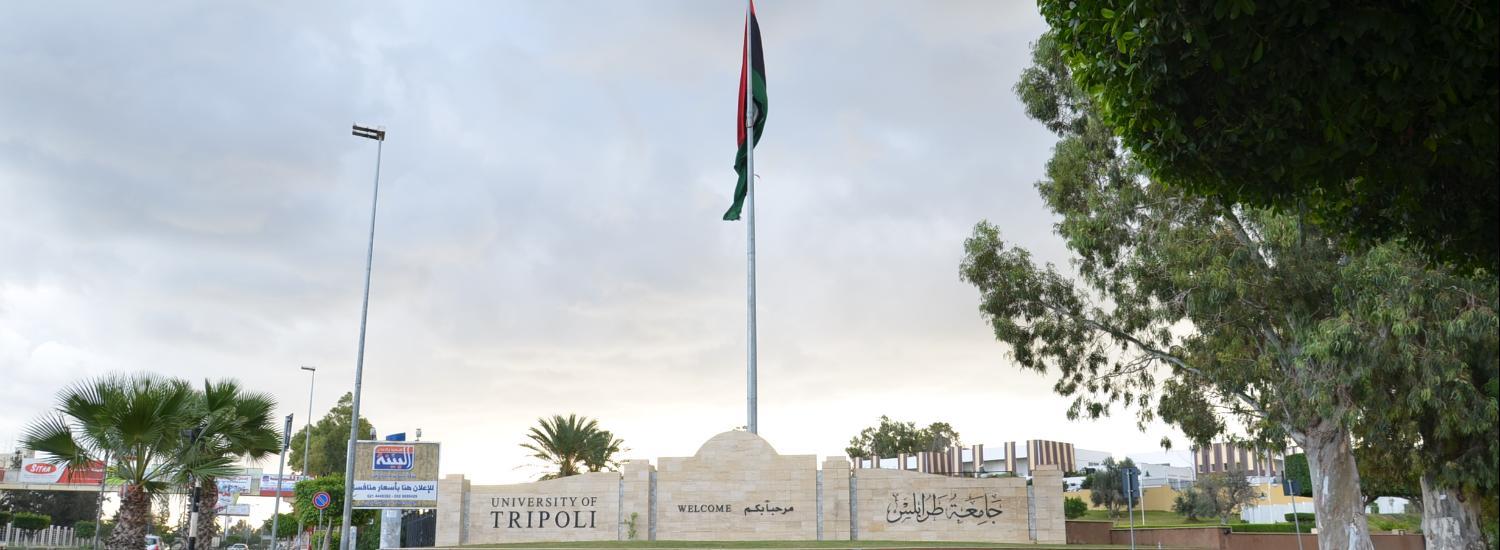
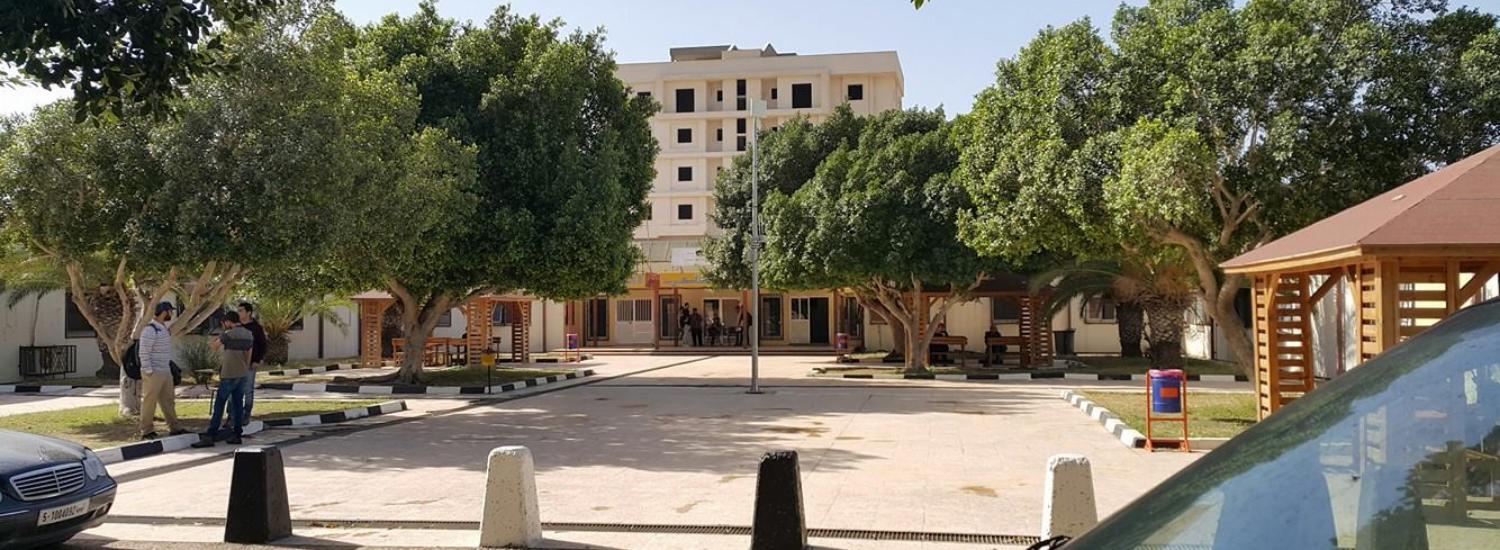
كلية الطب البيطري

المزيد ...

حول كلية الطب البيطري

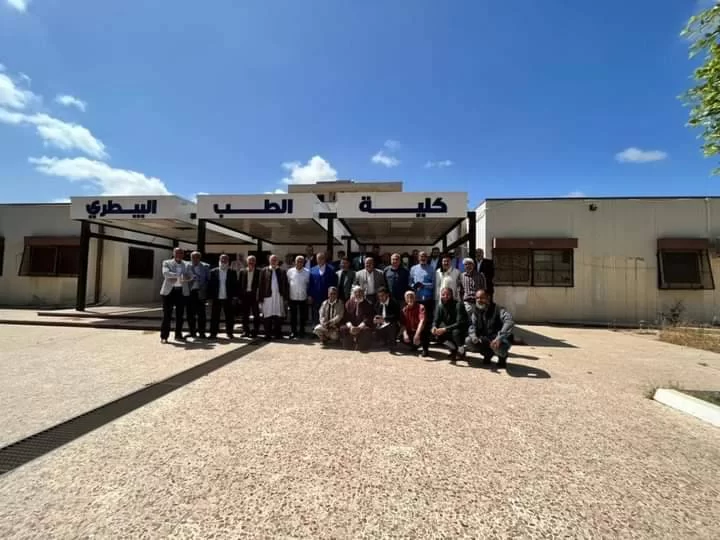
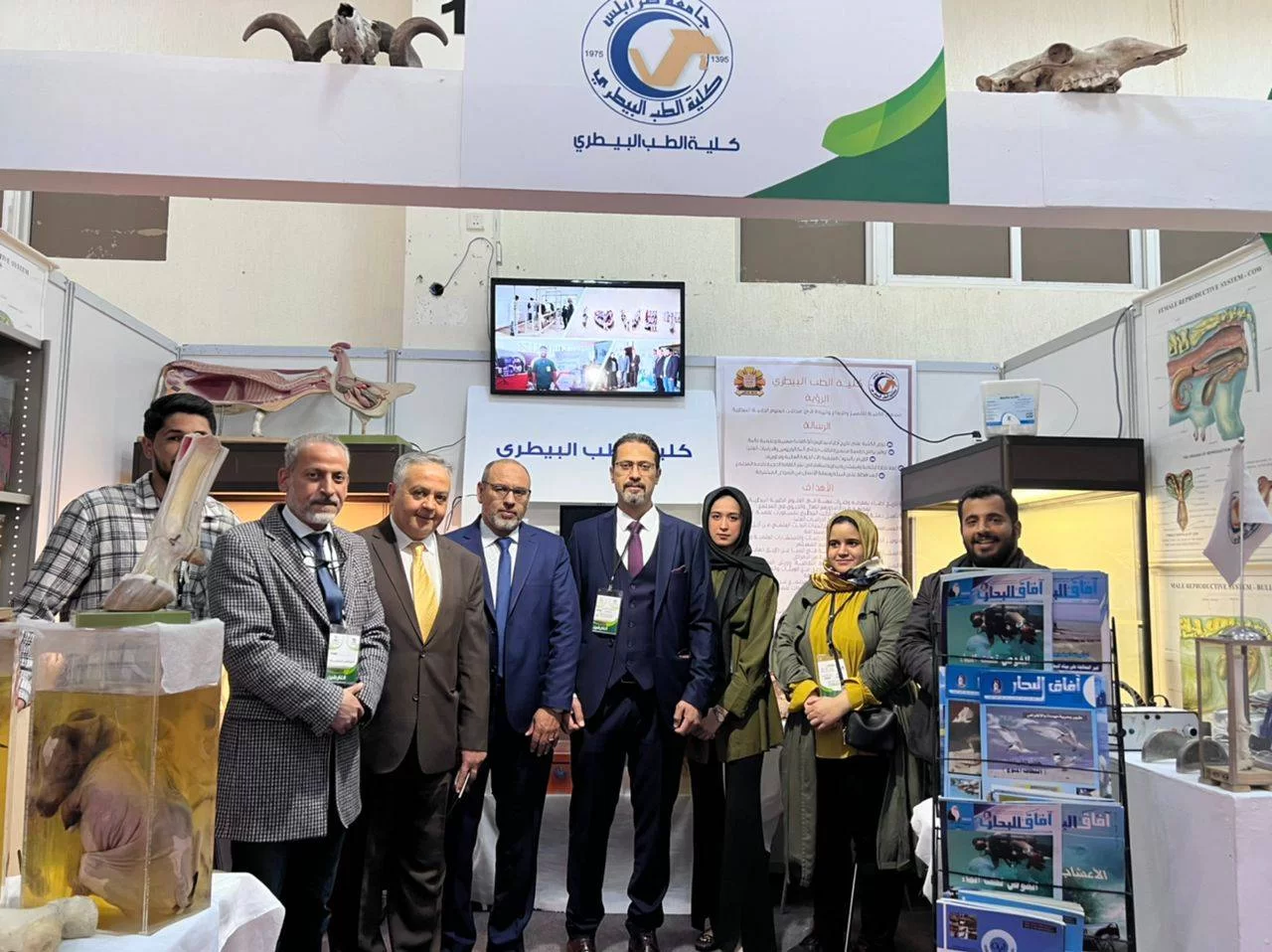
تأسست كلية الطب البيطري عام 1975م كأول كلية للطب البيطري في ليبيا. تعد الكلية من قلاع العلم و المعرفة الهامة بجامعة طرابلس ومؤسسة علمية تلبي إحتياجات المجتمع من الأطباء البيطريين وتساهم في دعم الإقتصاد الوطني من خلال العناية بصحة الحيوان وزيادة الإنتاج الحيواني والمحافظة على صحة الإنسان وحماية البيئة.

حقائق حول كلية الطب البيطري

نفتخر بما نقدمه للمجتمع والعالم

194

المنشورات العلمية

86

هيئة التدريس

245

الطلبة

23

الخريجون

البرامج الدراسية

ماجستير أمراض الدواجن
تخصص أمراض الدواجن

يُنفذ هذا البرنامج من خلال دراسة مقررات دراسية، بحيث لا يقل عدد وحداتها عن (24) وحدة دراسية، وأن لا تزيد عن (30) وحدة دراسية على مدى 3 فصول، بالإضافة إلى إنجاز رسالة بحثية...

التفاصيل

ماجستير أمراض الاسماك
تخصص أمراض الاسماك

يُنفذ هذا البرنامج من خلال دراسة مقررات دراسية، بحيث لا يقل عدد وحداتها عن (24) وحدة دراسية، وأن لا تزيد عن (30) وحدة دراسية على مدى 3 فصول، بالإضافة إلى إنجاز رسالة بحثية...

التفاصيل

من يعمل بـكلية الطب البيطري

يوجد بـكلية الطب البيطري أكثر من 86 عضو هيئة تدريس

staff photo

أ.د. عبدالوهاب محمد مفتاح كمون

عبدالوهاب كمون هو احد اعضاء هيئة التدريس بقسم أمراض الدواجن والاسماك بكلية الطب البيطري. يعمل السيد عبدالوهاب كمون بجامعة طرابلس كـأستاذ منذ 2021-10-20 وله العديد من المنشورات العلمية في مجال تخصصه

منشورات مختارة

بعض المنشورات التي تم نشرها في كلية الطب البيطري

Radiographic Comparison of Carpal Morphometry in Thoroughbred and Standardbred Race horses

Carpal conformation is thought to contribute to the frequency of carpal pathology so non-invasive measurement of carpal morphometry would be useful to identify joints at risk. However, there are scant radiographic morphometrical details for the carpals of Thoroughbred (TB) and Standardbred (SB) racehorses even though these breeds differ in the incidence of carpal damage. This study aimed to identify morphometrical similarities and differences in carpal conformation in TB and SB. Thirty carpal dorsopalmar radiographs (DP) were collected from 15 TB and 15 SB. All DP radiographs were at zero degrees or within the acceptable range of rotation. Twelve carpal radiographic parameters were selected and measured on each radiograph. Statistical analysis found significant differences in four carpal parameters. These parameters revealed that the middle carpal joint in SB was significantly more angled distomedially whereas the radial distal metaphysis showed a greater distolateral inclination in TB. The radiocarpal and the carpometacarpal articulations exhibited common features in the two groups of horses. These carpal traits in TB and SB highlight their potential association with loading distribution and pathology. Measuring carpi from untrained and injured horses is necessary to establish breed specific features for the ideal carpal conformation in each of these breeds.
Aiman Hussein Saleh Oheida, Abdulrhman Mohamed Salah Alrtib, Aiman Abdulghader Salim Shalgum, Mansur Ennuri Moftah Shmela, Mohamed A Marzok, Helen M S Davies(4-2019)
Publisher's website

Exploiting serological data to understand the epidemiology of bluetongue virus serotypes circulating in Libya

The epidemiological patterns of Bluetongue (BT) in North Africa and Mediterranean Basin (MB) dramatically changed by emergence of subsequent episodes of novel bluetongue virus (BTV) serotypes with highly pathogenic indexes and socio-economic impacts. The objective of the study was to investigate the sero-prevalence and serotype distribution of BTV in Libya. During 2015-2016, a total of 826 serum samples were collected from domestic ruminants in Libya. All sera were assayed by competitive enzyme-linked immunosorbent assays (c-ELISA). C-Elisa-positive samples (43.3%; 173/400) were further analyzed by virus neutralization assay to identify BTV serotypes and determine the antibody titre of positive samples. An overall BTV sero-prevalence was 48.4% (95% CI: 45.0%-51.8%). Neutralizing antibodies were detected against the following BTV serotypes namely: BTV-1, BTV-2, BTV-3, BTV-4, BTV-9 and BTV-26. While BTV-1, BTV-2, BTV-4 and BTV-9 circulation was unsurprising as they have been responsible of the last year outbreaks in Northern African Countries, the detection of BTV-3 and BTV-26 was definitely new and concerning for the animal health of the countries facing the Mediterranean Basin. It is crucial that European and Northern African authorities collaborate in organizing common surveillance programmes to early detect novel strains or emerging serotypes in order to set up proper preventive measures, and, in case, develop specific vaccines and plan coordinated vaccination campaigns.
Ibrahim Eldaghayes(11-2018)
Publisher's website

Inferring the population structure of the Maghreb sheep breeds using a medium-density SNP chip

North Africa has a great diversity of indigenous sheep breeds whose origin is linked to its environmental characteristics and to certain historical events that took place in the region. To date, few genome-wide studies have been conducted to investigate the population structure of North African indigenous sheep. The objective of the present study was to provide a detailed assessment of the genetic structure and admixture patterns of six Maghreb sheep populations using the Illumina 50K Ovine BeadChip and comparisons with 22 global populations of sheep and mouflon. Regardless of the method of analysis used, patterns of multiple hybridization events were observed within all North African populations, leading to a heterogeneous genetic architecture that varies according to the breed. The Barbarine population showed the lowest genetic heterogeneity and major southwest Asian ancestry, providing additional support to the Asian origin of the North African fat-tailed sheep. All other breeds presented substantial Merino introgression ranging from 15% for D'man to 31% for Black Thibar. We highlighted several signals of ancestral introgression between North African and southern European sheep. In addition, we identified two opposite gradients of ancestry, southwest Asian and central European, occurring between North Africa and central Europe. Our results provide further evidence of the weak global population structure of sheep resulting from high levels of gene flow among breeds occurring worldwide. At the regional level, signs of recent admixture among North African populations, resulting in a change of the original genomic architecture of minority breeds, were also detected.
Ibrahim Eldaghayes(8-2019)
Publisher's website

قناة كلية الطب البيطري

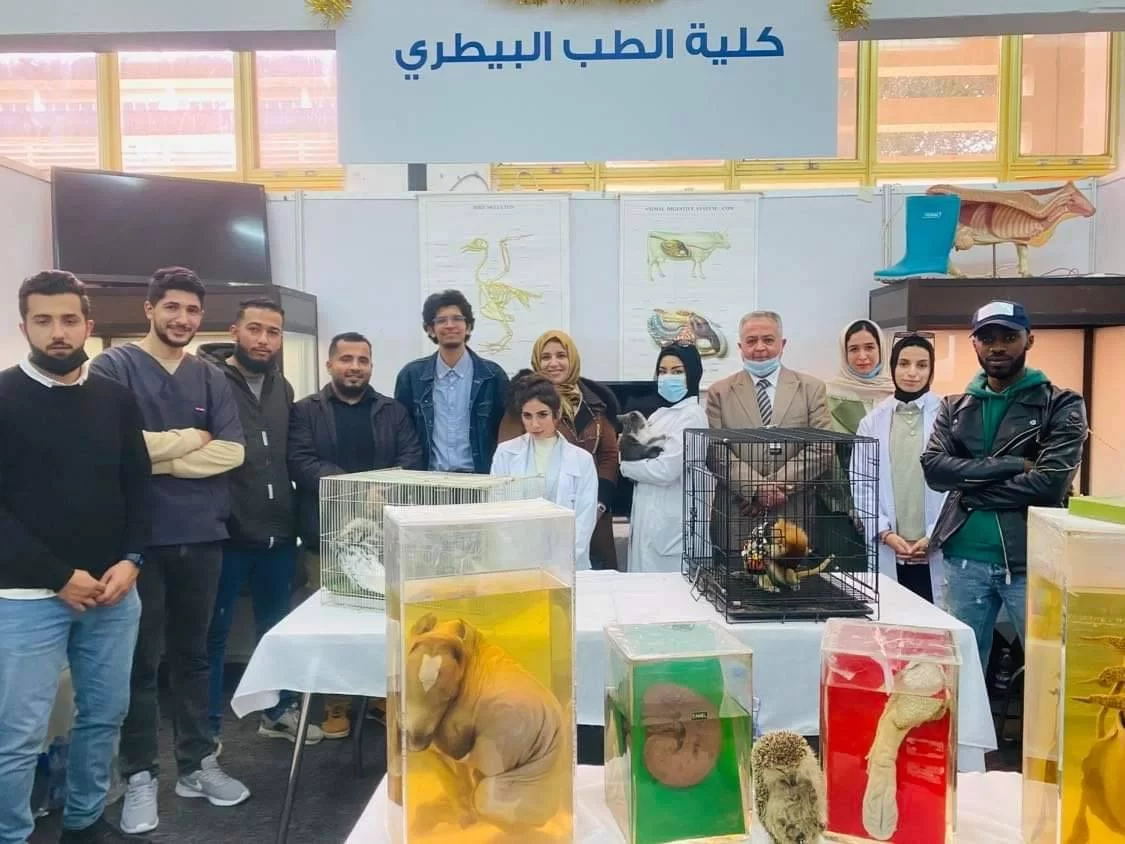
بعض الفيديوات التي تعرض مناشط كلية الطب البيطري

اطلع علي المزيد