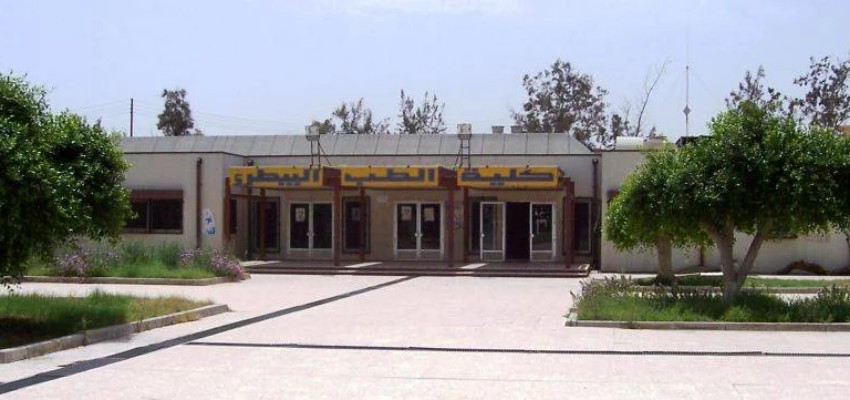
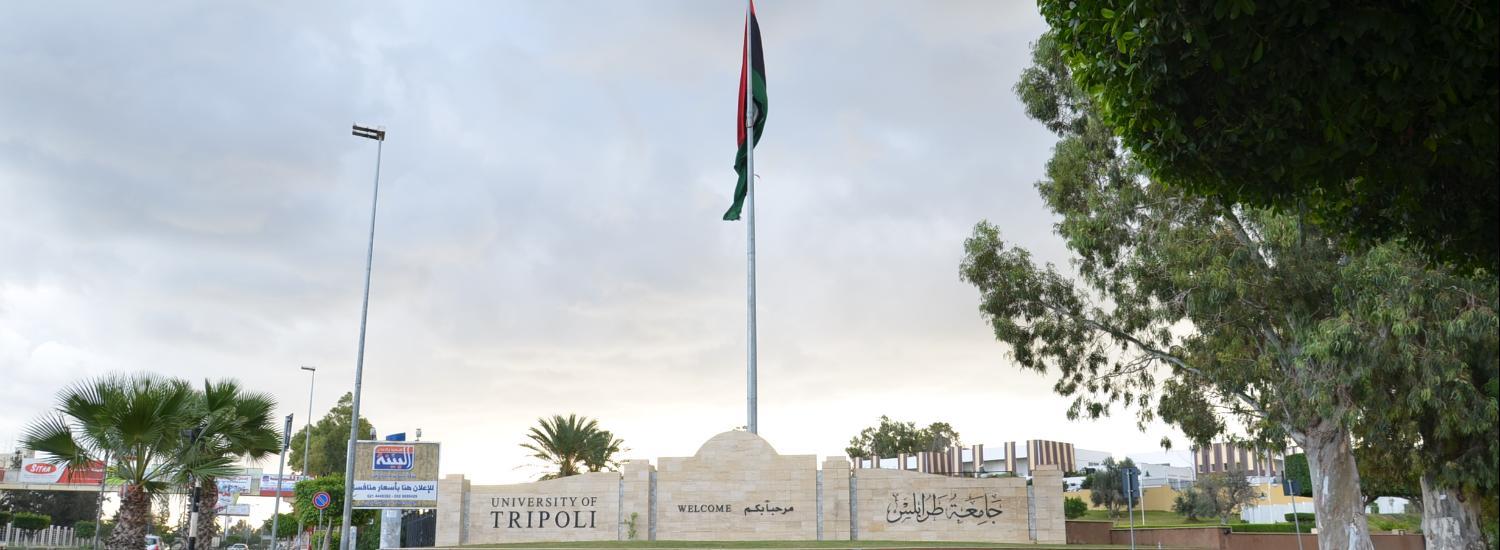
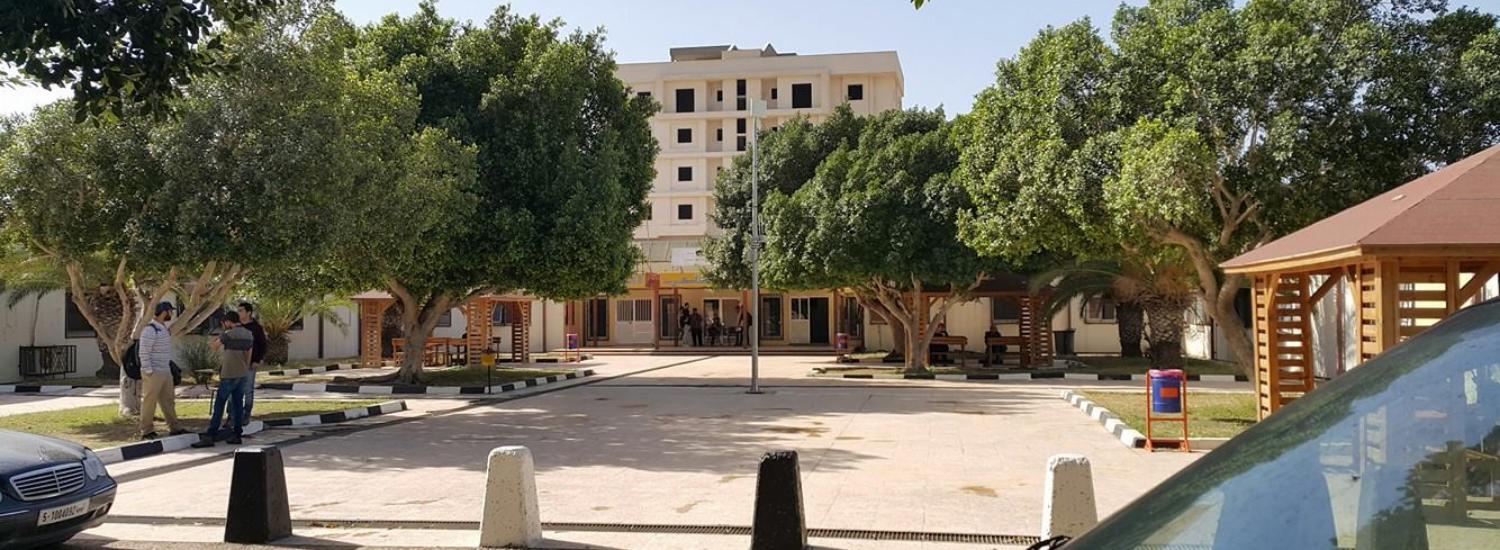
كلية الطب البيطري

المزيد ...

حول كلية الطب البيطري

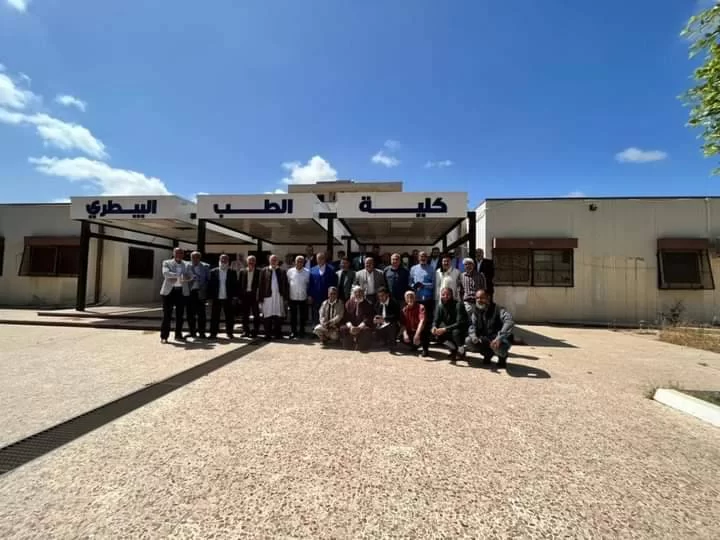
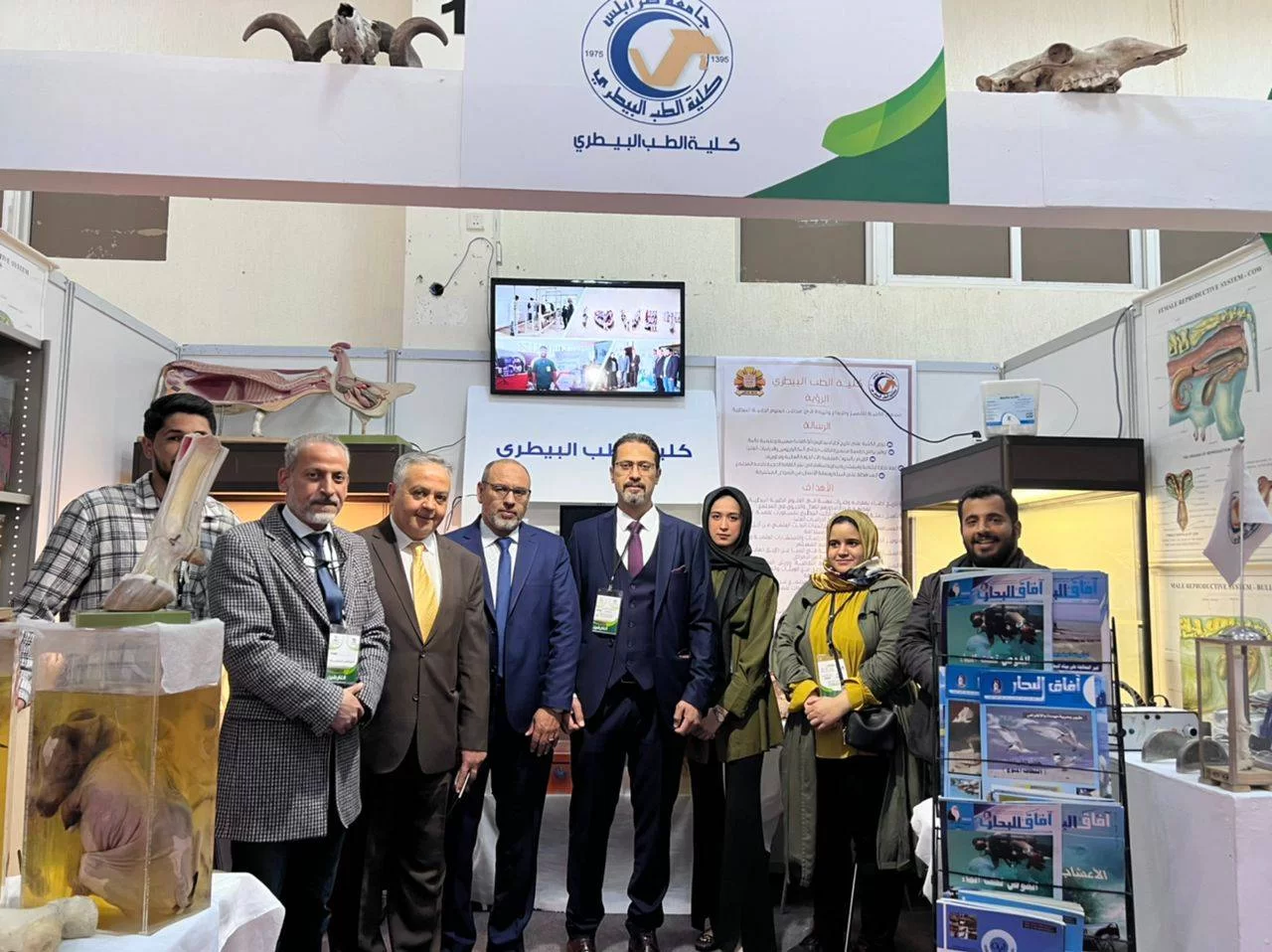
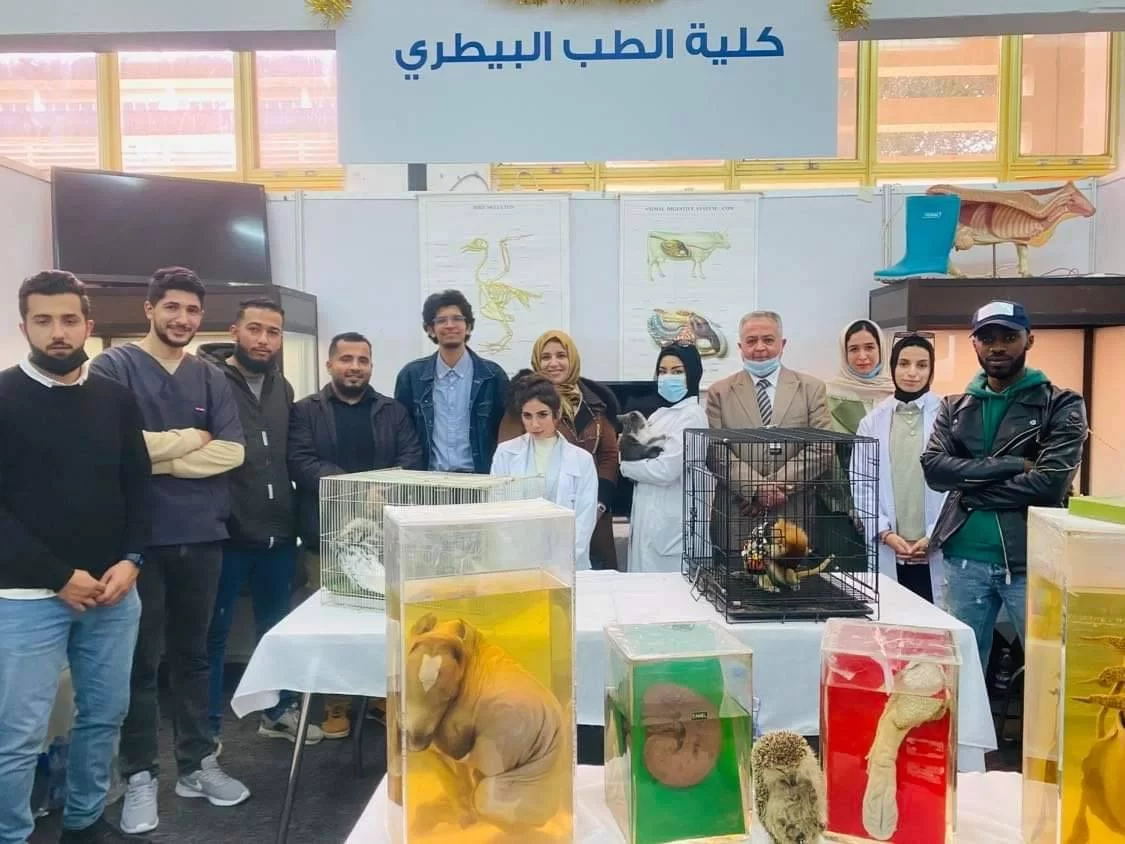
تأسست كلية الطب البيطري عام 1975م كأول كلية للطب البيطري في ليبيا. تعد الكلية من قلاع العلم و المعرفة الهامة بجامعة طرابلس ومؤسسة علمية تلبي إحتياجات المجتمع من الأطباء البيطريين وتساهم في دعم الإقتصاد الوطني من خلال العناية بصحة الحيوان وزيادة الإنتاج الحيواني والمحافظة على صحة الإنسان وحماية البيئة.

حقائق حول كلية الطب البيطري

نفتخر بما نقدمه للمجتمع والعالم

194

المنشورات العلمية

86

هيئة التدريس

245

الطلبة

23

الخريجون

البرامج الدراسية

ماجستير أمراض الدواجن
تخصص أمراض الدواجن

يُنفذ هذا البرنامج من خلال دراسة مقررات دراسية، بحيث لا يقل عدد وحداتها عن (24) وحدة دراسية، وأن لا تزيد عن (30) وحدة دراسية على مدى 3 فصول، بالإضافة إلى إنجاز رسالة بحثية...

التفاصيل

ماجستير أمراض الاسماك
تخصص أمراض الاسماك

يُنفذ هذا البرنامج من خلال دراسة مقررات دراسية، بحيث لا يقل عدد وحداتها عن (24) وحدة دراسية، وأن لا تزيد عن (30) وحدة دراسية على مدى 3 فصول، بالإضافة إلى إنجاز رسالة بحثية...

التفاصيل

من يعمل بـكلية الطب البيطري

يوجد بـكلية الطب البيطري أكثر من 86 عضو هيئة تدريس

staff photo

د. عبدالرؤوف عمر أحمد قاجة

عبدالرؤوف قاجة هو احد اعضاء هيئة التدريس بقسم الجراحة والتناسليات بكلية الطب البيطري. يعمل السيد عبدالرؤوف قاجة بجامعة طرابلس منذ 2003-03-09 وله العديد من المنشورات العلمية في مجال تخصصه

منشورات مختارة

بعض المنشورات التي تم نشرها في كلية الطب البيطري

Salmonella Enteritidis’ Proteins produce in Vitro and in Vivo Protection against Colonization

Salmonella enterica can be considered as one of the most important causes of foodpoisoning with poultry thought to be the main source. Although S. Typhimurium, S. Enteritidis and the vast majority of other Salmonella serovars generally produce little systemic disease in adult chickens, they are able to colonize the alimentary tract of poultry. The two caeca are the main sites of the colonization of Salmonellae in chickens, and the bacteria can be easily harvested from the caeca for analysis. Bacterial proteins analysed utilizing SDS-PAGE showed differences between in vitro and in vivo that out of about 40 protein bands of in vitro preparation only a few (3-5) bands can be visualized from in vivo preparations. We suggested that some avian proteases might be responsible. Accordingly, and to investigate the hypothesis that bacterial-precipitated protein harvested from chickens is thought to be more protective than bacteria grown in broth culture, the immunogenicity of protein-precipitated vaccines harvested from chicken intestine and those from broth culture (in vitro), were compared using bacterial proteins as an orally inoculated vaccine candidate in chicken. The results demonstrated that the in vitro sonicated proteins obtained from a nutrient broth culture had a much better protective vaccine effect than the in vivo sonicated proteins preparations harvested from bacteria grown in chickens arabic 14 English 81
Altayeb Elazomi, Elhadi Araibi, Abdulgader Dhawi, Hatem Khpiza, Susan Liddell, Margret Lovell, Paul Barrow(12-2016)
Publisher's website

An evolving research culture: Analysis of biomedical publications from Libya, 2003–13

Understanding the publication output of a country’s biomedical research can provide information for strengthening its policies, economy, and educational systems. Yet, this is the first bibliometric study to date to analyze and provide an in-depth discussion of the biomedical research productivity from Libyan academic institutions. The biomedical research productivity of higher education institutes and affiliated hospitals from Libya, with a focus on the higher education sector, was analyzed and discussed for the period of 2003–13 using the PubMed database. A questionnaire online survey was also developed to obtain opinions of Libyan scientists on productivity status and quality of research output. A total of 345 peer-reviewed articles were included in the analysis and were authored by researchers in the cities of Benghazi (32%), Tripoli (29%), Al-Zawiya (9%), Al-Bayda (8%), Sabha (3%), Misrata (3%), and Al-Khoms (1%). The papers included co-authors and/or corresponding authors from over 40 other countries were published in 179 journals covering a broad range of biomedical topics. Questionnaire (44% response rate) indicated research is largely self-funded. Information along with accurate, comprehensive, and transparent metrics can be applied to aid governmental and nongovernmental institutions to develop stable infrastructures for academic communities to achieve effective research performance and innovation.
Mohamed O. Ahmed, Et Al.(10-2017)
Publisher's website

Rift Valley fever virus: a serological survey in Libyan ruminants

A serological survey was carried out in Libya to investigate the circulation of Rift Valley fever virus (RVFV) among domestic ruminants. A total of 857 serum samples were collected from year 2015 to 2016 in eleven provinces of Libya belonging to five branches of the country. Samples were tested for RVFV antibodies using a competitive EnzymeLinked Immunosorbent Assay (c-ELISA). Antibodies specific for RVFV were not detected in any of the 857 samples. However, a statistical analysis was carried out to assess the maximum expected number of infected animals and the maximum expected prevalence of RVFV among Libyan ruminants’ populations according to the sampled population. The overall maximum expected prevalence was estimated to be 1.8% for cattle and 0.4% for small ruminants. Results seem to exclude the circulation of RVFV, however, a surveillance plan should be implemented in areas at risk of RVFV introduction. arabic 10 English 55
Abdusalam Sharef Abdusalam Mahmoud, (6-2018)
Publisher's website

قناة كلية الطب البيطري

بعض الفيديوات التي تعرض مناشط كلية الطب البيطري

اطلع علي المزيد