كلية الطب البيطري

المزيد ...

حول كلية الطب البيطري

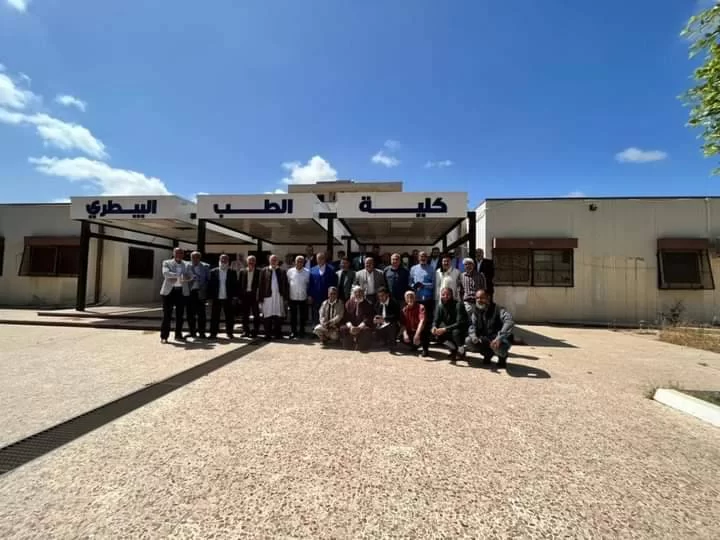
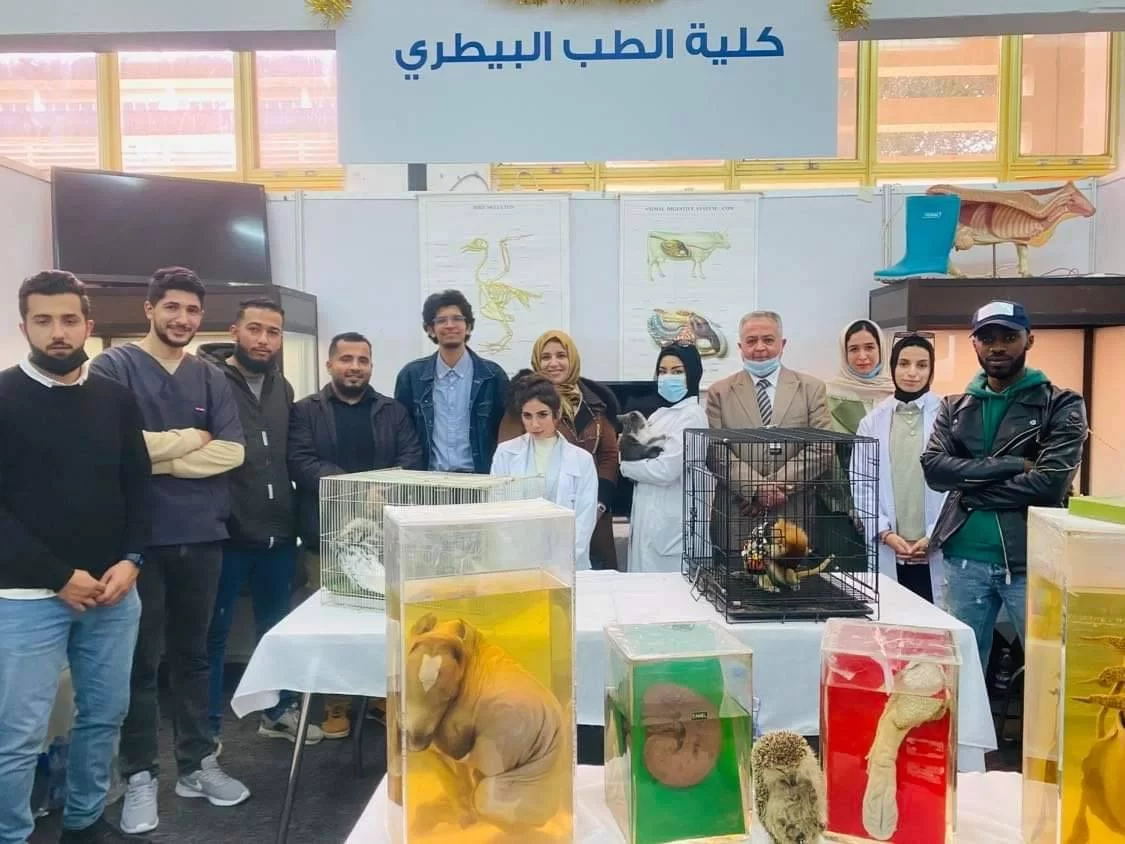
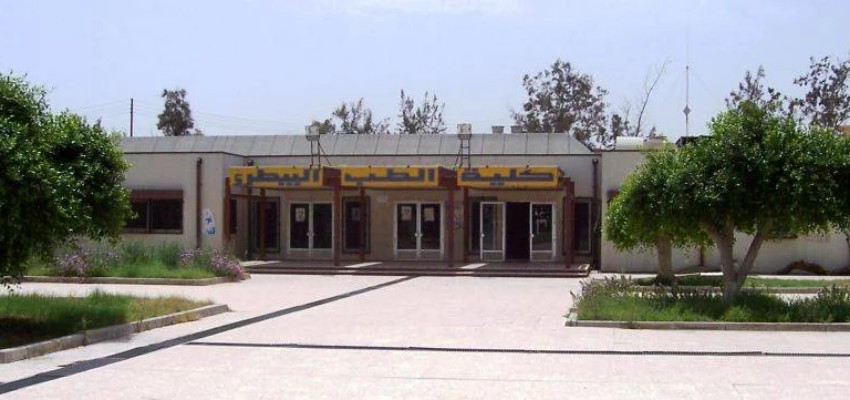
تأسست كلية الطب البيطري عام 1975م كأول كلية للطب البيطري في ليبيا. تعد الكلية من قلاع العلم و المعرفة الهامة بجامعة طرابلس ومؤسسة علمية تلبي إحتياجات المجتمع من الأطباء البيطريين وتساهم في دعم الإقتصاد الوطني من خلال العناية بصحة الحيوان وزيادة الإنتاج الحيواني والمحافظة على صحة الإنسان وحماية البيئة.

حقائق حول كلية الطب البيطري

نفتخر بما نقدمه للمجتمع والعالم

194

المنشورات العلمية

86

هيئة التدريس

245

الطلبة

23

الخريجون

البرامج الدراسية

ماجستير أمراض الدواجن
تخصص أمراض الدواجن

يُنفذ هذا البرنامج من خلال دراسة مقررات دراسية، بحيث لا يقل عدد وحداتها عن (24) وحدة دراسية، وأن لا تزيد عن (30) وحدة دراسية على مدى 3 فصول، بالإضافة إلى إنجاز رسالة بحثية...

التفاصيل

ماجستير أمراض الاسماك
تخصص أمراض الاسماك

يُنفذ هذا البرنامج من خلال دراسة مقررات دراسية، بحيث لا يقل عدد وحداتها عن (24) وحدة دراسية، وأن لا تزيد عن (30) وحدة دراسية على مدى 3 فصول، بالإضافة إلى إنجاز رسالة بحثية...

التفاصيل
من يعمل بـكلية الطب البيطري

يوجد بـكلية الطب البيطري أكثر من 86 عضو هيئة تدريس

staff photo

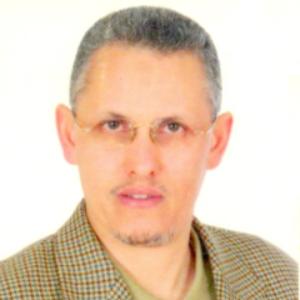
د. عمران امحمد عبد السلام بيت المال

عمران عبد السلام هو احد اعضاء هيئة التدريس بقسم الامراض والتشخيص المعملي بكلية الطب البيطري. يعمل السيد عمران عبد السلام بجامعة طرابلس كـأستاذ مشارك منذ 2007-05-24 وله العديد من المنشورات العلمية في مجال تخصصه

منشورات مختارة

بعض المنشورات التي تم نشرها في كلية الطب البيطري

FETLOCK JOINT ANGLE MEASUREMENT IN EQUINE FORELIMBS

Front fetlock joint angle (FA) measurement might predict musculoskeletal injury. This study aimed to identify an accurate reliable tool, and develop a consistent method for measuring the FA. Fetlock centre of rotation was identified radiographically. Goniometer measurements were validated on ten vertically fixed post-mortem distal forelimbs by positioning the centre of rotation of the goniometer on the approximate centre of rotation of the joint for five measurements of each FA at three day intervals and one measurement by another person (rater B). Both FA’s of fourteen sound horses standing squarely on a concrete floor were repeated before and after lifting the contralateral limb, which was flexed at the carpus and held at the same level as the carpus of the standing limb. Consistency of measurements was assessed using both fetlock joints of five horses standing squarely on a concrete floor measured six times in random order and then with the contralateral limb lifted using both front fetlocks of eight horses measured five times in random order. The repeatability coefficient was calculated with WinPepi v10.5 software. The centre of rotation was on or around the eminence of the lateral collateral ligament. The repeatability coefficient of the goniometer validation was 4.7°. The mean FA for rater A and B were not significantly different (161.4° versus 162.9°). FA’s were significantly less after lifting the contralateral limbs (P
Abdulrhman M. Alrtib, Helen M S Davies(7-2012)
Publisher's website

Melanoacanthoma in a Dog: A Case Report

A cutaneous melanoacanthoma on the forehead of a 5-year-old male mongrel dog was characterized by the presence of two populations of neoplastic cells: epithelial and melanocytic. The epithelial component consisted of nests of well-differentiated stratified squamous epithelium closely associated with neoplastic melanocytes. According to our survey, three cases of this rare pigmented skin neoplasm of the dog have been published. We present here the histological features of the fourth case of Melanoacanthoma in dogs. This report confirms the benign nature of this tumor and adds to the data that will help determine predilections of age, breed, sex and site of its occurrence.
Ibrahim Eldaghayes(4-2014)
Publisher's website

How are countries prepared to combat the COVID-19 pandemic during the armed conflict? the case of Libya

Since its emergence, COVID-19 has greatly affected all aspects of life, and no country can be considered safe. Furthermore, it has resulted in great consequences, politically, economically, socially, and even ethically, which will be difficult to contain. Even highly developed countries have struggled to tackle this pandemic, and not all COVID-19 death cases were accurately reported. Strikingly, countries that reported the lowest numbers of cases at the early stage of the pandemic are the poorest and have the least resilient health systems, often ravished by civil war such as Libya, Sudan, Syria, and Yemen [1]. In Libya, the ability to react to the crisis is in doubt because of civil war and internal disarray. The health care system has been seriously affected, the country is divided, and two counterattack governments were appointed. The Ready Score parameter recommended by the WHO's Joint External Evaluation (JEE) applied to determine, stop, and prevent epidemics
Daw MA, Ahmed MO, ET AL.(1-2021)
Publisher's website

قناة كلية الطب البيطري

بعض الفيديوات التي تعرض مناشط كلية الطب البيطري

اطلع علي المزيد