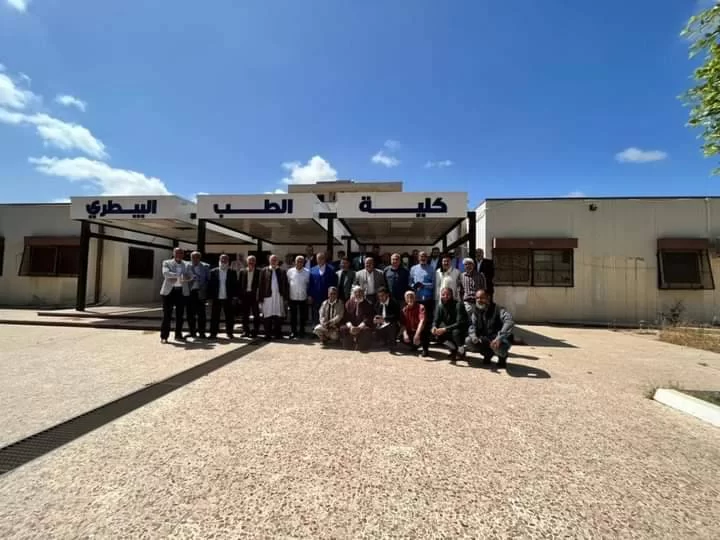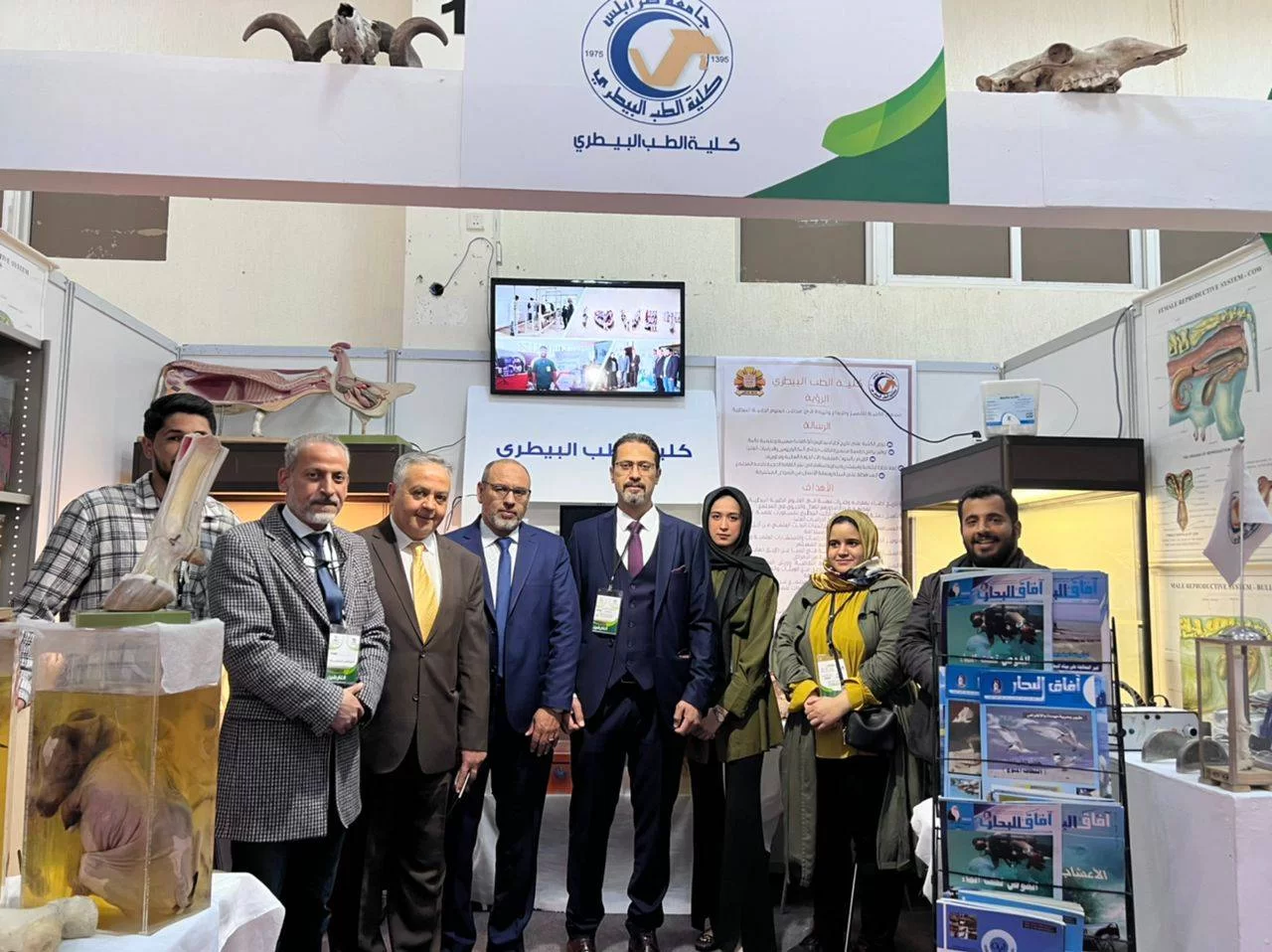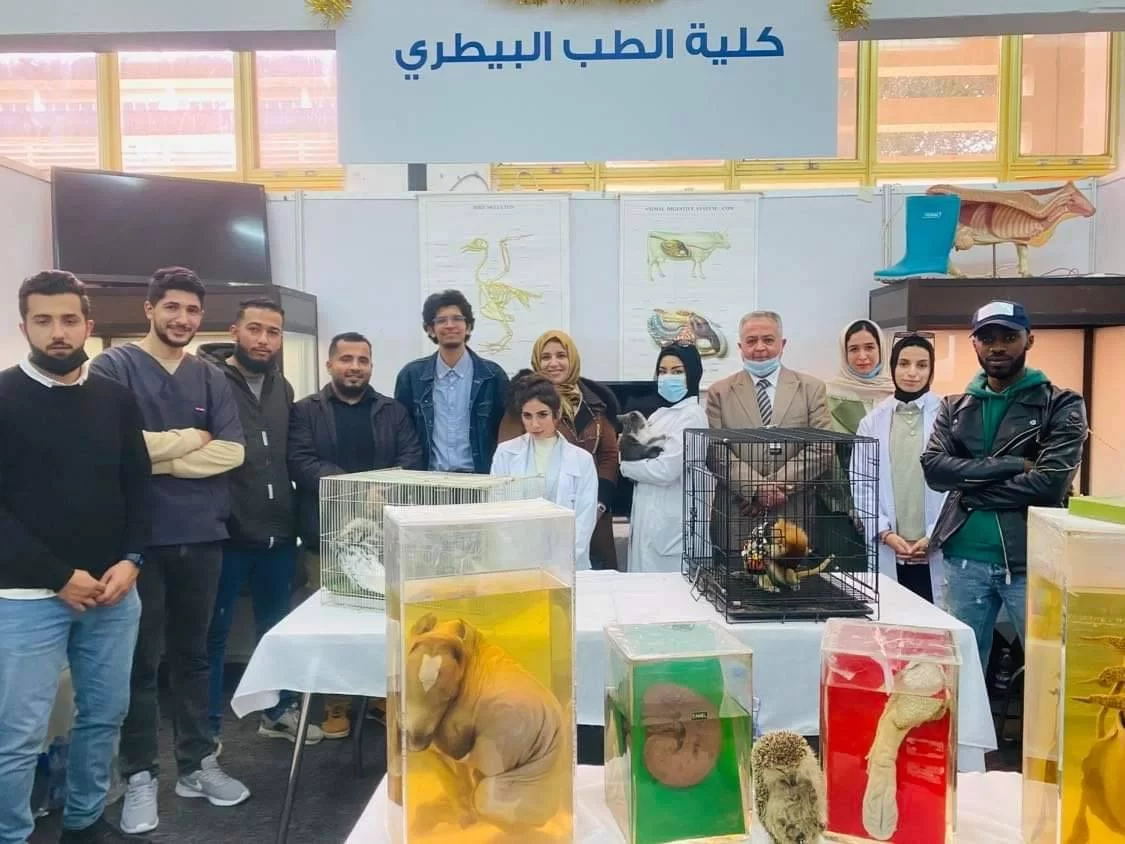
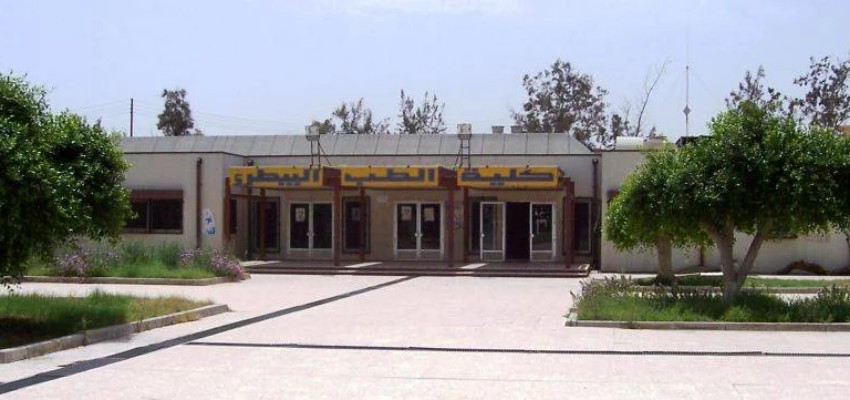

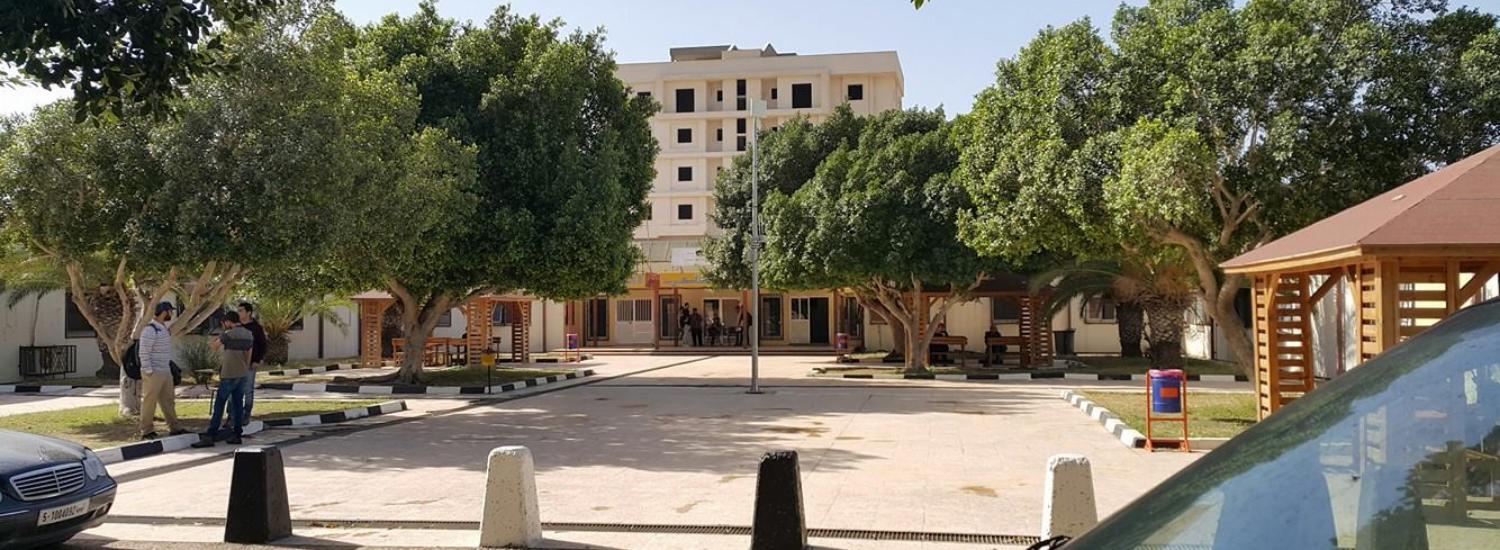
كلية الطب البيطري

المزيد ...

حول كلية الطب البيطري

تأسست كلية الطب البيطري عام 1975م كأول كلية للطب البيطري في ليبيا. تعد الكلية من قلاع العلم و المعرفة الهامة بجامعة طرابلس ومؤسسة علمية تلبي إحتياجات المجتمع من الأطباء البيطريين وتساهم في دعم الإقتصاد الوطني من خلال العناية بصحة الحيوان وزيادة الإنتاج الحيواني والمحافظة على صحة الإنسان وحماية البيئة.

حقائق حول كلية الطب البيطري

نفتخر بما نقدمه للمجتمع والعالم

194

المنشورات العلمية

86

هيئة التدريس

245

الطلبة

23

الخريجون

البرامج الدراسية

ماجستير أمراض الدواجن
تخصص أمراض الدواجن

يُنفذ هذا البرنامج من خلال دراسة مقررات دراسية، بحيث لا يقل عدد وحداتها عن (24) وحدة دراسية، وأن لا تزيد عن (30) وحدة دراسية على مدى 3 فصول، بالإضافة إلى إنجاز رسالة بحثية...

التفاصيل

ماجستير أمراض الاسماك
تخصص أمراض الاسماك

يُنفذ هذا البرنامج من خلال دراسة مقررات دراسية، بحيث لا يقل عدد وحداتها عن (24) وحدة دراسية، وأن لا تزيد عن (30) وحدة دراسية على مدى 3 فصول، بالإضافة إلى إنجاز رسالة بحثية...

التفاصيل

من يعمل بـكلية الطب البيطري

يوجد بـكلية الطب البيطري أكثر من 86 عضو هيئة تدريس

staff photo

أ.د. شعبان احمد خلف الله عويدات

shaban awidat هو احد اعضاء هيئة التدريس بقسم أدوية وسموم وطب شرعي بكلية الطب البيطري. يعمل السيد shaban بجامعة طرابلس كـأستاذ منذ 2017-03-15 وله العديد من المنشورات العلمية في مجال تخصصه

منشورات مختارة

بعض المنشورات التي تم نشرها في كلية الطب البيطري

Bacillus cereus as an Emerging Public Health Concern in Libya: Isolation and Antibiogram from Food of Animal Origin

Background: This study was conducted to investigate the presence of Bacillus cereus in meat, meat products, and some seafood in Libya. Materials and Methods: One hundred and thirty‑one samples were collected from different geographic localities in Libya. The samples were subjected to microbiological analysis for enumeration and isolation of B. cereus by conventional cultural, biochemical, and molecular identification using polymerase chain reaction (PCR) and partial sequencing of 16S rDNA techniques. Results: Of 131 samples, only 38 (29%) isolates were found to be B. cereus based on their cultural characteristics on Mannitol Egg‑Yolk Polymyxin (MYP) medium that included 30% beef, 38.2% beef products (minced, burger, kabab, and sausage), 31.8% camel meat, and 48% chicken products (burger, sausage, kabab, and liver). However, B. cereus was not detected from mutton and seafood samples. Seventeen isolates were subjected to molecular identification using PCR and partial sequencing of 16S rDNA technique and confirmed to be B. cereus. The confirmed B. cereus strains were tested for their antibiotic sensitivity profiles and showed a high percentage of multiresistance phenotype. Conclusions: The results provide a better understanding of B. cereus isolated from food of animal origin in Libya and suggest that meat and meat products might play an important role in the spreading of B. cereus through the food chain with antimicrobial resistance characteristics.
Hesham Taher Naas(6-2018)
Publisher's website

Clinical, radiological, and pathological findings of primary nasal osteosarcoma in a Libyan cat

Abstract Background: Although bone tumors are common pathologies in companion animals, limited reports describe nasal osteosarcoma (OSA) in cats. Case description: A case of nasal OSA in a local Libyan cat was admitted to the Veterinary Teaching Hospital at the Faculty of Veterinary Medicine, University of Tripoli–Libya, with nasal swelling and discharges and facial deformity. The radiological findings revealed nasal osteolysis with the absence of evidence of lung metastasis. In addition, fungal growth was not identified in microbiological culture. Furthermore, the pathological examination has grossly revealed a destructed nasal bone due to the presence of a tumor mass, with a mucohemorrhagic nasal discharge and absence of metastasis. OSA was confirmed histopathologically. Conclusion: This report presents the clinical, radiological, and pathological findings of a primary nasal OSA in a Libyan cat with no tumor metastasis to other body organs. Keywords: Cat, Nasal cavity, Primary osteosarcoma.
Mohamed Hamrouni S. Abushhiwa, Seham AL-Abed Hassan AL-Azreg, ٍٍSamer Khalifa Khalil Tmumen, Abdulrhman Mohamed Salah Alrtib, Abdulkareem Khalifa Ali Elbaz, Mahir A. Kubba, Al-Asayed R. Al-Attar, Emad M R Bennour(1-2019)
Publisher's website

Ameliorating Effects of Vitamin E and Selenium on Immunological Alterations Induced by Imidacloprid Chronic Toxicity in Chickens

The purpose of the current study was to investigate the immunological impacts of chronic imidacloprid insecticide toxicity in broiler chickens and the protective effects of vitamin E and selenium. Broiler chicks (n=90) aged day old were randomly segregated into three groups of 30 chicks each and were kept in separate pens. Newcastle disease (ND) vaccine was given on day 7 and 28 of age. On day 8, chicks in group I were administered 5 mg/kg bw (1/20 LD50) imidacloprid orally. Chicks in group II were given imidacloprid 5 mg/kg bw orally plus a mixture of vitamin E and selenium ≅ 200 mg/kg diet, while group III was given distilled water (DW) orally and served as a control. The treatments were given daily based on weekly body weight till day 45. Antibody titration, serum total immunoglobulins, circulating immune complexes, cell-mediated immunity and histopathology of bursa of Fabricius and spleen were examined. Imidacloprid produced significant decline in the titer of antibodies against ND vaccine, total immunoglobulins and circulating immune complexes in imidacloprid treated group on day 45 as compared to control group. There were no significant changes in the skin thickness between treated chickens and chickens of control group. Histopathology of the bursa of Fabricius revealed edema, lymphocytic depletion in the medulla and cortex and mild interfollicular fibrosis in imidacloprid treated group. The spleen showed mild haemorrhages and lymphocytic depletion. Supplementation of vitamin E and selenium resulted in marked improvements in humoral immunity and pathology of lymphoid organs. It is concluded that imidacloprid insecticide has immunological deleterious effects in chickens targeting the humoral immune responses and vitamin E and selenium supplementation decreased the ill effects of imidacloprid.
ِAbdulwahab Kammon(1-2022)
Publisher's website

قناة كلية الطب البيطري

بعض الفيديوات التي تعرض مناشط كلية الطب البيطري

اطلع علي المزيد