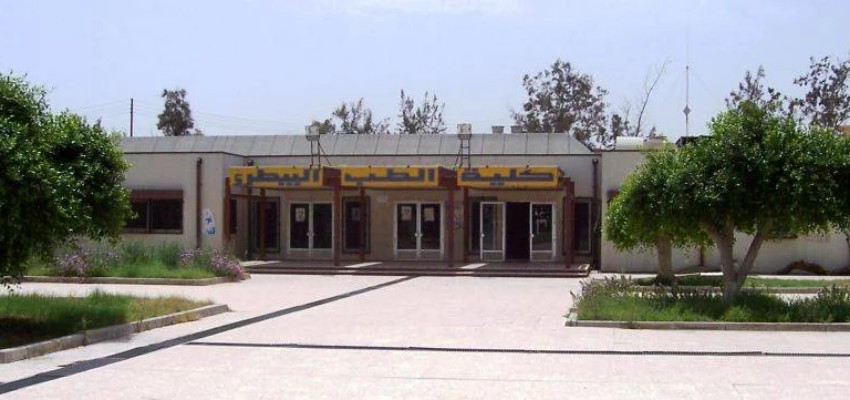
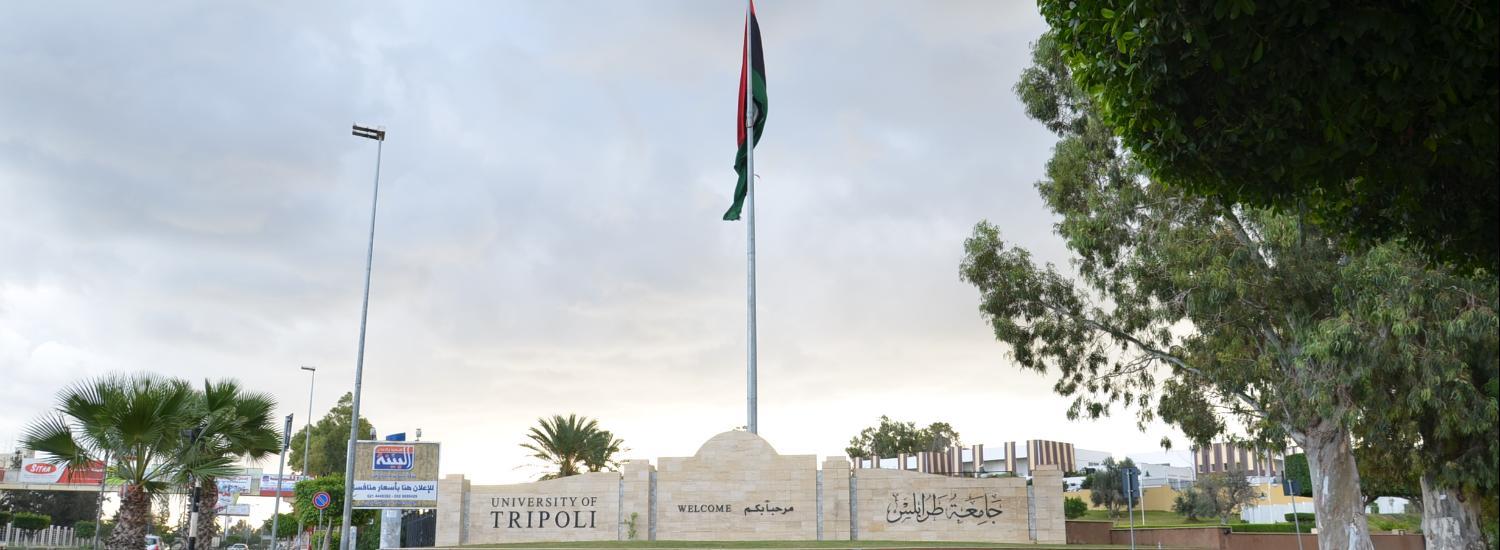
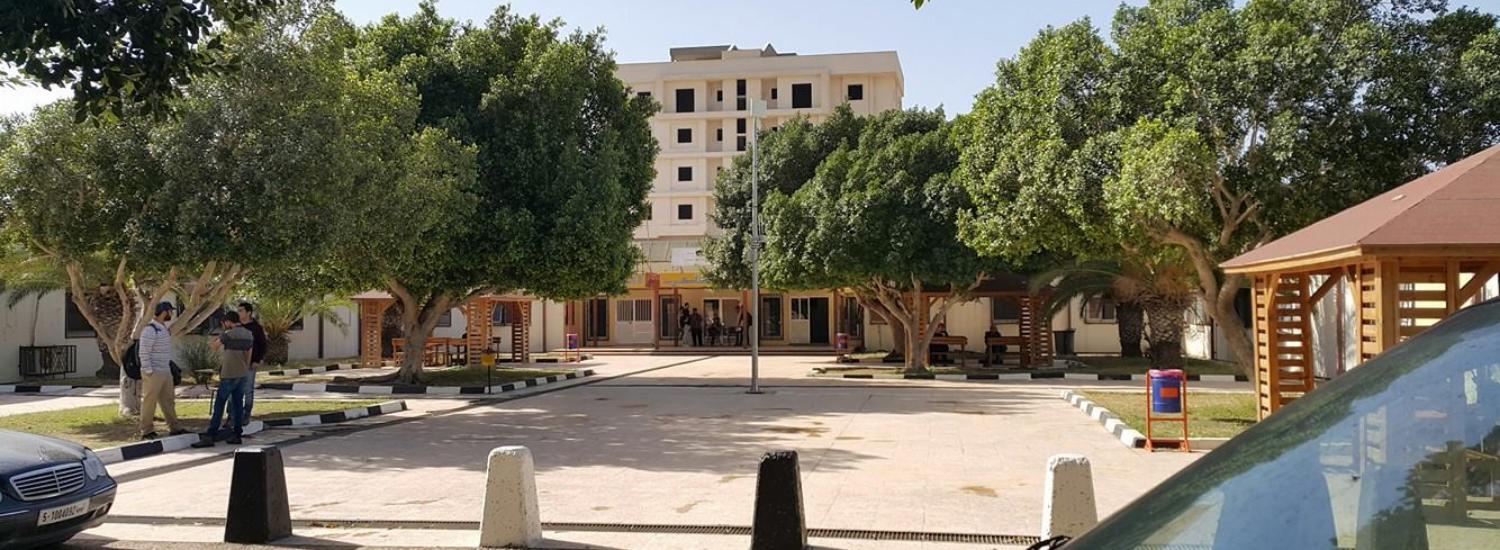
كلية الطب البيطري

المزيد ...

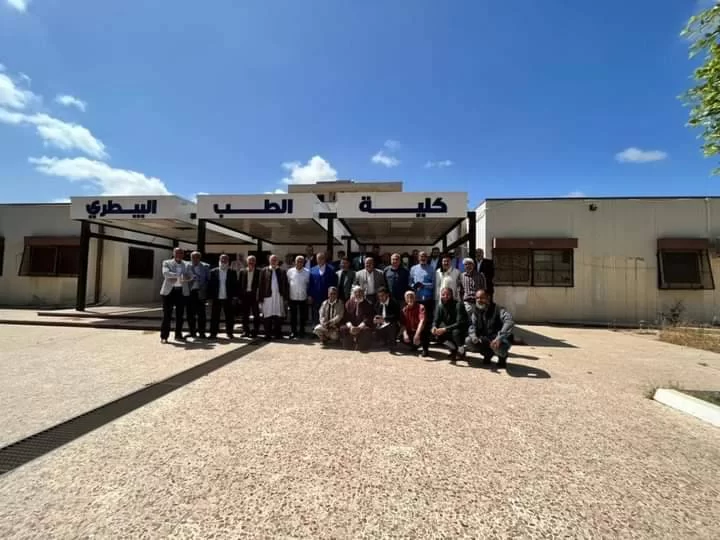
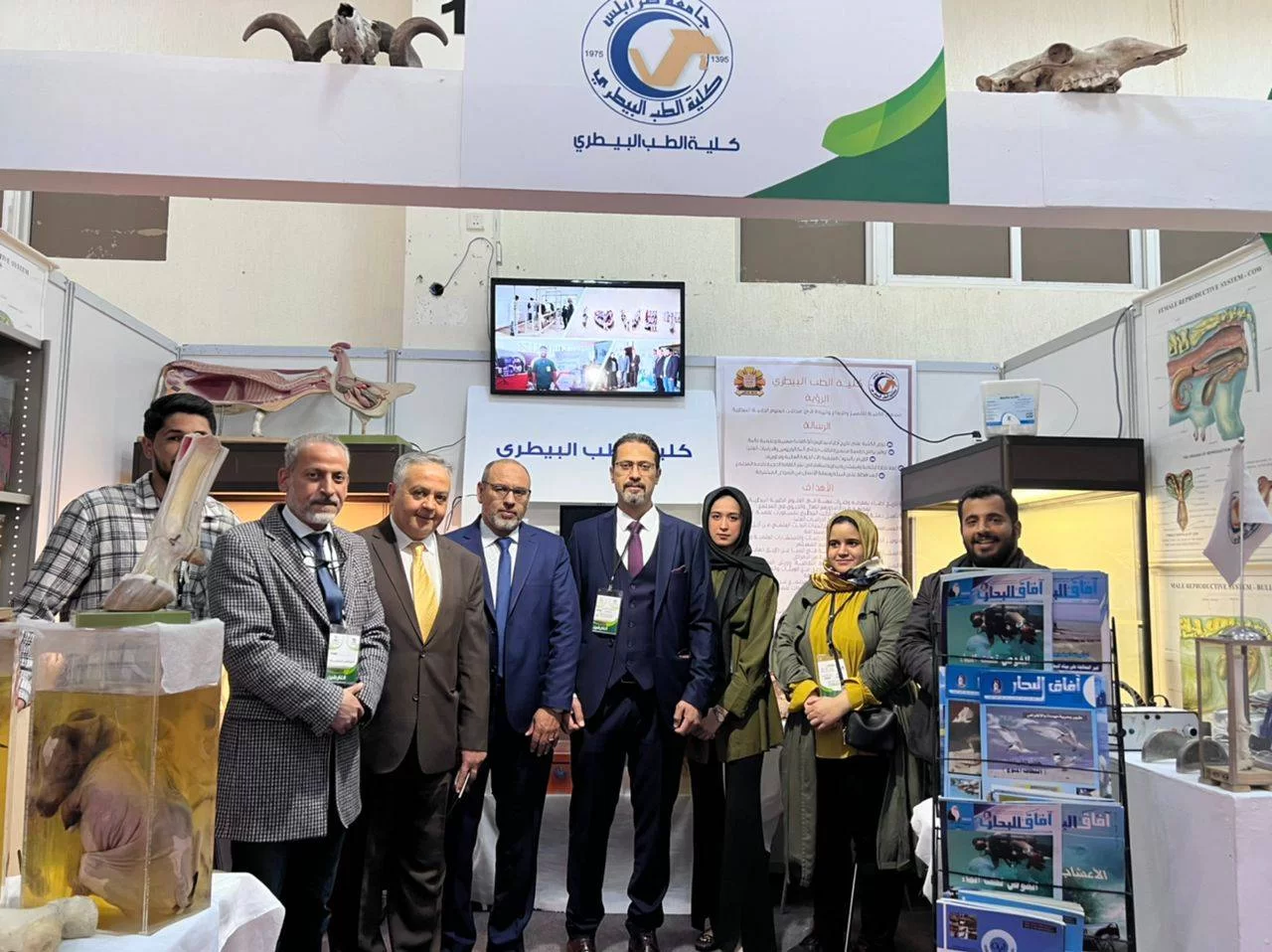
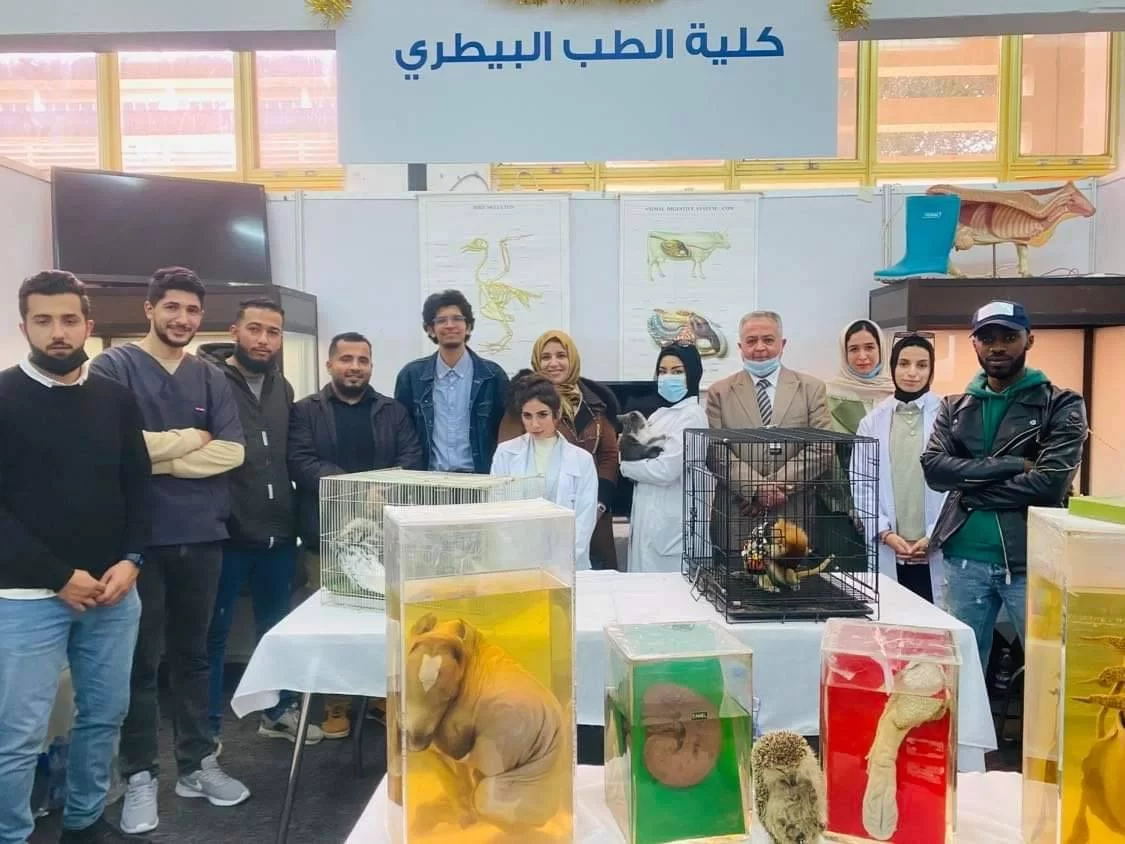
حول كلية الطب البيطري

تأسست كلية الطب البيطري عام 1975م كأول كلية للطب البيطري في ليبيا. تعد الكلية من قلاع العلم و المعرفة الهامة بجامعة طرابلس ومؤسسة علمية تلبي إحتياجات المجتمع من الأطباء البيطريين وتساهم في دعم الإقتصاد الوطني من خلال العناية بصحة الحيوان وزيادة الإنتاج الحيواني والمحافظة على صحة الإنسان وحماية البيئة.

حقائق حول كلية الطب البيطري

نفتخر بما نقدمه للمجتمع والعالم

194

المنشورات العلمية

86

هيئة التدريس

245

الطلبة

23

الخريجون

البرامج الدراسية

ماجستير أمراض الدواجن
تخصص أمراض الدواجن

يُنفذ هذا البرنامج من خلال دراسة مقررات دراسية، بحيث لا يقل عدد وحداتها عن (24) وحدة دراسية، وأن لا تزيد عن (30) وحدة دراسية على مدى 3 فصول، بالإضافة إلى إنجاز رسالة بحثية...

التفاصيل

ماجستير أمراض الاسماك
تخصص أمراض الاسماك

يُنفذ هذا البرنامج من خلال دراسة مقررات دراسية، بحيث لا يقل عدد وحداتها عن (24) وحدة دراسية، وأن لا تزيد عن (30) وحدة دراسية على مدى 3 فصول، بالإضافة إلى إنجاز رسالة بحثية...

التفاصيل

من يعمل بـكلية الطب البيطري

يوجد بـكلية الطب البيطري أكثر من 86 عضو هيئة تدريس

staff photo

د. عبدالرحمن محمد صالح الرطيب

عبدالرحمن الرطيب هو أحد أعضاء هيئة التدريس بقسم التشريح والأنسجة والأجنة بكلية الطب البيطري. يعمل السيد عبدالرحمن الرطيب بجامعة طرابلس كـأستاذ مشارك وله العديد من المنشورات العلمية في مجال تخصصه.

منشورات مختارة

بعض المنشورات التي تم نشرها في كلية الطب البيطري

Molecular detection and characterisation of avian paramyxovirus type 1 in backyard chickens and pigeons in Alzintan city of Libya

Abstract Avian paramyxovirus-1 (APMV-1) is the causative agent of Newcastle Disease which affects many species of birds leading to high mortality and heavy economic losses among poultry industry worldwide. Newcastle disease is endemic in Libya with frequent outbreaks occurring in commercial and backyard poultry. APMV-1 was isolated and characterised during the outbreak in 2013. In current study, we report another Newcastle disease outbreak that emerged in backyard chickens and pigeons in Alzintan city on March 2015. Two viruses were detected in cloacal swabs from backyard chickens, namely APMV-1/Libya/15VIR5368/2015 and APMV-1/Libya/15VIR5371/2015. Genetic sequencing of these viruses revealed the presence of velogenic APMV-1 belonging to genotype VIIi genetically similar to the viruses isolated on 2013. During the same period, neurologic signs and mortality were noticed in pigeons. Samples of brain tissue were tested by rRT-PCR which revealed presence of velogenic APMV-1 belonging to lineage 4A (GKKRKR*F Lin.4A) or genotype VIb. To the best of our knowledge, this is the first report of the detection and molecular characterization of APMV-1 in a pigeon in Libya. The phylogenetic analysis of the F gene showed 86% identity to isolates from Iran and Egypt. This study may indicate the circulation of APMV-1 within backyard birds and pigeons which may present a threat to commercial poultry. Considering these findings, vaccination of backyard birds and pigeons and further epidemiological studies are strongly strongly recommended. arabic 19 English 111
Abdulwahab Kammon, Isabella Monne, Abdulatif Asheg , Giovanni Cattoli (1-2018)
Publisher's website

Isolation and Molecular Identification of Vibrio spp. by Sequencing of 16S rDNA from Seafood, Meat and Meat Products in Libya: A Descriptive Study

The main objective of this study was to characterize bacteria isolated from seafood, meat and meat products that may cause foodborne illnesses. We plan to use this data to help create a baseline for future research into foodborne illness in Libya. Several food-borne organisms in the genus Vibrio produce a variety of clinical disorders, including septicemia, cholera, and milder types of gastroenteritis. Vibrio cholerae, Vibrio parahemolyticus, and Vibrio vulnificus are among the Vibrio spp. that are usually related with food-borne transmission. A total of 93 samples (Table 1) of seafood, meat and meat products that includes 21 of shrimps; 5 of clam; 20 of fish; 34 samples of raw meat (10 beef, 9 camel meat, 6 mutton and 9 chickens) and 13 samples of meat products (2 beef sausages, 5 beef burgers, 5 chicken burgers and 1 kebab) were randomly collected from different geographic localities in Libya [Tripoli, Regdalin (120 km west of Tripoli), Janzour (30 km west of Tripoli) and Tobruk (1400 km east of Tripoli)]. Each sample was 250 g in weight. Out of the 93 cultured samples only 48 (51.6%) yielded colonies on Thiosulfate Citrate Bile Salt agar (TCBS) with culture characteristics of Vibrio spp. More than half (n=27) of processed seafood samples (n=46) yielded colonies on TCBS, while only 44.6% of samples of meat and meat products showed colonies on TCBS. Among cultured seafood samples, the highest bacterial count was recorded in clam with a count of 3.8 х10 4 CFU\g. Chicken burger samples showed the highest bacterial count with 6.5 х10 4 CFU\g. Molecular analysis of the isolates obtained in this study, showed that 11 samples out of 48 (22.9%) were Vibrio spp. Vibrio parahemolyticus was isolated from camel meat for the
Salah M. Azwai(1-2022)
Publisher's website

Patellar luxation in Hejazi goats

Background: Patellar luxation (PL) is a common orthopedic affection among farm and pet animals with mostly congenital (environmental and/or genetic) background. Aim: We report here the first observation of lateral PL in Hejazi goats bred in Libya. Methods: Five Hejazi goats aged between 4 months and 2 years with severe hind limb lameness were admitted to Al-Sorouh veterinary clinic in Tripoli during the period from 2016 to 2018. The goats were thoroughly examined clinically and radiographically. Two goats were surgically treated, and the other three cases were not because of either the cost limitation or expected poor prognosis. The surgical intervention involved femoral trochlear sulcoplasty, medial joint capsule imbrication, and tibial tuberosity transposition. Results: The clinical examination showed grade III–IV lateral PL. Radiologically, there were unilateral or bilateral, ventrocaudal, and dorsal PLs. Two cases were referred to surgical correction. One case almost restored the normal movement of stifle joint together with a good general status 1 year postsurgery. However, the surgical treatment was not effective in correcting the luxated patella in the second case. Conclusion: Lateral PL is common among orthopedic affections in Hejazi goats in Libya, and its surgical treatment provided a quite convenient approach. An association between inbreeding and the PL was suggested in those cases. arabic 4 English 29
Taher N. Elmeshreghi, Mansur Ennuri Moftah Shmela, Mouna Abdunnabi Abdunnabi Abdunnabi, Emad M R Bennour(6-2021)
Publisher's website

قناة كلية الطب البيطري

بعض الفيديوات التي تعرض مناشط كلية الطب البيطري

اطلع علي المزيد