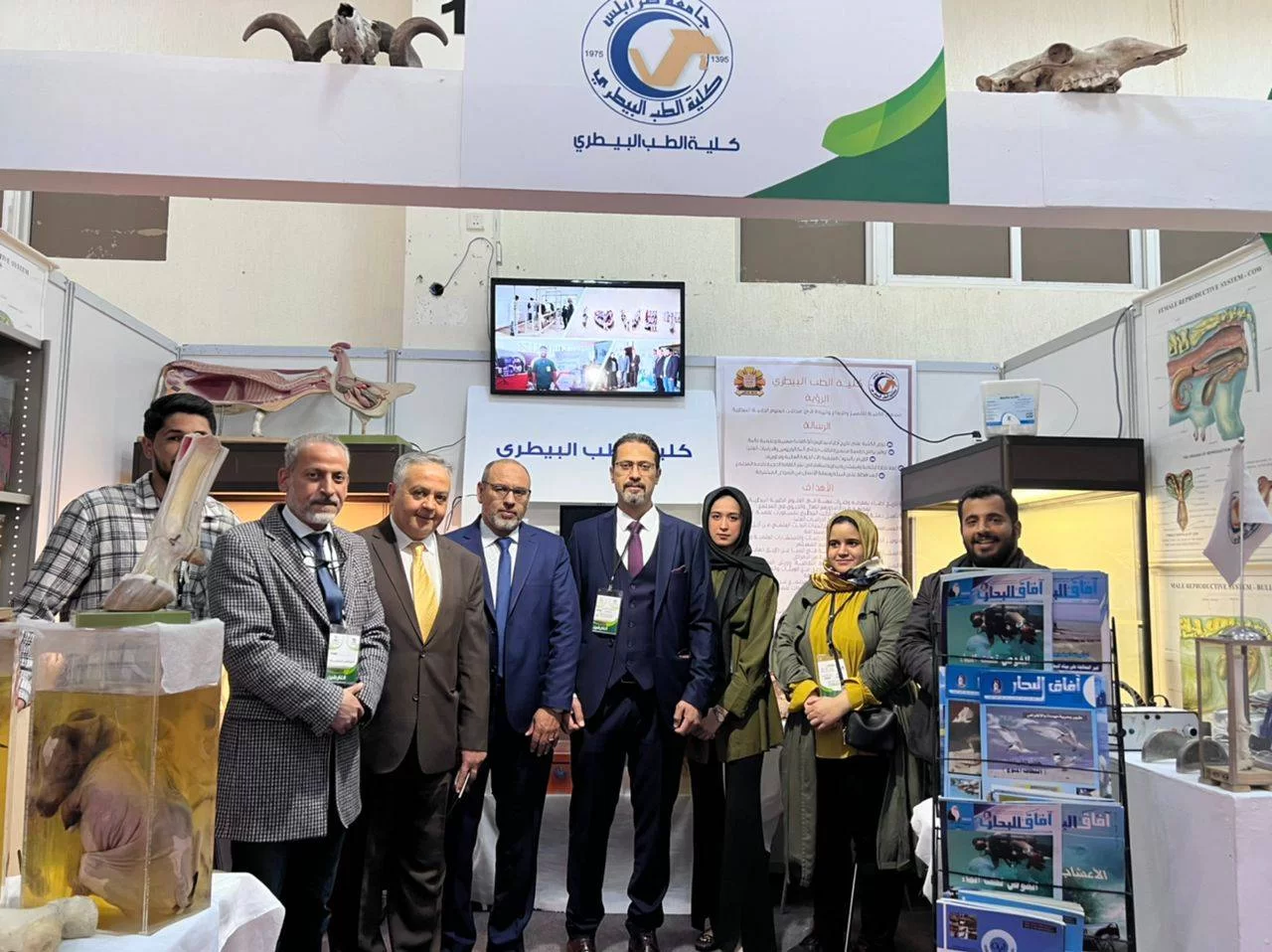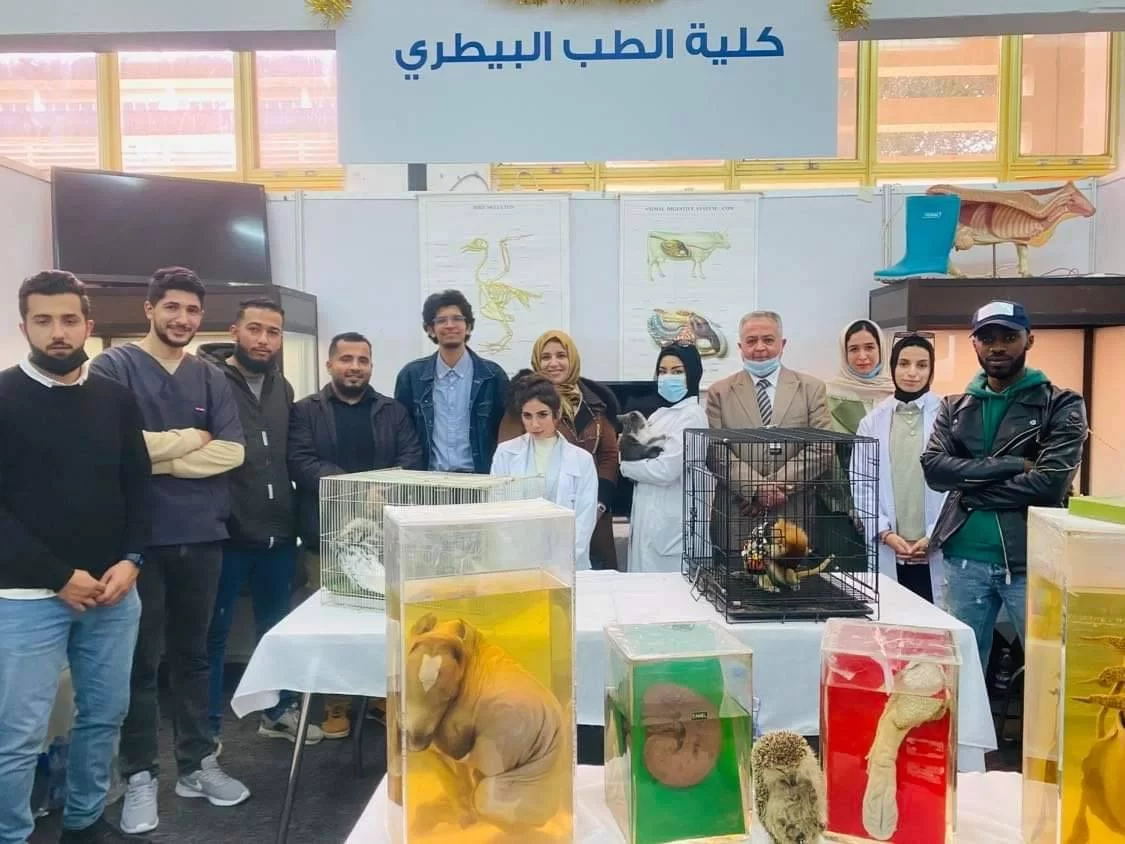
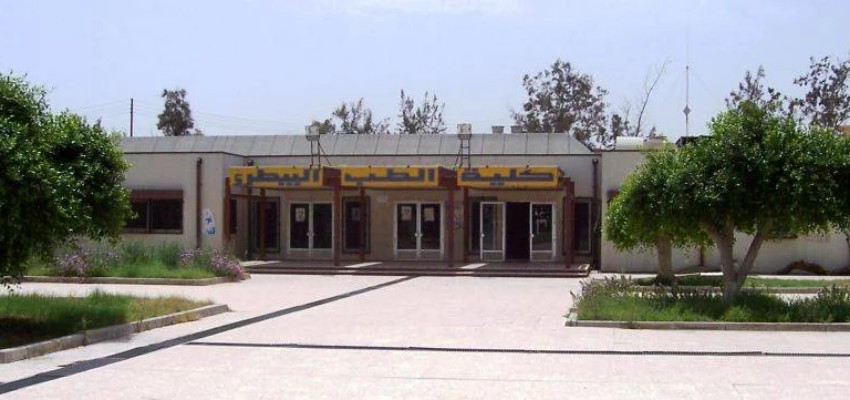


كلية الطب البيطري

المزيد ...

حول كلية الطب البيطري

تأسست كلية الطب البيطري عام 1975م كأول كلية للطب البيطري في ليبيا. تعد الكلية من قلاع العلم و المعرفة الهامة بجامعة طرابلس ومؤسسة علمية تلبي إحتياجات المجتمع من الأطباء البيطريين وتساهم في دعم الإقتصاد الوطني من خلال العناية بصحة الحيوان وزيادة الإنتاج الحيواني والمحافظة على صحة الإنسان وحماية البيئة.

حقائق حول كلية الطب البيطري

نفتخر بما نقدمه للمجتمع والعالم

194

المنشورات العلمية

86

هيئة التدريس

245

الطلبة

23

الخريجون

البرامج الدراسية

ماجستير أمراض الدواجن
تخصص أمراض الدواجن

يُنفذ هذا البرنامج من خلال دراسة مقررات دراسية، بحيث لا يقل عدد وحداتها عن (24) وحدة دراسية، وأن لا تزيد عن (30) وحدة دراسية على مدى 3 فصول، بالإضافة إلى إنجاز رسالة بحثية...

التفاصيل

ماجستير أمراض الاسماك
تخصص أمراض الاسماك

يُنفذ هذا البرنامج من خلال دراسة مقررات دراسية، بحيث لا يقل عدد وحداتها عن (24) وحدة دراسية، وأن لا تزيد عن (30) وحدة دراسية على مدى 3 فصول، بالإضافة إلى إنجاز رسالة بحثية...

التفاصيل


من يعمل بـكلية الطب البيطري

يوجد بـكلية الطب البيطري أكثر من 86 عضو هيئة تدريس

staff photo

أ.د. صلاح محمد محمد الزوي

صلاح الزوي هو احد اعضاء هيئة التدريس بقسم الاحياء الدقيقة والطفليات بكلية الطب البيطري. يعمل السيد صلاح الزوي بجامعة طرابلس كـأستاذ منذ 2005-02-13 وله العديد من المنشورات العلمية في مجال تخصصه

منشورات مختارة

بعض المنشورات التي تم نشرها في كلية الطب البيطري

Biosecurity and geospatial analysis of mycoplasma infections in poultry farms at Al-Jabal Al-Gharbi region of Libya

Geospatial database of farm locations and biosecurity measures are essential to control disease outbreaks. A study was conducted to establish geospatial database on poultry farms in Al-Jabal Al-Gharbi region of Libya, to evaluate the biosecurity level of each farm and to determine the seroprevalence of mycoplasma and its relation to biosecurity level. A field team of 7 Veterinarians belongs to the National Center of Animal Health was assigned for data recording and collection of blood samples. Personal information of the producers, geographical locations, biosecurity measures and description of the poultry farms were recorded. The total number of poultry farms in Al-Jabal Al-Gharbi Region is 461 farms distributed in 13 cities. Out of these, 102 broiler farms and one broiler breeder farm (10 houses) which were in operation during team visit were included in this study. Following collection of blood, sera were separated and tested by Enzyme-linked immunosorbent assay (ELISA) for the presence of antibodies against Mycoplasma (General antigen for M. gallisepticum and M. synoviae). The seroprevalence of Mycoplasma in the region was 28% (29 poultry farms out of 103 were infected). About 50% (23 out of 47) of poultry farms located in Garian city were infected with Mycoplasma and one significant cluster of Mycoplasma infection in the city was identified. Low level of biosecurity was found in poultry farms of the region. Out of the 103 farms included, 63% of poultry houses has a ground of soil and 44% of them has uncoated walls which may influence the proper cleaning and disinfection. Almost 100% of the farms are at risk of exposure to diseases transmitted by wild birds such as avian influenza and Newcastle disease due to absence of wild birds control program. Although, 81% of the farms have entry restrictions, only 20% have disinfectants at entry which increase the risk of exposure to pathogens. The results of this study highlight the weakness points of biosecurity measures in poultry farms of Al-Jabal Al-Gharbi region and high seroprevalence of mycoplasma. Data collected in this study will assist the Veterinary authorities to apply effective disease control strategies.
Abdulwahab Kammon(3-2017)
Publisher's website

Antibacterial effects of natural tenderizing enzymes on different strains of Escherichia coli O157:H7 and Listeria monocytogenes on beef

This study determined the efficacy of actinidin and papain on reducing Listeria monocytogenes and three mixed strains of Escherichia coli O157:H7 populations on beef. The average reduction of E. coli O157:H7 was greater than that of L. monocytogenes and higher concentrations of either protease yielded greater reduction in bacterial populations. For instance, actinidin at 700 mg/ml significantly (p ≤ 0.05) reduced the population of L. monocytogenes by 1.49 log cfu/ml meat rinse after 3 h at 25 & 35 °C, and by 1.45 log cfu/ml rinse after 24 h at 5 °C, while the same actinidin concentration significantly reduced the populations of three mixed strains of E. coli O157:H7 by 1.81 log cfu/ml rinse after 3 h at 25 & 35 °C, and 1.94 log cfu/ml rinse after 24 h at 5 °C. These findings suggest that, in addition to improving the sensory attributes of beef, proteolytic enzymes can enhance meat safety when stored at suitable temperatures.
Hesham Taher Naas(12-2013)
Publisher's website

Prevalence and antimicrobial resistance of Staphylococcus species isolated from cats and dogs

Abstract Background: Methicillin-resistant staphylococci (MRS) are an emerging global problem with serious public health concern. Aims: This study investigated the prevalence and antimicrobial susceptibility of commensal Staphylococcus species isolated from healthy and clinical cats and dogs. Methods: Nasal swab samples were collected from animals and processed using selective and semi-selective mediums. Presumptive isolates were subjected to biochemical testing and analyzed using the Phoenix automated identification and susceptibility testing system. PCRs protocols were used to screen for mecA and pvl genes. Results: In total, 151 pets (103 cats and 48 dogs) were enrolled, of which 14 dogs (29%) and 24 cats (23%) were colonized with various Staphylococcus species mainly originated from healthy animals. A total of 38 staphylococci isolates were collected and distributed between 24 coagulase-negative and 14 coagulase-positive staphylococci. Only 13 staphylococci strains were identified as MRS, out of which only five isolates expressed that the mecA gene exclusively originated from healthy pets. Conclusion: This is the first study reporting the prevalence and colonization status of staphylococci species and MRS strains isolated from cats and dogs in Libya. The study reports important information of medical and clinical importance on antimicrobial and multidrug resistance of different staphylococci strains, particularly the coagulase negative species. Keywords: Coagulase-negative staphylococci; Libya; Staphylococcus; mecA gene; pet animals.
Mohamed O. Ahmed, Et Al.(1-2021)
Publisher's website

قناة كلية الطب البيطري

بعض الفيديوات التي تعرض مناشط كلية الطب البيطري

اطلع علي المزيد