كلية الطب البيطري

المزيد ...

حول كلية الطب البيطري

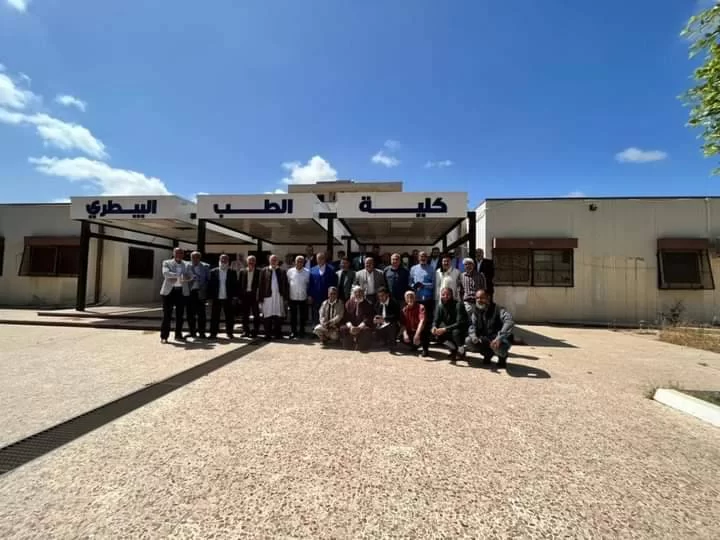
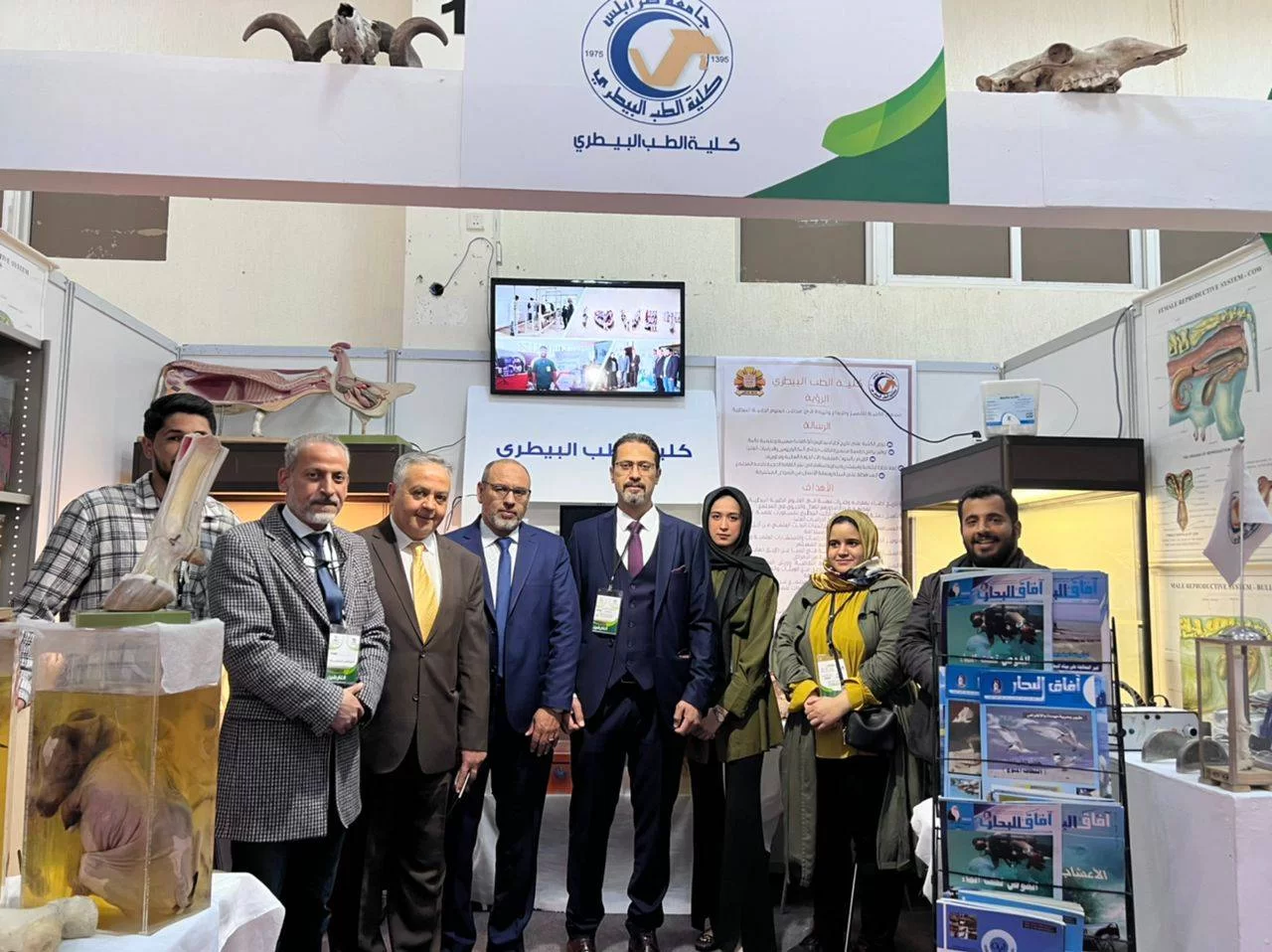
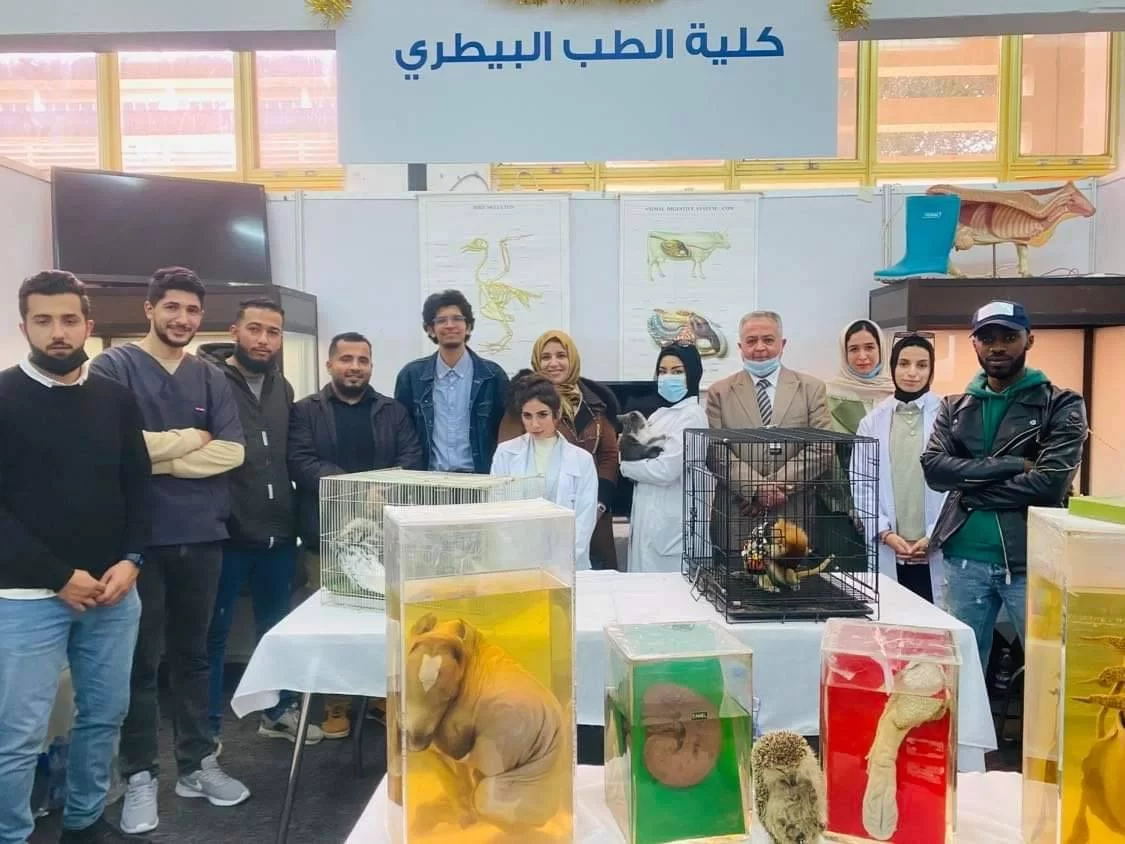
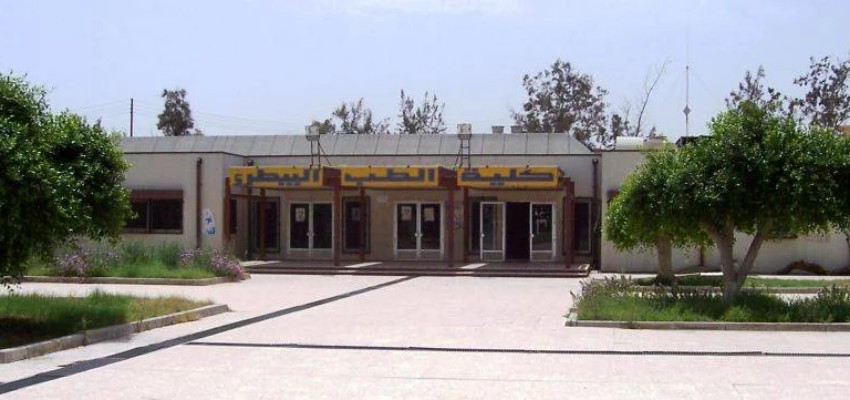
تأسست كلية الطب البيطري عام 1975م كأول كلية للطب البيطري في ليبيا. تعد الكلية من قلاع العلم و المعرفة الهامة بجامعة طرابلس ومؤسسة علمية تلبي إحتياجات المجتمع من الأطباء البيطريين وتساهم في دعم الإقتصاد الوطني من خلال العناية بصحة الحيوان وزيادة الإنتاج الحيواني والمحافظة على صحة الإنسان وحماية البيئة.

حقائق حول كلية الطب البيطري

نفتخر بما نقدمه للمجتمع والعالم

194

المنشورات العلمية

86

هيئة التدريس

245

الطلبة

23

الخريجون

البرامج الدراسية

ماجستير أمراض الدواجن
تخصص أمراض الدواجن

يُنفذ هذا البرنامج من خلال دراسة مقررات دراسية، بحيث لا يقل عدد وحداتها عن (24) وحدة دراسية، وأن لا تزيد عن (30) وحدة دراسية على مدى 3 فصول، بالإضافة إلى إنجاز رسالة بحثية...

التفاصيل

ماجستير أمراض الاسماك
تخصص أمراض الاسماك

يُنفذ هذا البرنامج من خلال دراسة مقررات دراسية، بحيث لا يقل عدد وحداتها عن (24) وحدة دراسية، وأن لا تزيد عن (30) وحدة دراسية على مدى 3 فصول، بالإضافة إلى إنجاز رسالة بحثية...

التفاصيل

من يعمل بـكلية الطب البيطري

يوجد بـكلية الطب البيطري أكثر من 86 عضو هيئة تدريس

staff photo

أ.د. عمرى ميلاد محمد أبوعرقوب

عمرى ميلاد أبوعرقوب هو احد اعضاء هيئة التدريس بقسم الامراض الباطنية بكلية الطب البيطري. يعمل السيد عمرى ميلاد أبوعرقوب بجامعة طرابلس كـأستاذ منذ 2006-04-01 وله العديد من المنشورات العلمية في مجال تخصصه

منشورات مختارة

بعض المنشورات التي تم نشرها في كلية الطب البيطري

Knowledge, Attitudes, and Practices of COVID-19 Among Medical Staff Doctors at Tripoli University Teaching Hospitals

The Corona virus disease 19 (COVID-19) is a new global pandemic. World Health Organization (WHO) declared COVID-19 a public health emergency of international concern. Health Care Works (HCWs) are the primary sectors in contact with suspected patients. Thus, the knowledge, attitudes and practices of HCWs towards COVID-19 remain unclear. The objectives: To investigate the knowledge, attitudes and practices of Medical doctors about COVID-19 at Tripoli University Teaching Hospitals. Methods: This crosssectional survey was conducted from April 30 to 29 May, the week immediately after first case of COVID-19 reported in Libya. A pilot trail questionnaire was distributed and filled by taking the relevant information from medical staff doctors working at various medical and surgical units. The data coded according to variable and analysed by SPSS. Results: Of (250) participants, a total (100) of Medical staff doctors completed the surve\ (response rate 40%). The participants¶ qualification was (64%) MBBS, (14%) Master degree, (16%) PhD and (6%) professors. the mean age 35 years. (42%) were male and (58%) female participants. Most of the medical staff doctors (70%) were GPs, (22%) were specialists, (6%) were internship doctors and (2%) were consultants. Questionnaire survey revealed that (18%) of the respondents reported working experience of >20 years. The survey was considered if the Medical doctor in frontline healthcare workers (FLHCWs), our results demonstrate that, only 30% of medical staff doctors was provided care of COVID-19 patients while 70% was not in the FLHCWs. Most participants (79%) reported that no specific treatment of COVID-19. A significant proportion of medical doctors (68%) had good knowledge of the transmission, diagnostic method & prevention of COVID-19. According to the case report definition of WHO and ECDC, the survey results showed (69%) of the respondents reported that, the test should be repeated if the first RT-PCR results were negative from the patient represent the typical clinical symptoms of COVID-19. Our questionnaire survey revealed that (68%) of the medical staff doctors¶ participants agree that wearing face masks prevent the infection while (32%) reported that wearing face masks could not prevent the infection. Overall, Medical staff doctors in Tripoli University Teaching Hospital showed expected level of knowledge and attitudes about COVID-19. The findings survey suggests that due to the limited medical staff doctor¶s representative, it must be cautious when generalizing these findings to other medical doctors residing in other regions of the country. As intentional threat of COVID-19 continuous to emerge, the results survey highlights the importance of continuous health educational programs from the government and national health authorities that well improve and updated knowledge of the HCWs regarding COVID-19, which also result in increasing their attitudes and practices towards COVID-19. Further studies are warranted to confirm our findings. arabic 17 English 99
ِAbdusalam Sharef (12-2020)
Publisher's website

Familial Clustering and Re-infection with 2019 Novel Coronavirus (2019-nCoV, SARS-CoV-2) in the Libyan Community

Since its emergence as a major cause of coronavirus pneumonia, SARS-CoV-2 has spread quickly all over the world. The pandemic has affected all aspects of life and continues to spread despite the stringent control measures. Meanwhile, scientists all around the world have been scrambling to ascertain how the virus spreads and find out the effective ways to put this outbreak quickly under control, focusing on both persistent strict domestic interventions and vigilance against exogenous imported cases (1,2). Several cases of family clusters have been reported and evidence of person-to-person transmission has been confirmed. Indicating the importance of early detection and isolation of infected patients (3,4). Hence then special caution is needed for asymptomatic patients particularly for family members.
Daw MA, Ahmed MO, ET AL.(1-2021)
Publisher's website

بعض التجارب التطبيقية لتحسين الخصوبة في نعاج البربري الليبية Some Applicatory Trials for Improvement of Fertility in Barbary Libyan Ewes

تم إجراء هذه الدراسة بمنطقة الزاوية و التي تبعد 60 كم غرب مدينة طرابلس في مزارع خاصة للأغنام. أجريت الدراسة في الفترة الزمنية من شهر ناصر(يونيو) 2008 إلي شهر هانيبال (أغسطس) 2009. لقد كانت أهداف هذه الدراسة, البحث و التقصي عن موسمية التناسل و تقييم فعالية عدد من المعالجات الهرمونية في إحداث الشبق و توحيده لتحسين الأداء التناسلي للنعاج البربري الليبية. ولتحقيق هذه الأهداف, تم تنفيذ أربع تجارب مستخدمين فيها 475 نعجة بربري ليبية سليمة و خصبة إضافة إلي عشر كباش سليمة وخصبة من نفس السلالة. التجربة الأولى: تم استخدام 300 نعجة لدراسة عن الموسمية التناسلية لهذه النعاج باستخدام البروستاجلاندين α2F (PGF2α ). قسمت الحيوانات إلي أربع مجاميع و حسب فصول السنة (100, 55, 100و 45 نعجة) للصيف, الخريف, الشتاء و الربيع على التوالي, تم تقسيم كل مجموعة من هذه المجاميع إلي مجموعتين (مجموعة المعالجة و مجموعة المراقبة), تم حقن مجموعة المعالجة بجرعتين (125ميكروجرام( من PGF2α بالعضل بفاصل 11 يوما بين الجرعة الأولى و الثانية. بينما تم حقن مجموعة المراقبة 1 مليلتر بالعضل من المحلول الفسيولوجي (NaCl 0.9) بجرعتين بفاصل 11 يوما بينهما. عند الانتهاء من حقن الجرعة الثانية في كلتا المجموعتين, تم إدخال الكباش للتلقيح الطبيعي لمدة ستة أيام. كانت الفترة الزمنية لظهور علامات الشبق بعد الانتهاء من المعالجة (الجرعة الثانية) مختلفة معنويا جدا (P
نجمي محمد المريول (2011)
Publisher's website

قناة كلية الطب البيطري

بعض الفيديوات التي تعرض مناشط كلية الطب البيطري

اطلع علي المزيد