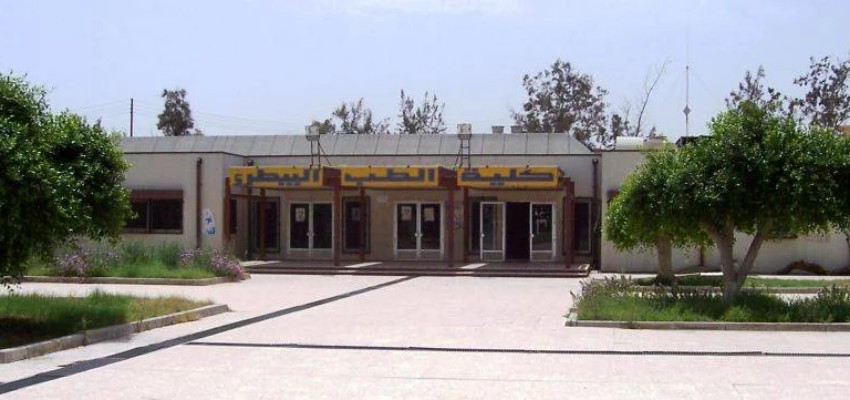
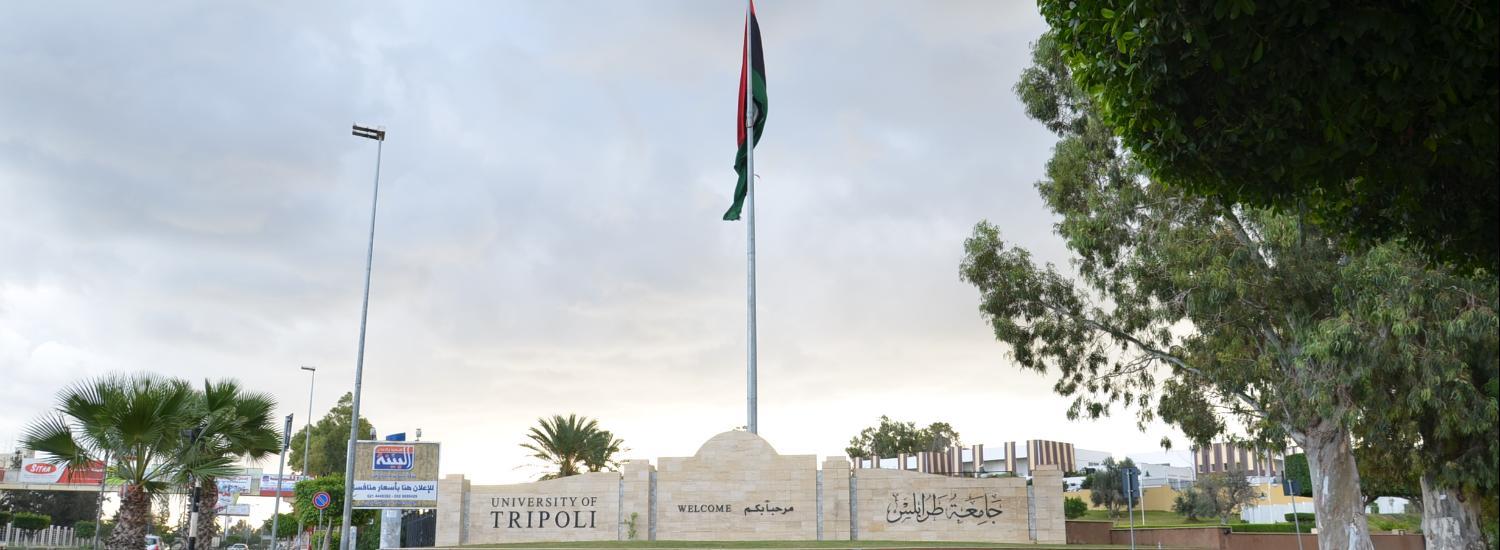
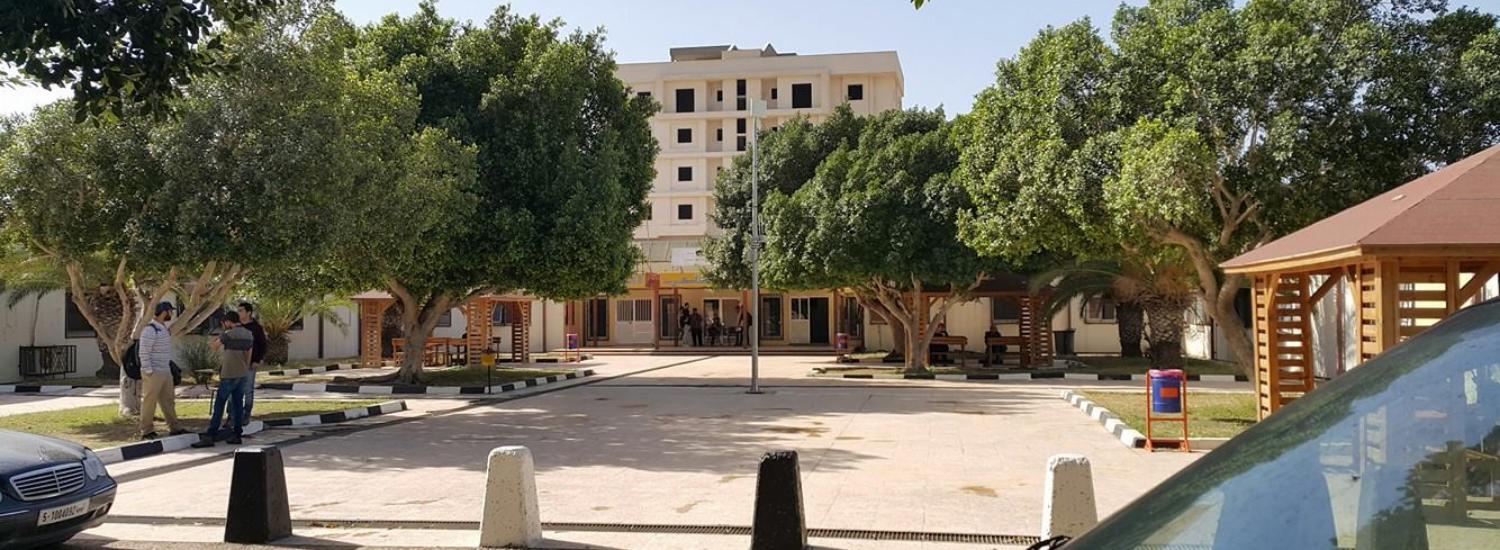
كلية الطب البيطري

المزيد ...

حول كلية الطب البيطري

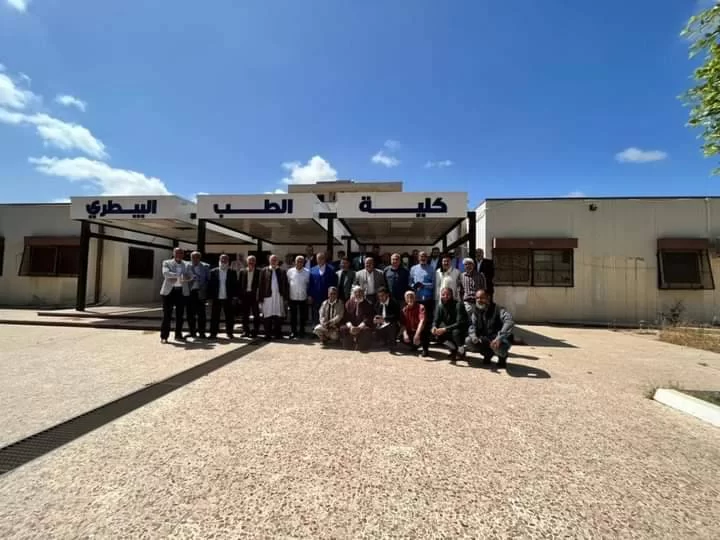
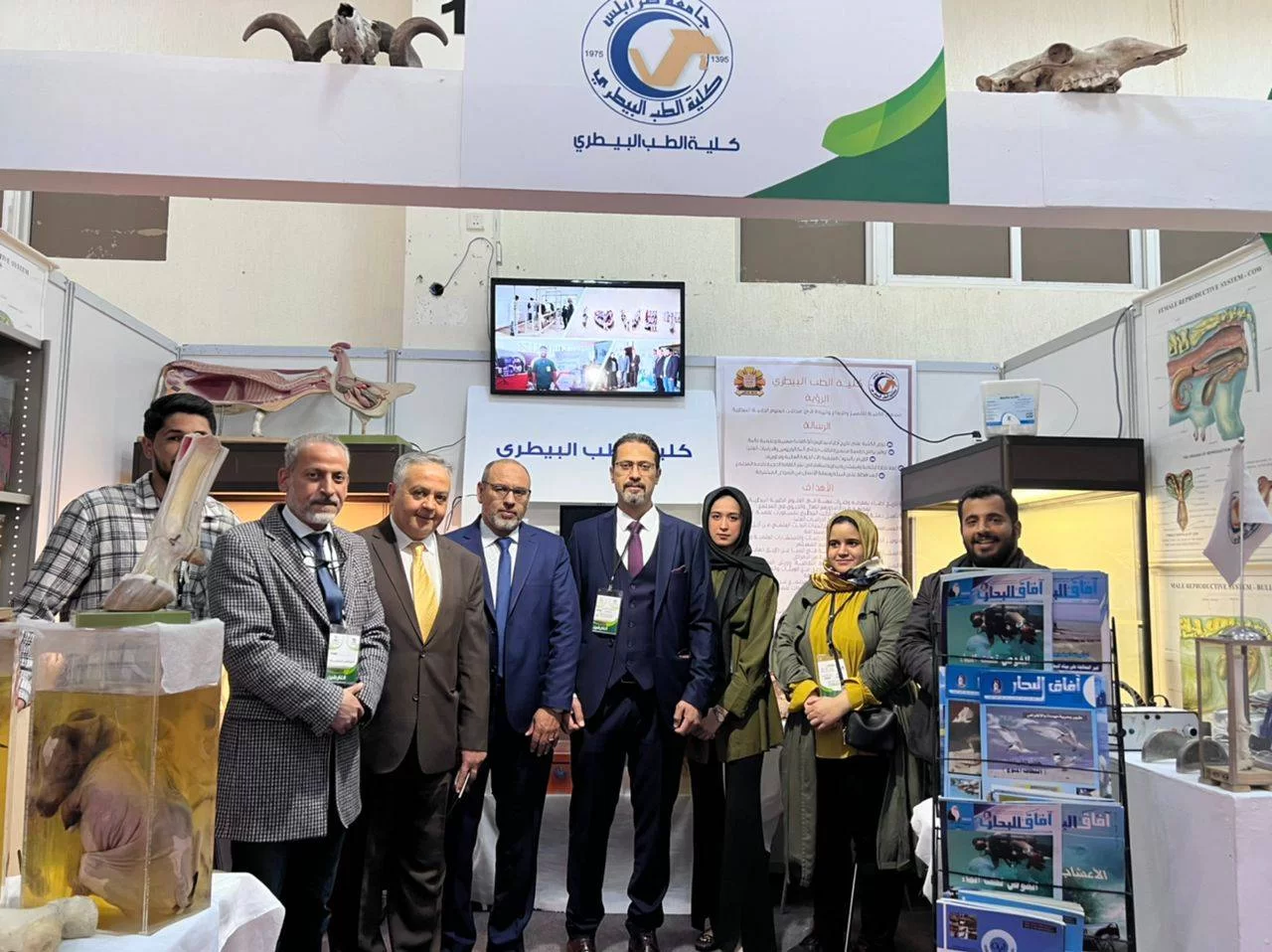
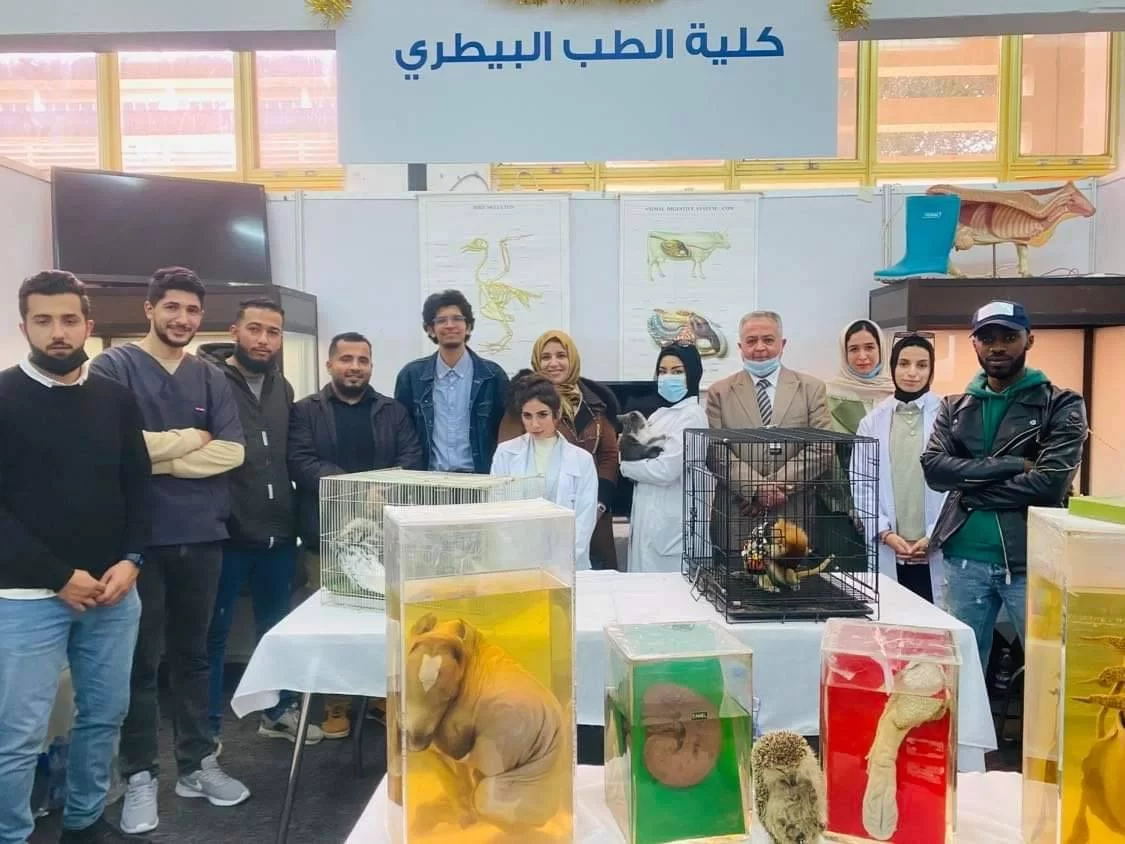
تأسست كلية الطب البيطري عام 1975م كأول كلية للطب البيطري في ليبيا. تعد الكلية من قلاع العلم و المعرفة الهامة بجامعة طرابلس ومؤسسة علمية تلبي إحتياجات المجتمع من الأطباء البيطريين وتساهم في دعم الإقتصاد الوطني من خلال العناية بصحة الحيوان وزيادة الإنتاج الحيواني والمحافظة على صحة الإنسان وحماية البيئة.

حقائق حول كلية الطب البيطري

نفتخر بما نقدمه للمجتمع والعالم

194

المنشورات العلمية

86

هيئة التدريس

245

الطلبة

23

الخريجون

البرامج الدراسية

ماجستير أمراض الدواجن
تخصص أمراض الدواجن

يُنفذ هذا البرنامج من خلال دراسة مقررات دراسية، بحيث لا يقل عدد وحداتها عن (24) وحدة دراسية، وأن لا تزيد عن (30) وحدة دراسية على مدى 3 فصول، بالإضافة إلى إنجاز رسالة بحثية...

التفاصيل

ماجستير أمراض الاسماك
تخصص أمراض الاسماك

يُنفذ هذا البرنامج من خلال دراسة مقررات دراسية، بحيث لا يقل عدد وحداتها عن (24) وحدة دراسية، وأن لا تزيد عن (30) وحدة دراسية على مدى 3 فصول، بالإضافة إلى إنجاز رسالة بحثية...

التفاصيل

من يعمل بـكلية الطب البيطري

يوجد بـكلية الطب البيطري أكثر من 86 عضو هيئة تدريس

staff photo

أ.د. عمرى ميلاد محمد أبوعرقوب

عمرى ميلاد أبوعرقوب هو احد اعضاء هيئة التدريس بقسم الامراض الباطنية بكلية الطب البيطري. يعمل السيد عمرى ميلاد أبوعرقوب بجامعة طرابلس كـأستاذ منذ 2006-04-01 وله العديد من المنشورات العلمية في مجال تخصصه

منشورات مختارة

بعض المنشورات التي تم نشرها في كلية الطب البيطري

Bovine digital dermatitis and severe virulent ovine foot rot: a common spirochaetal pathogenesis

A potential pathological role for spirochaetes in bovine digital dermatitis (bovine DD) and severe virulent ovine foot rot (SVOFR) has been considered and a treponeme isolate obtained from each disease in the UK. In this work, we have investigated the hypothesis that the two diseases may have a shared (common) spirochaetal aetiology. Experiments were designed to identify serological similarities and differences between the two spirochaetes; an enzyme-linked immunosorbent assay (ELISA) was developed to detect anti-treponeme antibodies in the sera of cows and sheep against the two-treponeme isolates. Sera were further tested for antigen reactivity by Western blotting. Cattle and sheep with bovine DD and SVOFR, respectively, had increased seropositivity rates to both treponeme isolates, with different patterns of reactivity between farms. In some cattle herds, significant correlations were shown between antibodies to bovine DD treponemes and SVOFR treponemes (P0.05); sheep showed strong evidence of reactivity to one or the other treponeme antigens, but never to both. Western blotting against both treponeme antigens showed that they frequently displayed different antigen epitopes, although some minor bands were common to both organisms. The data suggest that there are a number of spirochaetes in UK farms, which could be involved in the pathogenesis of either bovine DD or SVOFR. arabic 13 English 83
Abdulgader Dhawi Alfitouri Dhawi(1-2021)
Publisher's website

Bacillus cereus as an emerging public health concern in Libya: Isolation and antibiogram from food of animal origin

Background: This study was conducted to investigate the presence of Bacillus cereus in meat, meat products and some seafood in Libya. Materials and Methods: A hundred and thirty one samples were collected from different geographic localities in Libya. The samples were subjected to microbiological analysis for enumeration and isolation of B. cereus by conventional cultural, biochemical and molecular identification by using PCR and partial sequencing of 16S rDNA techniques. Results: Out of 131 samples, only 38 (29%) isolates were found to be B. cereus based on their cultural characteristics on MYP medium, that included 30% beef, 38.2% beef products (minced, burger, kabab and sausage), 31.8% camel meat and 48% chicken products (burger, sausage, kabab and liver). However, B. cereus was not detected from mutton and seafood samples. Seventeen isolates were subjected to molecular identification by using PCR and partial sequencing of 16S rDNA technique and confirmed to be B. cereus. The confirmed B. cereus strains tested for their antibiotic sensitivity profiles and showed high percentage of multi-resistance phenotype. Conclusions: The results provide better understanding of B. cereus isolated from food of animal origin in Libya and suggest that meat and meat products might play an important role in the spreading of B. cereus through the food chain with antimicrobial resistance characteristics.
Salah M.Azwai(1-2018)
Publisher's website

Detection and molecular characterization of infectious laryngotracheitis virus in laying hens in libya

LOCUS KF632582 547 bp DNA linear VRL 07-DEC-2013 DEFINITION Gallid herpesvirus 1 strain ILT-1 glycoprotein G gene, partial cds. ACCESSION KF632582 VERSION KF632582.1
Abdulatif Asheg(9-2013)
Publisher's website

قناة كلية الطب البيطري

بعض الفيديوات التي تعرض مناشط كلية الطب البيطري

اطلع علي المزيد