كلية الطب البيطري

المزيد ...

حول كلية الطب البيطري

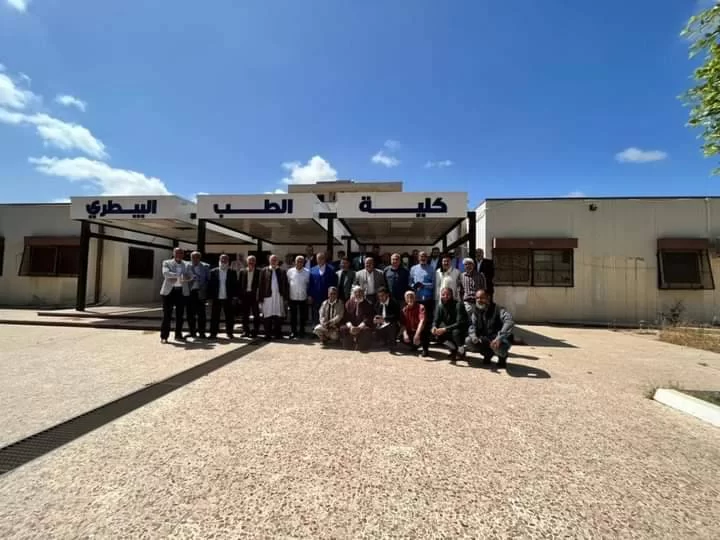
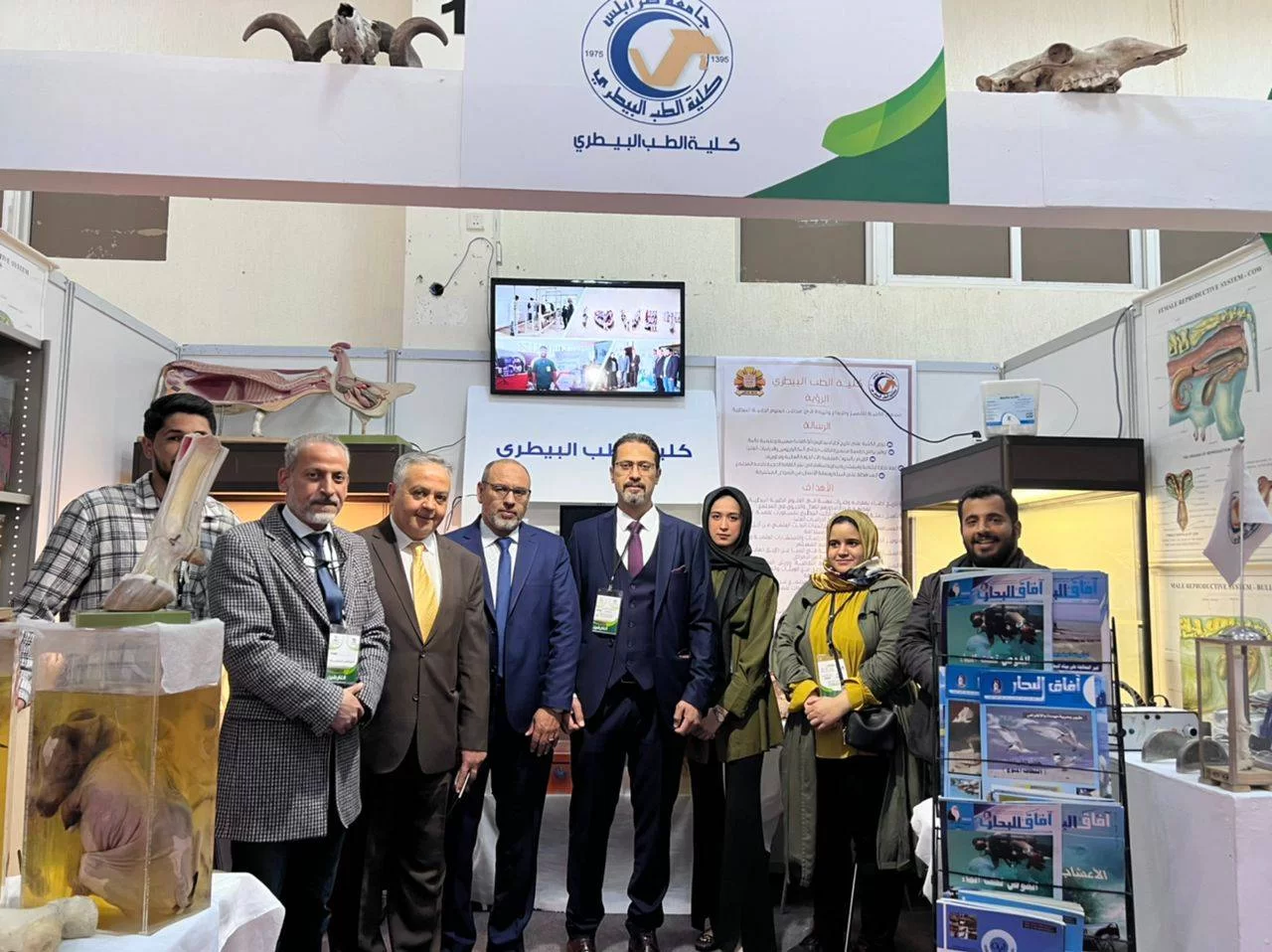
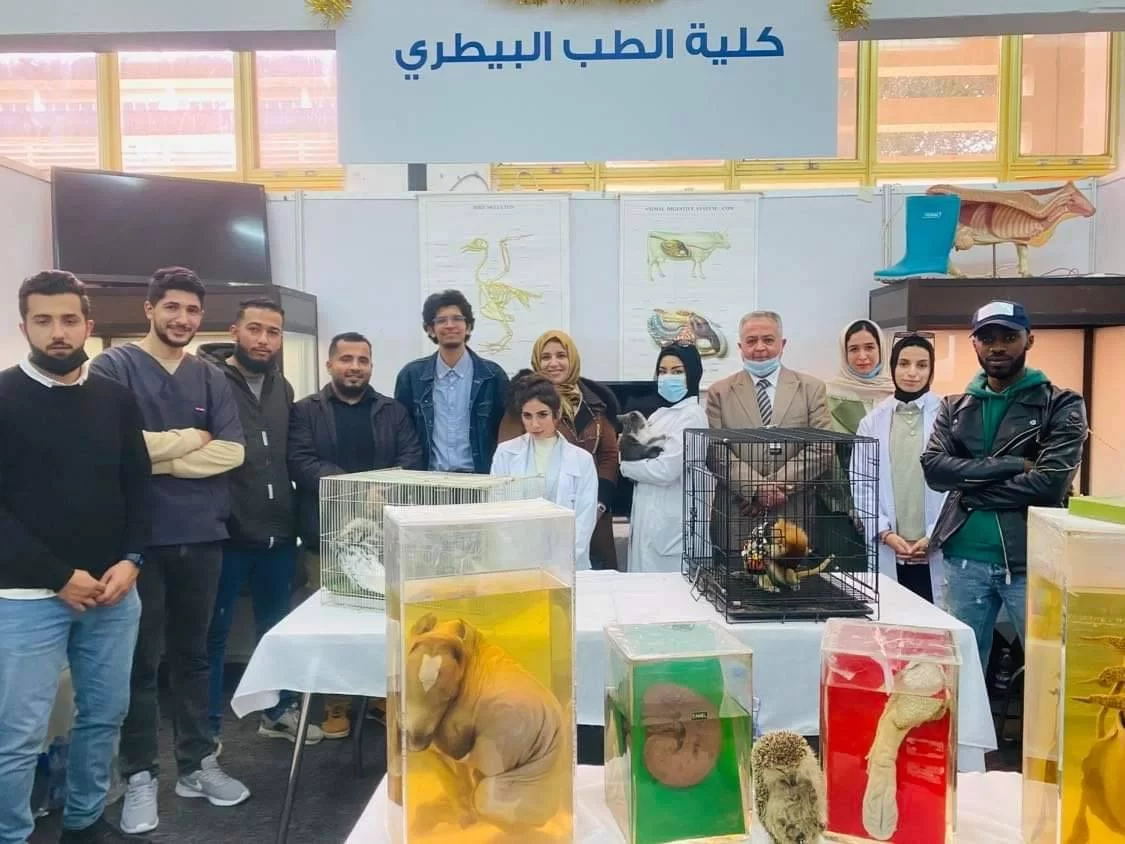
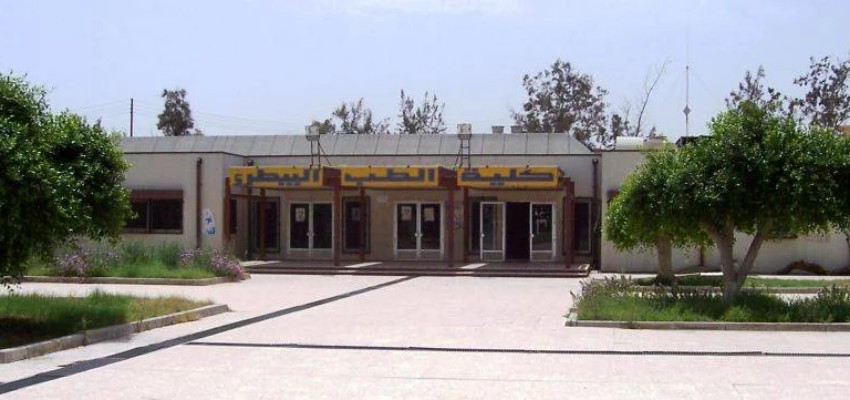
تأسست كلية الطب البيطري عام 1975م كأول كلية للطب البيطري في ليبيا. تعد الكلية من قلاع العلم و المعرفة الهامة بجامعة طرابلس ومؤسسة علمية تلبي إحتياجات المجتمع من الأطباء البيطريين وتساهم في دعم الإقتصاد الوطني من خلال العناية بصحة الحيوان وزيادة الإنتاج الحيواني والمحافظة على صحة الإنسان وحماية البيئة.

حقائق حول كلية الطب البيطري

نفتخر بما نقدمه للمجتمع والعالم

194

المنشورات العلمية

86

هيئة التدريس

245

الطلبة

23

الخريجون

البرامج الدراسية

ماجستير أمراض الدواجن
تخصص أمراض الدواجن

يُنفذ هذا البرنامج من خلال دراسة مقررات دراسية، بحيث لا يقل عدد وحداتها عن (24) وحدة دراسية، وأن لا تزيد عن (30) وحدة دراسية على مدى 3 فصول، بالإضافة إلى إنجاز رسالة بحثية...

التفاصيل

ماجستير أمراض الاسماك
تخصص أمراض الاسماك

يُنفذ هذا البرنامج من خلال دراسة مقررات دراسية، بحيث لا يقل عدد وحداتها عن (24) وحدة دراسية، وأن لا تزيد عن (30) وحدة دراسية على مدى 3 فصول، بالإضافة إلى إنجاز رسالة بحثية...

التفاصيل


من يعمل بـكلية الطب البيطري

يوجد بـكلية الطب البيطري أكثر من 86 عضو هيئة تدريس

staff photo

د. هدى حسن المختار القريو

هدى القريو هي احد اعضاء هيئة التدريس بقسم الاحياء الدقيقة والطفليات بكلية الطب البيطري. تعمل السيدة هدى القريو بجامعة طرابلس كـمحاضر منذ 20-06-2012 ولها العديد من المنشورات العلمية في مجال تخصصها. تم تكليفها كرئيس مكتب خدمة شئون البيئة والمجتمع بكلية الطب البيطري / جامعة طرابلس في 2020 . ثم تكليفها بمنصب وكيل الكلية للشؤون العلمية بموجب قرار وزاري رقم 541 لسنة 2021 بتاريخ 28. 9. 2021

منشورات مختارة

بعض المنشورات التي تم نشرها في كلية الطب البيطري

Electorophysiological Study on the Interplay between Purinergic Nerves and Endothelial Cells in the Chicken Anterior Mesenteric Artery

Nerves and Endothelial Cells in the Chicken Anterior Mesenteric Artery arabic 16 English 118
Marwan Draid(1-2006)
Publisher's website

A Study of Bacterial Contamination on Libyan Paper Banknotes in Circulation

Paper currency is one of the potential vectors to transmit diseases, since banknotes continuously pass through different hands, as a medium of exchange, which increases the possibility of transferring pathogenic microorganisms and thus cross contamination. This study was carried out on one hundred and ninety-eight paper currency notes that were collected randomly in the city of Tripoli, Libya, from different communities namely, petrol and gas stations, supermarkets, mini markets, cafeterias and fast food restaurants, etc. The samples consist of four pieces, each of currency (Dirham) denominations (250, 500, 1.000 and 5.000 notes). Conventional and current microbiological techniques were used in order to isolate and identify the species of microorganisms that resulted in the following percentages: Enterobacter agglomerans 19%, Pseudomonas spp. 16%, S. aureus, Enterobacter cloacae 11%, Klebsiella pneumonia 11% and E. coli 10%. These results indicate that Libyan banknotes are commonly contaminated with pathogenic bacteria, which have the possibility of spreading human diseases. Higher denomination currency showed lower contamination. Consequently, great care should be taken during the handling of money for the safety of human health. arabic 10 English 65
Abdulgader Dhawi Alfitouri Dhawi(1-2021)
Publisher's website

Exploiting serological data to understand the epidemiology of foot-and-mouth disease virus serotypes circulating in Libya

Sporadic outbreaks of foot-and-mouth disease (FMD) have occurred in Libya for almost fifty years. During the spring of 2013, a countrywide serosurvey was undertaken to assess the level of FMD virus circulation and identify FMD virus serotypes in the country. A total of 4221 sera were collected, comprising samples from large ruminants (LR; n=1428 samples from 357 farms) and small ruminants (SR; n=2793 samples from 141 farms). FMD sero-prevalence of NSP antibodies determined by ELISA were 19.0% (271/1428) with 95% CI (16.9 – 21.0) and 13.5% (378/2793) with 95% CI (12.3 – 14.8) for LR and SR samples, respectively. The sero-prevalence of NSP antibodies in LR was 12.3% and 19.8% for age group < 1 year and ≥ 1 year, respectively (X2= 4.95, P= 0.026), while in SR was 3.7%, 13.6% and 21.3% for age group < 1 year, 1-2 year and > 2 year, respectively (X2= 118.1, P= 0.000). These observed NSP serologic profiles support the hypothesis of an endemic level of FMD circulation in Libya. All positive sera were tested for SP antibodies for O, A and SAT-2 FMD virus serotypes. Serotype O was the dominant circulating serotype followed by serotype A, while evidence of SAT-2 was not found. These data provide an insight into the wider epidemiology of FMD in Libya, and contribute to field and laboratory investigations that during 2013 serotype O (O/ME-SA/Ind-2001 lineage) was isolated from clinical samples collected from the country.
Ibrahim Eldaghayes(1-2017)
Publisher's website

قناة كلية الطب البيطري

بعض الفيديوات التي تعرض مناشط كلية الطب البيطري

اطلع علي المزيد