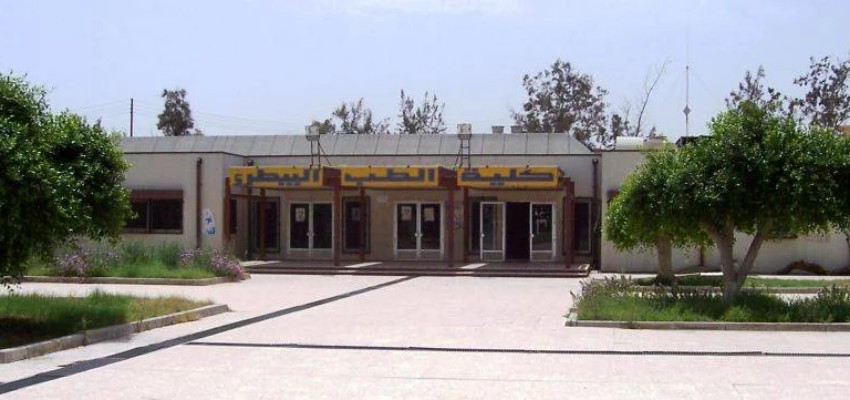
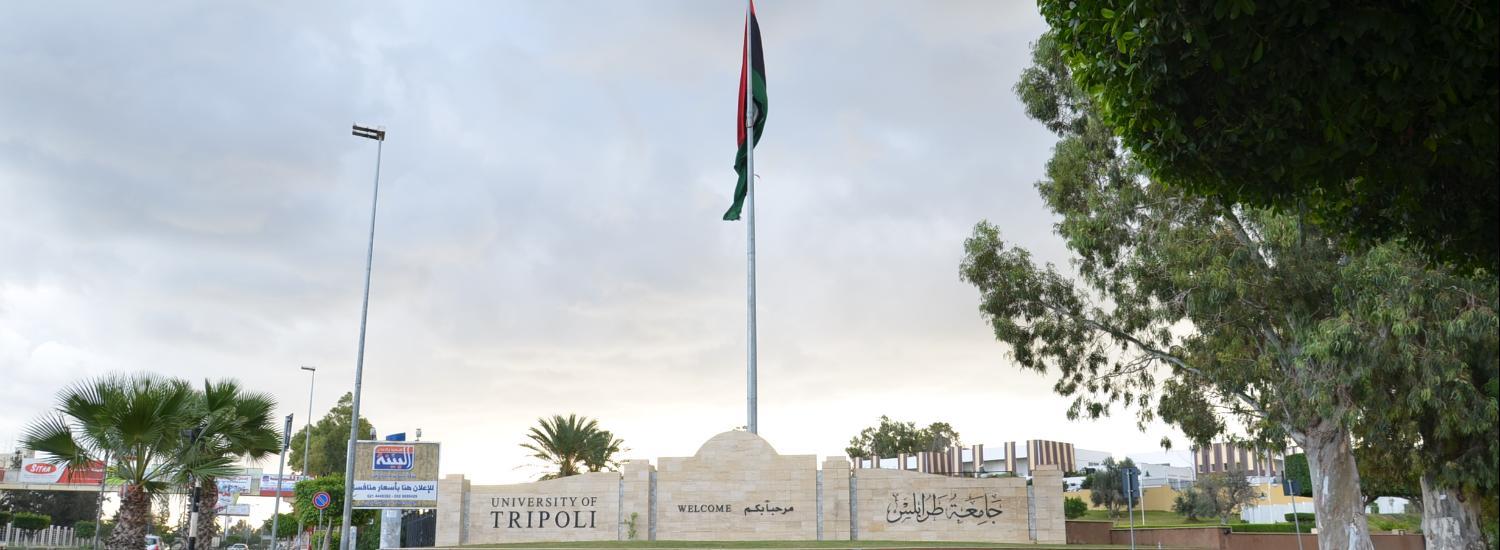
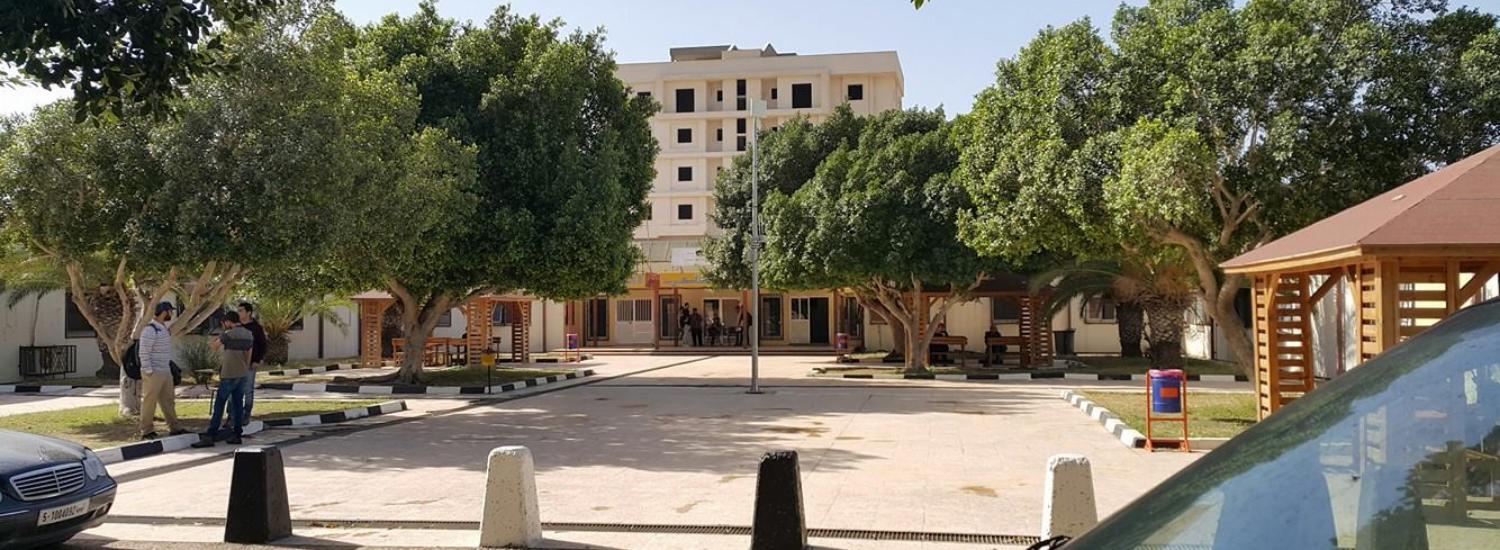
كلية الطب البيطري

المزيد ...

حول كلية الطب البيطري

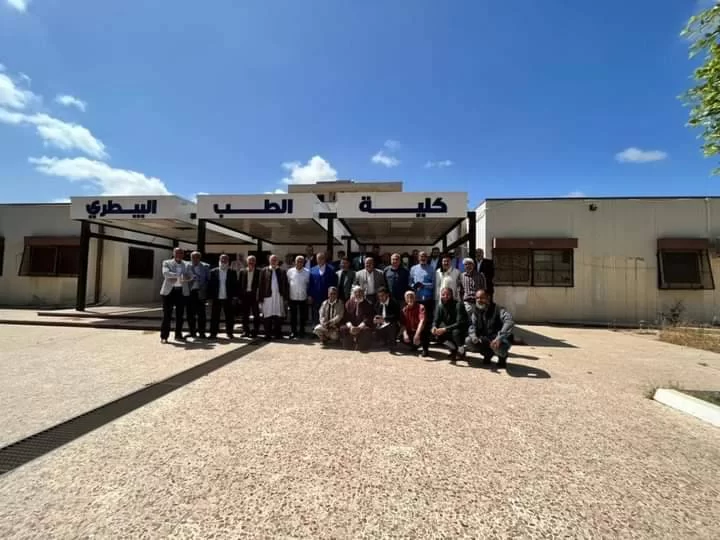
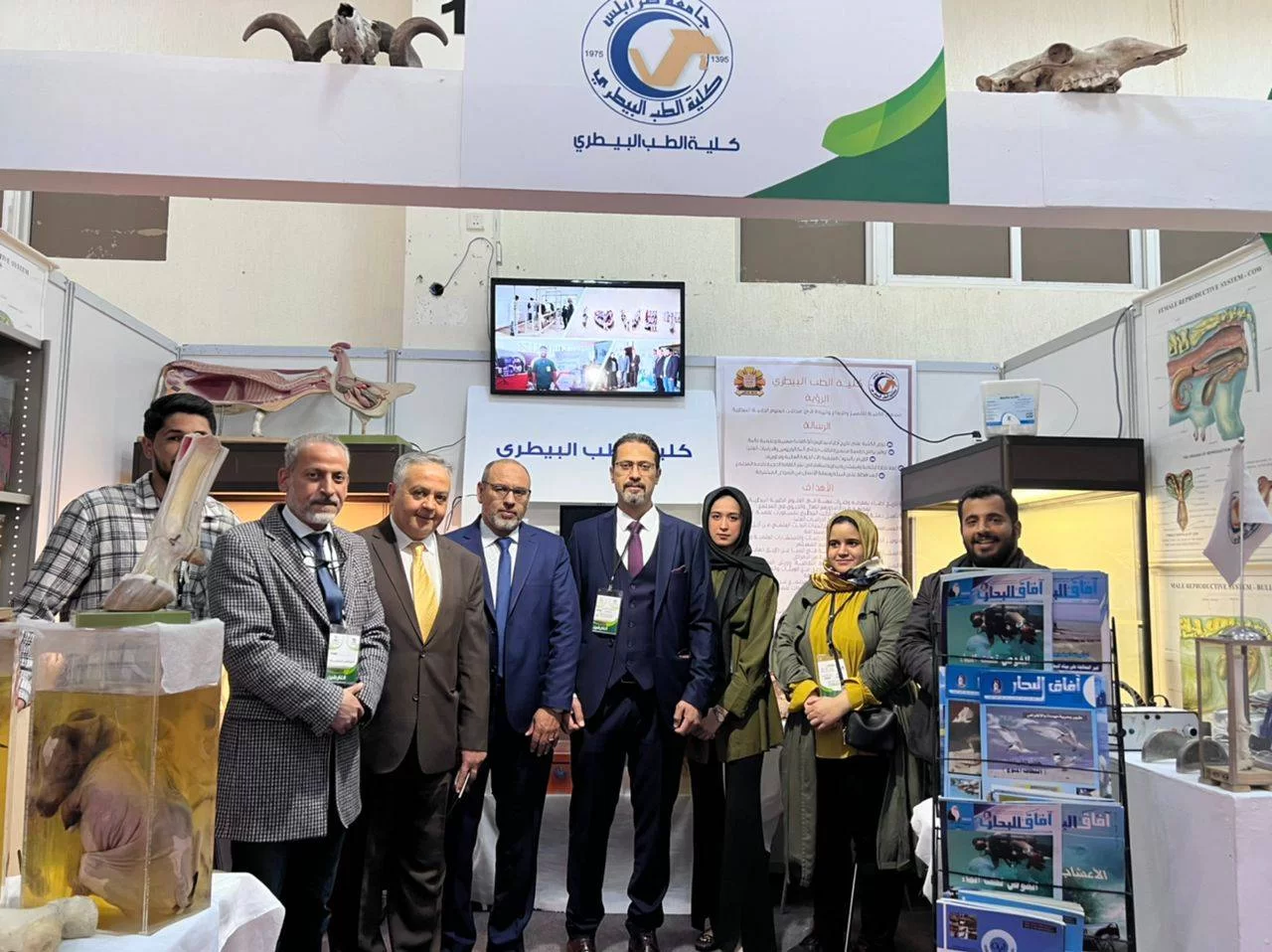
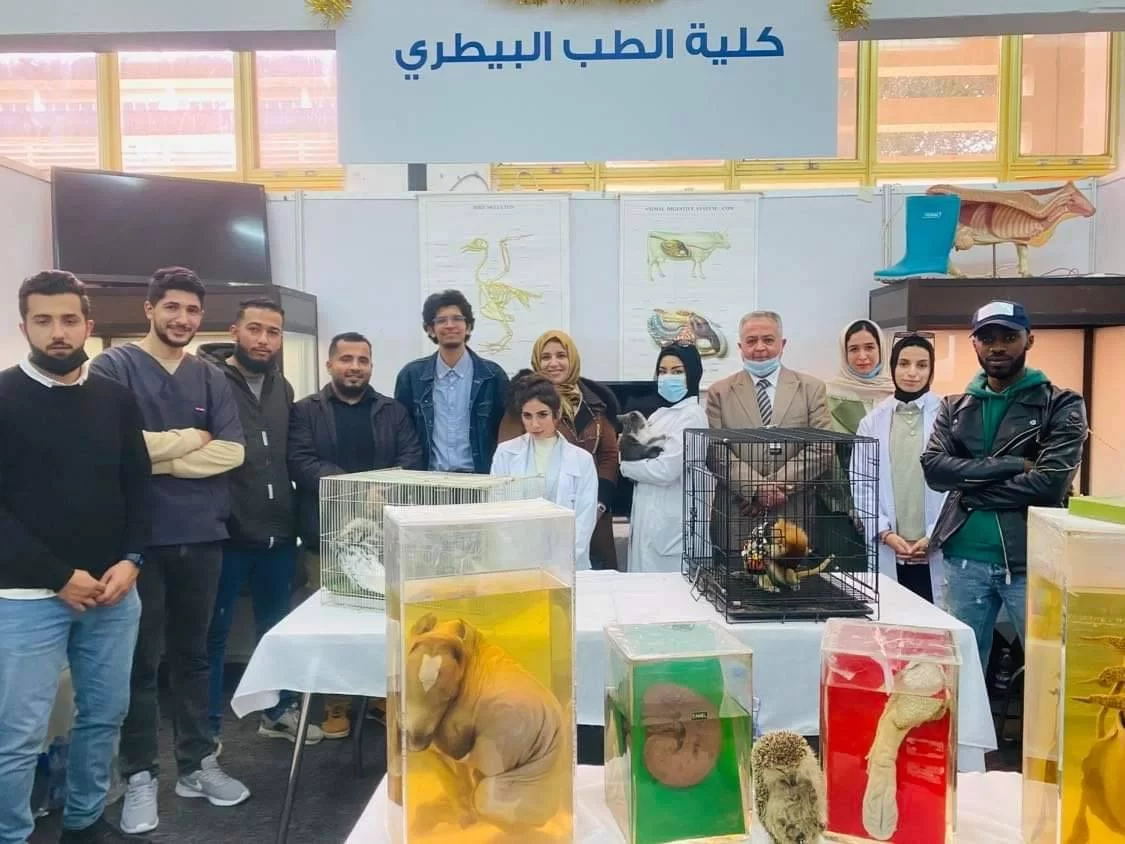
تأسست كلية الطب البيطري عام 1975م كأول كلية للطب البيطري في ليبيا. تعد الكلية من قلاع العلم و المعرفة الهامة بجامعة طرابلس ومؤسسة علمية تلبي إحتياجات المجتمع من الأطباء البيطريين وتساهم في دعم الإقتصاد الوطني من خلال العناية بصحة الحيوان وزيادة الإنتاج الحيواني والمحافظة على صحة الإنسان وحماية البيئة.

حقائق حول كلية الطب البيطري

نفتخر بما نقدمه للمجتمع والعالم

194

المنشورات العلمية

86

هيئة التدريس

245

الطلبة

23

الخريجون

البرامج الدراسية

ماجستير أمراض الدواجن
تخصص أمراض الدواجن

يُنفذ هذا البرنامج من خلال دراسة مقررات دراسية، بحيث لا يقل عدد وحداتها عن (24) وحدة دراسية، وأن لا تزيد عن (30) وحدة دراسية على مدى 3 فصول، بالإضافة إلى إنجاز رسالة بحثية...

التفاصيل

ماجستير أمراض الاسماك
تخصص أمراض الاسماك

يُنفذ هذا البرنامج من خلال دراسة مقررات دراسية، بحيث لا يقل عدد وحداتها عن (24) وحدة دراسية، وأن لا تزيد عن (30) وحدة دراسية على مدى 3 فصول، بالإضافة إلى إنجاز رسالة بحثية...

التفاصيل

من يعمل بـكلية الطب البيطري

يوجد بـكلية الطب البيطري أكثر من 86 عضو هيئة تدريس

staff photo

أ.د. محمد عمر بشير أحمد

أ.د. محمد عمر بشيرأحمد هو احد اعضاء هيئة التدريس بقسم الاحياء الدقيقة والطفليات بكلية الطب البيطري. يعمل السيد محمد بجامعة طرابلس كـأستاذ منذ 2007-09-26 وله العديد من المنشورات العلمية في مجال تخصصه

منشورات مختارة

بعض المنشورات التي تم نشرها في كلية الطب البيطري

Isolation and Molecular Identification of Vibrio spp. by Sequencing of 16S rDNA from Seafood, Meat and Meat Products in Libya: A Descriptive Study

The main objective of this study was to characterize bacteria isolated from seafood, meat and meat products that may cause foodborne illnesses. We plan to use this data to help create a baseline for future research into foodborne illness in Libya. Several food-borne organisms in the genus Vibrio produce a variety of clinical disorders, including septicemia, cholera, and milder types of gastroenteritis. Vibrio cholerae, Vibrio parahemolyticus, and Vibrio vulnificus are among the Vibrio spp. that are usually related with food-borne transmission. A total of 93 samples (Table 1) of seafood, meat and meat products that includes 21 of shrimps; 5 of clam; 20 of fish; 34 samples of raw meat (10 beef, 9 camel meat, 6 mutton and 9 chickens) and 13 samples of meat products (2 beef sausages, 5 beef burgers, 5 chicken burgers and 1 kebab) were randomly collected from different geographic localities in Libya [Tripoli, Regdalin (120 km west of Tripoli), Janzour (30 km west of Tripoli) and Tobruk (1400 km east of Tripoli)]. Each sample was 250 g in weight. Out of the 93 cultured samples only 48 (51.6%) yielded colonies on Thiosulfate Citrate Bile Salt agar (TCBS) with culture characteristics of Vibrio spp. More than half (n=27) of processed seafood samples (n=46) yielded colonies on TCBS, while only 44.6% of samples of meat and meat products showed colonies on TCBS. Among cultured seafood samples, the highest bacterial count was recorded in clam with a count of 3.8 х10 4 CFU\g. Chicken burger samples showed the highest bacterial count with 6.5 х10 4 CFU\g. Molecular analysis of the isolates obtained in this study, showed that 11 samples out of 48 (22.9%) were Vibrio spp. Vibrio parahemolyticus was isolated from camel meat for the
Salah M. Azwai(1-2022)
Publisher's website

Fore-Aft Ground Force Adaptations to Induced Forelimb Lameness in Walking and Trotting Dogs

Animals alter their locomotor mechanics to adapt to a loss of limb function. To better understand their compensatory mechanisms, this study evaluated the changes in the fore-aft ground forces to forelimb lameness and tested the hypothesis that dogs unload the affected limb by producing a nose-up pitching moment via the exertion of a net-propulsive force when the lame limb is on the ground. Seven healthy Beagles walked and trotted at steady speed on an instrumented treadmill while horizontal force data were collected before and after a moderate lameness was induced. Peak, mean and summed braking and propulsive forces as well as the duration each force was exerted and the time to reach maximum force were evaluated for both the sound and the lame condition. Compared with the sound condition, a net-propulsive force was produced by the lame diagonal limbs due to a reduced braking force in the affected forelimb and an increased propulsive force in the contralateral hindlimb when the dogs walked and trotted. To regain pitch stability and ensure steady speed for a given locomotor cycle, the dogs produced a net-braking force when the sound diagonal limbs were on the ground by exerting greater braking forces in both limbs during walking and additionally reducing the propulsive force in the hindlimb during trotting. Consistent with the proposed mechanism, dogs maximize their double support phases when walking. Likely associated with the fore-aft force adaptations to lameness are changes in muscle recruitment that potentially result in short- and long-term effects on the limb and trunk muscles. arabic 13 English 78
Jalal Mohamed Abdelhadi(12-2012)
Publisher's website

Effect of Lead Intoxication and fresh camel milk treatment on kidney functions Indices in albino rats

he unique characters of camel’s milk make it used extensively in the field of medicine as antidiabetic, anti-microbial, and hepatoprotective agent. The few of studies demonstrating the protective effect of camel’s milk against nephrotoxicity compound was the main reason beyond the conduction of the current experiment which aimed to investigate the protective effects of camel’s milk against lead induced nephrotoxicity arabic 15 English 86
Marwan M. Draid(1-2017)
Publisher's website

قناة كلية الطب البيطري

بعض الفيديوات التي تعرض مناشط كلية الطب البيطري

اطلع علي المزيد