faculty of Pharamcy

More ...

About faculty of Pharamcy

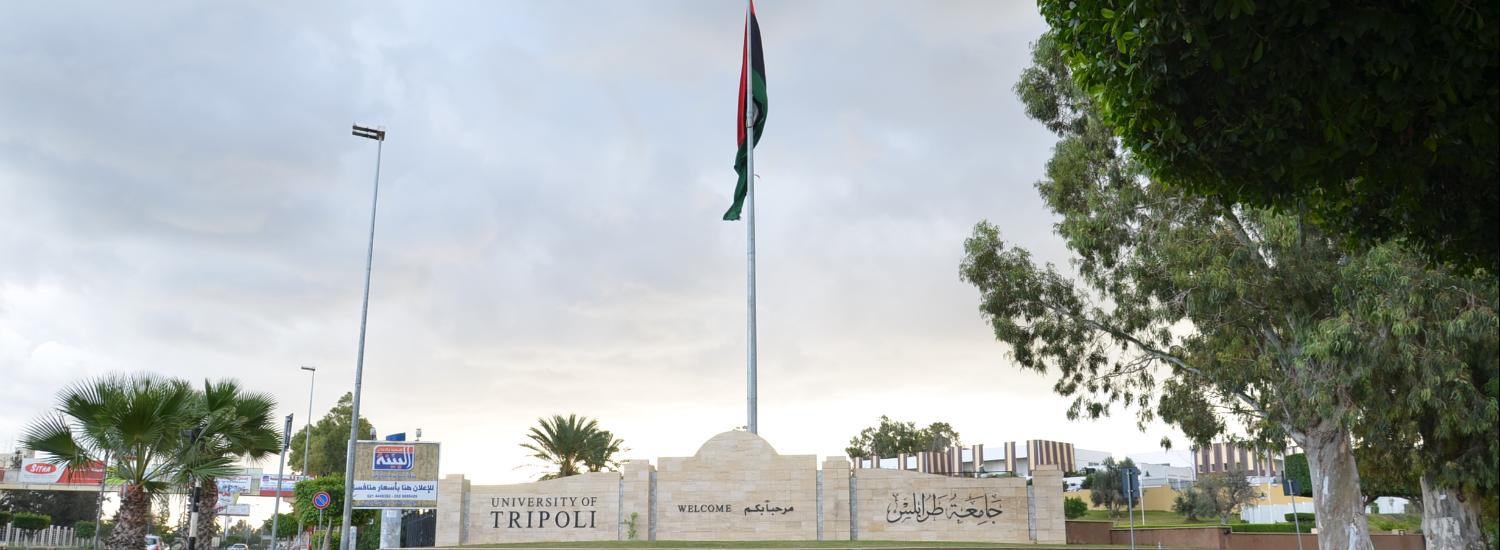
The Faculty of Pharmacy was established in 1975 and is considered the oldest faculty in Libya specialized pharmaceutical sciences. Since its establishment, it aims to contribute to raising the level of health services for citizens in Libya and to start seriously developing pharmaceutical services. It has entered this field on scientific grounds and after more than thirty-eight years, this institution is still providing the community with qualified staff who believe in their role in leading the fields of industry, drug control, and medical analysis. It strives to rationalize the use of medicines and make the most of medicinal herbs and plants. The study began at faculty at in 1976/1975. Studies continued in the old building, which is now occupied by the Faculty of Media and Arts. In 1983, a contract for the construction of a new building for the Faculty of Pharmacy at the University of Tripoli was concluded. It was built on an area of ​​forty thousand square meters “40,000 square meters” south of the University of Tripoli. The Faculty building is considered one of the most beautiful buildings at the university. it was chosen as one of the most beautiful educational buildings in the world, according to a report prepared by the World Organization for Culture and Science "UNESCO". The Faculty is bordered on the east side by the Faculty of Medicine, to form with the Tripoli Medical Center a distinguished model for specialized medical colleges. This institution is still supporting its graduates to become pharmacists of the future and to participate in building Libya.

Facts about faculty of Pharamcy

We are proud of what we offer to the world and the community

58

Publications

87

Academic Staff

1163

Students

0

Graduates

Who works at the faculty of Pharamcy

faculty of Pharamcy has more than 87 academic staff members

staff photo

Prof.Dr. Bahlul Zayed Sh Awen

البهلول الشتيوي هو احد اعضاء هيئة التدريس بقسم الكيمياء الطبية والصيدلية بكلية الصيدلة. يعمل السيد البهلول الشتيوي بجامعة طرابلس كـأستاذ منذ 2003-11-01 وله العديد من المنشورات العلمية في مجال تخصصه

Publications

Some of publications in faculty of Pharamcy

Effect of Ascorbic Acid and Alprazolam on Behaviour, Skeletal Muscle Activity and Brain Glutamate Levels in Albino Rats

يعتبر عقار الالبرازولام Alprazolam من مشتقات البنزوديازيبين benzodiazepine وهو عادة ما يستعمل في علاج حالات القلق, و حالات الهلع المصاحبة للخوف من الأماكن المرتفعة, وأيضا في حالات الإحباط. من ناحية أخري يعتمد تاثير حامض الاسكوربيك Ascorbic acid في الوظائفَ الفسيولوجيةَ بشكل كبير على خاصية الاكسدة والاختزال ,oxido-reduction properties ولكن هناك دلائل مُتزايدة تشيرُ إلي دور مهم جداً لحامض الاسكوربيك Ascorbic acid في وظائفَ الجهاز العصبي المركزي CNSأكثر من كونه عاملِ اختزال اوعامل مساعدِ. فمثلا التأثير علي النشاط العصبي Modulation of synaptic events, النشاط الحركي locomotor activity التأثير في حالةِ الوعي, intermodulation with the consciousness state كلها حقولَ جديدةَ لدراسة نشاطِ حامض الاسكوربيك Ascorbate في الخلايا العصبية. إنّ دورَ glutamate وهو احد السيالات العصبية المحفزة في الدماغ في اضطرابات القلقِ أصبح معترف به أكثر ألان ويسود اعتقاد بان العقار الذي يُنظّمُ وظيفةَ glutamate لَه إمكانية تَحسين و معالجةِ هذه الاِضطراباتِ. وهناك بَعْض الدلائلِ التي تُشيرُ بأنّ glutamate و Ascorbate يرتَبَطان عن طريق عملية heteroexchange, وتقترحُ بأنّ حامض الاسكوربيك Ascorbate قَدْ يَتصرّفُ من خلال نظامِ glutamate للتَأثير على السلوكِ. من هذا المنطلق تَتحرّى الدراسةُ الحاليةُ تأثيراتُ الالبرازولام Alprazolam وحامض الأسكوربيك Ascorbic acid كل علي حدة alone أَو متحدة incombination على سلوكِ القلقِ وعلى مستويات glutamate في مناطقِ منفصلةِ من دماغِ جرذان ويستر البرصاءِAlbino wister rats . كما تدرس تاثير كل منهما علي نشاط العضلات الهيكلية .skeletal muscle activityوقد تمت دراسة التأثير المضاد للقلق anxiolytic effect بإستعمال المتاهةِ المرتفعة المتقاطعة Elevated plus maze, والتأثير على نشاطِ العضلات الهيكلية باستعمال اختبار pull-up test, كما قِيست مستويات الجلوتاميت glutamateفي الدماغِ بإستعمال جهاز كروماتوجرافيا السائلِ العالي الأداءِ High performance liquid chromatography. وتُشيرُ النَتائِجُ المتحصل عليها بأنّ حامضِ الأسكوربيك لَهُ تأثير مضاد للقلق anxiolytic effect يعتمد علي الجرعة ((dose dependent وله تأثيرَ إرخاء للعضلات الهيكلية بدون تأثير منومSedation effect , وقد زادَ حامضِ الأسكوربيك ايضا النشاط الحركي للجرذان .Locomotor activity هذا التأثير المضاد للقلق لحامض الأسكوربيك قَدْ يكون نتيجة تثبيط اطلاق الجلوتاميت glutamate أَو بتحفيز الجابا GABA. كما ان لحامضُ الأسكوربيك أيضاً تأثيرُمضاد للدوبامين Antidopamenergic effect الذي من الممكن ان يُؤثّرُ على السلوكِ. عقار الالبرازولام Alprazolam alone في الجرعةِ المستعملة (2 مج / كيلوجرام) أنتجَ تأثيرَ مضاد للقلق Anxiolytic effect بدون إرخاءِ للعضلات الهيكلية وبدون تاثير منوم effect Sedation. ولَمْ يُؤثّرْ حامضِ الأسكوربيك علي المفعول المضاد للقلق لعقار الالبرازولام عند استعمالهما معا. فالحيوانات عندما عولجتْ بحامضِ الأسكوربيك و عقار الالبرازولام Alprazolam فانهما اظهرا تأثيرا مضافا effect Additive anxiolyticوالذي كَانَ واضحَا عند استعمال الجرعةِ الكبيرةِ لحامضِ الأسكوربيك (500 مج / كيلوجرام). حامض الأسكوربيك لم يَتدخّلُ في عملِ Alprazolam على الجهاز العصبي المركزي CNSولَمْ يُنشّطْ التأثيرَ المركزيَ للالبرازولام Alprazolam فلم يلاحظ أي ثاثير منوم جراء استعمالهما معا. كما ان المعالجة َ بحامضِ الأسكوربيك بالجرعة 125 جم / كيلوجرام أَو 500 جم / كيلوجرام مَع Alprazolam (2 مج / كيلوجرام) أنتجت ْإرخاءَ للعضلات الهيكلية بشكل ملحوظ؛ و هذا قَدْ يكون بسبب تدخلِ حامضِ الأسكوربيك وAlprazolam بآليةِ إنكماشِ العضلةِ الهيكليةِ. كما يمكن ان يكون لحامض الأسكوربيك تأثيرُ مقوي synergestic على Alprazolam كمرخي للعضلات. ومن ناحية اخري اثر حامض أسكوربيك لوحده في مستويات الجلوتاميت glutamate في دماغ الجرذان, حيث زادَ مستويات glutamate في striatum وفي الدماغ المتوسطِ midbrain لكنه انَقصَ هذه المستويات في ساقِ الدماغ brain stem وقشرةِ الدماغ cerebral cortex التي قَدْ تكون بسبب آليةِ heteroexchange للاسكوربيت Ascorbate مَع الجلوتاميت .glutamate استعمال عقار الالبرازولام Alprazolam لوحده زاد بشكل ملحوظ مستوى glutamate في striatum وانَقصَ هذا المستوى في الدماغ المتوسطِ,midbrain الامرالذي يدعو للافتراض بأنّ التأثيرَ المضاد للقلق anxiolytic effect للبنزوديازيبين benzodiazepines لا يُمْكن أنْ يُفسّرَ فقط بواسطة التفاعلِ مع أَو بتحفيز مستقبلات الجابا .GABA وعند استعمال حامض الأسكوربيك مع الالبرازولام فانه لَمْ يَتدخّلُ في تأثير Alprazolam علي مستويات الجلوتاميت glutamate في هذه المناطقِ من الدماغِ لكن بدلاً مِن ذلك اظهرا تأثيراً مماثلاً عندما استعملا سويةً .Abstract Alprazolam is a benzodiazepine derivative that is currently used in the treatment of generalized anxiety, panic attacks with or without agoraphobia and depression. The physiological functions of ascorbic acid are largely dependent on the oxido-reduction properties. However, A growing body of evidence indicates for ascorbate a very important role in CNS functioning rather than just fulfilling the relatively passive roles of general reducing agent and enzymatic cofactor. Modulation of synaptic events, locomotor activity, intermodulation with the consciousness state, are new fields of ascorbate activity. The role of glutamate in anxiety disorders is becoming more recognized with the belief that drugs that modulate glutamatergic function have the potential to improve the current treatment of these severe and disabling illnesses. Some evidence indicates that glutamate and ascorbate are linked via a carrier-mediated heteroexchange process suggesting that ascorbate may act through the glutamate system to influence behavior. The present study investigates the effects of alprazolam and ascorbic acid alone or in combination on anxiety behavior and on glutamate levels in discrete brain regions of albino rats. The anxiolytic effect was studied using a plus maze model, skeletal muscle activity effect was scored using pull-up test and brain levels of glutamate were measured using high performance liquid chromatography. The results indicate that ascorbic acid has dose dependent anxiolytic and muscle relaxation effect with out sedation; it also increased spontaneous motor activity by increasing total lines and entries into open and closed arms. Ascorbic acid may exert its anxiolytic action by decreasing glutamate release or by increasing GABA binding. Ascorbic acid showed also antidopamenergic effect which may influence behavior. Alprazolam alone at the dose used (2mg/kg) produced anxiolytic effect without sedation or muscle relaxation. The anxiolytic effect of alprazolam was not affected by ascorbic acid administration. Animals treated with ascorbic acid and alprazolam together showed additive anxiolytic effect which was clear with the large dose of ascorbic acid (500 mg/kg). Ascorbic acid does not interfere with alprazolam action on CNS and did not potentiate the central effect of alprazolam, otherwise sedation would be observed. The combination treatment of ascorbic acid in a dose of 125mg/kg or 500mg/kg with alprazolam (anxiolytic dose) produced significant and dose dependent muscle relaxation as the regaining position time was increased significantly; this may be due to the interference of ascorbic acid and alprazolam with the mechanism of skeletal muscle contraction. Ascorbic acid may have synergestic effect on alprazolam as muscle relaxant. Ascorbic acid alone increased the levels of glutamate in striatum and in mid brain but decreased these levels in brain stem and cerebral cortex which may due to heteroexchange mechanism of ascorbate with glutamate during glutamate uptake. Alprazolam alone incresed significantly the level of glutamate in striatum and decreased this level in mid brain, which may provided a newer mechanism and may supposes that the anxiolytic effect of benzodiazepines can not be accounted for only by the interaction at the GABA A benzodiazepine receptor complex. Ascorbic acid did not modify the alprazolam effect in these brain regions but instead showed similar effect when combined together.
جمال مصطفي علي بن سعد (2007)
Publisher's website

Green Synthesis and Characterization of Libyan Propolis Nanoparticles and its Biological Activity

The ever-increasing demand for natural products and biotechnology, derived from bees and ultramodernization of various analytical devices, has facilitated the rational and planned development of biotechnology products with a focus on human health to treat chronic and neglected diseases. This study aimed to prepare, characterize and examine the stability and evaluation of the antioxidant and the antibacterial activity of Libyan propolis. Propolis Nanoparticles PNP were prepared using particle size reduction, then Transmission Electron Microscope (TEM) at a magnification of X 25000, was used for accurate evaluation of the size distribution of NPs. Three different concentration (10, 5, 2.5 mg/ml) of propolis and nano-propolis powder were tested for their 2,2-diphenyl-1-picrylhydrazyl (DPPH) scavenging activity. The quantitative antioxidant activity test results using UV Spectrophotometer absorbance at 517 nm. The antibacterial activities of propolis and prepared nano propolis at different concentrations (10, 5 and 2.5mg/ml) were tested on bacterial strain, Klebsiella, human mouth, skin, and surface bacteria using cup cut diffusion method. The findings exhibited that the prepared propolis Nanoparticles (PNPs) were generally non-spherical with a size 100-200 nm. The PNP was a nano-sized particle around 316 nm in diameter. Zeta potential of PNP showed a negative surface charge value (− 48 mV) which was sufficiently high to avoid NPs aggregation. This value represents a stable and dispersed suspension of NPs and disables the tendency of aggregations in a short in period of time. Poly dispersity index (PdI) of synthetized PNP was used as a measurement of the size distribution. PdI values for PrNP were generally uniform with PdI 0.3 indicating monodispersity of the prepared systems. The propolis and PNPs displayed good antioxidant activity with inhibition percentage (77%, 46% and 18%) for propolis and (82%, 66% and 37%) for PNPs. Propolis nanoparticles showed to have more antibacterial effect compared to propolis. Libyan propolis nanoparticles has shown to be potential candidates as antioxidant and antibacterial agent.
sakina Salem Saadawi, Rabia O Alghazeer, Hanin N. Mughrbi, Bushra M. Dakhil, Rokaya O. Amara, Khairi A. Alennabi, Riham M. El-Moslemany, Khadija O. Turkman, Masarra A. Daraweel(3-2022)
Publisher's website

Study of caffeine consumption rate and concentration in different food and beverages consumed by children

Caffeine has dose-dependent effects on mood, attention, and physiology. Behavioral effects of caffeine in humans have also been well documented. This article aimed to study the effect of different caffeine concentrations on behavior and motor activity of mice. The experiments was carried out using 24 male mice (25-30gm). Plus maze was used for screening of antianxiety effect of caffeine. While swimming maze was used to test antidepressant effect. Statistical analysis were performed using computer program SPSS (version 22). At dose of 100 mg/kg, caffeine acted as anxiolytic compound. Caffeine increased motor activity at dose of 25mg/kg and decreased motor activity at dose of 200mg/kg. At dose of 100mg/kg, caffeine acted as antidepressant. In conclusion, caffeine can act as stimulant, while in over dose it acts as depressant. Caffeine showed to have anxiolytic effect in certain doses. arabic 14 English 91
Sakina Salem Mohammed Saadawi, ٍSuhera Mehemed Abdulsalam Aburawi, SUMAYA ESEDEEG ABDALLAH BAAIO(4-2018)
Publisher's website

faculty of Pharamcy in photos

faculty of Pharamcy Albums