كلية الصيدلة

المزيد ...

حول كلية الصيدلة

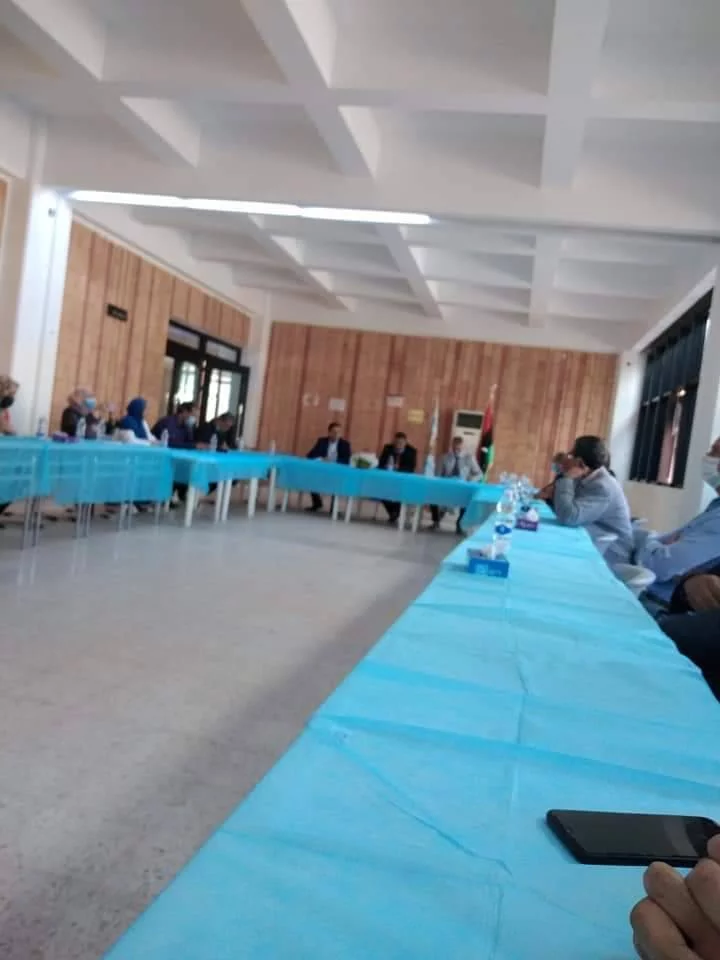
تأسست كلية الصيدلة سنة 1975م وتعتبر الكلية الأقدم في ليبيا للعلوم الصيدلانية، تهدف منذ بداية تأسيسها إلى المساهمة في الرفع من مستوى الخدمات الصحية للمواطن بليبيا والبدء جدياً في تطوير الخدمات الدوائية والدخول في هذا المجال على أسس علمية وبعد مُضي ما يزيد عن ثمانية وثلاثين عاماً على مولد هذه القلعة العلمية، لازالت هذه المؤسسة تزود المجتمع بشباب مؤهل ومؤمن بدوره في ليبيا الحرة ليقود مجالات الصناعة والرقابة الدوائية والتحاليل الطبية وترشيد استعمال الأدوية والاستفادة القصوى من الأعشاب والنباتات الطبية وبدأت الدراسة بالكلية مع بداية العام الدراسي 1976/1975م. واستمرت الدراسة بالمبنى القديم والذي تشغله الآن كلية الإعلام والفنون. وفي العام 1983م، تـــم إبـــرام عقد إنشاء مبنى جديد لكلية الصيدلة بجامعة طرابلس. وقد تم بناؤه على مساحــة تبلغ أربعـين آلف متر مربع “ 40.000 م2 “جنوب جامعة طرابلس. ويعتبر مبنى الكلية من أجمل مباني الجامعة حيث تم اختياره كأحد أجمل المباني التعليمية في العالم حسب تقرير أعدتـه المنظـــمة العــالمية للثقافــة والعلــــوم “اليونسكو“. يحد الكلية من ناحية الشرق كلية الطب البشرى لتشكل مع مركز طرابلس الطبي نموذجاً متميزاً للكليات الطبية التخصصية. هذه المؤسسة لا تزال ترعى منسبيها من الطلاب ليكونوا صيادلة المستقبل ولكي يشاركوا في بناء ليبيا.

حقائق حول كلية الصيدلة

نفتخر بما نقدمه للمجتمع والعالم

58

المنشورات العلمية

87

هيئة التدريس

1163

الطلبة

0

الخريجون

من يعمل بـكلية الصيدلة

يوجد بـكلية الصيدلة أكثر من 87 عضو هيئة تدريس

staff photo

أ. محمد منصور ميلاد علي

منشورات مختارة

بعض المنشورات التي تم نشرها في كلية الصيدلة

Comparative assessment of a DNA and protein Leishmania donovani gamma glutamyl cysteine synthetase vaccine to cross-protect against murine cutaneous leishmaniasis caused by L. major or L. mexicana infection

Leishmaniasis is a major health problem and itis estimated that 12 million people are currently infected.A vaccine which could cross-protect people against different Leishmania spp. would facilitate control ofthis disease as more than one species of Leishmania may be present. In this study the ability of a DNA vaccine, using the full gene sequence for L. donovani gamma glutamyl cysteine synthetase (GCS) incorporated in the pVAX vector (pVAXGCS), and a protein vaccine, using the corresponding recombinant L. donovani GCS protein (LdGCS),to protect against L. major or L. mexicana infection was evaluated. DNAvaccination gave transient protection against L. major and no protection against L. mexicana despite significantly enhancing specific antibody titres in vaccinated infected mice compared to infected controls. Vaccination with the LdGCS protected against both species but only if the protein was incorporated into non-ionic surfactant vesicles for L. mexicana. The results of this study indicate that a L. donovani GCS vaccine could be used to vaccinate against more than one Leishmania species but only if the recombinant protein is used. arabic 30 English 176
Basma Doro, (12-2012)
Publisher's website

Mosquito Larvicidal and Pupicidal Activity of Some Plant Methanolic Extracts Against Culex

Mosquitoes can transmit more diseases than any other group of arthropods and affect millions of people throughout the world. They act as a vector for most of the life-threatening diseases like malaria, yellow fever and dengue fever. The major tool in mosquito control operation is the application of synthetic insecticides such as organochlorine and organophosphate compounds. Use of many of the former synthetic insecticides in mosquito control program has been limited due to high cost, environmental sustainability, harmful effect on human health, and other non-target populations, their non-biodegradable nature, higher rate of biological magnification through ecosystem, and increasing insecticide resistance on a global scale. One of the most effective alternative approaches under the biological control program is to explore the floral biodiversity and enter the field of using safer insecticides of botanical origin as a simple and sustainable method of mosquito control. This study aimed to evaluate larvicidal and pupicidal effect of five plant extracts (thyme, peppermint and citronella leaf extracts, clove buds extracts and lemon peels extract). Methanol extracts of thyme, peppermint and citronella leaf, clove buds and lemon peels were tested for their larvicidal and pupicidal activity. The standard WHO guideline for larvicides and pupicides evaluation was used. Three plant extract concentrations were prepared (25, 50 and 100 mg/ml) and tested on 20 larvae and 20 pupas (3rd and 4th instars) for each concentration on white enamel trays. Mortality percentage were calculated after 24 hrs. where larvae who doesn’t show swimming movement considered dead. Adult mosquitoes were identified to genus level. Thyme showed the highest % of yield (56%) followed by clove, peppermint, lemon and citronella with 13, 13, 8 and 5 % of yield respectively. The highest mortality % of larvae were by clove with 100% for the three tested concentrations, followed by thyme, lemon and peppermint. Citronella gave no effect as larvicidal agent. In pupicida activity test, thyme showed the highest activity followed by clove. Lemon didn’t show any pupicidal activity. Mosquito was identified as Culex. This result clearly reveals that buds extract of E. caryophyllus and leaf extracts of T. vulgaris and peels extract of C. limonoids could serve as a potential larvicidal agents against the Culex mosquito. The mode of action and larvicidal efficiency of these plant spp. extract should be scrutinized and determined. Besides, further investigation regarding the effect on non-target organism is extremely important and imperative in the near future. arabic 11 English 79
Sakina Salem Mohammed Saadawi, , , (4-2019)
Publisher's website

Physical Properties, Antibacterial and Antioxidant Properties of Raw South Africa Shea Butter against Samples from Libyan Market

Vigorous research has been conducted into the phenology of the shea tree, its usage and that of the shea butter extracted from the nuts of the shea fruit. Shea butter is the most valuable product in the Shea tree and its use as raw or in cosmetic and pharmaceutical products was expanded in the last years. The aim was to carry out comparative study between imported South African raw Shea Butter, one sample from Poland and samples from Libyan market on their physical properties (organoleptic), thin layer chromatography (TLC) chromatogram, phytochemical screening and diphenylpicrylhydrazil (DPPH) scavenging activity. As well as antimicrobial screening. Organoleptic test was carried out by comparing color and odor. TLC chromatogram was performed by spotting solution of samples in hexane on TLC plate and eluted twice in hexane: ethylacetate 8:2 to get good separation. Phytochemical screening was performed to determine the presence of carbohydrates (Fehling test), steroids, and triterpens (Salkwiski test). DPPH assay was carried out by spraying TLC sample spots by 0.2% DPPH methanolic solution. Antimicrobial test was conducted on Pseudomonas aeruginosa and Staphylococcus aureus. Mueller-Hinton agar was used with ciprofolxacin as +ve control and DMSO as–ve control. As a result, Shea Butter samples showed wide diversity in color and odor which considered normal except two white samples that might undergo refining process, while spreadability and TLC chromatograms were similar. Samples and control showed presence of carbohydrates, steroids and triterpens. Control and samples had DPPH scavenging activity. Shea Butter control and samples had no antimicrobial activities against P. aeruginosa and S. aureus. arabic 17 English 111
Sakina Salem Saadawi, Khairi Ali Alennabi, Hanin Nafed Mughrbi, Kholoud Lotfi, Nesrin Saleh Ali Abdulnabi(4-2020)
Publisher's website