faculty of Pharamcy

More ...

About faculty of Pharamcy

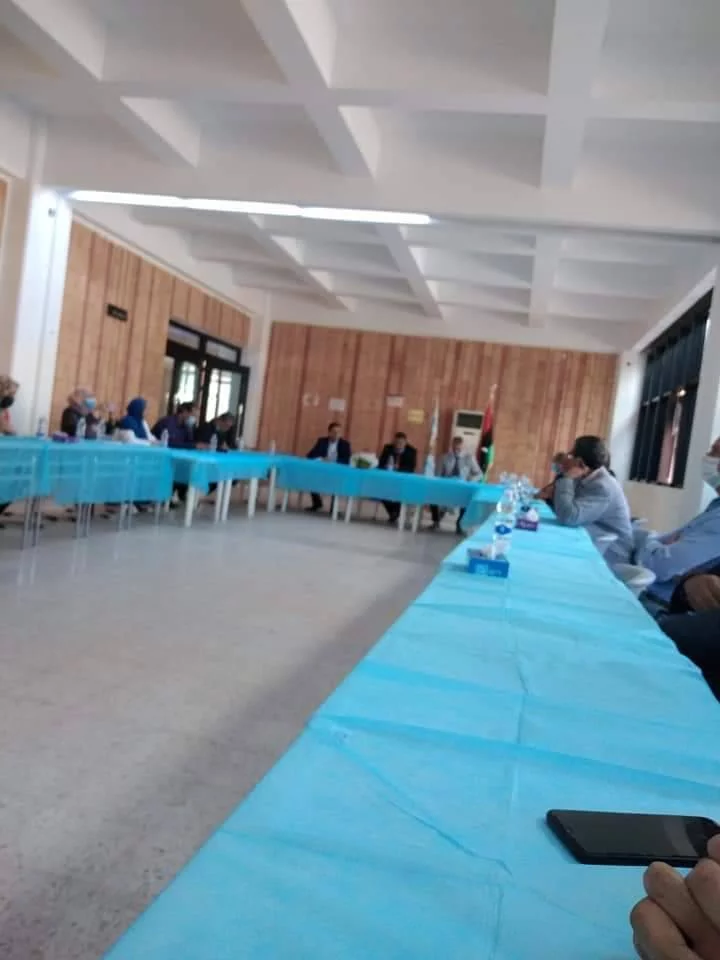
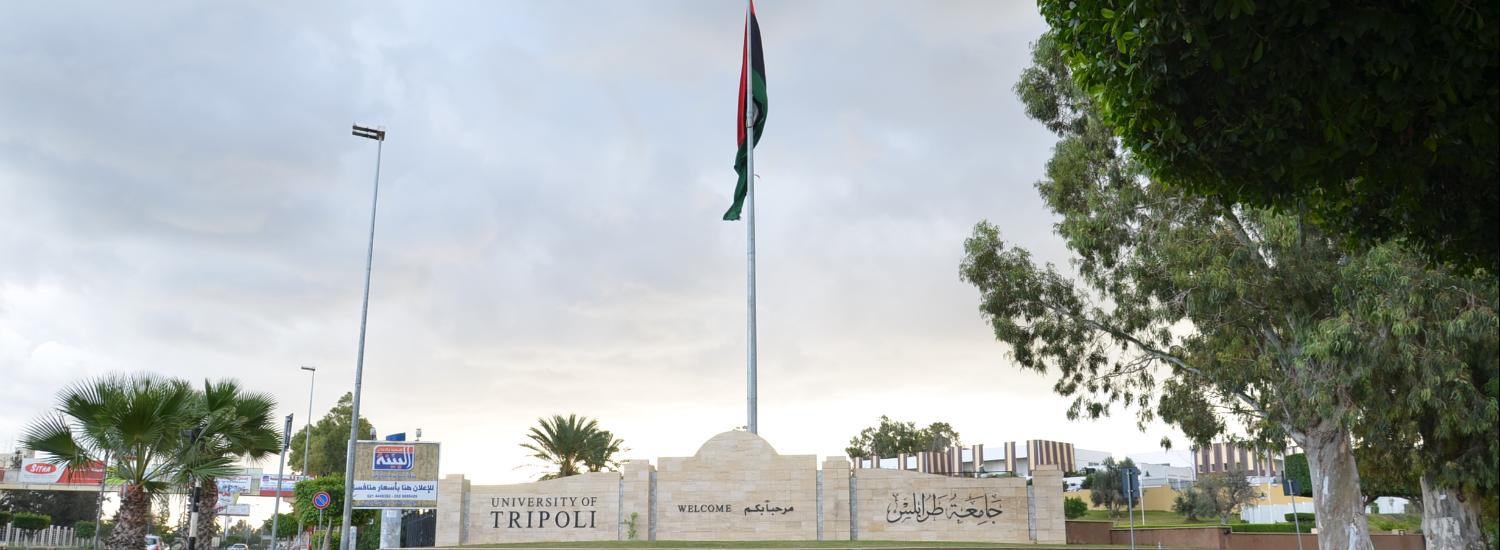
The Faculty of Pharmacy was established in 1975 and is considered the oldest faculty in Libya specialized pharmaceutical sciences. Since its establishment, it aims to contribute to raising the level of health services for citizens in Libya and to start seriously developing pharmaceutical services. It has entered this field on scientific grounds and after more than thirty-eight years, this institution is still providing the community with qualified staff who believe in their role in leading the fields of industry, drug control, and medical analysis. It strives to rationalize the use of medicines and make the most of medicinal herbs and plants. The study began at faculty at in 1976/1975. Studies continued in the old building, which is now occupied by the Faculty of Media and Arts. In 1983, a contract for the construction of a new building for the Faculty of Pharmacy at the University of Tripoli was concluded. It was built on an area of ​​forty thousand square meters “40,000 square meters” south of the University of Tripoli. The Faculty building is considered one of the most beautiful buildings at the university. it was chosen as one of the most beautiful educational buildings in the world, according to a report prepared by the World Organization for Culture and Science "UNESCO". The Faculty is bordered on the east side by the Faculty of Medicine, to form with the Tripoli Medical Center a distinguished model for specialized medical colleges. This institution is still supporting its graduates to become pharmacists of the future and to participate in building Libya.

Facts about faculty of Pharamcy

We are proud of what we offer to the world and the community

58

Publications

87

Academic Staff

1163

Students

0

Graduates

Who works at the faculty of Pharamcy

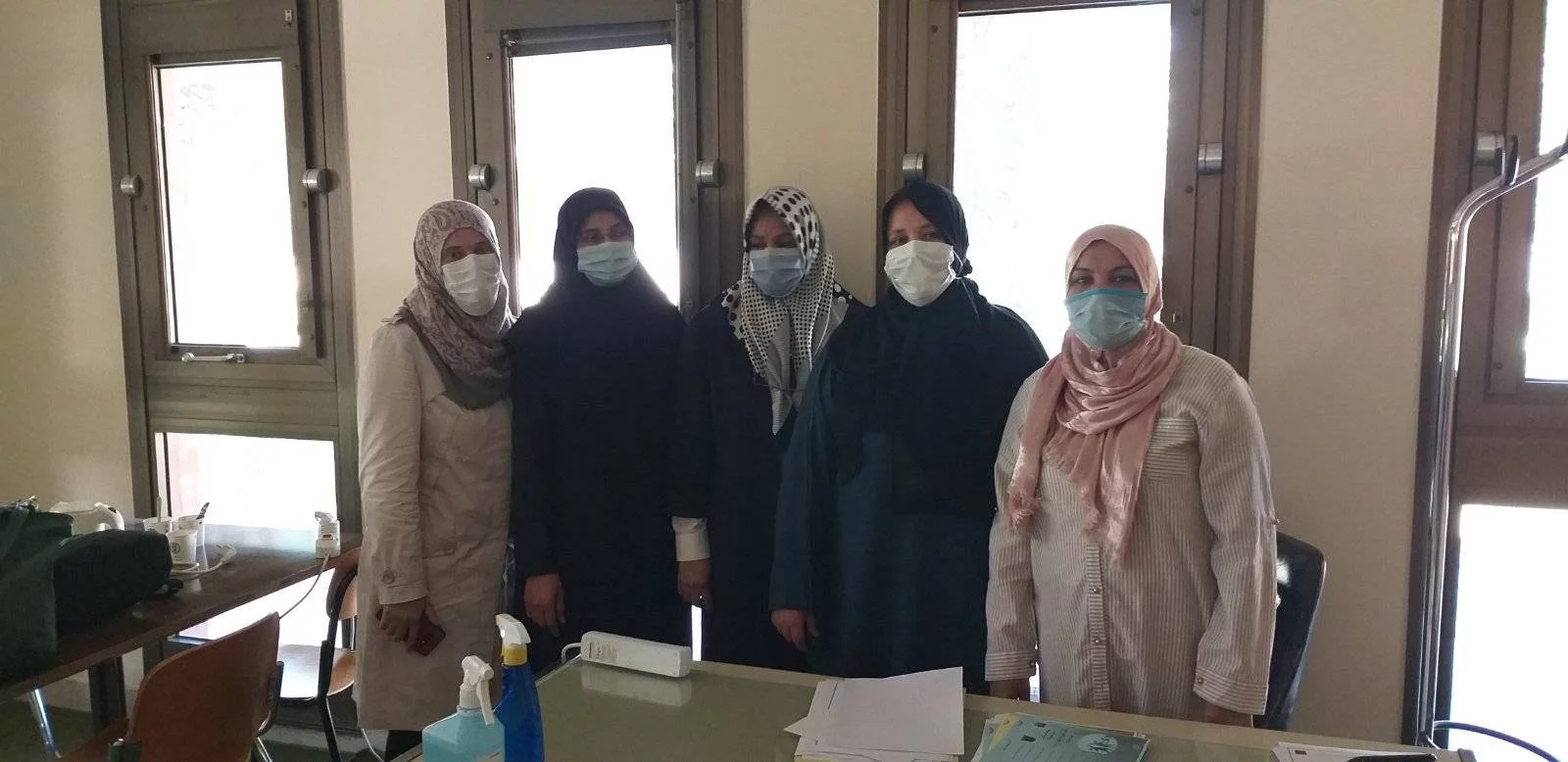
faculty of Pharamcy has more than 87 academic staff members

staff photo

Mr. Nahla S .. Labyad

نهلة الصغير الابيض محمد الشريف احد اعضاء هيئة تدريس بقسم العقاقير ، كلية الصيدلة، تحصلت على درجة الماجستير من بريطانيا 2008 . تقوم بتدريس عدة مواد أساسية ، ومهتمة بعدة مجالات بحثية متعلقة بالنباتات الطبية وتطبيقاتها ، ونشرت عدة أوراق بحثية في هذا المجال.

Publications

Some of publications in faculty of Pharamcy

Praziquantel As The Gold Standard Of Schistosomiasis Control Drug Delivery And Nanotechnological Strategies

The poor rate of drug discovery for the control of Neglected tropical diseases (NTDs) including schistosomiasis has necessitated effective management of existing drugs by modulating their delivery. Nanotechnology-based colloidal drug carriers have been explored to improve the activity and safety profile of drugs for NTDs including parasitic diseases. In developing new drug delivery systems for schistosomiasis, research efforts have focused mainly on Praziquantel (PZQ) as the sole antischistosomal agent in current clinical practice. Carrier systems of the polymer, inorganic and lipid-based type have been investigated for the delivery of PZQ. However, promising results were obtained using lipid-based delivery systems including liposomes, solid lipid nanoparticles, nanostructured lipid carriers and nanoemulsions. Selection of these lipid carrier systems has been based on the lipophilicity of PZQ, controlled drug release, potential increase in its bioavailability by promoting lymphatic absorption to bypass the extensive first pass effect biodistribution to the host liver and enhancement of PZQ interaction with the worm tegument of a similar phospholipid nature.
Sakina Salem Mohammed Saadawi(2-2022)
Publisher's website

Mosquito Larvicidal and Pupicidal Activity of Some Plant Methanolic Extracts Against Culex

Mosquitoes can transmit more diseases than any other group of arthropods and affect millions of people throughout the world. They act as a vector for most of the life-threatening diseases like malaria, yellow fever and dengue fever. The major tool in mosquito control operation is the application of synthetic insecticides such as organochlorine and organophosphate compounds. Use of many of the former synthetic insecticides in mosquito control program has been limited due to high cost, environmental sustainability, harmful effect on human health, and other non-target populations, their non-biodegradable nature, higher rate of biological magnification through ecosystem, and increasing insecticide resistance on a global scale. One of the most effective alternative approaches under the biological control program is to explore the floral biodiversity and enter the field of using safer insecticides of botanical origin as a simple and sustainable method of mosquito control. This study aimed to evaluate larvicidal and pupicidal effect of five plant extracts (thyme, peppermint and citronella leaf extracts, clove buds extracts and lemon peels extract). Methanol extracts of thyme, peppermint and citronella leaf, clove buds and lemon peels were tested for their larvicidal and pupicidal activity. The standard WHO guideline for larvicides and pupicides evaluation was used. Three plant extract concentrations were prepared (25, 50 and 100 mg/ml) and tested on 20 larvae and 20 pupas (3rd and 4th instars) for each concentration on white enamel trays. Mortality percentage were calculated after 24 hrs. where larvae who doesn’t show swimming movement considered dead. Adult mosquitoes were identified to genus level. Thyme showed the highest % of yield (56%) followed by clove, peppermint, lemon and citronella with 13, 13, 8 and 5 % of yield respectively. The highest mortality % of larvae were by clove with 100% for the three tested concentrations, followed by thyme, lemon and peppermint. Citronella gave no effect as larvicidal agent. In pupicida activity test, thyme showed the highest activity followed by clove. Lemon didn’t show any pupicidal activity. Mosquito was identified as Culex. This result clearly reveals that buds extract of E. caryophyllus and leaf extracts of T. vulgaris and peels extract of C. limonoids could serve as a potential larvicidal agents against the Culex mosquito. The mode of action and larvicidal efficiency of these plant spp. extract should be scrutinized and determined. Besides, further investigation regarding the effect on non-target organism is extremely important and imperative in the near future. arabic 11 English 79
Sakina Salem Mohammed Saadawi, , , (4-2019)
Publisher's website

Chemical Constituents and Biological Activities of Mitrella Kentii (Blume) Miq. Leaf Oil

Chemical constituents and biological activities of the Mitrella kentii leaf oil were investigated in this study. Gas chromatography (GC) and gas chromatography-mass spectrometry (GC-MS) were used to determine the chemical constituents of the oil. The oil was evaluated for its ability to inhibit prostaglandin E2 (PGE2) and thromboxane B2 (TXB2) productions in human whole blood using a radioimmunoassay technique. Its inhibitory effect on platelet-activating factor (PAF) receptor binding with rabbit platelets using 3H-PAF as a ligand and its free radical scavenging effect on DPPH were also investigated. Caryophyllene oxide (33.8%w/w), E,Z-farnesol (6.9%), benzyl benzoate (6.5%w/w) and viridiflorol (6.5%w/w) were among the major components of the oil. Even though weak inhibitory activities were observed in both PGE2 and TXB2 assays, significant results were obtained in both PAF receptor binding inhibition and 2,2-diphenyl-1-picrylhydrazyl (DPPH) scavenging effect with IC50 value of 6.6 μg/mL and 155.6 μg/mL respectively. These promising activities warrant the development of the oil as an anti-inflammatory agent. arabic 14 English 74
Sakina Salem Mohammed Saadawi, JURIYATI JALIL, IBRAHIM JANTAN, MALINA JASAMAI(1-2021)
Publisher's website

faculty of Pharamcy in photos

faculty of Pharamcy Albums