


-
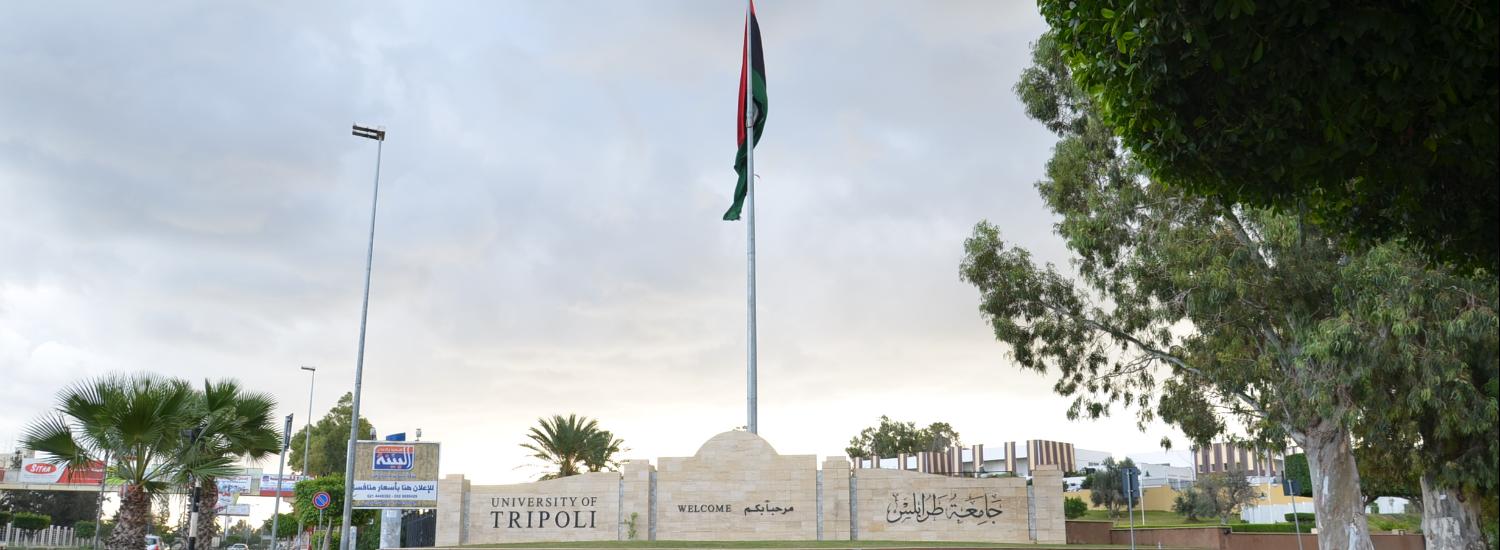
UoT Launches its new Website
-

Engineering Management Department
More ...About Engineering Management Department
Facts about Engineering Management Department
We are proud of what we offer to the world and the community
27
Publications
Publications
Some of publications in Engineering Management Department
تقويم دور الضمانات المصرفية في تنفيذ الالتزامات التعاقدية بالمشروعات التنموية
تعتبر المشاريع الإنشائية من أهم المشاريع التنموية التي تم التعاقد على تنفيذها في ليبيا خلال السنوات الماضية, وحيث أن إدارة وتنفيذ عقود هذه المشاريع بالكيفية الجيدة يعتبر من أهم أسباب نجاحها, وهو الأمر الذي عادةً لن يكون سهلاً, وعليه فقد بات من الضروري الوقوف على الصعوبات والمشاكل التي قد تعيق تنفيذ الالتزامات التعاقدية لهذه المشاريع والعمل على إيجاد الحلول العملية لمثل هذه الصعوبات وذلك بما يضمن تحقيق مستهدفاتها.إن تنفيذ هذه المشاريع وإنجازها في الوقت المحدد يتطلب بالضرورة تخصيص الأموال اللازمة من منشآت مؤقتة ومواد وتجهيزات وأيدي عاملة وآليات وغيرها من مستلزمات التنفيذ الأساسية, لذا فإن الجهة صاحبة المشروع وتسهيلاً منها على المقاول لضمان المباشرة الفاعلة في تنفيذ المشروع المسند إليه, تقوم بصرف دفعة مقدمة على الحساب وذلك بنسبة مئوية من إجمالي قيمة تنفيذ المشروع. ويتم عادة طلب صرف مثل هذه الدفعات من جانب المقاول بعد الانتهاء من استلامه لموقع العمل من الجهة المالكة, وبالنظر إلى أن صرف الدفعة المقدمة يكون في بداية المشروع ولا يقابلها أية أعمال تنفيذية, فإن صرفها يكون بمثابة إقراض من الجهة صاحبة المشروع للمقاول, لذلك يتعين على المقاول تقديم ضمانات مصرفية تعرف ب (ضمان الدفعة المقدمة), والذي يجب أن يكون مستوفياً لعدد من الاشتراطات حددتها لائحة العقود الإدارية.وبالنظر إلى القيمة المالية الكبيرة للعقود التي أُبرمت للمشاريع الانشائية التي قدم فيها مثل هذا النوع من الضمانات المصرفية كضمان للدفعات المقدمة, وحيث أن هناك نسبة كبيرة من هذه المشاريع لم تكتمل ومنها من لم يتم البدء في تنفيذها أساساً, وبالنظر للمبالغ الكبيرة التي تم صرفها للمقاولين (15% من قيمة العقود المبرمة), لذا وجب الاهتمام بدراسة هذا الموضوع وتناول المشاكل التي تواجه عمليات استخدام مثل هذه الخطابات المصرفية وتقويم فاعليتها ومن هذه النقطة انطلقت فكرة القيام بهذه الدراسة البحثية. إعتمد هذا البحث في منهجيته على دراسة اللوائح والتشريعات المعمول بها في ليبيا في مجال الضمانات المصرفية, ودراسة الموضوع من جميع جوانبه ومن كل الأطراف المتعاملة بمثل هذه الضمانات ابتداءً من الجهة المصدرة لهذا الضمان إلى الجهة المستفيدة منه. وقد تم دعم هذه الدراسة بتجميع البيانات والمعلومات اللازمة عن طريق توزيع الاستبيانات فضلاً عن اجراء عدد من المقابلات الشخصية مع عينة من عناصر ممثلة لمجتمع الدراسة والتي تمثلت في مجموعة من المهندسين والخبراء العاملين في هذا المجال من جهة أصحاب المشاريع ومن جهة المصارف المتعاملة بهذه الضمانات.وبعد جمع البيانات والذي يمثل الجانب العملي من الدراسة, تم تحليلها بالطرق الاحصائية وتم التوصل إلى توصيات ومقترحات للمساعدة في الحد من استفحال المشاكل والصعوبات التي تواجه هذه الضمانات وتحد من الاستفادة منها لصالح تنفيذ المشروع بأسرع وقت وبالجودة المطلوبة.ومن بين أهم النتائج المتحصل عليها هي التأكيد على أهمية الاستمرار في صرف الدفعات المقدمة للمقاولين المتعاقد معهم على تنفيذ المشروعات كأحد السبل الكفيلة لضمان البدء الفعلي في أعمال التنفيذ على النحو المتعاقد عليه وذلك في مقابل ضمانات مصرفية فاعلة, كما أظهرت النتائج المتحصل عليها كذلك الحاجة الماسة لتكثيف برامج التدريب والتوعية بآلية ادارة ومتابعة الضمانات المصرفية على مختلف المستويات الادارية من مهندسين وقانونيين و اداريين ومحاسبين و غيرها, وذلك لضمان فاعلية هذه الآليات المصرفية ضمن دورة الاجراءات التعاقدية التي تستهدف تحقيق مصالح المشروع المتعاقد على تنفيذه. Abstract The full completion of construction projects within the specified time, cost and quality of the project output, are one of the most important achievements of any civilized country. Over the past couple of years, projects of the construction sector have been one of the most important projects to be implemented in Libya. The main factors which contribute to its success is the efficient management and application of the contracts coupled with good intentions. This will not be easy and it has become vital to stop these problems and difficulties that may hinder the procedures of the contracted commitments for these projects. Therefore it is imperative to find practical solutions to such difficulties and to ensure sustainable development of the country’s requirements. The success and implementation of these projects in the allocated time frame requires sufficient funds for securing the necessary equipment such as temporary facilities, employees and other basic supplies. Therefore, the project manager needs to direct the contractor to ensure the effective and relevant application of the project. Furthermore, a percentage of the total cost of the project is required to be paid in advance to the contractor after they have taken over the work site. Additionally, the payment that is distributed at the beginning of the project is not influenced by any executive business. The contractor is given such down payment as a loan from the project owner and consequently, the Contractor needs to provide guarantees usually from banks and known as (Advance Payment Guarantee) that complies with the administrative condition of contract requirements. Considering the large values of the contracts of the construction projects that have been covered by these types of bank guarantees; such as advance payments, there has been a large proportion of these projects which have not been completed and in some cases not even started. In view of the large amounts of money that has been given to contractors (15% of contracts value), it is essential to address this issue and try to overcome problems that may be caused by using of such tools provided by the bank and to evaluate its effectiveness. This valid point has inspired the researcher to conduct this study. The area of this research is based on studying the regulations and legislations of bank guarantees in Libya. Additionally, studying the subject from all aspects that deal with such guarantees, starting from the issuer of the guarantee to the people who benefit from them. The data and information compiled in this study was achieved by distributing questionnaire’s as well as personal interviews with a sample of representatives of engineers and experts working in this field; on one hand investigating the entrepreneurs and on the other hand dealing with banks who are involved in issuing these guarantees. After collecting all needed data, which also represents the practical aspects of the study, statistical methods were used to analyse the collected data. Based on results that were achieved, recommendations and proposals to improve the current procedures were addressed in order to assist in the reduction of exacerbating any problems and difficulties these types of guarantees face. Furthermore, it is believed that using these recommendations will benefit the implementation of the project to achieve the required quality. Among the most important outcomes is emphasizing the importance of continuing to give the advanced payments to the contractors. This will ensure the work commences as contracted; in exchange for effective guarantees. The results obtained indicate the urgent need to intensify the training programmes to educate the importance of bank guarantees amongst different administrative levels from engineers to managers to accountants and others. Consequently, to ensure the effectiveness of these banking schemes, contractual procedures need to be implemented that target the interests of the parties of the project.
سامية جمعة أبوبريق (2015)
Publisher's website
سامية جمعة أبوبريق (2015)
Managing Change of Project in”Oil Industrial Sector"
Abstract The success of projects are depends on the people involve and how they tackle the design of the projects for specific needs, planning of activities, budget cost and execution to achieve the ultimate goal. Each phase of the project contributes an important task and this will reflect on how good the project management handled by the team.Project management means managing all the relevant activities of the project within the given constraints of time and cost, however , to complete specified project as per schedule and within the allocated budget, an accurate planning and optimization of all available resources will be required to complete all the tasks.During the projects, changes can occur even though the original scope may have been carefully planned. These changes might occur at any times and in ways that are unexpected.Changes during project execution can significantly affect not only time schedule but may affect also the economical aspect of the project. This phenomenon can be considered as normal and experienced world wide especially in the third world countries wherein lack of technical knowledge and resources are major problems.This study concerns the majority of the managerial changes occurred during the project execution step and the role of the organization in handling such changes as competitive and finding solutions in order to manage the project effectively.Many oil companies in Libya were facing numerous problems in the delay of project implementation, poor quality management, planning and poor performance which deviate from the required project objectives. Changes that occur later in the implementation cause serious problems in delaying the project schedule and increasing costs, effectively are reducing the benefits of the project.By Appling the questionnaire that consists of 30 specific questions which have been distributed to 13 Companies under umbrella of National Oil Corporation (N.O.C). Eight out of thirteen companies were responded.The analysis of the data collected from submitted questionnaire has been analyzed using Microsoft Excel 2000. That allows simple setting and manipulation of the data collected.Statistical data and interviews on the respondent companies indicate the following items: Full dependency on the external contractors to fully execute the project implementation that leads to high cost of contracts (EPC contracts).Poor supervision leading to significant delay of the implementation of the project. (Specifically of E P contracts).The Project Implementation profile (PIP technique) has been used on this study to evaluate one of the project which had delay and some other related problems selected random as case study. The analysis covered all the factors for project implementation. Technical factor.Managerial factors.Controlling factors. In order to improve the project management for oil & gas companies listed in this research and to overcome such problems. This study recommends a good communication and coordination system connecting all local petroleum companies and providing data exchange which enables to minimize time, cost personnel and learn from mistakes.
زينب مختار المصري (2007)
Publisher's website
زينب مختار المصري (2007)
استخدام أدوات السيطرة النوعية لتحسين الجودة دراسة تطبيقية في مصنع خلط وتعبئة الزيوت بشركة الزاوية لتكرير النفط
إن اعتماد أدوات السيطرة في ضبط الجودة هو السبيل الوحيد للوصول إلى النجاح وارتقاء سلّم القمة للوصول إلى التمايز في الأعمال، وبناءً على ذلك يأتي هذا البحث لتحليل أدوات السيطرة النوعية ( Quality control ) المطبقة في شركة الزاوية لتكرير النفط ولاسيما إدارة مصنع الزيوت، والتعرف على أنماط العمل الإداري في بيئة العمل الداخلية. إن اعتماد معايير وطرق القياس وإصدار المواصفات القياسية لمختلف المنتجات التي يعنى بإنتاجها مصنع الزيوت يسهم بتطوير ورفع الكفاءة الإنتاجية ومستوى الجودة للمنتجات من خلال فعاليات تأكيد الجودة ، وكذلك الحد من التالف من المنتج أو ذات الجودة المنخفضة من خلال فحص ومراقبة النوعية باعتماد معايير التحكم بالجودة من خلال أدوات السيطرة النوعية.ولقد وجد الباحث من خلال اطلاعه وزياراته المتكررة لبيئة العمل في مصنع الزيوت بقسم تصنيع العلب المعدنية وقسم التعبئة، ومن خلال المناقشات المستمرة أنّ هناك هدراً وتلفاً في الإنتاج، والذي يعزى لسبب رئيس وهو غياب دور وحدة السيطرة النوعية وغياب الأساليب الحديثة في ضبط الجودة، وعدم تطبيق تلك الأساليب في المصنع قيد البحث، كل ذلك دفع الباحث إلى دراسة تلك المعطيات.إنّ أهمية هذا البحث تكمن في تأكيده على أهمية استخدام أدوات السيطرة النوعية في عرض الواقع الفعلي لسير العمليات الإنتاجية، وكشف وتشخيص مواضع الخلل والعمل على علاجها وتفاديها مستقبلاً.وقد توصّل الباحث إلى جملة من النتائج ومن أهمّها: أوضح البحث عدم تطبيق أدوات للسيطرة النوعية على عملية الإنتاج وإنما تطبيق أساليب السيطرة والرقابة على زمن العمل.عدم وضوح مفهوم أدوات السيطرة النوعية لدى العاملين بالمصنع.أنّ الدورات التدريبية التي تعطى للمنتجين من حين إلى آخر هي دورات لاستمرار اكتساب الخبرات القديمة وليس دورات استخدام أدوات السيطرة النوعية.عدم وجود قسم متخصص بالسيطرة النوعية على الإنتاج بالمصنع.وأهم التوصيات التي توصل إليها الباحث هي:ضرورة إنشاء قسم متخصص بالسيطرة النوعية على الإنتاج بقسمي التصنيع والتعبئة في المصنع.التأكيد على إدارة مصنع خلط وتعبئة الزيوت بشركة الزاوية لتكرير النفط بضرورة تعيين عاملين ذو مؤهلات علمية جامعية قادرة على تطبيق أدوات السيطرة النوعية على الإنتاج.ضرورة إقامة دورات تدريبية متخصّصة بأساليب السيطرة النوعية وطرق استخدامها، بحيث تتضمن تلك الدورات مفهوم أدوات السيطرة النوعية لدى العاملين وبيان أهميتها.تشجيع العاملين بالمصنع على المشاركة بالدورات التدريبية المتخصصة بمجال السيطرة النوعية على الإنتاج من أجل تحسين جودة الإنتاج.
فتحي الطاهر شلغوم (2008)
Publisher's website
فتحي الطاهر شلغوم (2008)