كلية التربية - طرابلس

المزيد ...

حول كلية التربية - طرابلس

تُعد كلية التربية - طرابلس إحدى كليات جامعة طرابلس العريقة، وعندما ألغيت كليات التربية في ليبيا في العام الدراسي 1998-1999م، وحل محلها المعاهد العليا لإعداد المعلمين، لم تُستثنى كلية التربية - طرابلس من ذلك، وفي العام الدراسي 2004م - 2005م، أُنشأت كليات إعداد المعلمين التي تتبع الجامعات الليبية المختلفة، وفي العام الدراسي 2008-2009م تغير الاسم من كلية إعداد المعلمين إلى كلية التربية- طرابلس لتعود كما كانت، صرحاً تربوياً عريقا تحت اسم "كلية التربية- طرابلس".

كلية التربية إحدى كليات جامعة طرابلس العريقة ويرجع تاريخها إلى أواسط ستينات القرن الماضي أي ما يقارب من تصف قرن حيث تم إنشائها تحت مسمى كلية المعلمين العليا بالاشتراك مع منظمة اليونيسكو وذلك في سنة 1965 وتكفلت منظمة اليونيسكو بتوفير عدد من الخبراء للكلية وفي عام 1967 ضُمت الكلية إلى الجامعة الليبية في ذلك الوقت وبتاريخ 1970 تقرر تغيير اسمها ليصبح كلية التربية وقد انتقلت كلية التربية إلى عدة أماكن في مدينة طرابلس عبر تاريخها الطويل.

حقائق حول كلية التربية - طرابلس

نفتخر بما نقدمه للمجتمع والعالم

167

المنشورات العلمية

185

هيئة التدريس

2790

الطلبة

0

الخريجون

البرامج الدراسية

بكالوريوس في العلوم والتربية
تخصص الفيزياء

البرنامج الأساسي لقسم الفيزياء متمثل في منح الطلاب المتخرجين درجة البكالوريوس، وهو...

التفاصيل

ليسانس في الآداب والتربية
تخصص معلم فصل

يمنح قسم معلم فصل درجة البكالوريوس ولايحتوي على برنامج الدراسات العليا إلى هذه اللحظة،...

التفاصيل

ليسانس في الأداب والتربية
تخصص التربية وعلم النفس

يسعى قسم التربية وعلم النفس كلية التربية / طرابلس من خلال هذا البرنامج التعليمي إلى...

التفاصيل
من يعمل بـكلية التربية - طرابلس

يوجد بـكلية التربية - طرابلس أكثر من 185 عضو هيئة تدريس

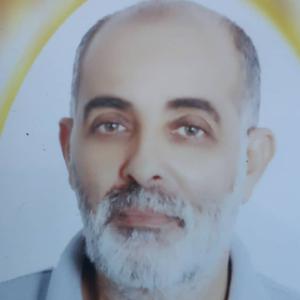
staff photo

أ. نجم الدين الطاهر ابوبكر الفتحلي

نجم الدين الفتحلي هو احد اعضاء هيئة التدريس بقسم الرياضيات بكلية التربية طرابلس. يعمل السيد نجم الدين الفتحلي بجامعة طرابلس كعضو هيئة تدريس منذ 1995

منشورات مختارة

بعض المنشورات التي تم نشرها في كلية التربية - طرابلس

Detection of the splicing defects(c.1845+11c>g), and common polymorphism (1773C>T) in exon 12 of LDL-R gene on chromosome 19 among some Heterozygous FH patients in Tripoli

Study discusses the genetic basis for familial hypercholesterolemia (FH) in some Libyan patients at Tripoli city, examining the distribution of variants that associated with mutations in exon 12 of low density lipoprotein receptor (LDL-R) gene on chromosome 19. Genetic analysis were done using polymerases chain reaction-single strand conformation polymorphism (PCR-SSCP) based on DNA technique, to detect splicing defects of the LDL-R gene in exon 12 on chromosome 19, among some Libyans patients probably have heterozygous familial hypercholesterol-emia (HeFH). The patient’svolunteer’s participants in this study were from Tajjora National Cardiac Center, Endocrine and Diabetic Hospital in Tripoli. The study showed the presence of the splicing defects (1845 +11 C>G)in the exon 12 of the LDL-R gene on chromosome 19 in patients with hyperchol-esterolemia and ischemic heart disease, as they have family history in hypercholesterolemia and other secondary causes to heart disease such as diabetic, hypertension, chest pain, and obesity. Frequency of HeFH Libyan patients was (0.86%), and the significant of statistical analysis were{p-value>0.05}, which considered high according to clinical diagnostic criteria for HeFH. As well as detection the single nucleotide polymorphisms (SNP) (1773C>T) that alter the exon splicing efficiency, because it is associated with an emerging of the functional genetic variants for mutations in exon-12, where results of molecular diagnosis confirmed that occurrence the mutation of (LDL-R gene) relates to premature coronary artery diseases(P-CAD). arabic 35 English 137
Soomia Ahmed Ali Al-Haddad(1-2016)
Publisher's website

Serological study on the prevalence of malaria in samples from foreign workers in Tripoli, Libya

This study was primarily conducted to investigate the prevalence of imported malaria in a sample of foreign workers (n-1038) in Tripoli during the period from May 2006 to June 2007. A comprehensive review of malaria epidemiology in Libya in the last two decades was also given. All samples were tested serologically using Malaria Rapid Diagnostic test and then examined using blood film technique. Results showed that only 10 samples (1%) were tested positive for both malaria rapid diagnostic test and blood film. Nine of those infected were identified as Plasmodium falciparum and one as Plasmodium vivax. This study confirms that the prevalence of malaria in legal foreign workers is low and the risk of re-introducing or transmitting malaria in the northern areas of the country is remote. It also gives no good reason for including malaria test among those requested for issuing health certificates to foreign workers. The use of malaria Rapid Diagnostic test for malaria detection in this study was proved to be practical and reliable. Although, the situation of imported malaria in Libya imposes no immediate threat to re-emerging of malaria in the country however, continuous surveillance and monitoring particularly to the southern regions and populations have to be taken in a great consideration. An updated new map of malaria vectors distribution in Libya is urgently needed to be able to outline areas of high risk of malaria transmission.
Fadwa Jamaledden Mustafa Kamel Mahanay, Badereddin Bashir K. Annajar(5-2009)
Publisher's website

A Comparison between Three Organic Solvents in Extracting Essential Oils from Fresh and Dry Leaves Of Salvia Officinalis L

Salvia officinalis L. is a Mediterranean species, naturalized in many countries. The composition of essential oil isolated from Salvia officinalis L, wild growing in Libya, was analyzed. In this study, essential oils from fresh and dry leaves of Salvia officinalis L, Libya, were extracted with ethanol, hexane or chloroform as solvents using Soxhlet apparatus and the extracts were analyzed using gas chromatography/mass spectrometry method. Each solvent showed differences in the extraction yields between fresh and dry leaves. Physical constants of the extracts were shown variation in color, viscosity, density, PH and percentage of production between fresh and dry leaves for each solvent. GC-MS results showed that ethanol could extract the most compounds compared to hexane and chloroform from both fresh and dry leaves. In total 41, 28 and 31 compounds were identified in the essential oils of fresh and dry leaves of Salvia officinalis L using ethanol, hexane or chloroform respectively. For each solvent the number of compounds extracted from dry leaves was bigger than the number extracted from fresh leaves. arabic 33 English 104
ABUBAKER A BASHIR ATRROG, abdunnaser mohamed mohamed megrahi, Fathia Mousa H Altalhi(4-2018)
Publisher's website

المجلات العلمية

بعض المجلات العلمية التي تصدر عن كلية التربية - طرابلس