كلية التربية - طرابلس

المزيد ...

حول كلية التربية - طرابلس

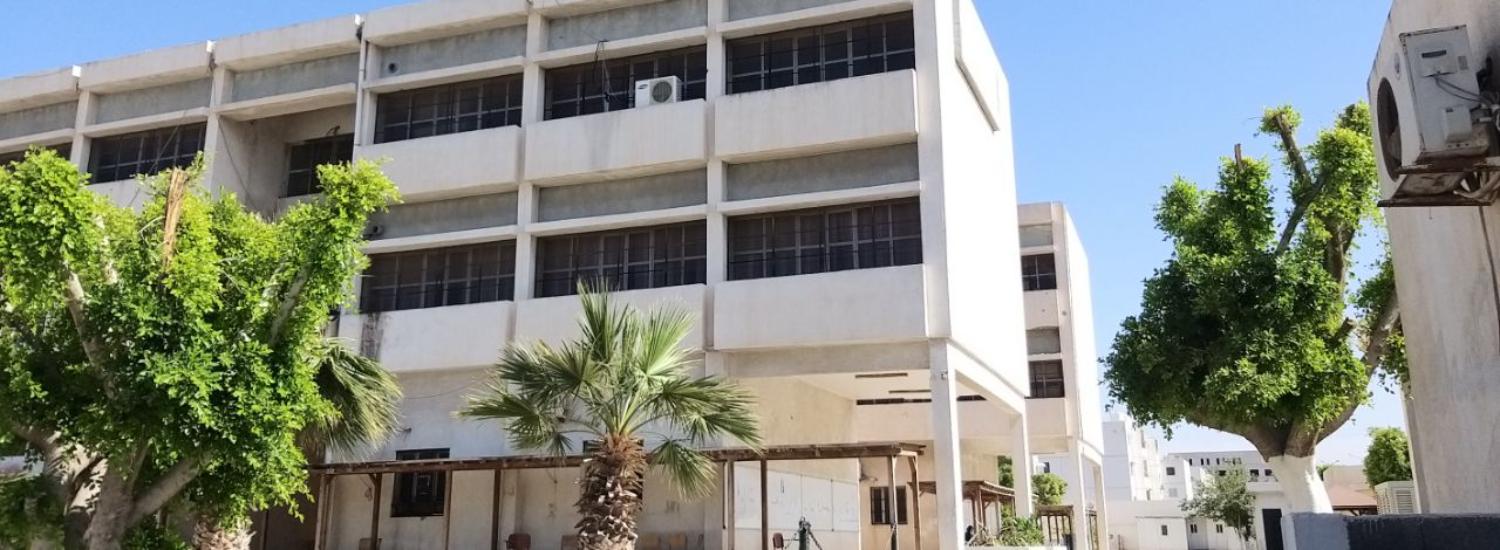
تُعد كلية التربية - طرابلس إحدى كليات جامعة طرابلس العريقة، وعندما ألغيت كليات التربية في ليبيا في العام الدراسي 1998-1999م، وحل محلها المعاهد العليا لإعداد المعلمين، لم تُستثنى كلية التربية - طرابلس من ذلك، وفي العام الدراسي 2004م - 2005م، أُنشأت كليات إعداد المعلمين التي تتبع الجامعات الليبية المختلفة، وفي العام الدراسي 2008-2009م تغير الاسم من كلية إعداد المعلمين إلى كلية التربية- طرابلس لتعود كما كانت، صرحاً تربوياً عريقا تحت اسم "كلية التربية- طرابلس".

كلية التربية إحدى كليات جامعة طرابلس العريقة ويرجع تاريخها إلى أواسط ستينات القرن الماضي أي ما يقارب من تصف قرن حيث تم إنشائها تحت مسمى كلية المعلمين العليا بالاشتراك مع منظمة اليونيسكو وذلك في سنة 1965 وتكفلت منظمة اليونيسكو بتوفير عدد من الخبراء للكلية وفي عام 1967 ضُمت الكلية إلى الجامعة الليبية في ذلك الوقت وبتاريخ 1970 تقرر تغيير اسمها ليصبح كلية التربية وقد انتقلت كلية التربية إلى عدة أماكن في مدينة طرابلس عبر تاريخها الطويل.

حقائق حول كلية التربية - طرابلس

نفتخر بما نقدمه للمجتمع والعالم

167

المنشورات العلمية

185

هيئة التدريس

2790

الطلبة

0

الخريجون

البرامج الدراسية

بكالوريوس في العلوم والتربية
تخصص الحاسوب

يعد قسم الحاسوب من اقسام الجامعة المهمة مدة الدراسة فيه 8 فصول دراسية يتم فيه منح الدارس...

التفاصيل
بكالوريوس في العلوم والتربية
تخصص الفيزياء

البرنامج الأساسي لقسم الفيزياء متمثل في منح الطلاب المتخرجين درجة البكالوريوس، وهو...

التفاصيل

ليسانس في الأداب والتربية
تخصص رياض الأطفال

قسم رياض الاطفال هو أحد الأقسام العلمية بكلية التربية -طرابلس التابعة لجامعة طراب...

التفاصيل

من يعمل بـكلية التربية - طرابلس

يوجد بـكلية التربية - طرابلس أكثر من 185 عضو هيئة تدريس

staff photo

أ. فوزية محمد احمد الوافي

فوزية الوافي هي احد اعضاء هيئة التدريس بقسم اللغة الانجليزية بكلية التربية طرابلس. تعمل السيدة فوزية الوافي بجامعة طرابلس كـمحاضر مساعد منذ 2011-02-06 ولها العديد من المنشورات العلمية في مجال تخصصها

منشورات مختارة

بعض المنشورات التي تم نشرها في كلية التربية - طرابلس

Returning to Graduation Project: Attitudes and Perceived Challenges of Students and Staff at a Libyan EFL Department

In 1997, the Department of English (Faculty of Languages, University of Tripoli) canceled Graduation Project (GP) as a graduation requirement primarily due to growing student plagiarism. Two decades on, the Department decided it is time for Returning to Graduation Project (RGP). In preparation for this, a Research Methods (RM) module was delivered to students, and an intense ‘research design and methodology’ course was taken by the staff. In this exploratory mixed-methods case-study research, the main question focuses on attitudes and perceived challenges facing students and staff concerning RGP. The aim is to tackle negative attitudes and perceived obstacles in anticipation of a successful RGP, which spells out the significance of the research. Data were collected through a questionnaire (n=52) and a focus group discussion with seventh-semester students (10); semi-structured interviews with staff (13). A small majority of students (54%) supported RGP; the remaining 46% raised two kinds of concerns: realistic challenges of lacking resources, inadequate RM skills, and supervisor issues; unrealistic challenges involved time constraints, fear of presenting, and problems of determining research topics. Staff members were receptive to RGP but raised numerous concerns. Whereas experienced members expressed cynicism due to low students competencies and lacking resources, others saw RGP as an opportunity for students to gain practical research experience ahead of postgraduate study. Several challenges were perceived, chief among them are students lack of research skills, inexperienced supervisors, inadequate resources, and an ever-lasting concern with plagiarism. New staff reported the need for tuition in ‘data analysis and interpretation’, and ‘supervision practice’. Peculiarities characteristic of the case milieu emerged. arabic 18 English 99
ٌٌReda Khaled Emhemmed Elmabruk(1-2020)
Publisher's website

Multi-frequency Electrical Impedance Tomography: Image Reconstruction Using Complex Sensitivity Matrix with Finite Element Methods

: Electrical Impedance Tomography (EIT) is a non invasive imaging technique with widespread applications in medicine and industry. It aims to image the conductivity distribution within an object by making electrical measurements on the surface of the volume. Single frequency electrical impedance tomography offers many positive attributes which are now being exploited clinically, but there are also problems which have been identified. Multi-frequency electrical impedance tomography has been proposed to solve this problem by making impedance measurements over a range of frequencies. The reason for this is that the impedance of biological tissues varies with frequency, and the variations are different from tissue to tissue. It is therefore possible, in principle to make static image (i.e. images of the distribution of frequency dependence of the impedance within the body) by measuring tissue impedance over a range of frequencies. In this paper new method concerning multi-frequency electrical impedance tomography have been developed. In the this new developed method; current density and finite element method have been used for the derivation of the complex sensitivity matrix. The new developed method was applied in some models and acceptable results were found. By using these method it possible to produce improvement and fast image reconstructions.
Amani SOLIMAN(3-2012)
Publisher's website

دراسة أم في سورة الطّور

البحث هو إسهام متواضع لخدمة القرآن الكريم ولغته من خلال تفصيل الكلام عن( أم ) في سورة الطور arabic 42 English 0
أ. خيرية خليفة مجمّد الجفائري(9-2009)
Publisher's website

المجلات العلمية

بعض المجلات العلمية التي تصدر عن كلية التربية - طرابلس