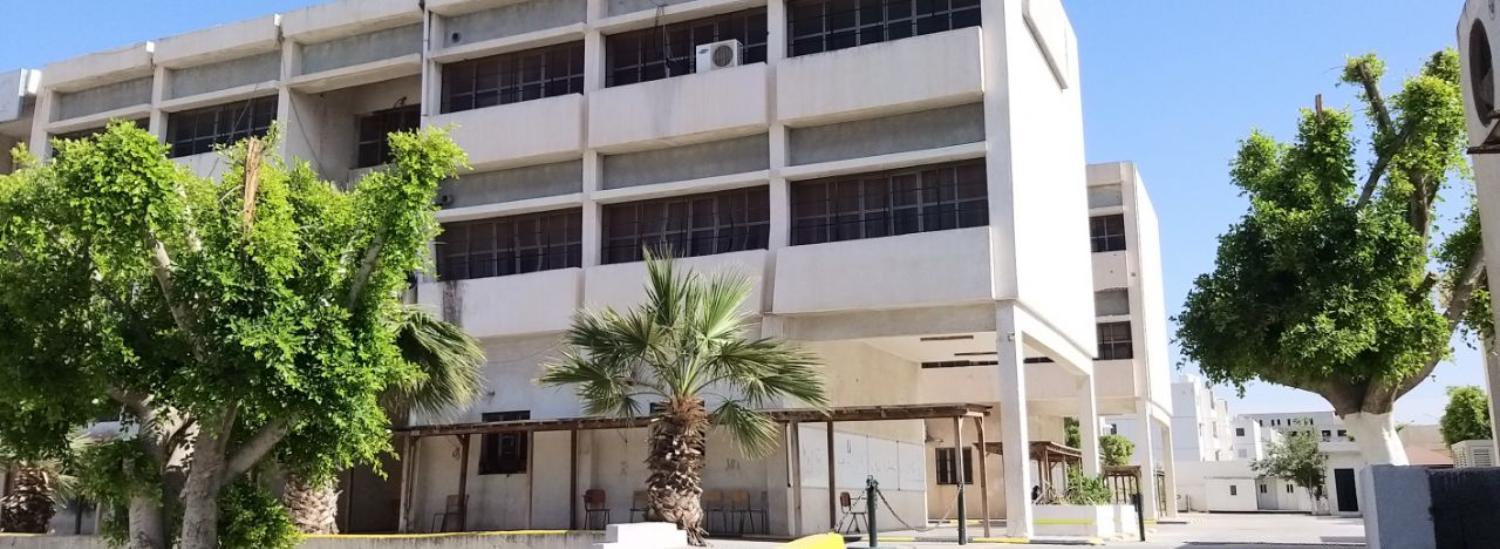
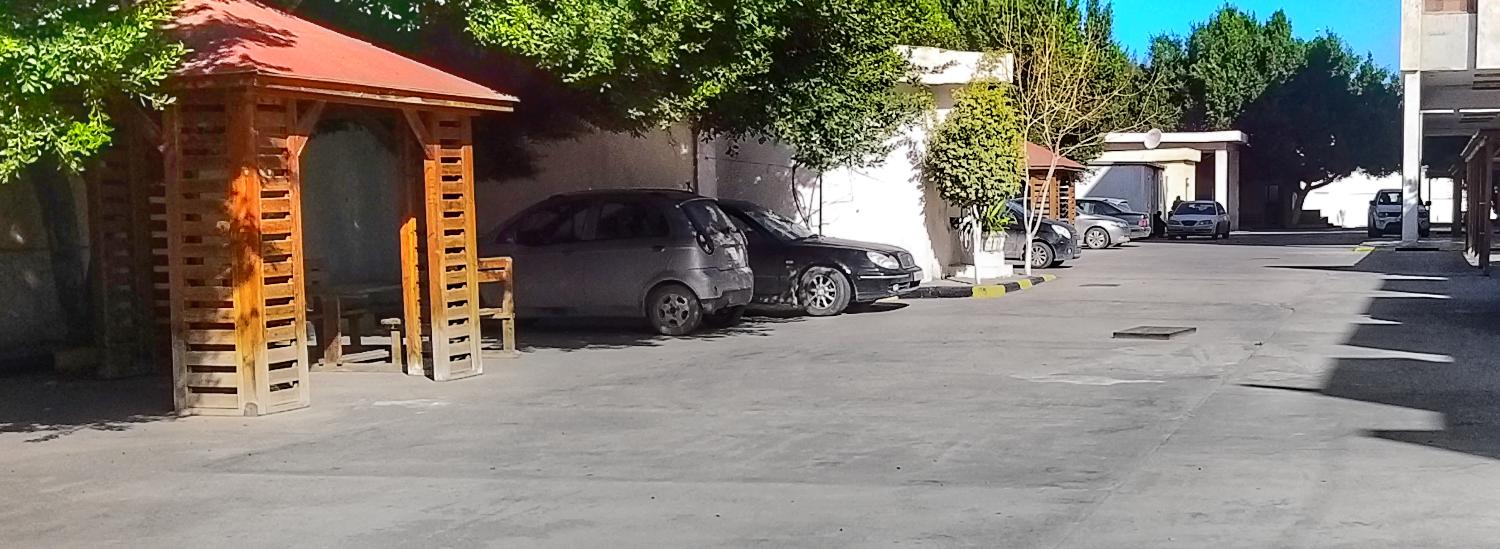
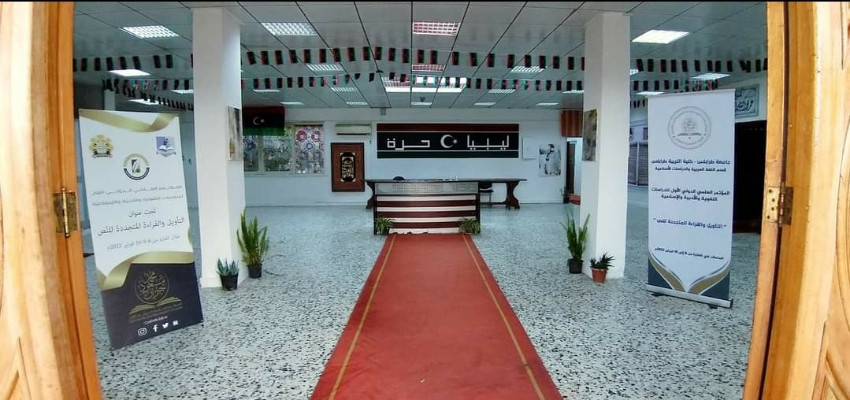
كلية التربية - طرابلس

المزيد ...

حول كلية التربية - طرابلس

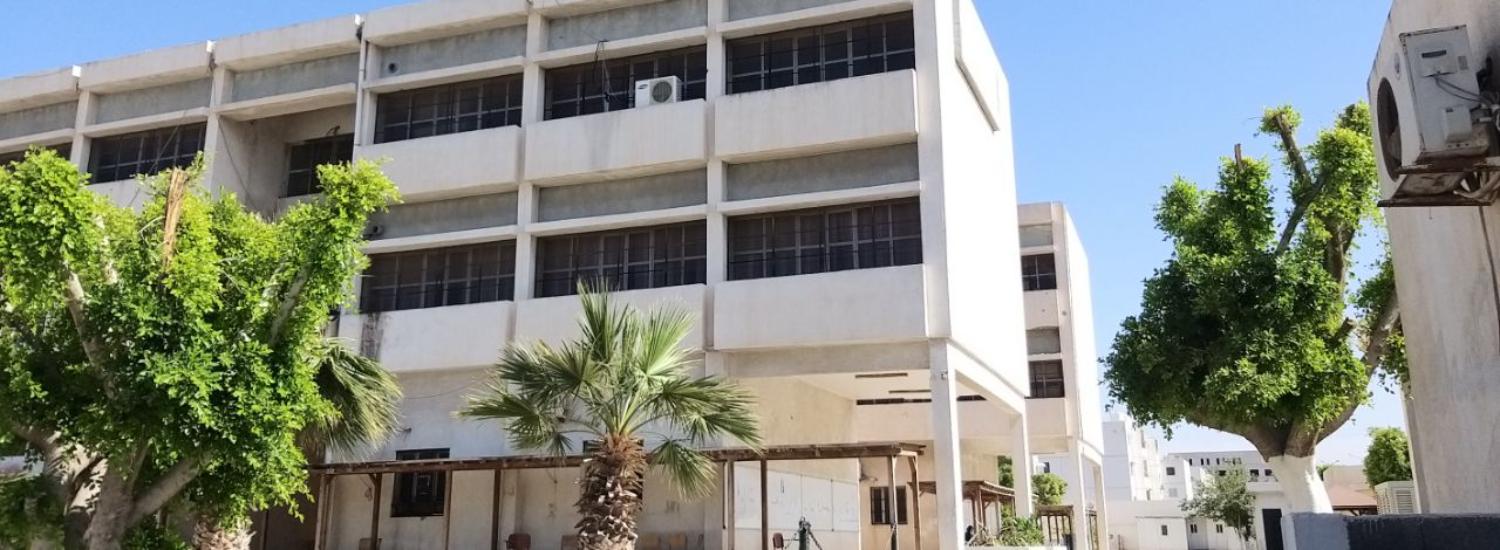
تُعد كلية التربية - طرابلس إحدى كليات جامعة طرابلس العريقة، وعندما ألغيت كليات التربية في ليبيا في العام الدراسي 1998-1999م، وحل محلها المعاهد العليا لإعداد المعلمين، لم تُستثنى كلية التربية - طرابلس من ذلك، وفي العام الدراسي 2004م - 2005م، أُنشأت كليات إعداد المعلمين التي تتبع الجامعات الليبية المختلفة، وفي العام الدراسي 2008-2009م تغير الاسم من كلية إعداد المعلمين إلى كلية التربية- طرابلس لتعود كما كانت، صرحاً تربوياً عريقا تحت اسم "كلية التربية- طرابلس".

كلية التربية إحدى كليات جامعة طرابلس العريقة ويرجع تاريخها إلى أواسط ستينات القرن الماضي أي ما يقارب من تصف قرن حيث تم إنشائها تحت مسمى كلية المعلمين العليا بالاشتراك مع منظمة اليونيسكو وذلك في سنة 1965 وتكفلت منظمة اليونيسكو بتوفير عدد من الخبراء للكلية وفي عام 1967 ضُمت الكلية إلى الجامعة الليبية في ذلك الوقت وبتاريخ 1970 تقرر تغيير اسمها ليصبح كلية التربية وقد انتقلت كلية التربية إلى عدة أماكن في مدينة طرابلس عبر تاريخها الطويل.

حقائق حول كلية التربية - طرابلس

نفتخر بما نقدمه للمجتمع والعالم

167

المنشورات العلمية

185

هيئة التدريس

2790

الطلبة

0

الخريجون

البرامج الدراسية

ليسانس في الآداب والتربية
تخصص اللغة الإنجليزية

برنامج قسم اللغة الانجليزية هو اعداد المدرسين الاكفاء والمؤهلين لغويا وتربويا للعمل...

التفاصيل

بكالوريوس في العلوم والتربية
تخصص الاحياء

البرنامج الأساسي لقسم الأحياء متمثل في منح الطلاب المتخرجين درجة البكالوريوس، ولا...

التفاصيل

ليسانس في الآداب والتربية
تخصص معلم فصل

يمنح قسم معلم فصل درجة البكالوريوس ولايحتوي على برنامج الدراسات العليا إلى هذه اللحظة،...

التفاصيل

من يعمل بـكلية التربية - طرابلس

يوجد بـكلية التربية - طرابلس أكثر من 185 عضو هيئة تدريس

staff photo

أ.د. مصطفى علي مصطفى الجهاني

أ.د. مصطفى الجهاني هو احد أعضاء هيئة التدريس بقسم اللغة العربية بكلية التربية طرابلس. يعمل السيد مصطفى الجهاني بجامعة طرابلس كـأستاذ مشارك منذ 2017-11-15 وله العديد من المنشورات العلمية في مجال تخصصه.

منشورات مختارة

بعض المنشورات التي تم نشرها في كلية التربية - طرابلس

Investigating Language Tests’ Content Validity in Public Schools in Tripoli

Investigating Language Tests’ Content Validity in Public Schools in Tripoli arabic 12 English 65
Yousra Ali Moftah Alghanemi, Fuzia Moh A Elwafi, (1-2020)
Publisher's website

Vulnerabilities of Biometric Authentication “Threats and Countermeasures”

Biometric systems have a powerful potential to provide security for a variety of applications, systems are nowadays being introduced in many applications and have already been deployed to protect personal computers, Banking machines, credit cards, electronic transactions, airports, high security institutions like nuclear facilities, Military Bases and other applications like borders control, access control, sensitive data protection and on-line tracking systems. While biometrics may improve security in different environments and serve many purposes, biometric systems, like any other security system, have vulnerabilities and are susceptible to threats. they are susceptible to external vulnerabilities of biometric systems so that their weaknesses can be found and useful countermeasures against foreseeable attacks can be developed The increasingly high profile use of biometrics for security purposes has provoked new interest in researching and exploring methods of attacking biometric systems.
Abdulmonam Omar Ahmed Alaswad, Ahlal H. Montaser, Fawzia Elhashmi Mohamad(0-2014)
Publisher's website

Determination of Some Trace Elements in Different Vinegar Samples from Libyan Market using Inductively Coupled Plasma Atomic Emission Spectrometer ICP-AES

Ten vinegar samples were collected from the Libyan local market in the city of Tripoli. The elements have been investigated were:As, Pb, Cu, Fe and Zn. The samples were treated and prepared according to Indian standard IS 14703-1999, and the measurements have been done by using inductively coupled plasm – atomic emission spectroscopy (ICP-AES) available in the Libyan Petroleum Institute. The analysis indicated that the concentration of Arsenic of all the samples was less than 0.02mg/kg whereas, the concentration of lead is less than 0.03mg/kg. The concentration ranges of Cu, Fe and Zn were 0.11-0.59mg/kg, 0.72-2.67mg/kg and 0.08-0.28mg/kg respectively. The concentrations of the elements AS, Pb, Cu, Fe and Zn are within the limits of a variety of standards such as Libyan, Indian and Pakistani ones. arabic 21 English 134
ABUBAKER A BASHIR ATRROG, RAGIAB ALI MOKHTAR ISSA, ِAburawi Mohammed Aburawi Algornazi(11-2020)
Publisher's website

المجلات العلمية

بعض المجلات العلمية التي تصدر عن كلية التربية - طرابلس