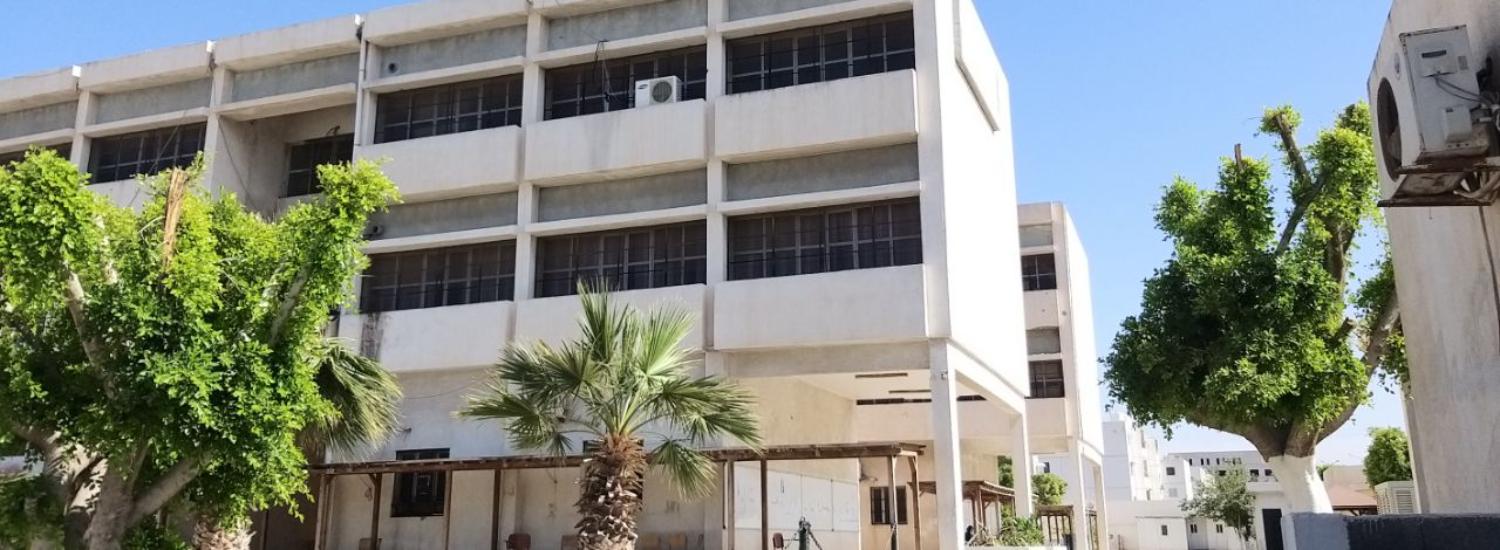

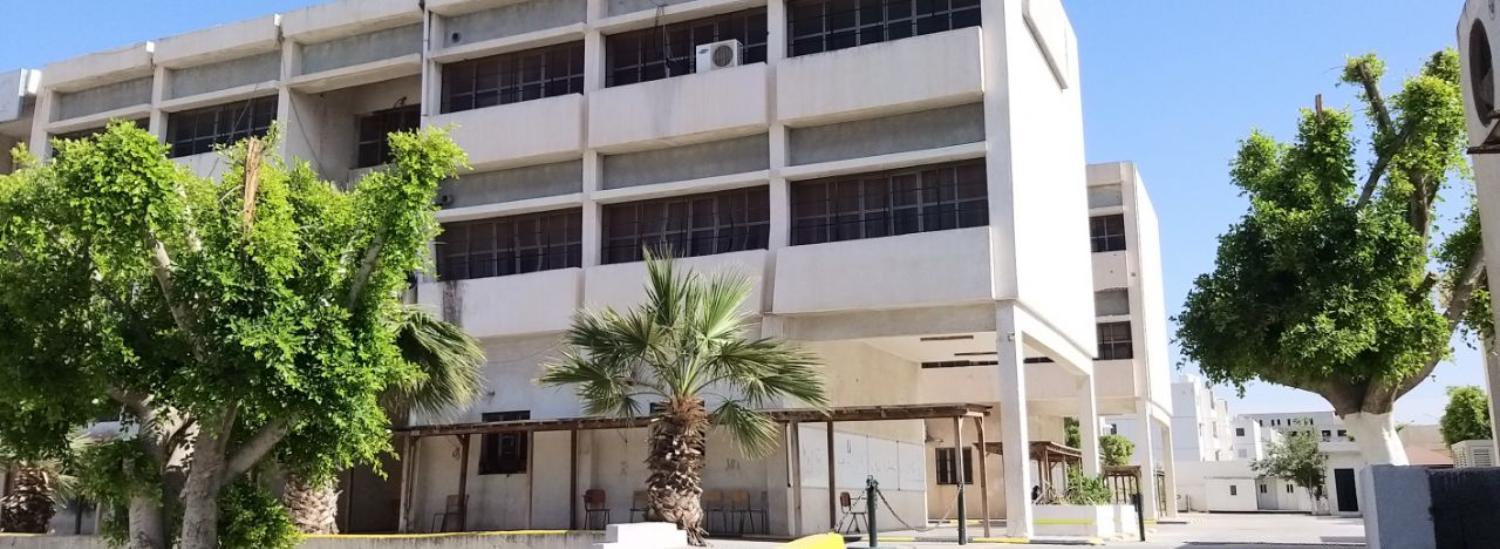
كلية التربية - طرابلس

المزيد ...

حول كلية التربية - طرابلس

تُعد كلية التربية - طرابلس إحدى كليات جامعة طرابلس العريقة، وعندما ألغيت كليات التربية في ليبيا في العام الدراسي 1998-1999م، وحل محلها المعاهد العليا لإعداد المعلمين، لم تُستثنى كلية التربية - طرابلس من ذلك، وفي العام الدراسي 2004م - 2005م، أُنشأت كليات إعداد المعلمين التي تتبع الجامعات الليبية المختلفة، وفي العام الدراسي 2008-2009م تغير الاسم من كلية إعداد المعلمين إلى كلية التربية- طرابلس لتعود كما كانت، صرحاً تربوياً عريقا تحت اسم "كلية التربية- طرابلس".

كلية التربية إحدى كليات جامعة طرابلس العريقة ويرجع تاريخها إلى أواسط ستينات القرن الماضي أي ما يقارب من تصف قرن حيث تم إنشائها تحت مسمى كلية المعلمين العليا بالاشتراك مع منظمة اليونيسكو وذلك في سنة 1965 وتكفلت منظمة اليونيسكو بتوفير عدد من الخبراء للكلية وفي عام 1967 ضُمت الكلية إلى الجامعة الليبية في ذلك الوقت وبتاريخ 1970 تقرر تغيير اسمها ليصبح كلية التربية وقد انتقلت كلية التربية إلى عدة أماكن في مدينة طرابلس عبر تاريخها الطويل.

حقائق حول كلية التربية - طرابلس

نفتخر بما نقدمه للمجتمع والعالم

167

المنشورات العلمية

185

هيئة التدريس

2790

الطلبة

0

الخريجون

البرامج الدراسية

ليسانس في الأداب والتربية
تخصص التربية الخاصة

يعد برنامج التربية الخاصة أحد تخصصات كلية التربية ويهتم بتخريج معلمين ومتدربين تربية...

التفاصيل

بكالوريوس في العلوم والتربية
تخصص الاحياء

البرنامج الأساسي لقسم الأحياء متمثل في منح الطلاب المتخرجين درجة البكالوريوس، ولا...

التفاصيل

ليسانس في الأداب والتربية
تخصص التربية وعلم النفس

يسعى قسم التربية وعلم النفس كلية التربية / طرابلس من خلال هذا البرنامج التعليمي إلى...

التفاصيل

من يعمل بـكلية التربية - طرابلس

يوجد بـكلية التربية - طرابلس أكثر من 185 عضو هيئة تدريس

staff photo

أ. عائشة محمد عبد السلام ابوطرطور

عائشة محمد ابوطرطور هي احد اعضاء هيئة التدريس بقسم الرياضيات بكلية التربية طرابلس. تعمل السيدة عائشة محمد ابوطرطور بجامعة طرابلس كـمحاضر مساعد منذ 2015-05-17 ولها العديد من المنشورات العلمية في مجال تخصصها

منشورات مختارة

بعض المنشورات التي تم نشرها في كلية التربية - طرابلس

Reversibility in radionuclide/bentonite bulk and colloidal ternary systems

Ternary systems of 152Eu(III), bulk bentonite and ethylenediaminetetraacetic acid (EDTA) ([Eu] = 7.9 × 10⁻¹⁰ M; pH = 6.0–7.0) have been studied. Without EDTA, there was slow uptake in a two-stage process, with initial rapid sorption of Eu(III) (96%), followed by slower uptake of a much smaller fraction (3.0% over a period of one month). The reversibility of Eu(III) binding was tested by allowing Eu(III) to sorb to bentonite for 1–322 days. EDTA was added to the pre-equilibrated Eu bentonite systems at 0.01 M, a concentration that was sufficient to suppress sorption in a system where EDTA was present prior to the contact of Eu(III) with bentonite. A fraction of the Eu was released instantaneously (30‒50%), but a significant amount remained bound. With time, the amount of Eu(III) retained by the bentonite reduced, with a slow fraction dissociation rate constant of approximately 4.3 × 10⁻⁸ s−1 (values in the range 2.2 × 10⁻⁸ – 1.0 × 10⁻⁷ s−1) for pre-equilibration times ≥7 days. Eventually, the amount of Eu(III) remaining bound to the bentonite was within error of that when EDTA was present prior to contact (4.5% ± 0.6), although in systems with pre-equilibration times >100 days, full release took up to 500 days. Europium interactions with colloidal bentonitewere also studied, and the dissociation rate constant measured by a resin competition method. For the colloids, more Eu was found in the slowly dissociating fraction (60–70%), but the first-order dissociation rate constant was faster, with an average rate constant of 8.8 × 10⁻⁷ s−1 and a range of 7.7 × 10⁻⁷–9.5 × 10⁻⁷ s−1. For both bulk and colloidal bentonite, although slow dissociation was observed for Eu(III), there was no convincing evidence for ‘irreversible’ binding.
RAGIAB ISSA(1-2021)
Publisher's website

Determination of Lead in human blood and serium and the relationship among its exposures, Zawia, Libya

In this study, six residents of Zawia City who had no history record of occupational lead exposure were investigated. One sample of venous blood was collected from each. Sample preparation consisted of a simple dilution (twenty-fold) with 0.15N HNO3. The was centrifuged to separate serum, which was then isolated and analyzed for lead content by Flame Atomic Absorption Spectroscopy (FAAS). The residue of the sample was also analyzed by the same technique for blood level. The blood lead level in the residue was higher than that in serum lead level. Mean lead concentrations were 4.48mg/L in serum and 60.23 mg/L in residual blood respectively. Blood lead level was quietly correlated with serum lead and accounted for 95% of the variability of serum lead concentration. The bivariate regression coefficient of serum lead was 0.221 (p. 0.001). In a multivariate regression model of serum lead levels that include blood and serum lead level remained an independent predictor of lead plasma level (p. 0.007, p
Ragiab Ali Mokhtar Issa(2-2018)
Publisher's website

Literature Review on the Use of First Language During Second Language Writing

The paper discusses how L2 writers use their L1 while writing in L2. It investigates L1use in L2 by exploring the results of ten studies that examined it from different perspectives and in different contexts. By introducing the results of L1 use by L2 writers,ESL/EFL teachers will play a great role by helping students use their L1 positively andavoid the negative impacts of L1 use. This kind of research is of significance because thestudied research results showed that further research is needed in this area. This reviewwill provide a basis for ideas to investigate L1 use in L2 writing.The paper focuses on an important skill in English language teaching which is writing.The focus of the paper is L1 use which has been considered as taboo. This would targetthe interest of most of HLT audience, especially writing teachers. The main mission is tointroduce the role of L1 use in L2 writing. This paper reviews the second language (L2)writers’ use of the first language (L1) while composing in the second language (L2) inten studies. Those studies looked at three proficiency groups that included adult high- proficient, intermediate, and low-proficient writer’s use of L1. The results indicated thatL1 is used frequently while writing in L2 by translating, language-switching, and backtracking. It was also noticed that L1 use had positive effects on L2 text. arabic 11 English 66
Entisar ALi Hadi Elsherif(12-2012)
Publisher's website

المجلات العلمية

بعض المجلات العلمية التي تصدر عن كلية التربية - طرابلس