كلية التربية - طرابلس

المزيد ...

حول كلية التربية - طرابلس

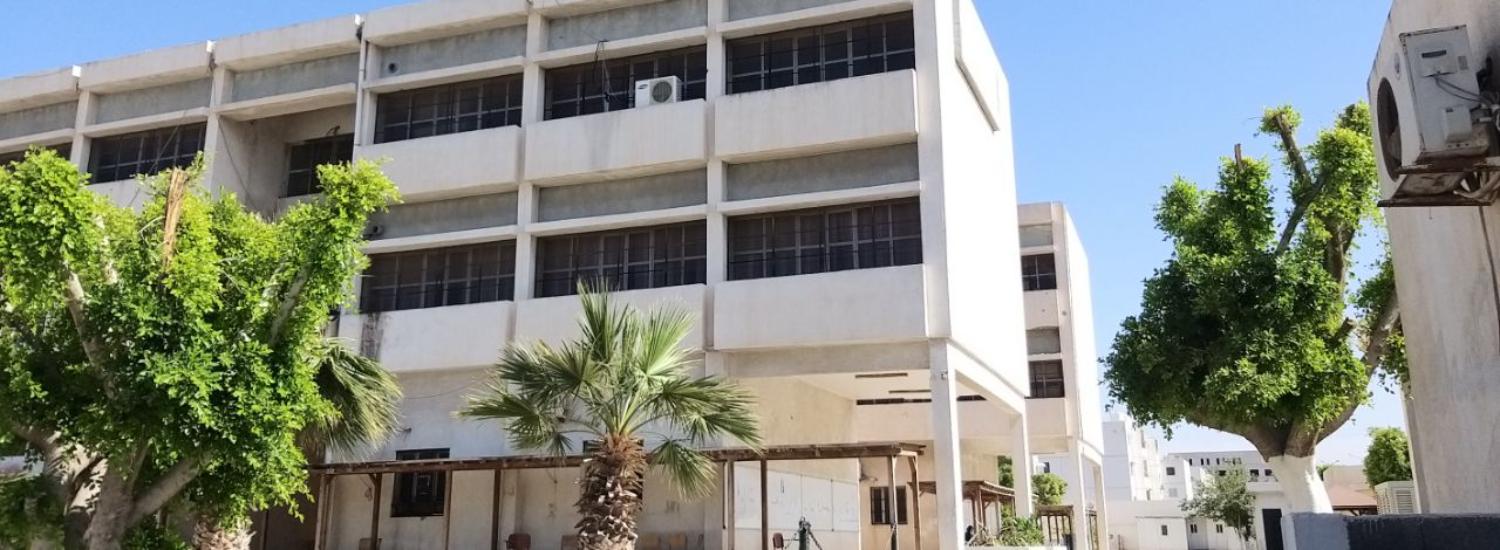
تُعد كلية التربية - طرابلس إحدى كليات جامعة طرابلس العريقة، وعندما ألغيت كليات التربية في ليبيا في العام الدراسي 1998-1999م، وحل محلها المعاهد العليا لإعداد المعلمين، لم تُستثنى كلية التربية - طرابلس من ذلك، وفي العام الدراسي 2004م - 2005م، أُنشأت كليات إعداد المعلمين التي تتبع الجامعات الليبية المختلفة، وفي العام الدراسي 2008-2009م تغير الاسم من كلية إعداد المعلمين إلى كلية التربية- طرابلس لتعود كما كانت، صرحاً تربوياً عريقا تحت اسم "كلية التربية- طرابلس".

كلية التربية إحدى كليات جامعة طرابلس العريقة ويرجع تاريخها إلى أواسط ستينات القرن الماضي أي ما يقارب من تصف قرن حيث تم إنشائها تحت مسمى كلية المعلمين العليا بالاشتراك مع منظمة اليونيسكو وذلك في سنة 1965 وتكفلت منظمة اليونيسكو بتوفير عدد من الخبراء للكلية وفي عام 1967 ضُمت الكلية إلى الجامعة الليبية في ذلك الوقت وبتاريخ 1970 تقرر تغيير اسمها ليصبح كلية التربية وقد انتقلت كلية التربية إلى عدة أماكن في مدينة طرابلس عبر تاريخها الطويل.

حقائق حول كلية التربية - طرابلس

نفتخر بما نقدمه للمجتمع والعالم

167

المنشورات العلمية

185

هيئة التدريس

2790

الطلبة

0

الخريجون

البرامج الدراسية

بكالوريوس في العلوم والتربية
تخصص تربية فنية

إن التربية الفنية تعد جزء من العملية التعليمية في مراحل التعليم العام ومكملة للمواد...

التفاصيل

ليسانس في الأداب والتربية
تخصص رياض الأطفال

قسم رياض الاطفال هو أحد الأقسام العلمية بكلية التربية -طرابلس التابعة لجامعة طراب...

التفاصيل
بكالوريس في العلوم والتربية
تخصص الكيمياء

المقررات الدراسية متسلسلة ومتكاملة ولها صفة التدرج العلمي المنهجي فيما بينها، وتكون...

التفاصيل

من يعمل بـكلية التربية - طرابلس

يوجد بـكلية التربية - طرابلس أكثر من 185 عضو هيئة تدريس

staff photo

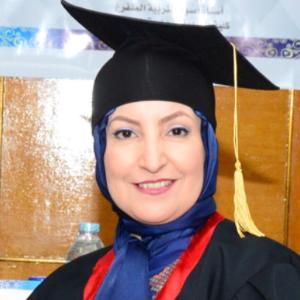
د. سناء عبد الرحمن محمد مازن

سناء مازن هي احد اعضاء هيئة التدريس بقسم اللغة العربية بكلية التربية طرابلس. تعمل السيدة سناء مازن بجامعة طرابلس كـأستاذ مشارك منذ 2014-06-22 ولها العديد من المنشورات العلمية في مجال تخصصها

منشورات مختارة

بعض المنشورات التي تم نشرها في كلية التربية - طرابلس

Peer Observation as a Tool of Professional Development

The aim of this exploratory and empirical case study is to investigate the effectiveness of using classroom observation for developing English language teaching skills among teaching assistants in Libyan Universities- Tripoli University. Four teaching assistants and two experienced teachers were randomly chosen for this study. Data was collected through four phases. Phase one: a closed-ended questionnaire was used to find out the teaching assistants‟ current perceptions of teaching skills. Phase two: the participants were engaged in observing experienced teachers. During the third phase, the participants were involved in teaching to be observed by experienced teachers. In the last phase, teaching assistants‟ perceptions were re-examined through the same close-ended questionnaire and through the observation of experienced teachers. This project is guided by the following research questions: how competent are EFL Libyan Teaching Assistants in undergoing teaching? And how effective is the implementation of Peer Observation in developing those Teaching Assistants?. The findings of this study indicate that classroom observation is a useful technique for developing English language teaching skills. arabic 7 English 47
Hani K. Ertemi(2-2019)
Publisher's website

واقع برنامج التربية العملية بكلية التربية طرابلس من وجهة نظر الطلاب / المعلمين

تأتي هذه الدراسة للتعرف على واقع برنامج التربية العملية بكلية التربية طرابلس من وجهة نظر الطلاب/ المعلمين للوقوف على جوانب القوة والضعف فيه. arabic 143 English 0
د. محمد احمد عسكر(12-2014)
Publisher's website

Determination of Lead and Cadmium Concentration in Different Samples of Tea and Coffee Circulating in the Libyan Market

The study focused on determining the levels of lead and cadmium in some samples of the best-selling and popular tea and coffee among people in Tripoli city-Libya during the years 2018-2019. Atomic Absorption Spectroscopy (AAS) has been used to determine the concentrate of cadmium and lead ions in different 17 tea samples, and 11 coffee samples. The mean values of cadmium and lead in (mg/kg) in tea samples as follows: The highest value for cadmium was found in Libton tea sample 0.260 ? 0.017, while the lowest value was found in Alkoozi red tea and Alfrdous tea samples 0.037 ? 0.006, with the overall mean was 0.119 ? 0.054. The highest value for lead was found in Alkoozi green tea sample 2.153 ? 0.012, while the lowest value was found in Alzahra tea sample 0.187 ? 0.002, with the overall mean was 1.118 ? 0.612. The results show that there are no significant differences in the values of lead in all coffee samples, which ranged from 1.23 to 1.62 mg/kg with the overall mean was 1.277 ? 0.358, except Sheikh Hbahanbelend coffee sample 0.271? 0.002 mg/kg. While the cadmium concentration in coffee samples ranged from 0.022 to 0.064 mg/kg, with the mean value 0.0514?0.0012. From these results can be noticed that coffee samples have about 11 times higher concentration of cadmium than tea, whereas the concentration of lead in tea is about 22 times higher than that in coffee samples.
ezuldeen mohammed abraheem aboushalloua(1-2022)
Publisher's website

المجلات العلمية

بعض المجلات العلمية التي تصدر عن كلية التربية - طرابلس