Department of Pharmacology, Toxicology & Forensic Medicine

More ...

About Department of Pharmacology, Toxicology & Forensic Medicine

Facts about Department of Pharmacology, Toxicology & Forensic Medicine

We are proud of what we offer to the world and the community

20

Publications

7

Academic Staff

Who works at the Department of Pharmacology, Toxicology & Forensic Medicine

Department of Pharmacology, Toxicology & Forensic Medicine has more than 7 academic staff members

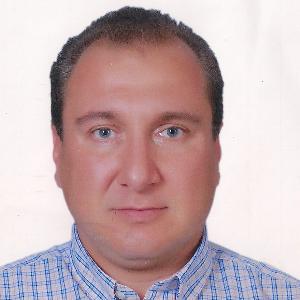
staff photo

Prof.Dr. Marwan Mustafa Ali Draid

مروان دريد هو احد اعضاء هيئة التدريس بقسم أدوية وسموم وطب شرعي بكلية الطب البيطر ابتداء من سنة 2008. يعمل السيد مروان مصطفي دريد بجامعة طرابلس كـأستاذ من 16 اكتوبر 2018 وله العديد من المنشورات العلمية في مجال تخصصه

Publications

Some of publications in Department of Pharmacology, Toxicology & Forensic Medicine

Effect of Lead Intoxication and fresh camel milk treatment on kidney functions Indices in albino rats

he unique characters of camel’s milk make it used extensively in the field of medicine as antidiabetic, anti-microbial, and hepatoprotective agent. The few of studies demonstrating the protective effect of camel’s milk against nephrotoxicity compound was the main reason beyond the conduction of the current experiment which aimed to investigate the protective effects of camel’s milk against lead induced nephrotoxicity arabic 15 English 86
Marwan M. Draid(1-2017)
Publisher's website

Effects of storage temperature on the quantity and integrity of genomic DNA extracted from mice tissues: A comparison of recovery methods

Efficient extraction of genomic DNA (gDNA) from biological materials found in harsh environments is the first step for successful forensic DNA profiling. This study aimed to evaluate two methods for DNA recovery from animal tissues (livers, muscles), focusing on the best storage temperature for DNA yield in term of quality, quantity, and integrity for use in several downstream molecular techniques. Six male Swiss albino mice were sacrificed, liver and muscle tissues (n=32) were then harvested and stored for one week in different temperatures, -20C, 4C, 25C and 40C. The conditioned animal tissues were used for DNA extraction by Chelex-100 method or NucleoSpin Blood and Tissue kit. The extracted gDNA was visualized on 1.5% agarose gel electrophoresis to determine the quality of gDNA and analysed spectrophotometrically to determine the DNA concentration and the purity. Both methods, Chelex-100 and NucleoSpin Blood and Tissue kit found to be appropriate for yielding high quantity of gDNA, with the Chelex100 method yielding a greater quantity (P < 0.045) than the kit. At -20C, 4C, and 25C temperatures, the concentration of DNA yield was numerically lower than at 40C. The NucleoSpin Blood and Tissue kit produced a higher (P=0.031) purity product than the Chelex-100 method, particularly for muscle tissues. The Chelex-100 method is cheap, fast, effective, and is a crucial tool for yielding DNA from animal tissues (livers, muscles) exposed to harsh environment with little limitations.
Huda H. Al-Griw, Zena A. Zraba, Salsabiel K. Al-Muntaser, Marwan M. Draid, Aisha M. Zaidi, Refaat M. Tabagh , Mohamed A. Al-Griw(8-2017)
Publisher's website

Neurally released ATP mediates endothelium-dependent hyperpolarization in the circular smooth muscle cells of chicken anterior mesenteric artery

The object of the present study was to clarify the neurotransmitter(s) controlling membrane responses to electrical field stimulation (EFS) in the circular smooth muscle cells of first-order branches of chicken anterior mesenteric artery. arabic 17 English 127
Marwan Draid(12-2005)
Publisher's website