


كلية الطب البشري

المزيد ...

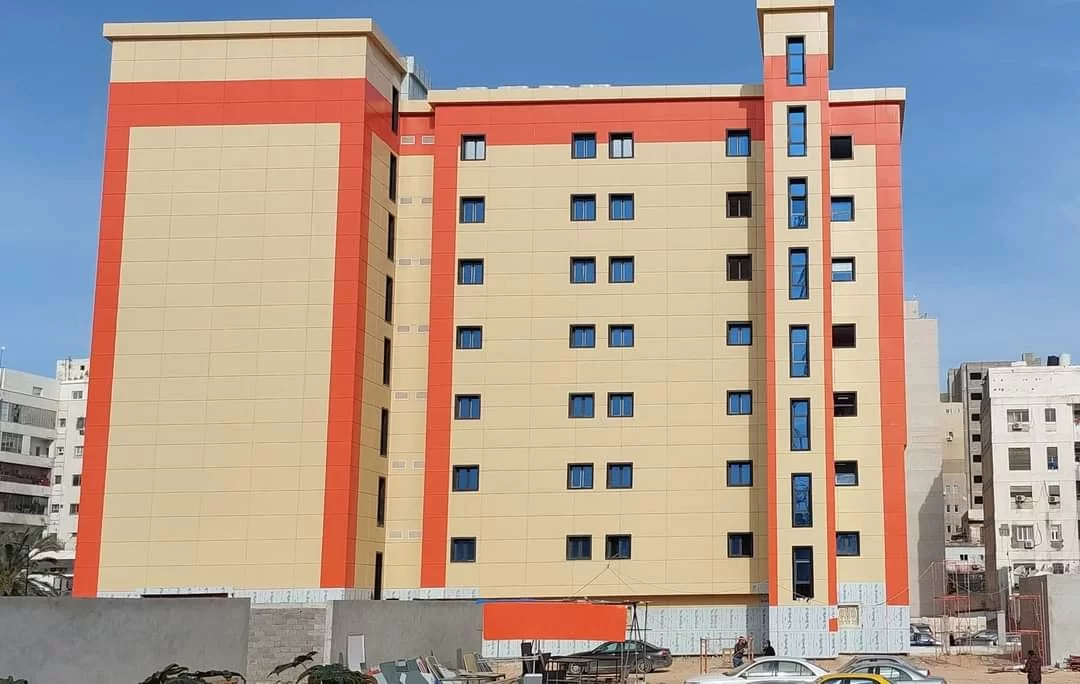
حول كلية الطب البشري

لقد تم تأسيس كلية الطب البشري في سنة 1973م، بمدينة طرابلس لتقوم بدورها المنوط بها والمتمثل في تخريج الكوادر الطبية المؤهلة، وفي سنة 1980م تم تخريج أول دفعة منها.

تعد كلية الطب البشري من أكبر كليات الجامعة وصرحاً من صروح المعرفة، بحيث أسهمت هذه الكلية خلال العقود الأربعة الماضية في إعداد وتخريج أطباء مؤهلين كان لهم الفضل بعد الله تعالى في إنجاح العمل الطبي من خلال المستشفيات المنتشرة في ربوع الوطن الحبيب لتقديم أفضل الخدمات الصحية، تضم كلية الطب البشري حالياً أكثر من 493 عضو هيئة تدريس جُلهم من العناصر الوطنية الذين كانوا من أوائل الدفعات في هذه الكلية والذين ساهموا في تقديم الخدمات الصحية اللازمة في المستشفيات والعيادات والمستوصفات.

قد تم إيفاد العديد من خريجي هذه الكلية لاستكمال دراستهم في الخارج والذين أثبتوا جدارتهم في التحصيل العلمي والسريري بشهادة العديد من الجامعات العالمية، هذا وفي الوقت الذي تسعي فيه الكلية لتفعيل برنامج الدراسات العليا في مختلف التخصصات فإنها تعمل علي تطوير مفردات مناهجها وطرق التدريس المواكبة لمتطلبات الجودة العالمية.

حقائق حول كلية الطب البشري

نفتخر بما نقدمه للمجتمع والعالم

80

المنشورات العلمية

238

هيئة التدريس

7385

الطلبة

0

الخريجون

البرامج الدراسية

درجة ماجستير
تخصص طب الأسرة والمجتمع

قريباً...

التفاصيل
المقرر الدراسي
تخصص طب الأطفالPD480

A twelve week rotation. Five weeks at Tripoli children hospital, rotating in the inpatient and outpatient departments.One week at the pediatric department –Tajoura hospital. Five weeks at Tripoli medical center, one week at university.Emphasis is on acquiring skills, and medical knowledge to be able...

التفاصيل

من يعمل بـكلية الطب البشري

يوجد بـكلية الطب البشري أكثر من 238 عضو هيئة تدريس

staff photo

د. نبيـل عبد الرحمن سالم العجيلي

استشاري جراحة العضام والعمود الفقري ببريطانيا من 2002 الى 2007 استشاري جراحة العضام بمركز طرابلس الطبي منذ 2007 وحتى تاريخه أستاذ مساعــد منذ مارس 2017. مدير المستشفى الجامعي طرابلس منذ مارس 2018

منشورات مختارة

بعض المنشورات التي تم نشرها في كلية الطب البشري

A comparative evaluation of two DNA extraction protocols from whole blood sample

Every organism has deoxyribonucleic acid (DNA) within their cells. DNA is a complex molecule that contains all of the information needed to build and maintain living organisms. Extraction of deoxyribonucleic acid (DNA) is one of the most basic and critical steps affecting molecular-based techniques in the study of DNA that allow vast advances in genetic, molecular biology, biotechnology, forensic, and bioinformatics laboratories. Therefore, researchers have been used different modified and optimized protocols for efficient genomic DNA extraction from biological samples. Due to the high amount of genetic material in whole blood samples so it's one of the main sources used to obtain DNA and there are many different protocols available in this issue. In the present study, we optimized, evaluated by comparison to phenol-chloroform (traditional method) and silica column (QIAamp DNA Blood Mini Kit) DNA extraction procedures. The extracted DNA by these protocols was analyzed according to their time consuming, quality, quantity, cost and toxicity. Extracted DNA with current protocol was qualified using gel electrophoresis, Nanodrop spectrophotometric analysis. Our results showed that there are not significantly differences between these methods about DNA Purity (A260/A280) and DNA yield (ng DNA/μl). In addition, phenol/chloroform (traditional method) was the most toxic method; it takes more time but cheaper than other method; it yielded reasonably good quantities of good quality DNA and would be suitable for large-scale genotyping of blood samples. The silica column method (QIAamp DNA Blood Mini Kit) was the most expensive among the other method but the least extraction time was required and it was the safest method. arabic 11 English 69
Ghada Salem, Ahmed Zaid(1-2018)
Publisher's website

Risk calculation of developing type 2 diabetes in Libyan adults

The aim of this study was to identify nationals at risk of developing type 2 diabetes within the next 10 years in some areas across Tripoli Health Authority in Libya. In this questionnaire‐based survey, a total of 400 Libyan nationals of both genders were randomly selected from seven areas across the central area of Tripoli Health Authority (Soug El‐Juma, Zawet Dahmani, Al‐Furnaj, Ain Zara, Al‐Madena Centre, Al‐Dhahra Centre, and Noflean). All participants approached (400) completed the study and responded to the items of the survey. Based on a modified Finnish Type 2 Diabetes Risk Score test (FINDRISC), 129 (32.3%) were categorised as either at moderate or at high/very high risk of developing diabetes within the next 10 years of life. Among the 129 participants at risk, body mass index was >25 kg/m2 in 125 (96.9%) and waist circumferences were high (>88 cm for females;>102 cm for males) in almost 45% of the women and 22% of the men. We found that in the sample studied the risk of developing diabetes was clear, and there is no doubt that interventions to reduce such risk are a priority rather than a need. Diabetes has a great impact on the health of the nation and also on the future resources of the country in managing the disease and its complications; a health education/health campaign could be one good answer to tackle the problem. arabic 9 English 54
Hawa Juma El-Shareif(6-2009)
Publisher's website

Gene inactivation of proprotein convertase subtilisin/kexin type 9 reduces atherosclerosis in mice

Background— The proprotein convertase subtilisin/kexin type 9 (PCSK9) promotes independently of its enzymatic activity the degradation of the low-density lipoprotein (LDL) receptor. PCSK9 gain of function in humans leads to autosomal dominant hypercholesterolemia, whereas the absence of functional PCSK9 results in ≈7-fold lower levels of LDL cholesterol. This suggests that lowering PCSK9 may protect against atherosclerosis. Methods and Results— We investigated the role of PCSK9 in atherosclerosis in C57BL/6 wild-type (WT), apolipoprotein E–deficient, and LDL receptor–deficient mouse models. Circulating cholesterol levels, fast protein liquid chromatography profiles, aortic cholesteryl esters (CE), and plaque sizes were determined. Intima-media thicknesses were measured by ultrasound biomicroscopy. First, mice expressing null (knockout [KO]), normal (WT), or high (transgenic [Tg]) levels of PCSK9 … arabic 12 English 86
Maxime Denis, Ahmed Zaid(1-2012)
Publisher's website