

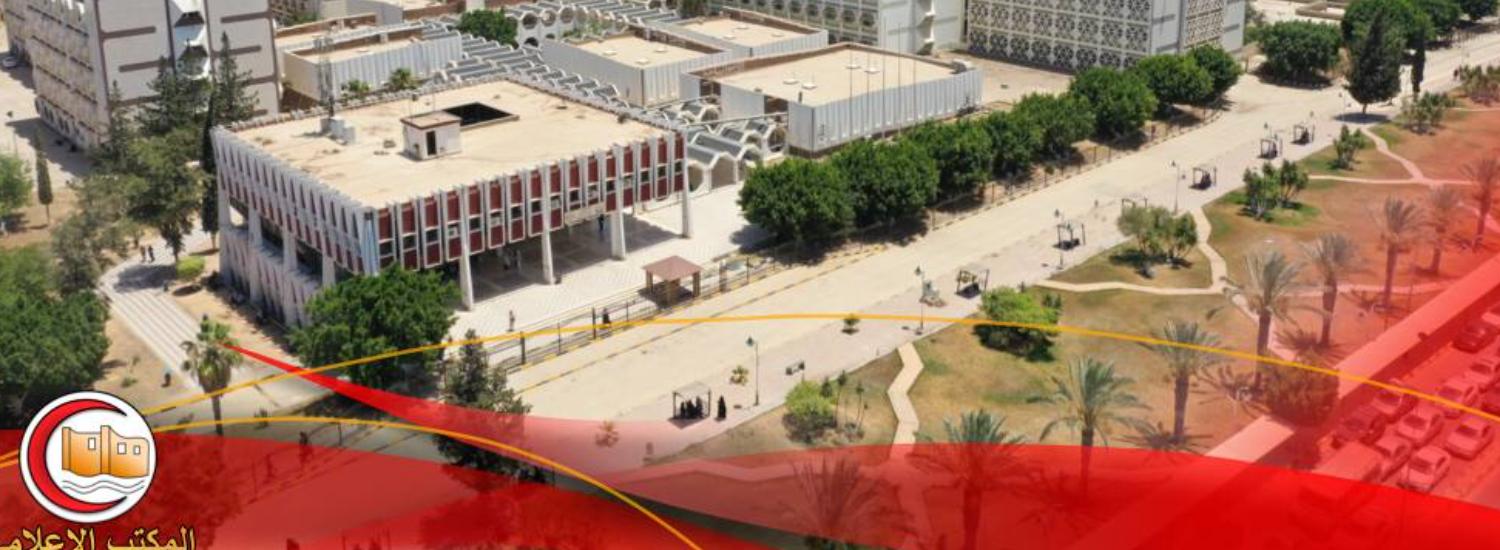
كلية الطب البشري

المزيد ...

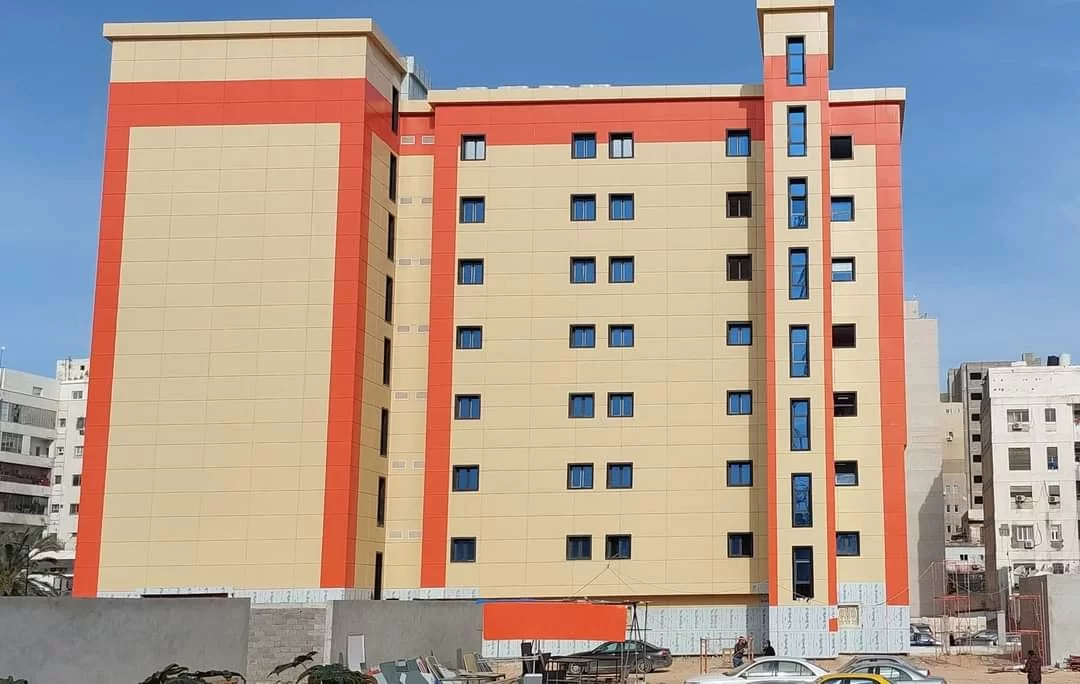
حول كلية الطب البشري

لقد تم تأسيس كلية الطب البشري في سنة 1973م، بمدينة طرابلس لتقوم بدورها المنوط بها والمتمثل في تخريج الكوادر الطبية المؤهلة، وفي سنة 1980م تم تخريج أول دفعة منها.

تعد كلية الطب البشري من أكبر كليات الجامعة وصرحاً من صروح المعرفة، بحيث أسهمت هذه الكلية خلال العقود الأربعة الماضية في إعداد وتخريج أطباء مؤهلين كان لهم الفضل بعد الله تعالى في إنجاح العمل الطبي من خلال المستشفيات المنتشرة في ربوع الوطن الحبيب لتقديم أفضل الخدمات الصحية، تضم كلية الطب البشري حالياً أكثر من 493 عضو هيئة تدريس جُلهم من العناصر الوطنية الذين كانوا من أوائل الدفعات في هذه الكلية والذين ساهموا في تقديم الخدمات الصحية اللازمة في المستشفيات والعيادات والمستوصفات.

قد تم إيفاد العديد من خريجي هذه الكلية لاستكمال دراستهم في الخارج والذين أثبتوا جدارتهم في التحصيل العلمي والسريري بشهادة العديد من الجامعات العالمية، هذا وفي الوقت الذي تسعي فيه الكلية لتفعيل برنامج الدراسات العليا في مختلف التخصصات فإنها تعمل علي تطوير مفردات مناهجها وطرق التدريس المواكبة لمتطلبات الجودة العالمية.

حقائق حول كلية الطب البشري

نفتخر بما نقدمه للمجتمع والعالم

80

المنشورات العلمية

238

هيئة التدريس

7385

الطلبة

0

الخريجون

البرامج الدراسية

درجة ماجستير
تخصص طب الأسرة والمجتمع

قريباً...

التفاصيل
المقرر الدراسي
تخصص طب الأطفالPD480

A twelve week rotation. Five weeks at Tripoli children hospital, rotating in the inpatient and outpatient departments.One week at the pediatric department –Tajoura hospital. Five weeks at Tripoli medical center, one week at university.Emphasis is on acquiring skills, and medical knowledge to be able...

التفاصيل

من يعمل بـكلية الطب البشري

يوجد بـكلية الطب البشري أكثر من 238 عضو هيئة تدريس

staff photo

أ.د. عبدالحميد أحمد إسماعيل الطبولي

منشورات مختارة

بعض المنشورات التي تم نشرها في كلية الطب البشري

A comparative study of alkaline phosphatase level in serum of patients with end-stage renal disease, viral hepatitis (C) and (B)

Alkaline phosphatase (ALP) enzyme level, which is routinely measured at clinical laboratories, increases in end-stage renal disease (ESRD) and hepatitis patients. This study investigated the difference in ALP level among ESRD and hepatitis patients. ALP level was measured in sera of patients suffering from ESRD, HCV and HBV infections, as well as patients suffering from comorbidity of these diseases, then the obtained values of ALP level were statistically compared to a control group. The results of three-Way ANOVA revealed that the mean of ALP level increased significantly (P-value< 0.05) in all types of diseases compared to the control group, with the highest increase in case of ESRD patients infected with Hepatitis B and C. Also, it was found that the interaction of group-gender significantly (P-value< 0.05) altered ALP level in patients suffering from HCV or HBV infections, while the interaction of group-age, gender-age, group-gender-age were found not to significantly alter it. In conclusion, ESRD patients with HBV/HCV coinfection may have a higher risk of liver-related morbidity and mortality than ESRD or HBV or HCV patients. arabic 25 English 103
HA Alemam, A Bashein(1-2020)
Publisher's website

Conservative Management of Odontoid Peg Fractures, Long Term Followup

ABSTRACT We reviewed 48 consecutive patients with type II (32) and type III (16), odontoid peg fractures. The clinical & radiological outcomes were assessed over an average period of follow up of 6.8 years. Union rate was determined and we discussed several factors that may affect it. Patients were treated conservatively with initial bed rest with or without cervical skeletal traction followed by bracing for an average of 9 weeks. Results: Bony union was established in 25 of 32 (78%) type II fractures. Of 7 cases with no bony union 4 were stable probably with fibrous union. 3 remained unstable. In 13 of 16 (83%) type III fractures bony union was established. 2 of the 3 with no bony union were considered stable. Osseous non-union was higher in patients with displacement of >5mm, but there is no correlation between union and age, gender or angulation of the fracture in both types. Conclusion: non-surgical management of odontoid fractures remain a viable option in the management of these fractures arabic 9 English 60
Nabil A. Alageli(1-2017)
Publisher's website

Inhibition of ionotropic GluR signaling preserves oligodendrocyte lineage and myelination in an ex vivo rat model of white matter ischemic injury

Preterm infants have a high risk of neonatal white matter injury (WMI). WMI leads to reduced myelination, inflammation, and clinical neurodevelopmental deficits for which there are no effective treatments. Ionotropic glutamate receptor (iGluR) induced excitotoxicity contributes to oligodendrocyte (OL) lineage cell loss and demyelination in brain models of neonatal and adult WMI. Here, we hypothesized that simulated ischemia (oxygen‑glucose deprivation) damages white matter via activation of iGluR signaling, and that iGluR inhibition shortly after WMI could mitigate OL loss, enhance myelination, and suppress inflammation in an ex vivo cerebellar slice model of developing WMI. Inhibition of iGluR signaling by a combined block of AMPA and NMDA receptors, shortly after simulated ischemia, restored myelination, reduced apoptotic OLs, and enhanced OL precursor cell proliferation and maturation as well as upregulated expression of transcription factors regulating OL development and remyelination. Our findings demonstrate that iGluR inhibition post‑injury alleviates OL lineage cell loss and inflammation and promotes myelination upon developing WMI. The findings may help to develop therapeutic interventions for the WMI treatment.
Mohamed A. Al-Griw, Michael G. Salter, Ian C. Wood(1-2021)
Publisher's website