كلية الطب البشري

المزيد ...

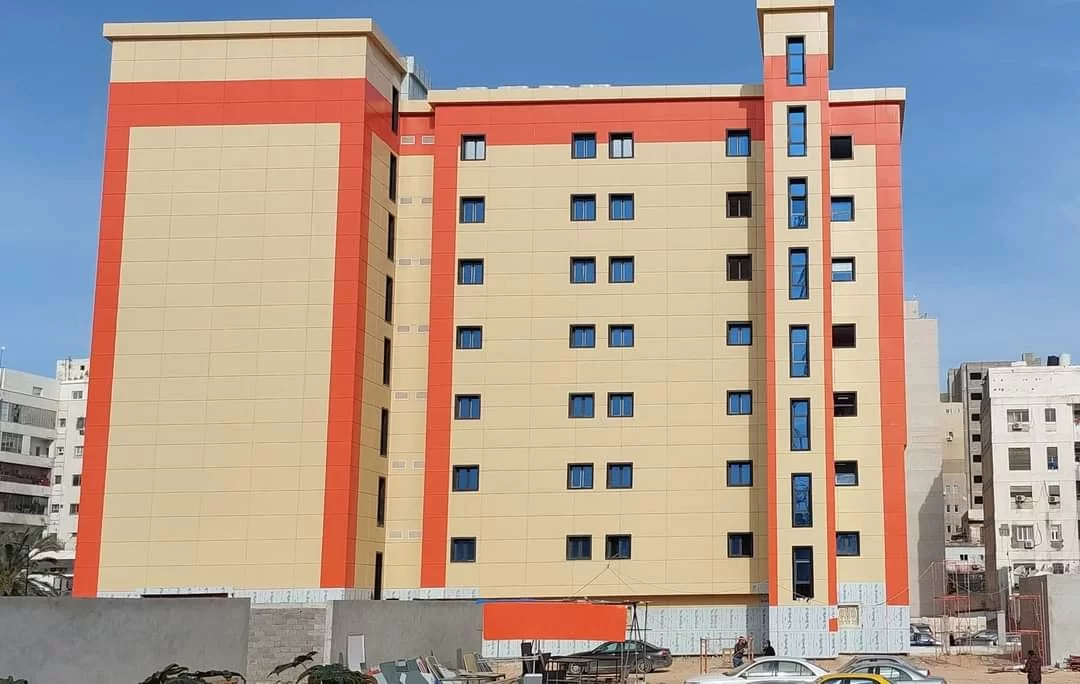
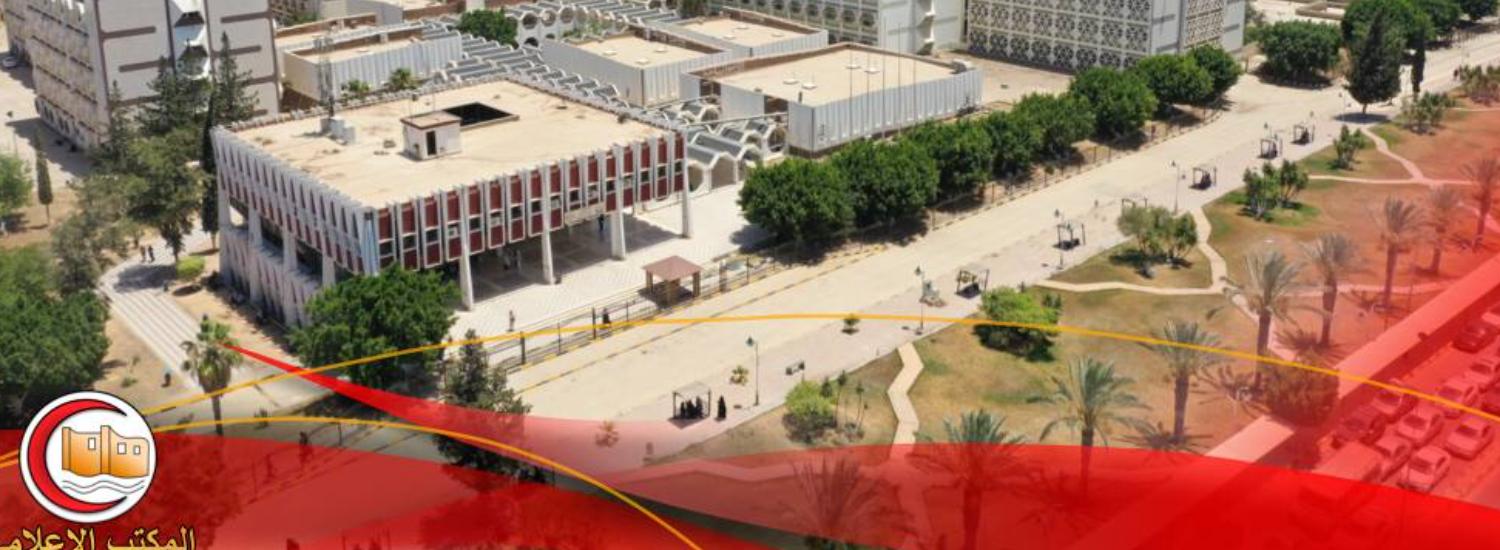
حول كلية الطب البشري

لقد تم تأسيس كلية الطب البشري في سنة 1973م، بمدينة طرابلس لتقوم بدورها المنوط بها والمتمثل في تخريج الكوادر الطبية المؤهلة، وفي سنة 1980م تم تخريج أول دفعة منها.

تعد كلية الطب البشري من أكبر كليات الجامعة وصرحاً من صروح المعرفة، بحيث أسهمت هذه الكلية خلال العقود الأربعة الماضية في إعداد وتخريج أطباء مؤهلين كان لهم الفضل بعد الله تعالى في إنجاح العمل الطبي من خلال المستشفيات المنتشرة في ربوع الوطن الحبيب لتقديم أفضل الخدمات الصحية، تضم كلية الطب البشري حالياً أكثر من 493 عضو هيئة تدريس جُلهم من العناصر الوطنية الذين كانوا من أوائل الدفعات في هذه الكلية والذين ساهموا في تقديم الخدمات الصحية اللازمة في المستشفيات والعيادات والمستوصفات.

قد تم إيفاد العديد من خريجي هذه الكلية لاستكمال دراستهم في الخارج والذين أثبتوا جدارتهم في التحصيل العلمي والسريري بشهادة العديد من الجامعات العالمية، هذا وفي الوقت الذي تسعي فيه الكلية لتفعيل برنامج الدراسات العليا في مختلف التخصصات فإنها تعمل علي تطوير مفردات مناهجها وطرق التدريس المواكبة لمتطلبات الجودة العالمية.

حقائق حول كلية الطب البشري

نفتخر بما نقدمه للمجتمع والعالم

80

المنشورات العلمية

238

هيئة التدريس

7385

الطلبة

0

الخريجون

البرامج الدراسية

درجة ماجستير
تخصص طب الأسرة والمجتمع

قريباً...

التفاصيل
المقرر الدراسي
تخصص طب الأطفالPD480

A twelve week rotation. Five weeks at Tripoli children hospital, rotating in the inpatient and outpatient departments.One week at the pediatric department –Tajoura hospital. Five weeks at Tripoli medical center, one week at university.Emphasis is on acquiring skills, and medical knowledge to be able...

التفاصيل
من يعمل بـكلية الطب البشري

يوجد بـكلية الطب البشري أكثر من 238 عضو هيئة تدريس

staff photo

أ. محمد أنور عبدالرؤوف بن خيال

منشورات مختارة

بعض المنشورات التي تم نشرها في كلية الطب البشري

Antioxidant Activity and Hepatoprotective Potential of Flavonoids from Arbutus pavarii against CCl4 Induced Hepatic Damage

Flavonoids have been shown to have antioxidant factors and effective against hepatotoxicity. This in vivo study aimed to evaluate the efficacy of flavonoids rich extracts in a model of chemicalinduced liver cell injury. Materials and Methods: Flavonoids were extracted from leaves and flowers of Arbutus pavarii using Microwave assisted extraction method. Different concentrations of extracted flavonoids (200, 500, 1000, 2000 and 5000mg/kg bw) were evaluated up to two weeks on mice model. The hepatoprotective effects of the extracts were examined using mice pretreated orally with 200 and 400 mg/kg bw of flavonoids extracted from leaves and flowers as well as their combination (200 mg/kg; 1:1) for 28 days. At day 28, the mice were received orally a single dose of 1ml/kg CCl4 in corn oil. Forty-eight hours after Carbon tetrachloride (CCl4) treatment, the animals were sacrificed and their liver and blood samples were collected for determination of biochemical parameters (Alkaline phosphatase (ALT), Aspartate-aminotransferase (AST) and Alanine-aminotransferase (ALP)), histopathological investigation and antioxidant status. Results: Treatment of the mice with a daily dose of flavonoids extracts up to 5 g/kg bw did not cause mortality and did not show hepatotoxicity. Pretreatment with extracts decreased the increased serum levels of ALT, AST, and ALP, decreased lipid peroxidation and maintained the levels of glutathione and antioxidant enzymes status in the CCl4 treated mice, especially in the group treated with combined extracts. The hepato-protcitve effects were confirmed by histopathological examinations. Conclusion: The results shown by the extracted flavonoids need further investigation.
Rabia Alghazeer, Sana Elgahmasi, Abdul Hakim Elnfati, Mohamed Elhensheri, Mohamed A. Al-Griw, Nuri Awayn, Mariuma El- Nami(3-2018)
Publisher's website

Problem facing us in casualty and Opds

Opinion Cough in kids less than 6yrs old whether being with sputum i.e. wet or without i.e. dry and parental asking about any medicine stopping this symptom certainly if being dry i.e. irritating and disturbing sleep. So most studies being done on this subject proved the following: a) It is not wise to suppress cough because it is natural defense mechanism to expel infected mucus i.e. sputum out of the body and clearing the airways to improve oxygenation so never to prescribe antitussive i.e. cough suppressant. b) sputum mucolytic agents and there are many agents their purpose to liquify it and get it watery to be easy expectorated again studies proved that the best muculytic agent is Good Hydration so no need to use except where there is a mucus retention in the lungs like case of brocheictasis. c) WHO recommendation made about 6 yrs back was never to prescribe any cough medicine whether antitussive or mucolytic to kids less than 6 yrs old. Myself and since about 10 years I had not prescribed any cough suppressant to children despite of age but if kids older than 6 years old I do prescribe mucolytic agent made certainly for kids like amydramine syrup which contains antihistamine diphenhydramine and without restrictions. In kids less than 6yrs old again I do prescribe mucolytic made for kids like soolan or Amydramine pediatric syrup in trial to hit 2 birds which are sedating and antihistamine effects and satisfying anxious parents and it does work almost in all cases arabic 6 English 32
Hisham Mukhtar Alhaashimi Alrabty(5-2017)
Publisher's website

The diagnostic performance of chest computed tomography scanning in the diagnosis of coronavirus disease 2019 compared to polymerase chain reaction: A retrospective study of 1240 cases from Tripoli University Hospital, Libya

OBJECTIVE: The increasing prevalence of suspected cases of coronavirus disease 2019 (COVID-19) presenting to emergency departments (EDs) requires a rapid and reliable triaging tool. The diagnostic performance of chest computed tomography (CT) has yet to be validated for triaging cases in the ED. We aimed to assess the diagnostic performance of chest CT compared to GeneXpert Xpress Xpert severe acute respiratory syndrome coronavirus 2 test in rapidly diagnosing COVID-19 among patients with respiratory symptoms presenting to the ED. MATERIALS AND METHODS: This was a retrospective, single-center study at Tripoli University Hospital including cases with respiratory symptoms who underwent chest CT as well as polymerase chain reaction (PCR) testing for suspected COVID-19 between May 18 and August 18, 2020. RESULTS: A total of 1240 cases were included, among whom 570 had radiologically evident COVID-19 on chest CT (46%). Five hundred and sixty-five cases had positive PCR results (45.6%), of whom 557 had radiologically evident COVID-19 on chest CT (97.7%). The calculated accuracy, sensitivity, specificity, positive predictive value, and negative predictive value were 98%, 98.5%, 98%, 97.7%, and 98.8%, respectively, in relation to the PCR results. CONCLUSION: During the current pandemic, chest CT is a quick and reliable diagnostic tool for COVID-19 in the ED.
Nader Shalaka(11-2021)
Publisher's website