
كلية الطب البشري

المزيد ...

حول كلية الطب البشري

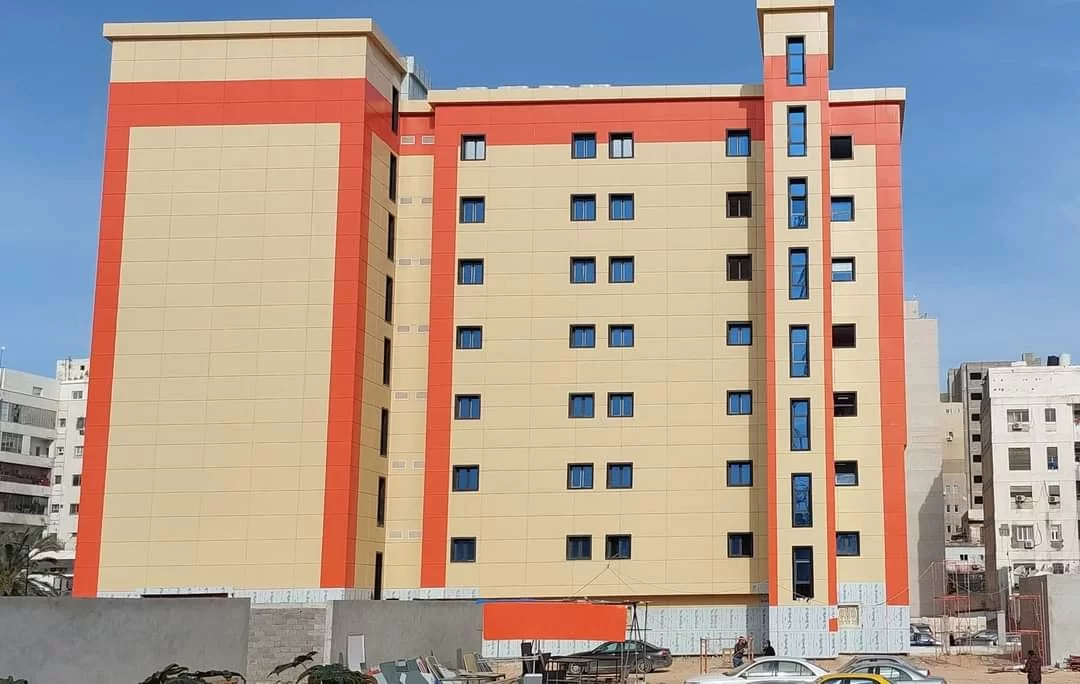
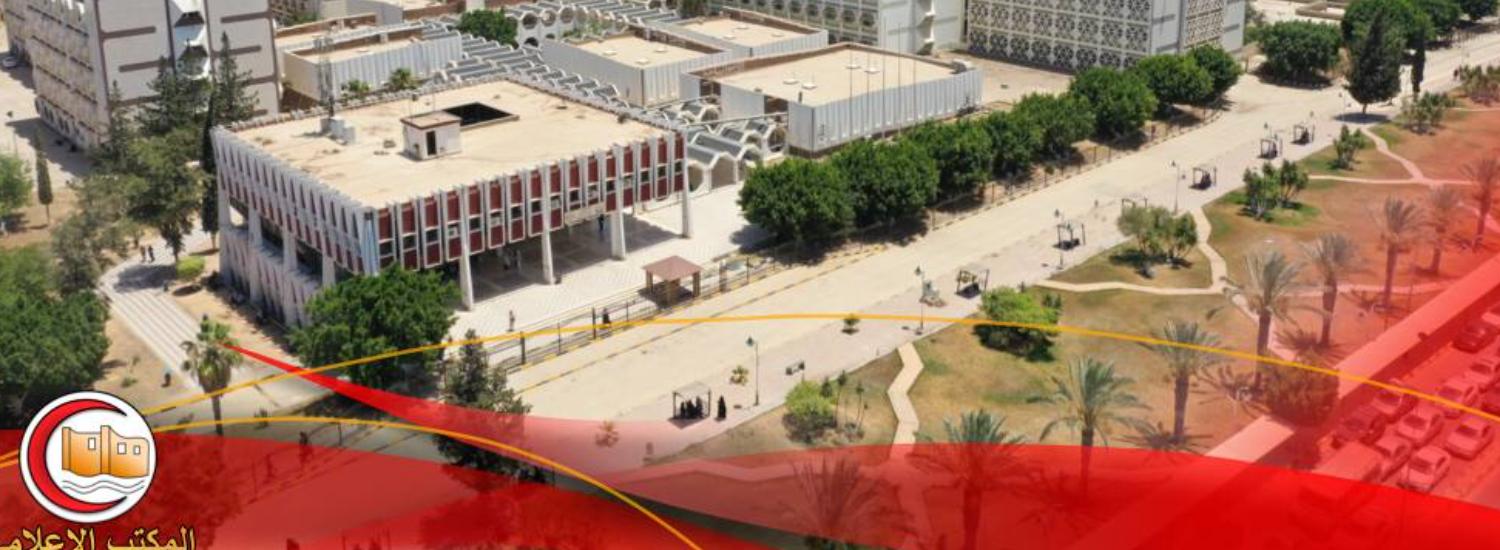
لقد تم تأسيس كلية الطب البشري في سنة 1973م، بمدينة طرابلس لتقوم بدورها المنوط بها والمتمثل في تخريج الكوادر الطبية المؤهلة، وفي سنة 1980م تم تخريج أول دفعة منها.

تعد كلية الطب البشري من أكبر كليات الجامعة وصرحاً من صروح المعرفة، بحيث أسهمت هذه الكلية خلال العقود الأربعة الماضية في إعداد وتخريج أطباء مؤهلين كان لهم الفضل بعد الله تعالى في إنجاح العمل الطبي من خلال المستشفيات المنتشرة في ربوع الوطن الحبيب لتقديم أفضل الخدمات الصحية، تضم كلية الطب البشري حالياً أكثر من 493 عضو هيئة تدريس جُلهم من العناصر الوطنية الذين كانوا من أوائل الدفعات في هذه الكلية والذين ساهموا في تقديم الخدمات الصحية اللازمة في المستشفيات والعيادات والمستوصفات.

قد تم إيفاد العديد من خريجي هذه الكلية لاستكمال دراستهم في الخارج والذين أثبتوا جدارتهم في التحصيل العلمي والسريري بشهادة العديد من الجامعات العالمية، هذا وفي الوقت الذي تسعي فيه الكلية لتفعيل برنامج الدراسات العليا في مختلف التخصصات فإنها تعمل علي تطوير مفردات مناهجها وطرق التدريس المواكبة لمتطلبات الجودة العالمية.

حقائق حول كلية الطب البشري

نفتخر بما نقدمه للمجتمع والعالم

80

المنشورات العلمية

238

هيئة التدريس

7385

الطلبة

0

الخريجون

البرامج الدراسية

درجة ماجستير
تخصص طب الأسرة والمجتمع

قريباً...

التفاصيل
المقرر الدراسي
تخصص طب الأطفالPD480

A twelve week rotation. Five weeks at Tripoli children hospital, rotating in the inpatient and outpatient departments.One week at the pediatric department –Tajoura hospital. Five weeks at Tripoli medical center, one week at university.Emphasis is on acquiring skills, and medical knowledge to be able...

التفاصيل
من يعمل بـكلية الطب البشري

يوجد بـكلية الطب البشري أكثر من 238 عضو هيئة تدريس

staff photo

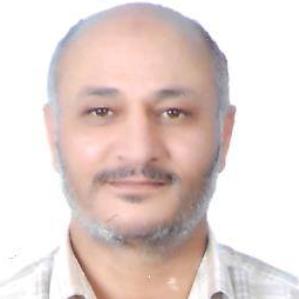
أ. محمد احمد امحمد الكشر

د. محمد أحمد الكشر ماجستير جراحة عظام / جامعة الاسكندرية-مصر مساعد محاضر قسم الجراحة كلية الطب جامعة طرابلس أخصائي جراحة عظام

منشورات مختارة

بعض المنشورات التي تم نشرها في كلية الطب البشري

Impact of the COVID-19 pandemic on medical education: Medical students’ knowledge, attitudes, and practices regarding electronic learning

The Coronavirus Disease 2019 (COVID-19) pandemic has caused an unprecedented disruption in medical education and healthcare systems worldwide. The disease can cause life-threatening conditions and it presents challenges for medical education, as instructors must deliver lectures safely, while ensuring the integrity and continuity of the medical education process. It is therefore important to assess the usability of online learning methods, and to determine their feasibility and adequacy for medical students. We aimed to provide an overview of the situation experienced by medical students during the COVID-19 pandemic, and to determine the knowledge, attitudes, and practices of medical students regarding electronic medical education. A cross-sectional survey was conducted with medical students from more than 13 medical schools in Libya. A paper-based and online survey was conducted using email and social media. The survey requested demographic and socioeconomic information, as well as information related to medical online learning and electronic devices; medical education status during the COVID-19 pandemic; mental health assessments; and e-learning knowledge, attitudes, and practices. A total of 3,348 valid questionnaires were retrieved. Most respondents (64.7%) disagreed that e-learning could be implemented easily in Libya. While 54.1% of the respondents agreed that interactive discussion is achievable by means of e-learning. However, only 21.1% agreed that e-learning could be used for clinical aspects, as compared with 54.8% who disagreed with this statement and 24% who were neutral. Only 27.7% of the … arabic 23 English 116
Ahmed Alsoufi, Ahmed Zaid(1-2020)
Publisher's website

Maternal Exposure of Mouse to Low-Dose of Trichloroethane is Associated with Increased Birth Weight and Early Neonatal Neurobehavioral Abnormalities

Maternal exposure to environmental chemicals can adversely affect fetal health. This study aims to identify, in-vivo, the risk of maternal exposure to trichloroethane (TCE) on the birth weight and the neurobehavioral performance of newborns. Groups of female albino mice (F0 generation) were injected intraperitoneally twice weekly for three weeks with TCE (100 and 400 µg/kg BW). Animals were followed up for signs of toxicity and mortality. Neonate's motor behavior including large movement (crawling, pivoting, righting) and small movement (tremor) were assessed. No toxicity adverse signs or mortality were observed in the animals (F0 generation) treated with TCE. The results showed that TCE exposure led to a significant increase in the F1 mouse body weight compared to controls. The results also showed that tremor of neonates of dams exposed to TCE (100µg/kg and 400µg/kg BW) were significantly increased when assessed on postnatal day-1 (PND-1). These findings provide support to a role of the environmental toxicant, TCE, in abnormalities in birth weight and neonatal neurobehavior.
Mohamed A. Al-Griw, Massaud S. Maamar, Naser M. Salama, Lubna N. Algadi, Abdul Hakim S. Elnfati, Emad M. Bennour(9-2015)
Publisher's website

Critical Success Factors of ISO/IEC 17025 Implementation within Arabic Countries: A Case Study of Libyan Research Centres and Laboratories - LRCL

Aim– This paper aims to review the existing literature relevant to the subject of ISO/IEC 17025 within Arabic countries and Libyan Research Centres Laboratories (LRCL), especially to the Critical Success Factors (CSFs) that effect the implementation of ISO/IEC 17025 standards. Therefore, a review of the literature revealed a major gap in studies in this area of quality standards for testing and calibration laboratories. Methodology– The aspects listed were based on a review of the literature. This paper summaries the key findings result within LRCL using SWOT and Template analysis to analyse the data collected from existing literature and LRCL data. Findings –The findings revealed that despite some organisations have faced challenges undertaking ISO/IEC 17025 implementations, many others have enjoyed the benefits that the systems have brought to the organisations. Outcomes of the research are important for Arabic and Libyan organisations implementing ISO/IEC 17025 systems and for consulting companies assisting with ISO/IEC 17025 implementation. The distribution of the current study results will lead to knowledge transfer and help organisations, among Arabic and developing countries including Libya, in the process of achieving standardisation. Originality, Value – The novelty of this research paper stems from the realisation of critical factors determining a successful implementation of ISO/IEC 17025 within research centers and Laboratories in Arabic countries and LRCL. The originality and value of this research paper is to fill the gap in knowledge in this area, which is explicit to the Arabic countries and Libya in particular. In addition, it contributes to the literature and professional practice by offering new insights into the CSFs for the implementation of ISO/IEC 17025 in Arabic countries and LRCL.
Anwar Salih Ali Al-mijrab, Maged Elmabruk Elgharib, Mohamed A. Al-Griw(5-2019)
Publisher's website