

كلية الطب البشري

المزيد ...

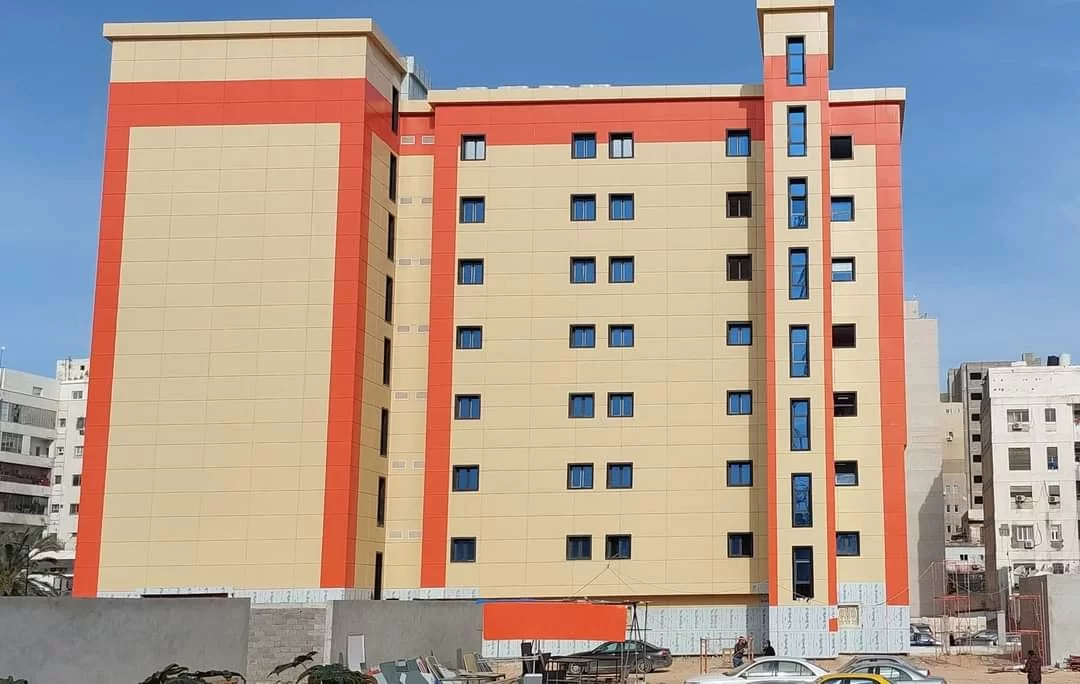
حول كلية الطب البشري

لقد تم تأسيس كلية الطب البشري في سنة 1973م، بمدينة طرابلس لتقوم بدورها المنوط بها والمتمثل في تخريج الكوادر الطبية المؤهلة، وفي سنة 1980م تم تخريج أول دفعة منها.

تعد كلية الطب البشري من أكبر كليات الجامعة وصرحاً من صروح المعرفة، بحيث أسهمت هذه الكلية خلال العقود الأربعة الماضية في إعداد وتخريج أطباء مؤهلين كان لهم الفضل بعد الله تعالى في إنجاح العمل الطبي من خلال المستشفيات المنتشرة في ربوع الوطن الحبيب لتقديم أفضل الخدمات الصحية، تضم كلية الطب البشري حالياً أكثر من 493 عضو هيئة تدريس جُلهم من العناصر الوطنية الذين كانوا من أوائل الدفعات في هذه الكلية والذين ساهموا في تقديم الخدمات الصحية اللازمة في المستشفيات والعيادات والمستوصفات.

قد تم إيفاد العديد من خريجي هذه الكلية لاستكمال دراستهم في الخارج والذين أثبتوا جدارتهم في التحصيل العلمي والسريري بشهادة العديد من الجامعات العالمية، هذا وفي الوقت الذي تسعي فيه الكلية لتفعيل برنامج الدراسات العليا في مختلف التخصصات فإنها تعمل علي تطوير مفردات مناهجها وطرق التدريس المواكبة لمتطلبات الجودة العالمية.

حقائق حول كلية الطب البشري

نفتخر بما نقدمه للمجتمع والعالم

80

المنشورات العلمية

238

هيئة التدريس

7385

الطلبة

0

الخريجون

البرامج الدراسية

درجة ماجستير
تخصص طب الأسرة والمجتمع

قريباً...

التفاصيل
المقرر الدراسي
تخصص طب الأطفالPD480

A twelve week rotation. Five weeks at Tripoli children hospital, rotating in the inpatient and outpatient departments.One week at the pediatric department –Tajoura hospital. Five weeks at Tripoli medical center, one week at university.Emphasis is on acquiring skills, and medical knowledge to be able...

التفاصيل

من يعمل بـكلية الطب البشري

يوجد بـكلية الطب البشري أكثر من 238 عضو هيئة تدريس

staff photo

د. علا محمود محفوظ الزقلعي

أخصائية طب أطفال و أمراض أعصاب في مستشفى الأطفال التعليمي بطرابلس و محاضرة في قسم طب الاطفال بكلية الطب البشري بجامعة طرابلس .

منشورات مختارة

بعض المنشورات التي تم نشرها في كلية الطب البشري

Problem facing us in casualty and Opds

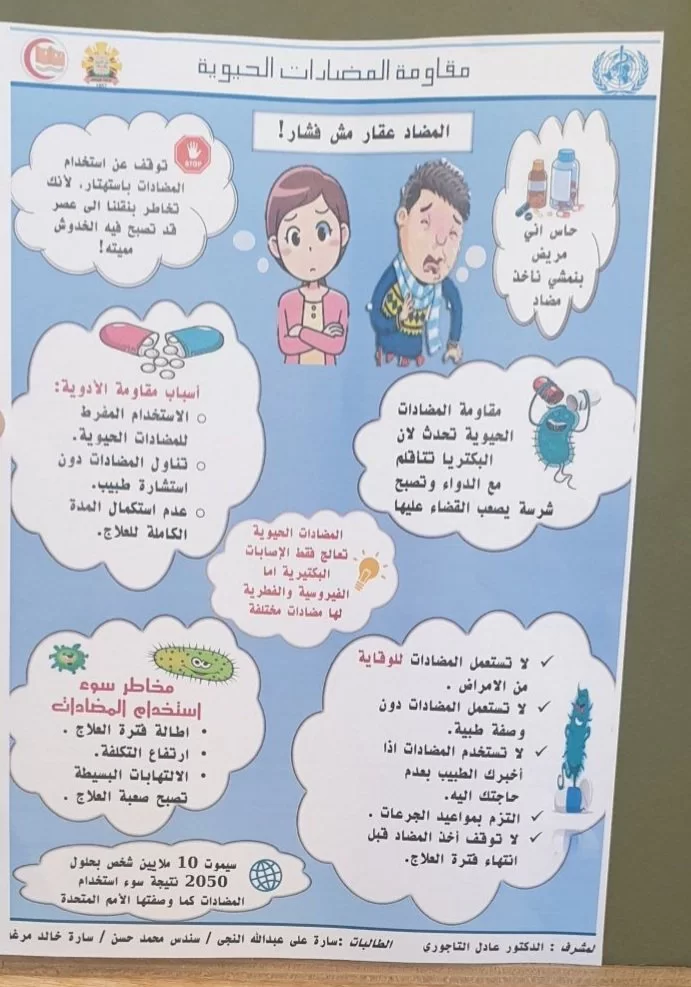
Opinion Cough in kids less than 6yrs old whether being with sputum i.e. wet or without i.e. dry and parental asking about any medicine stopping this symptom certainly if being dry i.e. irritating and disturbing sleep. So most studies being done on this subject proved the following: a) It is not wise to suppress cough because it is natural defense mechanism to expel infected mucus i.e. sputum out of the body and clearing the airways to improve oxygenation so never to prescribe antitussive i.e. cough suppressant. b) sputum mucolytic agents and there are many agents their purpose to liquify it and get it watery to be easy expectorated again studies proved that the best muculytic agent is Good Hydration so no need to use except where there is a mucus retention in the lungs like case of brocheictasis. c) WHO recommendation made about 6 yrs back was never to prescribe any cough medicine whether antitussive or mucolytic to kids less than 6 yrs old. Myself and since about 10 years I had not prescribed any cough suppressant to children despite of age but if kids older than 6 years old I do prescribe mucolytic agent made certainly for kids like amydramine syrup which contains antihistamine diphenhydramine and without restrictions. In kids less than 6yrs old again I do prescribe mucolytic made for kids like soolan or Amydramine pediatric syrup in trial to hit 2 birds which are sedating and antihistamine effects and satisfying anxious parents and it does work almost in all cases arabic 6 English 32
Hisham Mukhtar Alhaashimi Alrabty(5-2017)
Publisher's website

Anti-angiogenic and anti-inflammatory activity of the summer truffle (Tuber aestivum Vittad.) extracts and a correlation with the chemical constituents identified therein

Fungi are a huge source of unexplored bioactive compounds. Owing to their biological activities, several fungi have shown commercial application in the health industry. Tuber aestivum Vittad. is one such edible fungi with an immense scope for practical biological applications. In the present study, the anti-angiogenic activity of petroleum ether and ethanol extracts of T. aestivum was investigated using the chick chorioallantoic membrane assay and compared to the positive controls silibinin and lenalidomide. Both the extracts showed a dose-dependent anti-angiogenic response. The extracts were also assessed for their anti-inflammatory potential by lipoxygenase-inhibition assay. The IC50 values for LOX inhibition assay, computed by the Boltzmann plot, were 368.5, 147.3 and 40.2 μg/mL, for the petroleum ether extract, ethanol extract, and the positive control ascorbic acid, respectively. The ethanol extract of T. aestivum showed superior anti-angiogenic and anti-inflammatory activity than the petroleum ether extract. Compositional investigation of the extracts by GC–MS revealed the presence of various bioactive compounds. The compounds were correlated to their anti-angiogenic and antiinflammatory activity based on a meticulous literature search. arabic 25 English 145
Sandesh J. Marathe, Abdulla Bashein, (1-2020)
Publisher's website

Development of hydrolysis probe real-time polymerase chain reaction and high-resolution melting analysis protocols for screening of e280k and c.1055del.g mutations in phenylalanine hydroxylase gene

Background: Phenylketonuria (PKU) is one of the most common inborn errors of amino acids metabolism. It is an autosomal recessive disease that is caused by mutations in phenylalanine hydroxylase (PAH) gene. In the North Africa and Eastern Mediterranean region, E280K missense mutation and c.1055del.G frameshift mutation in PAH gene are one of the most common pathogenic mutations seen in PKU patients. Materials and Methods: In this study, we developed molecular protocols for rapid screening of the PKU patients for these two mutations. These protocols are based on hydrolysis probe real-time polymerase chain reaction technique using allele-specific probes labeled with 6-carboxyfluorescein (FAM) for wild-type (WT) and hexachloro-6-carboxyfluorescein (HEX) for mutant genotypes and Black Hole Quencher 1 as a quencher and high-resolution melting analysis using EvaGreen saturating dye. Results: There was complete accordance between the developed protocols in differentiating genotypes and they proved to be rapid, sensitive, and efficient for the detection and differentiation between WT, mutant, and heterozygous genotypes of the E280K and c.1055del.G mutations. Conclusions: These protocols allow easy molecular screening of the mutations studied among the families of affected people, especially for premarital screening. arabic 27 English 170
Abdulla Bashein(1-2017)
Publisher's website