كلية الطب البشري

المزيد ...

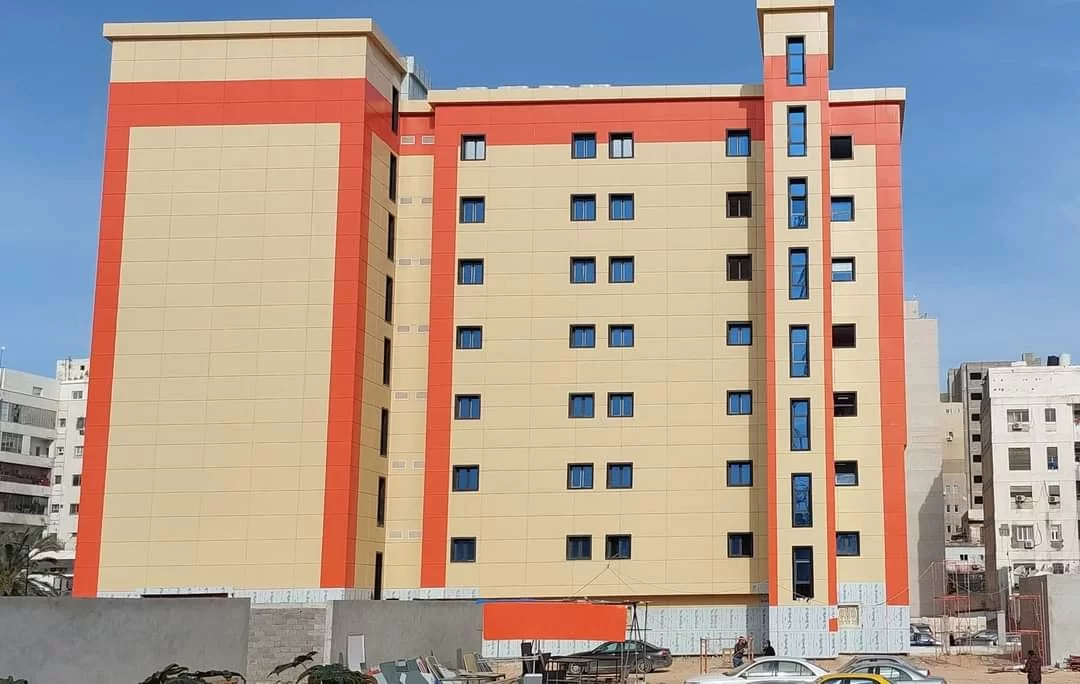
حول كلية الطب البشري

لقد تم تأسيس كلية الطب البشري في سنة 1973م، بمدينة طرابلس لتقوم بدورها المنوط بها والمتمثل في تخريج الكوادر الطبية المؤهلة، وفي سنة 1980م تم تخريج أول دفعة منها.

تعد كلية الطب البشري من أكبر كليات الجامعة وصرحاً من صروح المعرفة، بحيث أسهمت هذه الكلية خلال العقود الأربعة الماضية في إعداد وتخريج أطباء مؤهلين كان لهم الفضل بعد الله تعالى في إنجاح العمل الطبي من خلال المستشفيات المنتشرة في ربوع الوطن الحبيب لتقديم أفضل الخدمات الصحية، تضم كلية الطب البشري حالياً أكثر من 493 عضو هيئة تدريس جُلهم من العناصر الوطنية الذين كانوا من أوائل الدفعات في هذه الكلية والذين ساهموا في تقديم الخدمات الصحية اللازمة في المستشفيات والعيادات والمستوصفات.

قد تم إيفاد العديد من خريجي هذه الكلية لاستكمال دراستهم في الخارج والذين أثبتوا جدارتهم في التحصيل العلمي والسريري بشهادة العديد من الجامعات العالمية، هذا وفي الوقت الذي تسعي فيه الكلية لتفعيل برنامج الدراسات العليا في مختلف التخصصات فإنها تعمل علي تطوير مفردات مناهجها وطرق التدريس المواكبة لمتطلبات الجودة العالمية.

حقائق حول كلية الطب البشري

نفتخر بما نقدمه للمجتمع والعالم

80

المنشورات العلمية

238

هيئة التدريس

7385

الطلبة

0

الخريجون

البرامج الدراسية

درجة ماجستير
تخصص طب الأسرة والمجتمع

قريباً...

التفاصيل
المقرر الدراسي
تخصص طب الأطفالPD480

A twelve week rotation. Five weeks at Tripoli children hospital, rotating in the inpatient and outpatient departments.One week at the pediatric department –Tajoura hospital. Five weeks at Tripoli medical center, one week at university.Emphasis is on acquiring skills, and medical knowledge to be able...

التفاصيل

من يعمل بـكلية الطب البشري

يوجد بـكلية الطب البشري أكثر من 238 عضو هيئة تدريس

staff photo

د. نجوى علي عبد السلام الفيتوري

الاسم نجوى علي الفيتوري استشاري طب أطفال و حديثي ولادة • رئيس قسم حديثي الولادة بمستشفى الجلاء للولادة و أمراض النساء • أستاذ مساعد بقسم الأطفال كلية الطب • رئيس قسم الدراسة و الامتحانات بكلية الطب البشري جامعة طرابلس • متحصلة على دبلوم أطفال من دبلن/ايرلندا 1994 و الزمالة العربية من دمشق/ سوريا 1999 • متطوعة في مجموعة الجودة في برنامج تعزيز الأنظمة الصحية 2013عام • عضو سابق في الهيئة التحضيرية للحوارالوطني • عضو مؤسس في منبر المرأة الليبية للسلام • عضو في جمعية رعاية الأسرة ( جمعية أهلية( • رئيس مجلس ادارة الجمعية الليبية لطب حديثي الولادة

منشورات مختارة

بعض المنشورات التي تم نشرها في كلية الطب البشري

Thermodynamic study of BRAF V600 mutations in colorectal cancer patients

The detection of somatic mutations in tumours is essential for the understanding of cancer development and targeting therapy. The screening for BRAF V600E mutation is employed in clinical practice in Libya for its prognostic and potentially predictive role in patients with metastatic colorectal carcinoma (mCRC). Using of BRAF mutant DNA and wild type DNA targets, we found that the sensitivity of allelic discrimination-Real Time PCR was applicable. The Real Time PCR assay displayed increased analytical sensitivity in detecting the BRAF V600E mutation. The association of BRAF mutations with clinical and pathological features was assessed using Real Time PCR assay. Qiagen Real Time PCR Platform was utilised using a set of primers. forward 5-GAC. CTC. ACA. GTA. AAA. ATA. GGT. G 3, reverse 5-TCC. AGA. CAA. CTG. TTC. AAA. CTG. A. 3. Our study indicates that Real Time PCR-based assays is convenient to detect the BRAF V600E mutation in CRC and that BRAF mutations screening should not be restricted to selected patients on the basis of the clinicalpathological characteristics. arabic 9 English 63
Abdul M Gbaj, Abdulla Bashein(1-2018)
Publisher's website

Problem facing us in casualty and Opds

Opinion Cough in kids less than 6yrs old whether being with sputum i.e. wet or without i.e. dry and parental asking about any medicine stopping this symptom certainly if being dry i.e. irritating and disturbing sleep. So most studies being done on this subject proved the following: a) It is not wise to suppress cough because it is natural defense mechanism to expel infected mucus i.e. sputum out of the body and clearing the airways to improve oxygenation so never to prescribe antitussive i.e. cough suppressant. b) sputum mucolytic agents and there are many agents their purpose to liquify it and get it watery to be easy expectorated again studies proved that the best muculytic agent is Good Hydration so no need to use except where there is a mucus retention in the lungs like case of brocheictasis. c) WHO recommendation made about 6 yrs back was never to prescribe any cough medicine whether antitussive or mucolytic to kids less than 6 yrs old. Myself and since about 10 years I had not prescribed any cough suppressant to children despite of age but if kids older than 6 years old I do prescribe mucolytic agent made certainly for kids like amydramine syrup which contains antihistamine diphenhydramine and without restrictions. In kids less than 6yrs old again I do prescribe mucolytic made for kids like soolan or Amydramine pediatric syrup in trial to hit 2 birds which are sedating and antihistamine effects and satisfying anxious parents and it does work almost in all cases arabic 6 English 32
Hisham Mukhtar Alhaashimi Alrabty(5-2017)
Publisher's website

Mode of Cell Death in Mouse Brain Following Early Exposure to Low-Dose Trichloroethane: Apoptosis or Necrosis

The goal of this study was to investigate, in-vivo, the predominant mechanism of cell death, apoptosis versus necrosis, in the mature mouse brain exposed early to a ubiquitous environmental toxicant trichloroethane (TCE). A subset of male albino mice was injected intraperitoneally twice weekly for three weeks with TCE (100 and 400µg/kg). All animals were followed up for signs of toxicity and mortality. Changes in neural tissues were histpathologically evaluated. Biomarkers of brain cell number were also studied. The results showed that TCE insult triggered significant alterations in the microstructure of the brain tissues compared to controls. Mitotic figures and apoptotic changes such as chromatin condensation and nuclear fragments were also identified. Cell death analysis demonstrates that cell apoptosis with necrosis was evident in the TCE-treated groups. The percent of necrosis was quantified as 20.09 ± 2.57% at 100µg/kg TCE, 30.57 ± 5.18% at 400µg/kg TCE, and 12.67 ± 1.25% in controls. However, the percent of apoptosis was quantified as 29.18 ± 1.51% at 100µg/kg TCE, 20.14 ± 2.12% at 400µg/kg TCE, and 8 ± 1.25% in controls. There was also a significant reduction in the brain DNA content in the TCE-treated groups. Agarose gel electrophoresis is also provided further biochemical evidence of apoptosis by showing internucleosomal DNA fragmentation. These results correlated with neurobehavioral impairment. These findings indicate that TCE induces degeneration and apoptotic cell death in mouse brain, suggesting a crucial role played by apoptosis in TCE neurotoxicity.
Mohamed A. Al-Griw, Abdul Hakim Elnfati, Naser M. Salama, Massaud S. Maamar, Soad A. Treesh, Taher Shaibi(10-2015)
Publisher's website