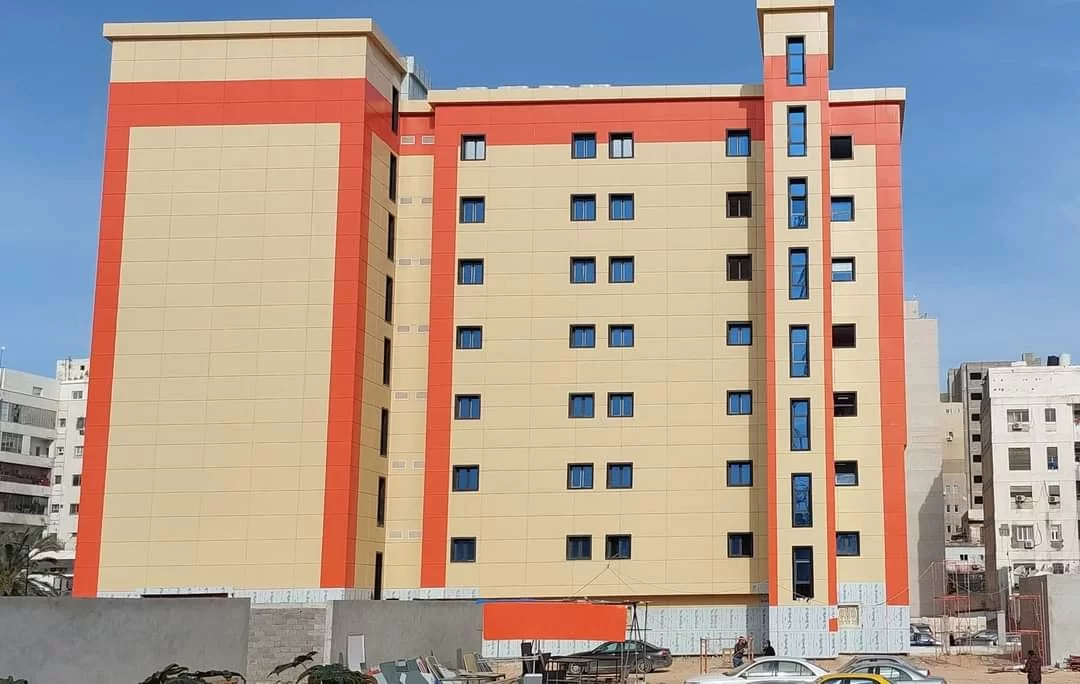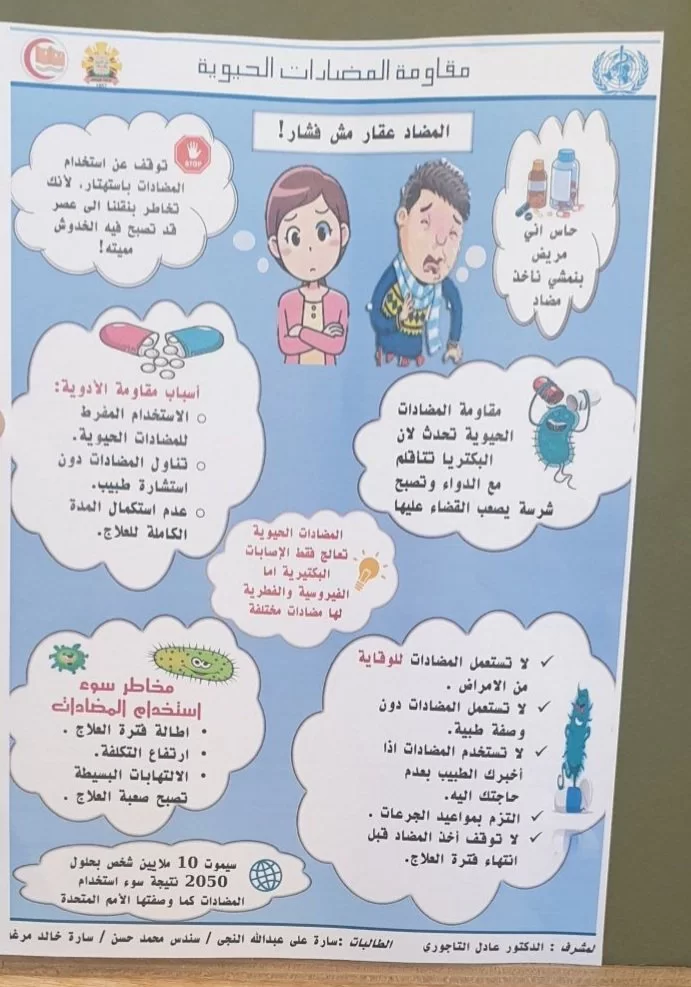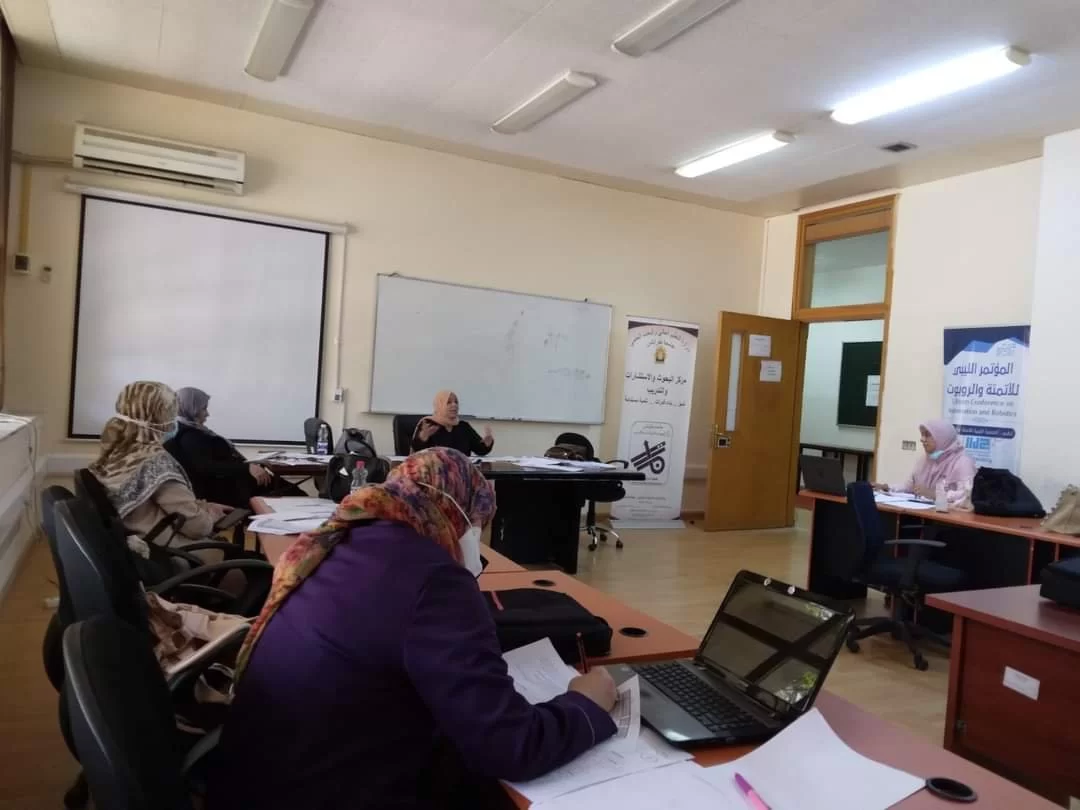



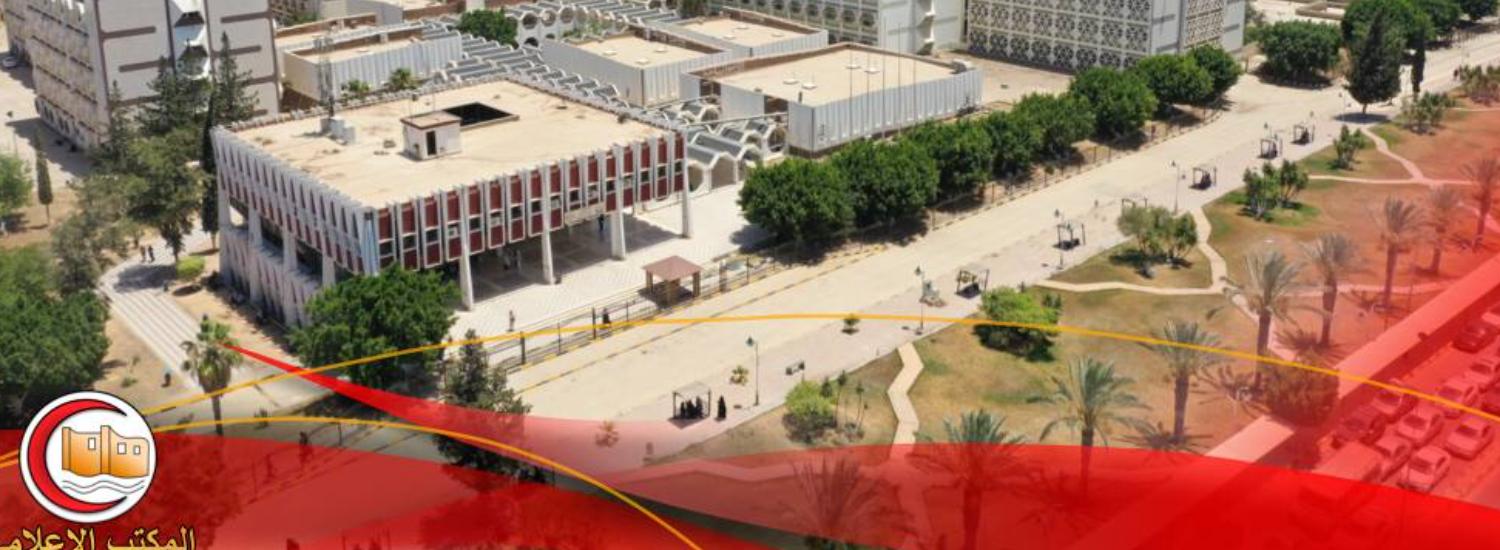
كلية الطب البشري

المزيد ...

حول كلية الطب البشري

لقد تم تأسيس كلية الطب البشري في سنة 1973م، بمدينة طرابلس لتقوم بدورها المنوط بها والمتمثل في تخريج الكوادر الطبية المؤهلة، وفي سنة 1980م تم تخريج أول دفعة منها.

تعد كلية الطب البشري من أكبر كليات الجامعة وصرحاً من صروح المعرفة، بحيث أسهمت هذه الكلية خلال العقود الأربعة الماضية في إعداد وتخريج أطباء مؤهلين كان لهم الفضل بعد الله تعالى في إنجاح العمل الطبي من خلال المستشفيات المنتشرة في ربوع الوطن الحبيب لتقديم أفضل الخدمات الصحية، تضم كلية الطب البشري حالياً أكثر من 493 عضو هيئة تدريس جُلهم من العناصر الوطنية الذين كانوا من أوائل الدفعات في هذه الكلية والذين ساهموا في تقديم الخدمات الصحية اللازمة في المستشفيات والعيادات والمستوصفات.

قد تم إيفاد العديد من خريجي هذه الكلية لاستكمال دراستهم في الخارج والذين أثبتوا جدارتهم في التحصيل العلمي والسريري بشهادة العديد من الجامعات العالمية، هذا وفي الوقت الذي تسعي فيه الكلية لتفعيل برنامج الدراسات العليا في مختلف التخصصات فإنها تعمل علي تطوير مفردات مناهجها وطرق التدريس المواكبة لمتطلبات الجودة العالمية.

حقائق حول كلية الطب البشري

نفتخر بما نقدمه للمجتمع والعالم

80

المنشورات العلمية

238

هيئة التدريس

7385

الطلبة

0

الخريجون

البرامج الدراسية

درجة ماجستير
تخصص طب الأسرة والمجتمع

قريباً...

التفاصيل
المقرر الدراسي
تخصص طب الأطفالPD480

A twelve week rotation. Five weeks at Tripoli children hospital, rotating in the inpatient and outpatient departments.One week at the pediatric department –Tajoura hospital. Five weeks at Tripoli medical center, one week at university.Emphasis is on acquiring skills, and medical knowledge to be able...

التفاصيل

من يعمل بـكلية الطب البشري

يوجد بـكلية الطب البشري أكثر من 238 عضو هيئة تدريس

staff photo

د. سعاد سالم منصور حشاد

استشاري طب اطفال وروماتيزوم رئيس قسم وحدة عامة مشرف عام التدريب للزمالة الليبية بمستشفي الاطفال والمقرر الابحاث بمجلس التخصصات الليبي المشرف العام علي منظمة البرنتو الاوروبية لروماتيزوم الاطفال في ليبيا

منشورات مختارة

بعض المنشورات التي تم نشرها في كلية الطب البشري

وثيقة اخلاقيات لبحث لعلمي

ا كان لإلنسان أن يخطو، يف فترة وجيزة تقارب القرن من الزمن، هذه اخلطوات العمالقة يف مجال العلوم واملعرفة، بدون البحث العلمي الرصني الذي يعتمد الطريقة العلمية يف التفكير، وليس غريبا أن تكون إحدى أهم ركائز تصنيف اجلامعات العاملية مدى قدرة اجلامعة على اإلسهام الفاعل يف إثراء املعرفة االنسانية من خالل ما جتريه من بحوث. وانطالقا من اإلحساس مبسؤولياتها، ويف سبيل السعي إلى احلصول على موطأ قدم لها بني جامعات العالم، شكلت جامعة طرابلس جلنة من أساتذتها؛ لوضع مشروع وثيقة ألخالقيات البحث العلمي داخلها تلزم باحثيها اتباع االشتراطات، واملعايير، واملتطلبات األخالقية املنبثقة أس�اس�ا م�ن املفاهيم وامل�ب�ادئ العليا التي تقوم عليها املجتمعات، وتقرها الديانات واألعراف والتشريعات والثقافة واملواثيق الدولية ذات العالقة والتي تضبط وتنظم السلوك اإلنساني وتصنف املمارسات واألفعال والعالقات والسياسات، فيما إذا كانت مقبولة، أو غير مقبولة، ولتحافظ على أعلى مستوى ممكن من الشفافية واملصداقية يف العملية البحثية.
بسمة محمد خليفة دورو, خالد الهادي عبدالسلام الرفاعي, عبدالكريم امحمد احمد احتاش, محمد عبدالسلام محمد القريو , محمود احمد امحمد الديك, ضو خليفة محمد الترهوني, (1-2017)
Publisher's website

Takayasu's arteritis in a Libyan female

Takayasu’s arteritis (TA) is a large‑vessel vasculitis that involves the aorta and its major branches. Renal arteries are frequently involved, usually with renovascular hypertension. The prevalence of TA in Arabs is low. A study of the epidemiological and clinical features of TA in Arabs included 197 identified patients between 1995 and 2012 and none of them was Libyan. We report a 61‑year‑old Libyan woman in whom TA manifested with hypokalemia and arterial hypertension. Previous ultrasound showed renal size asymmetry raised the possibility of renal artery stenosis. The diagnosis of TA was confirmed by magnetic resonance angiography, which showed a thickened abdominal aortic wall, occlusions of the left renal artery and left common iliac artery, stenosis of the right common iliac artery, and stenosis of both subclavian arteries. TA is rarely encountered in Arabs. However, the disease must be considered in patients who present with renovascular hypertension, in a context of other autoimmune disorders. arabic 6 English 33
Hawa Juma El-Shareif(1-2019)
Publisher's website

Prevalence of Metabolic Syndrome and its Components in Nondiabetic Libyan Females

Background: The metabolic syndrome (MS) is defined as a cluster of cardiovascular risk factors, including central obesity, dysglycemia, hypertension (HPN), elevated triglycerides (TGs), and reduced high-density lipoprotein cholesterol (HDL-C). MS increases the risk of cardiovascular disease and all-cause mortality. Objective: This study aims to estimate the prevalence of MS and its components among nondiabetic Libyan females using the definition proposed by National Cholesterol Education Program (NCEP) Adult Treatment Panel III (ATP III). Methods: A total of 122 randomly selected nondiabetic Libyan females were included in the study. Detailed medical history was obtained from all participants. Blood pressure, weight, height, waist and hip circumference were measured. Body mass index and waist–hip ratio were calculated. Fasting blood glucose (FBG) and lipid profile were collected. Standard oral glucose tolerance test with 75 GM glucose was performed. The MS was defined by ATP III and International Diabetes Federation criteria. Results: According to NCEP definition, the prevalence of the MS in the study group was 42.6%. The most common component was abdominal obesity (67.2%). FBG was ≥ 100 mg/dl in 47.5%. The prevalence of both HPN and low HDL-C was 45.9%. About 26.2% of the participants have their TG ≥ 150 mg/dl; all were MS patients. Conclusions: The prevalence of MS and cardiovascular risk factors were high among Libyan females. Public health authorities and health-care providers should implement strategies for prevention, screening, and management of cardiovascular risk factors to reduce the burden of its potential complications
Hawa Juma El-Shareif(4-2018)
Publisher's website