
Department of Biochemistry and Molecular Biology

More ...

About Department of Biochemistry and Molecular Biology

Facts about Department of Biochemistry and Molecular Biology

We are proud of what we offer to the world and the community

30

Publications

6

Academic Staff

0

Students

0

Graduates

Who works at the Department of Biochemistry and Molecular Biology

Department of Biochemistry and Molecular Biology has more than 6 academic staff members
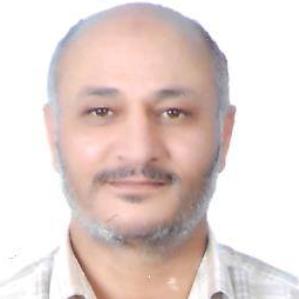
staff photo

Prof.Dr. Abdulla Masood Bashein Bashein

عبدالله بشين هو احد اعضاء هيئة التدريس بقسم الكيمياء الحيوية بكلية الطب البشري. يعمل السيد عبدالله بشين بجامعة طرابلس كـأستاذ منذ 2007-04-15 وله العديد من المنشورات العلمية في مجال تخصصه

Publications

Some of publications in Department of Biochemistry and Molecular Biology

Extended-Spectrum Beta-Lactamase- and Carbapenemase-Producing Enterobacteriaceae among Libyan Children

Abstract Introduction: Extended-spectrum β-lactamases (ESBLs), AmpC type, carbapenem resistant Enterobacteriaceae (CRE), are important mechanisms of resistance among Enterobacteriaceae. The aim of this study was to investigate the prevalence of ESBL, AmpC and CRE among Enterobacteriaceae isolates recovered from pediatric patients in Tripoli, Libya. Methods: This cross-sectional study was carried out in Tripoli Children Hospital (TCH), a total of 915 Gram negative bacteria isolates were evaluated for susceptibility to a panel of antimicrobials and were analyzed phenotypically for the ESBL, AmpC type and CRE using chromagen media, E-test and combination disc test. Results: The predominant organisms were Escherichia coli (56.8%) and Klebsiella spp. (21.4%). The overall prevalence of ESBL producing Enterobacteriaceae was 24.5% (224/915). Out of 224, Enterobacteriaceae proved ESBL producer, Klebsiella spp. (54%) and E. coli (34.4%) were the leading ESBL producers. ESBL-producers were more often resistant to major classes of antibiotics compared with non-ESBL producers, significantly high resistance rates (P < 0.001) were observed for ceftriaxone, cefepime, and ceftazidime (87.5 - 95.9%) among ESBL producers compared to non-ESBL producers (7.2 - 13.5%). MDR was documented for 50/224 (22.3%) of ESBL producers and was significantly higher (P < 0.0001) among ESBLs compared with non-ESBL producer isolates. Phenotypic detection of AmpC revealed 60/915 (6.6%) isolates as potential AmpC β-lactamase producers, E. coli exhibited a lower level of AmpC (8.3%) compared with Klebsiella spp. (56.6%). The overall prevalence of CRE was 9% (83/915). Carbapenemase-producing organisms in this study were as follows: Klebsiella spp. (44.6%); Acinetobacter spp. (24%); Pseudomonas spp. (9.6%). Conclusion: This study revealed that the prevalence of ESBL, AmpC, CRE and MDR Enterobacteriaceae isolates in Children hospital was within acceptable frequency. arabic 11 English 91
Abdulaziz Zorgani, Abdulla Bashein, (1-2017)
Publisher's website

Detection of CTX-M-15 Among Uropathogenic Escherichia coli Isolated from Five Major Hospitals in Tripoli, Libya

Objectives Multidrug resistance (MDR) and emergence of extended-spectrum β-lactamases (ESBLs) among uropathogenic Escherichia coli have been reported worldwide, but there was no information on the detection of blaCTX-M-15 in major teaching hospitals in Libya. The aim of the study was to investigate the occurrence of CTX-M-15 β-lactamases producers isolated from five teaching hospitals in Tripoli, Libya. Methods A total of 346 urine samples were collected from hospitalized patients in five teaching hospitals with a diagnosis of urinary tract infection (UTI). Phenotypic confirmation of ESBLs was confirmed by E-test strip; all ESBL-producing E. coli isolates were screened for the blaCTX-M-15 gene. Results The distribution of ESBL-producing E. coli varied among the five hospitals. The highest proportion was identified in Tripoli Medical Centre (67.6%). There were extremely high proportions of isolates resistant to ceftriaxone, cefepime, and ceftazidime (93.0–100.0%) among ESBL producers compared to non-ESBL producers (2.2–4.7%). MDR was detected in 22.2% of isolates. The majority of isolates (85.9%) in which blaCTX-M-15 was identified were ESBL producers. There was a correlation (p < 0.001) between expression of CTX-M-15 and resistance to ceftazidime. Conclusions The isolation of MDR ESBL-producing uropathogens expressing the CTX-M-15 gene will limit the choices clinicians have to treat their patients with UTIs. Continued surveillance and implementation of efficient infection control measures are required. arabic 17 English 94
Abdulaziz Zorgani, Abdulla Bashein(1-2017)
Publisher's website

Association of venous thromboembolism and myocardial infarction with Factor V Leiden and Factor II gene mutations among Libyan patients

Factor V Leiden G1691A (FVL) and Factor II prothrombin G20210A (PGM) mutations are the leading causes of thrombophilia. In this study, we have investigated the prevalence of the FVL G1691A and PGM G20210A single nucleotide polymorphisms (SNPs) among Libyan deep vein thrombosis (DVT) and myocardial infarction (MI) patients. SNP genotyping was performed using high-resolution melt analysis (HRM) and DNA sequencing. Biochemical parameters conducted on 112 males and 93 females showed no significant difference in means between the control group and the deep vein thrombosis and myocardial infarction groups. For Factor V Leiden, 40 samples were genotyped. Of the 40 samples, 6 (15.0%) of them were heterozygous and no one was homozygous. As for Factor II SNP, 59 samples were genotyped and only 2 (3.3%) were heterozygous. All the heterozygous samples showed 100% concordance between the HRM-PCR and DNA sequence analysis. Our study showed, for the first time, that both the FVL and PGM mutations are present among Libyan DVT and MI patients and that the FVL mutation is significantly associated with DVT but not with MI. However, our results do not support the association of PGM G20210A mutation with DVT or MI. arabic 18 English 117
Abdulghani Msalati, Abdulla Bashein, Murad Ghrew, Khaled Sedaa, Abushawashi Ali, Ahmed Zaid, (1-2021)
Publisher's website

Documents you Need