
كلية الطب البشري

المزيد ...

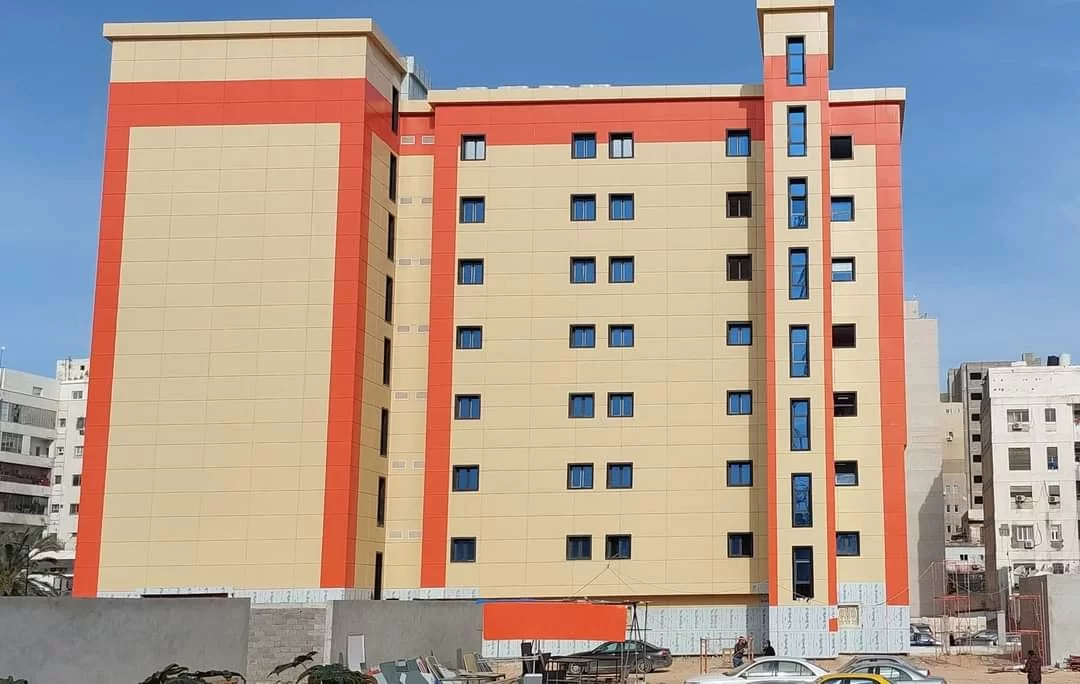
حول كلية الطب البشري

لقد تم تأسيس كلية الطب البشري في سنة 1973م، بمدينة طرابلس لتقوم بدورها المنوط بها والمتمثل في تخريج الكوادر الطبية المؤهلة، وفي سنة 1980م تم تخريج أول دفعة منها.

تعد كلية الطب البشري من أكبر كليات الجامعة وصرحاً من صروح المعرفة، بحيث أسهمت هذه الكلية خلال العقود الأربعة الماضية في إعداد وتخريج أطباء مؤهلين كان لهم الفضل بعد الله تعالى في إنجاح العمل الطبي من خلال المستشفيات المنتشرة في ربوع الوطن الحبيب لتقديم أفضل الخدمات الصحية، تضم كلية الطب البشري حالياً أكثر من 493 عضو هيئة تدريس جُلهم من العناصر الوطنية الذين كانوا من أوائل الدفعات في هذه الكلية والذين ساهموا في تقديم الخدمات الصحية اللازمة في المستشفيات والعيادات والمستوصفات.

قد تم إيفاد العديد من خريجي هذه الكلية لاستكمال دراستهم في الخارج والذين أثبتوا جدارتهم في التحصيل العلمي والسريري بشهادة العديد من الجامعات العالمية، هذا وفي الوقت الذي تسعي فيه الكلية لتفعيل برنامج الدراسات العليا في مختلف التخصصات فإنها تعمل علي تطوير مفردات مناهجها وطرق التدريس المواكبة لمتطلبات الجودة العالمية.

حقائق حول كلية الطب البشري

نفتخر بما نقدمه للمجتمع والعالم

80

المنشورات العلمية

238

هيئة التدريس

7385

الطلبة

0

الخريجون

البرامج الدراسية

درجة ماجستير
تخصص طب الأسرة والمجتمع

قريباً...

التفاصيل
المقرر الدراسي
تخصص طب الأطفالPD480

A twelve week rotation. Five weeks at Tripoli children hospital, rotating in the inpatient and outpatient departments.One week at the pediatric department –Tajoura hospital. Five weeks at Tripoli medical center, one week at university.Emphasis is on acquiring skills, and medical knowledge to be able...

التفاصيل

من يعمل بـكلية الطب البشري

يوجد بـكلية الطب البشري أكثر من 238 عضو هيئة تدريس

staff photo

أ.د. عبدالله مسعود بشين بشين

عبدالله بشين هو احد اعضاء هيئة التدريس بقسم الكيمياء الحيوية بكلية الطب البشري. يعمل السيد عبدالله بشين بجامعة طرابلس كـأستاذ منذ 2007-04-15 وله العديد من المنشورات العلمية في مجال تخصصه

منشورات مختارة

بعض المنشورات التي تم نشرها في كلية الطب البشري

Clinical profile and factors associated with mortality in hospitalized patients with HIV/AIDS: a retrospective analysis from Tripoli Medical Centre, Libya, 2013

In Libya, little is known about HIV-related hospitalizations and in-hospital mortality. This was a retrospective analysis of HIV-related hospitalizations at Tripoli Medical Centre in 2013. Of 227 cases analysed, 82.4% were males who were significantly older (40.0 versus 36.5 years), reported injection drug use (58.3% versus 0%) and were hepatitis C virus co-infected (65.8% versus 0%) compared with females. Severe immunosuppression was prevalent (median CD4 count = 42 cell/μL). Candidiasis was the most common diagnosis (26.0%); Pneumocystis pneumonia was the most common respiratory disease (8.8%), while cerebral toxoplasmosis was diagnosed in 8.4% of patients. Current HAART use was independently associated with low risk of in-hospital mortality (OR 0.33), while central nervous system symptoms (OR 4.12), sepsis (OR 6.98) and low total lymphocyte counts (OR 3.60) were associated with increased risk. In this study, late presentation with severe immunosuppression was common, and was associated with significant in-hospital mortality. 24
Nader S Shalaka(10-2015)
Publisher's website

Oxidative Stress Mediated Cytotoxicity of Trichloroethane in a Model of Murine Splenic Injury

The present in vivo murine study was aimed to investigate the long-term effect of repeated administration of low-dose of the environmental toxicant trichloroethane (TCE) over three weeks on the spleen and peripheral blood cells, and the possible role of oxidative stress in TCE-induced toxicity. The results showed neither adverse clinical signs nor mortality on the TCE-treated mice. However, significant changes were noticed in the spleen of those animals. Grossly, the spleen of TCE-treated group was congested and enlarged (splenomegaly). Histpathologically, the splenic tissues of TCE-treated mice showed signs of toxicity as highly activated germinal centers of the white pulp with minimal apoptotic reaction as well as a prominent megakarocytosis and infiltration of the red pulp by comparatively increased number of eosinophiIs and mature lymphocytes were detected. In addition, lymphocyte numbers were decreased in peripheral blood as well as basophils. In contrast, there was an increase in monocyte numbers in the peripheral circulation. In addition, lipid peroxidation/ malondialdehyde formation, a biomarker of oxidative stress, was significantly induced by TCE treatment in the sera and spleen of mice, suggesting an overall increase in oxidative stress. These results provide further support to a role of oxidative stress in TCE-induced cell death, which could result in an impaired spleen function. This study concludes that attenuation of TCE-induced splenic damage in mice provides an approach for preventive and/or therapeutic strategies
Massaud S. Maamar, Mohamed A. Al-Griw, Rabia O. Al-Ghazeer, Seham A. Al-Azreg, Naser M. Salama, Emad M. Bennour(3-2016)
Publisher's website

Prevalence of Mutations in TAL1 Gene in Individuals With T-ALL and T-NHL

Mutations in the TAL1 (T-cell acute leukemia 1) gene were recently described in patients with T-cell acute lymphoblastic leukaemia (T-ALL) and in those with lymphoblastic T-cell non-Hodgkin’s lymphoma (T-NHL). The purpose of this pilot study was to assess the prevalence of mutations in TAL1 gene in T-ALL and TNHL. DNA samples from 15 unrelated healthy controls, 20 T-ALL patients, and 10 T-NHL patients were analyzed using DNA-PCR and direct DNA sequencing to identify sequence genetic variations in TAL1 gene (exons 2 and 3). TAL1 exon 2 mutations were identified in 7.7% adult and 12.5% adolescent T-ALL patients analyzed. TAL1 exon 2 mutations were detected in 16.7% of the adult TNHL patients analyzed. Sequencing of TAL1 exon 3 showed no sequence variation for the T-ALL and T-NHL cancer patients analyzed. No sex difference where observed in the incidences of TAL1 exons 2 mutations between T-ALL and T-NHL patients with and without TAL1 mutations. TAL1 exon 2 missense and frame-shift mutations were present in 44.4% (4/9) and 55.6% (5/9) of T-ALL patients, respectively. However, the frame-shift and missense mutations in the T-NHL patients accounted for, where respectively, 60% (3/5) and 40% (4/5) of all TAL1 exon 2 mutations. Comparing the clinical features showed that there are no differences in PLT and WBC counts as well as the average age between T-ALL and T-NHL patients with and without TAL1 mutations. Overall, these findings indicate that TAL1 mutations are too rare to be of clinical relevance, and do not seem to be significantly associated with the increased T-ALL and T-NHL susceptibility, implying different pathways with respect to TAL1 genetic polymorphisms as a risk factor for T-ALL and T-NHL at least in this population of Libyans.
Amal E. Elarifi, Othman A. El-Ansari, Mohamed A. Al-Griw(12-2016)
Publisher's website