Faculty of Information Technology

More ...

About Faculty of Information Technology

Faculty of Information Technology

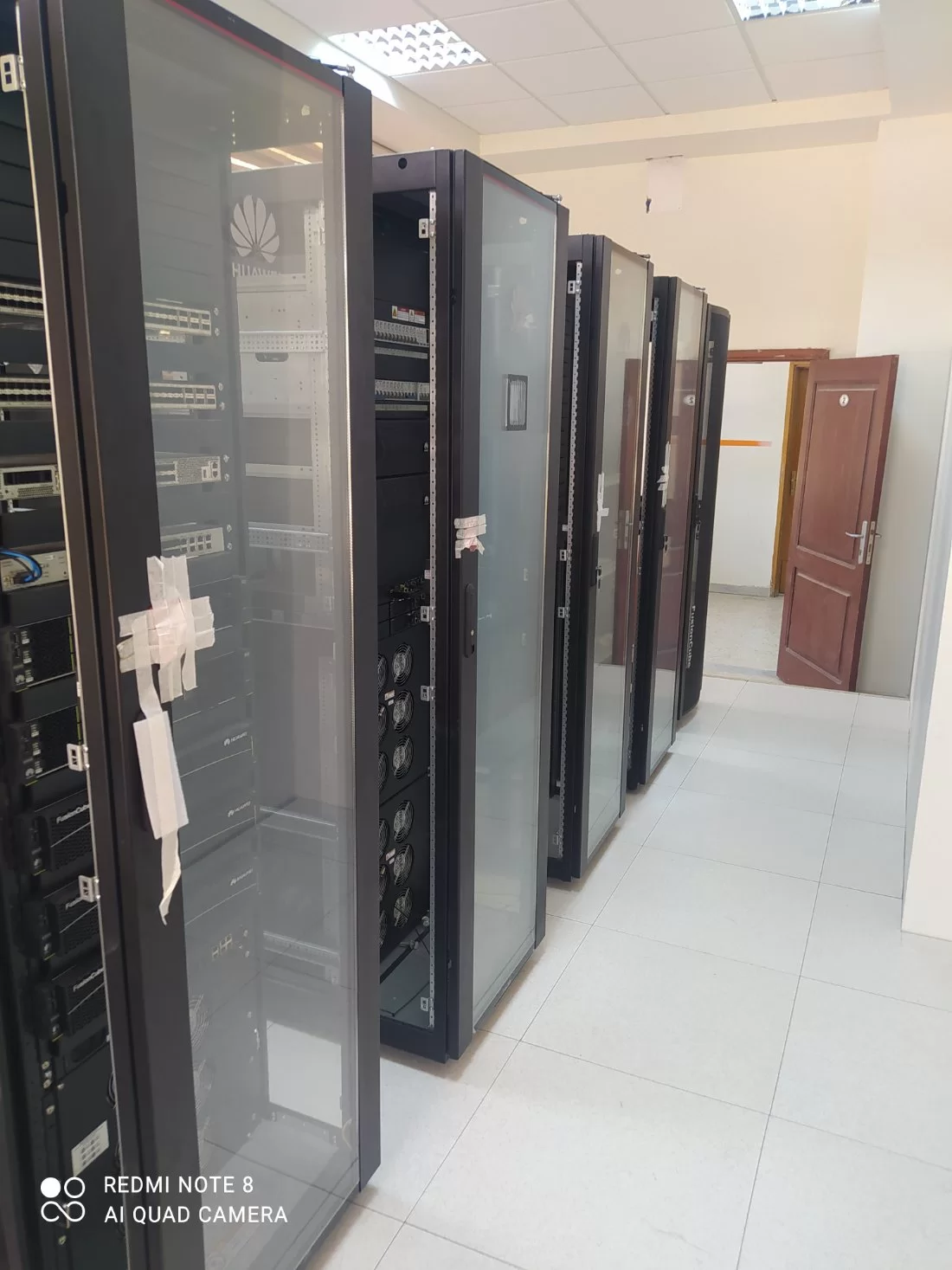
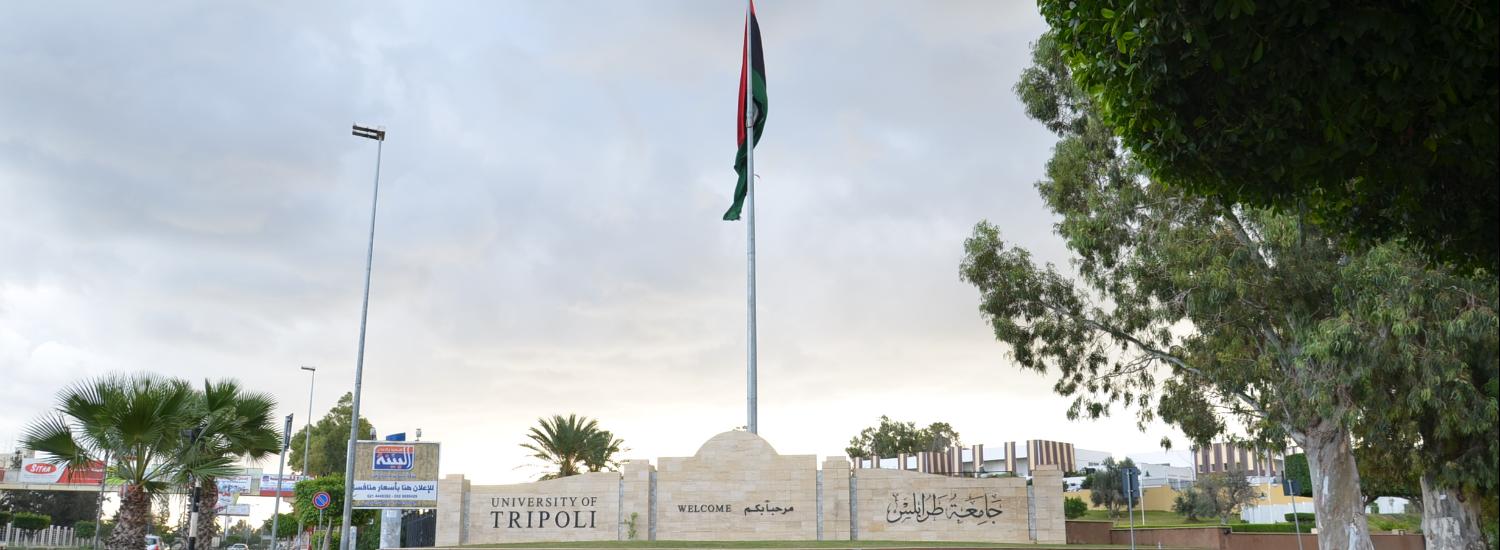
The Faculty of Information Technology is one of the most recent faculties at the University of Tripoli, as it was established in pursuant to the former General People's Committee for Higher Education Decision No. 535 of 2007 regarding the creation of Information Technology Faculties in the main universities in Libya.


Upon its establishment, the Faculty consisted of three departments: Computer Networks Department, Computer Science Department and Software Engineering Department. It now includes five departments: Mobile Computing Department, Computer Network Department, Internet Technologies Department, Information Systems Department and Software Engineering Department.


The Faculty’s study system follows the open semester system by two (Fall and Spring) terms per year. The Faculty began to actually accept students and teach with the beginning of the Fall semester 2008. It grants a specialized (university) degree in information technology in any of the aforementioned disciplines. Obtaining the degree requires the successful completion of at least 135 credit hours. Arabic is the language of study in the college, and English may be also used alongside it. It takes eight semesters to graduate from the Faculty if Information Technology.


The Faculty aspires to open postgraduate programs in the departments of computer networks and software engineering in the near future.

Facts about Faculty of Information Technology

We are proud of what we offer to the world and the community

69

Publications

38

Academic Staff

1710

Students

159

Graduates

Faculty of Information Technology News

2021-05-04 551 0
More News

Programs

No Translation Found
Major No Translation Found

No Translation Found...

Details
بكالوريوس في تقنية المعلومات
Major هندسة البرمجيات

...

Details
Major

...

Details

Who works at the Faculty of Information Technology

Faculty of Information Technology has more than 38 academic staff members

staff photo

Prof.Dr. Hanan Ettaher Mahmuod Dagez

ا.د.حنان الداقيز هي رئيس قسم نظم المعلومات و احد اعضاء هيئة التدريس بقسم هندسة البرمجيات بكلية تقنية المعلومات. تعمل السيدة حنان الداقيز بجامعة طرابلس كـأستاذ منذ 2020-06-22 ولها العديد من المنشورات العلمية في مجال تخصصها.

Publications

Some of publications in Faculty of Information Technology

An Extensive Study on Online and Mobile Ad Fraud

The advertising ecosystem faces major threats from ad fraud caused by artificial display requests or clicks, created by malicious codes, bot-nets, and click-firms. Currently, there is a multibillion-dollar online advertisement market which generates the primary revenue for some of the internet's most successful websites. Unfortunately, the complexities of the advertisement ecosystem attract a considerable amount of cybercrime activity, which profits at the expense of advertisers. Web ad fraud has been extensively studied whereas fraud in mobile ads has received very little attention. Most of these studies have been carried out to identify fraudulent online and mobile ads clicks. However, the identification of individual fraudulent displays in mobile ads has yet to be explored. Additionally, other fraudulent activity aspects such as hacking ad-campaign accounts have rarely been addressed. The purpose of this study is to provide a comprehensive review of state-of-the-art ad fraud in web content as well as mobile apps. In this context, we will introduce a deeper understanding of vulnerabilities of online/mobile advertising ecosystems, the ad fraud’s well-known attacks, their effective detection methods and prevention mechanisms. arabic 8 English 40
Hala Shaari, Nuredin Ahmed(12-2020)
Publisher's website

التوظيــف الأمثــل لتقنيــة المعلـــومات في التعليــم العــالي في ليبيا تحــــديات وحـــــلول

الهدف من هذه الدراسة معرفة أهم التقنيات الحديثة المستخدمة في العملية التعليمية والتي لها الأثر الكبير في تطوير العملية التعليمية ومدى استخدامها, والاطلاع على أهم المقومات والدوافع التي تؤيد فكرة توظيف تقنيات المعلومات في التعليم والتعليم الالكتروني, وأيضاً التعرف على أكبر التحديات التي تعرقل التوظيف الأمثل لتقنيات المعلومات, ومعرفة الأسباب وراء ذلك والبحث عن الحلول لها. نظم إدارة التعلم كنظام البلاك بوردBlack Board على سبيل المثال من شأنه حل جُل مشاكل الجامعة الإدارية والتعليمية والعلمية، خصوصاً مع الزيادة الملحوظة في أعداد الطلبة الراغبين في الانخراط في التعليم الجامعي. حيث تم استخدام المنهج الوصفي التحليلي المتمثل في الاستبانة كأداة للدراسة، باعتبارها أداة لجمع البيانات، حيث تضمنت (60) فقرة، والتي طبقت على (70) من أعضاء هيئة تدريس وطلبة لكليتي التربية قصر بن غشير وتقنية المعلومات بجامعة طرابلس الليبية، كعينة للدراسة، والتي تم اختيارها عشوائياً. وتم تحليل البيانات باستخدام التكرارات والنسب المئوية ,وأظهرت النتائج النهائية للدراسة أن توظيف تقنية المعلومات في أغراض التدريس في التعليم العالي في ليبيا مازال في مراحله الاولى، ولازال يواجه جملة من التحديات تتمثل في ضعف البنية التحتية، وما ينتج عنها من ضعف خدمات الجامعة وخدمات الإنترنت، وعدم توفر معامل الحاسوب في بعض الكليات، بالإضافة لقلة الخبرات والكوادر المؤهلة تقنياً، وغياب دور مراكز الدعم الفني، بالإضافة الى قلة الثقافة وعدم الدراية بنظم إدارة التعليم الحديثة كنظام البلاك بورد ...الخ. إن عملية التوظيف الأمثل لتقنية المعلومات في العملية التعليمية بالجامعات يجب أن تسبقها خطوات جادة من أعضاء هيئة التدريس والجهات التنفيذية للجامعات، لاتخاذ قرارات تدعم هذا التوظيف بطريقة حديثة تواكب متطلبات العصر
انتصار منصور رمضان الاحول, ناهد فتحي محمد فرح, زهره عبدالله بركة الاشعل, نزيهة علي صالح صكح المصراتي(1-2019)
Publisher's website

Evaluating the Impact of Routing on QoS of VoIP over MANET Wireless Networks

In this paper, a performance analysis study for VoIP over mobile wireless ad hoc networks (MANET) is carried out using OPNET tool. The AODV, DSR, TORA, OLSR, and GRP routing protocols have been used as candidates to evaluate the impact of routing on quality of service (QoS) of VoIP application over MANET networks. Three different queuing mechanisms (FIFO, PQ, and WFQ) have been used also as nominee of queuing techniques. The VoIP is applied and the QoS is measured in terms of jitter delay, end-to-end packet delay, and wireless LAN media access delay and wireless throughput of 802.11 g technology with 54 Mbps
Azeddien M. Sllame(1-2022)
Publisher's website