
كلية الهندسة

المزيد ...

حول كلية الهندسة

أنشئت كلية الهندسة جامعة طرابلس سنة 1961م باسم كلية الدراسات الفنية العليا وذلك ضمن برنامج التعاون العلمي والتقني مع منظمة الأمم المتحدة للتربية والعلوم والثقافة اليونسكو، وكانت بذلك أول كلية هندسية بليبيا، وفي سنة 1967م، انضمت إلى الجامعة الليبية آنذاك تحت اسم كلية الهندسة، وفي سنة 1972م تم تأسيس كلية هندسة النفط التي كونت مع كلية الهندسة وكلية العلوم جامعة طرابلس سنة 1973م، وقد أضيفت سنة 1978م كلية الهندسة النووية والإلكترونية، وفي سنة 1985م تم دمج كلية هندسة النفط مع كلية الهندسة في إطار ربط الكليات والمعاهد العليا بالمراكز البحثية الهندسية، وقد تم دمج الهندسة النووية والإلكترونية مع كلية الهندسة سنة 1988م.

وبقدر ما تمتاز به كلية الهندسة من دور ريادي خلال مسيرتها العلمية هذه فأن دورها يزداد أهمية وذلك تمشياً مع التطور التقني وخاصة في مجالات هندسة الاتصالات والمعلوماتية والمواد الجديدة وتطبيقاتها والطاقة الدائمة والمتجددة والأساليب الحديثة في الإنشاء والعمارة ومالها من تأثيرات بيئية، واستجابة لهذا التطور فأن كلية الهندسة عمدت إلى تغيرات في مناهجها  التعليمية والهيكلية الأكاديمية بأن تطورت من كلية بأربعة أقسام منذ نشأتها حتى أصبحت تجمع عدد ثلاثة عشر قسماً وذلك تلبية لرغبات ومتطلبات المجتمع الليبي ومحققة لأهدافه وتطلعاته في التقدم، وتوافقاً لذلك فأن نظام الدراسة في الكلية تطور من نظام السنة الدراسية إلى نظام الفصل بمقررات فصلية.

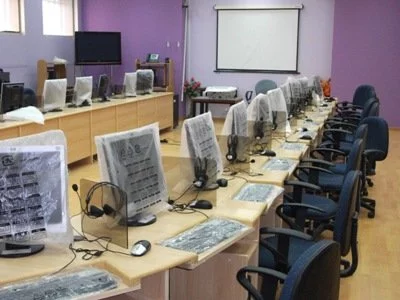
إن التوسع في المجالات الأكاديمية بالكلية يحتاج ولا شك توسعات في المنشآت التي تستوعب الأعداد المتزايدة للطلاب التي وصلت إلى اثني عشر ألفا في السنوات الأخيرة. وهذا التوسع سيشمل إن شاء الله تعالى القاعات والمعامل وغيرها من الإمكانيات والتجهيزات المتطورة من أجهزة حاسوب وأجهزة قياس بحثية.

تتكون الكلية من أقسام: (قسم الهندسة المدنية- قسم الهندسة الميكانيكية والصناعية- قسم الهندسة الكهربائية والإلكترونية- قسم هندسة الحاسب- قسم هندسة العمارة والتخطيط ٌ العمراني- قسم هندسة النفط- قسم الهندسة الكيميائية- قسم الهندسة الجيولوجية- قسم هندسة التعدين- قسم هندسة الطيران- قسم الهندسة البحرية وعمارة السفن- قسم الهندسة النوويةٌ- قسم هندسة المواد والمعادن- قسم الإدارة الهندسية "دراسات عليا فقط").

وتمارس هذه الأقسام مهامها العلمية التخصصية وفق القوانين واللوائح والقرارات ذات العلاقة والتي تشمل في مجملها:

  • الإشراف الأكاديمي على الطلاب المتمثل في التسجيل والتدريس والتقييم.
  • متابعة برامج البحوث والتأليف والترجمة.
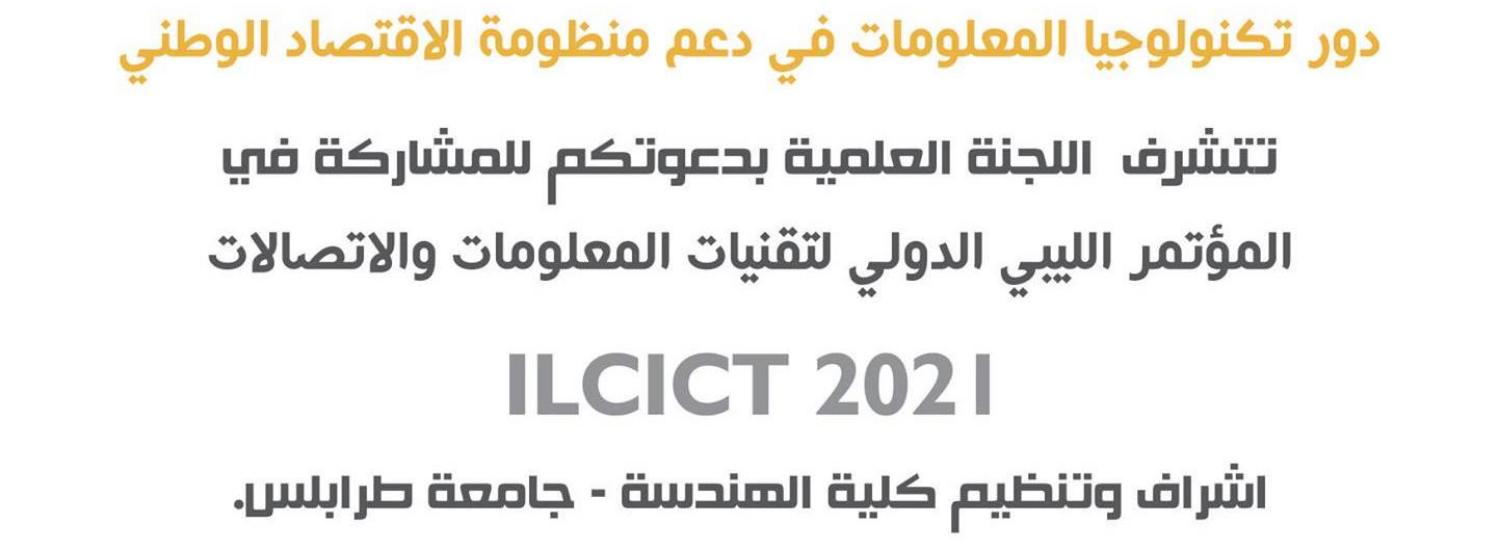
  • القيام بإعداد وعقد المؤتمرات والندوات العلمية المتخصصة.
  • إعداد ومراجعة المناهج الدراسية لمواكبة التقدم العلمي واحتياجات المجتمع.
  • تقديم المشورة العلمية التخصصية للمؤسسات الإنتاجية والخدمية بالمجتمع.
  • القيام بالدراسات العلمية والعملية في مجال البحث لحل مشاكل المجتمع ذات العلاقة.
  • المساهمة في وضع الخطط والمقترحات لتسيير العملية التعليمية بالكلية والأقسام.

حقائق حول كلية الهندسة

نفتخر بما نقدمه للمجتمع والعالم

278

المنشورات العلمية

326

هيئة التدريس

9723

الطلبة

558

الخريجون

البرامج الدراسية

بكالوريوس
تخصص هندسة التعدين

...

التفاصيل
بكاليوريوس هندسة الطيران
تخصص هندسة الطيران

...

التفاصيل
بكالوريوس هندسة جيولوجية
تخصص الهندسة الجيولوجية

يحتوي البرنامج الدراسي على 152 وحدة دراسية ...

التفاصيل

من يعمل بـكلية الهندسة

يوجد بـكلية الهندسة أكثر من 326 عضو هيئة تدريس

staff photo

أ.د. محمد صالح جمعة عون

محمد صالح عون هو احد أعضاء هيئة التدريس بقسم الهندسة الميكانيكية والصناعية بكلية الهندسة. يعمل السيد محمد صالح عون بجامعة طرابلس كـأستاذ منذ مايو 2019 وله العديد من المنشورات العلمية في مجال تخصصه

منشورات مختارة

بعض المنشورات التي تم نشرها في كلية الهندسة

Analysis of Grid Structures

Abstract Today computers play an integral part in the analysis and design of civil engineering structures. Hand calculation is limited to simple structures, and initial member sizing (either during the preliminary design or prior to computer analysis). The matrix theory of structural analysis first began appearing in the early 1950s. Since that time, the engineers were not familiar with this new concept, hence a relationship between the matrix structural analysis, and the classical methods arise but the structural engineers as designers still follow the classical methods of solution such as, Hardy Cross moment distribution, Kani's method and deflection distribution ,method (D. D method) , etc. Structures that were too complicated to solve by classical calculations can now be handled with comparative ease when using computers. The analysis of complicated systems, such as highly indeterminate structures like space structures, grids-shells, etc. often could be handled by making many simplifying assumptions, to such extent, that in many cases the validity of the results had to be questioned. The use of computer techniques has broadened the scope of what the engineer can now handle in a reasonable time, and at a reasonable cost. Structures such as canopies, floor systems, and bridge deck systems. Are known as Grid structures. The members of a grid structure in general are subject to torsion as well as to shear and bending. Since the external loads are normal to the plane of the structure, the axial deformations are negligible. Consequently, a free joint in a grid is subject to a linear displacement perpendicular to the plane of the structure and to a rotation in the plane of the structure. It must be realized that the; use of so called matrix algebra methods and principles and methods of analysis, systematic matrix techniques have been now developed into recognized methods.
عمر على عودة (2009)
Publisher's website

Calculating the Efficiency of Steam Boilers Based on Its Most Effecting Factors: A Case Study

This paper is concerned with calculating boiler efficiency as one of the most important types of performance measurements in any steam power plant. That has a key role in determining the overall effectiveness of the whole system within the power station. For this calculation, a Visual-Basic program was developed, and a steam power plant known as El-Khmus power plant, Libya was selected as a case study. The calculation of the boiler efficiency was applied by using heating balance method. The findings showed how the maximum heat energy which produced from the boiler increases the boiler efficiency through increasing the temperature of the feed water, and decreasing the exhaust temperature along with humidity levels of the of fuel used within the boiler. arabic 15 English 78
Rajab HOKOMA, Nabil M. Muhaisen(1-2012)
Publisher's website

Approximations of Geomechanical Parameters and In-Situ Testing From Standard Penetration Test Results Correlation Study

Abstract Measurements of in-situ data for geomechanical parameters are very essential part of geotechnical engineering design, but the time and the budgets are major issues, The design engineer must make critical decisions at several steps throughout the design stages to obtain the most reliable and realistic soil and rock property information. Because of that, the empirical equations are increased in use during the early stages of engineering design work. In any geotechnical investigations, most probably, will be involved in using Standard Penetration Test (SPT). It is a very popular test among geotechnical engineers. Therefore, it will be economically very useful if the results of SPT as N-values could be used to calculate the other geomechanical parameters. The sites of investigation are the Zawia Combined Cycle Power Plant, West Mountain Power Plant at Rowies, Tripoli and Tunisa. The data were collected from 13 boreholes, and more than 160 points. Which gave wide reliable results. Field investigations include Cross-Hole, Down-Hole seismic techniques, Standard Penetration Test SPT, Cone Penetration Test CPT and pressuremeter test PMT. The variation of seismic waves velocity (Vs & Vp) and dynamic modulus (shear modulus, young modulus, and bulk modulus) of sand and weak rock were studied and some correlations were developed. Also the effects of depth on the correlations were investigated. The correlations compared with previous relationships. The results showed that the power function provides the best fit for correlation between seismic wave’s velocity and dynamic modulus data with SPT N-value. The correlation coefficient (r) range 0.77-0.54 for sand and for weak rock. Range is 0.82-0.58. The multiple power regression analysis enhanced the correlation coefficient of sand and weak rock to ranges 0.82-0.58 and 0.97-0.92 respectively. These results are higher than the previous results. A single value of geotechnical parameters is very difficult to determine because the properties of material vary from point to point in the way that, it depends on a set of conditions so geotechnical parameters (seismic waves velocity and dynamic modulus) were determined between an upper and lower limits. The results of statistical analysis of relationship between SPT N-value and Cone Penetration Test (tip resistance qc) for all available data show that a linear regression with zero intercept as best fit correlation. of r=0.77. This result is equivalent to previous work. The logarithmic regression gave the best fit for the correlation analysis between the pressuremeter modulus EPMT and N value by r=0.81. The relationship between the limit pressure PL and N value was shown that, the linear regression was the best fit. The best-fit regression indicated a logarithmic relationship between the pressuremeter modulus (EPMT) and limit pressure (PL), with r=0.81 and 0.66 respectively.
ملاك عبد اللطيف ابوعرقوب (2010)
Publisher's website

المجلات العلمية

بعض المجلات العلمية التي تصدر عن كلية الهندسة