
كلية الهندسة

المزيد ...

حول كلية الهندسة

أنشئت كلية الهندسة جامعة طرابلس سنة 1961م باسم كلية الدراسات الفنية العليا وذلك ضمن برنامج التعاون العلمي والتقني مع منظمة الأمم المتحدة للتربية والعلوم والثقافة اليونسكو، وكانت بذلك أول كلية هندسية بليبيا، وفي سنة 1967م، انضمت إلى الجامعة الليبية آنذاك تحت اسم كلية الهندسة، وفي سنة 1972م تم تأسيس كلية هندسة النفط التي كونت مع كلية الهندسة وكلية العلوم جامعة طرابلس سنة 1973م، وقد أضيفت سنة 1978م كلية الهندسة النووية والإلكترونية، وفي سنة 1985م تم دمج كلية هندسة النفط مع كلية الهندسة في إطار ربط الكليات والمعاهد العليا بالمراكز البحثية الهندسية، وقد تم دمج الهندسة النووية والإلكترونية مع كلية الهندسة سنة 1988م.

وبقدر ما تمتاز به كلية الهندسة من دور ريادي خلال مسيرتها العلمية هذه فأن دورها يزداد أهمية وذلك تمشياً مع التطور التقني وخاصة في مجالات هندسة الاتصالات والمعلوماتية والمواد الجديدة وتطبيقاتها والطاقة الدائمة والمتجددة والأساليب الحديثة في الإنشاء والعمارة ومالها من تأثيرات بيئية، واستجابة لهذا التطور فأن كلية الهندسة عمدت إلى تغيرات في مناهجها  التعليمية والهيكلية الأكاديمية بأن تطورت من كلية بأربعة أقسام منذ نشأتها حتى أصبحت تجمع عدد ثلاثة عشر قسماً وذلك تلبية لرغبات ومتطلبات المجتمع الليبي ومحققة لأهدافه وتطلعاته في التقدم، وتوافقاً لذلك فأن نظام الدراسة في الكلية تطور من نظام السنة الدراسية إلى نظام الفصل بمقررات فصلية.

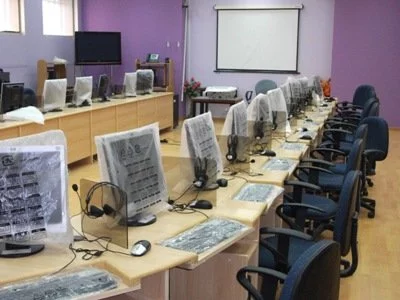
إن التوسع في المجالات الأكاديمية بالكلية يحتاج ولا شك توسعات في المنشآت التي تستوعب الأعداد المتزايدة للطلاب التي وصلت إلى اثني عشر ألفا في السنوات الأخيرة. وهذا التوسع سيشمل إن شاء الله تعالى القاعات والمعامل وغيرها من الإمكانيات والتجهيزات المتطورة من أجهزة حاسوب وأجهزة قياس بحثية.

تتكون الكلية من أقسام: (قسم الهندسة المدنية- قسم الهندسة الميكانيكية والصناعية- قسم الهندسة الكهربائية والإلكترونية- قسم هندسة الحاسب- قسم هندسة العمارة والتخطيط ٌ العمراني- قسم هندسة النفط- قسم الهندسة الكيميائية- قسم الهندسة الجيولوجية- قسم هندسة التعدين- قسم هندسة الطيران- قسم الهندسة البحرية وعمارة السفن- قسم الهندسة النوويةٌ- قسم هندسة المواد والمعادن- قسم الإدارة الهندسية "دراسات عليا فقط").

وتمارس هذه الأقسام مهامها العلمية التخصصية وفق القوانين واللوائح والقرارات ذات العلاقة والتي تشمل في مجملها:

  • الإشراف الأكاديمي على الطلاب المتمثل في التسجيل والتدريس والتقييم.
  • متابعة برامج البحوث والتأليف والترجمة.
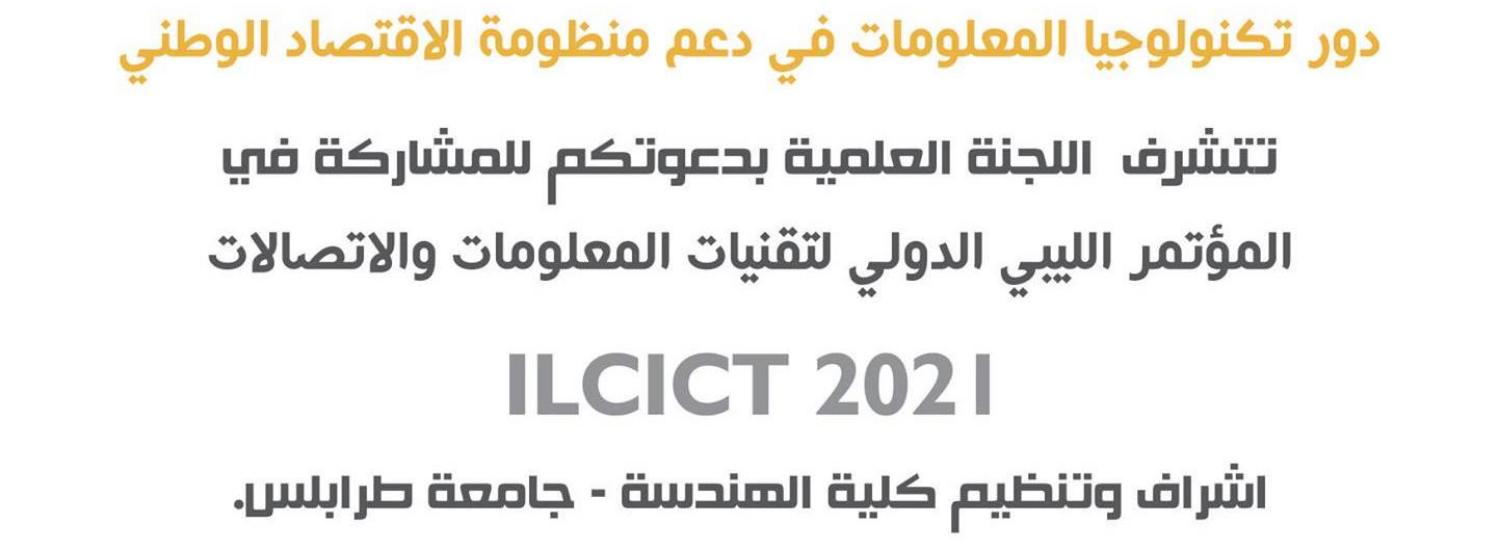
  • القيام بإعداد وعقد المؤتمرات والندوات العلمية المتخصصة.
  • إعداد ومراجعة المناهج الدراسية لمواكبة التقدم العلمي واحتياجات المجتمع.
  • تقديم المشورة العلمية التخصصية للمؤسسات الإنتاجية والخدمية بالمجتمع.
  • القيام بالدراسات العلمية والعملية في مجال البحث لحل مشاكل المجتمع ذات العلاقة.
  • المساهمة في وضع الخطط والمقترحات لتسيير العملية التعليمية بالكلية والأقسام.

حقائق حول كلية الهندسة

نفتخر بما نقدمه للمجتمع والعالم

278

المنشورات العلمية

326

هيئة التدريس

9723

الطلبة

558

الخريجون

البرامج الدراسية

بكالوريوس هندسة جيولوجية
تخصص الهندسة الجيولوجية

يحتوي البرنامج الدراسي على 152 وحدة دراسية ...

التفاصيل
ماجستير هندسة الطيران
تخصص هندسة الطيران

...

التفاصيل
بكاليوريوس هندسة الطيران
تخصص هندسة الطيران

...

التفاصيل

من يعمل بـكلية الهندسة

يوجد بـكلية الهندسة أكثر من 326 عضو هيئة تدريس

staff photo

أ.د. اسماعيل محمد عاشور اللبيب

إسماعيل اللبيب هو احد أعضاء هيئة التدريس بقسم هندسة الحاسوب بكلية الهندسة. يعمل السيد إسماعيل اللبيب بجامعة طرابلس كـأستاذ منذ 2018 وله العديد من المنشورات العلمية في مجال تخصصه . يستمد فلسفته التدريسية والبحثية من تجاربه كطالب دراسات عليا ومساعد تدريس في جامعتي طرابلس وواترلوا ، وكأستاذ في جامعة طرابلس أيضًا. لقد قام بتدريس العديد من المواد الدراسية في مجال هندسة الحاسب في المرحلة الجامعية والدراسات العليا.

منشورات مختارة

بعض المنشورات التي تم نشرها في كلية الهندسة

دراسة هيدرولوجية لحوض وادي الزغادنة

Abstract this study aims to investigate the hydrological cycle at wadi Zaghadnah basin in Tarhuna in terms of (rainfall-surface run-off-evaporation-infiltration) and estimation of the quantity of surface water , and to predict the maximum flood can happen in order to reduce hazardous to houses and farms that are found on my profile of the valley was the use of a series of years of readings rainfall and results have indicated to the fact that annual average rainfall was (238) mm, via using (Isohyetal method).The quantity of water which is supposed to be reserved in the dam was (1.94) million cubic meters. As for rain test, it was found that it is random and non-coherent. Having studied rain-wave relation through application of modelprediction statistical, it was deduced that it is not reliable to depend-upon in forecasting the expected rain. Results have indicated that total evaporation average to (2324.5)mm via using (CROPWAT) and average annual infiltration is (2065.17)mm, and post application of some statistic equations like probability log-Pearson Type ׀׀׀distribution and Gumbels distribution-plotting (25-50-100-1000), maximum possible amount (via using the aforesaid three methods) was found, but due to silt and likely erosion of soils as a result of flooding, silt amounts in Dom lake was estimated by using calculative equations was (5622)m³/year.
عيادة محمد ميلاد اليونسى (2012)
Publisher's website

Sedimentological and Petrophysical Characterization of Nubian Sandstone; of the Sarir Field, Sirte Basin

Abstract The Nubian Sandstone of Lawer Cretaceous Formation is located in Sarir Oil Field, in the Southeastern Sirte Basin in Libya. After conductiog 300 point counts on 24 thin sections from C4 -65&C3 -65. The deposition environment and diagenesis that affected the variability of porosity and permeability within a given lithologic unit. I found the Nubian Sandstone bodies of Sarir-C-North can also be divided on the basis of grian size and sedimentary structure into type: - 1) medium to coarse- grained sandstone 2) very fine grains sandstone. Association in the former lithologic, the siltstone and silty sandstone are grey and usually laminated; while in the latter they form white-grey or reddish siltstone and shaly siltstone beds, commonly intensively burrowed, and locally contain fragments of coal. A different depositional environment deposited each lithology. The Nubian Sandstone is interpreted to include several lithofacies deposited in fluvial environment. It informal these facies controlled both the primary porosity and diagenetic events. Peterophysical properties of formation under study were determined using different well logs. Porosities are calculated using sonic, neutron, and density logs. It is clear that the primary porosity in (well C3 -65) of formation represents dominant one and the secondary is (well C4- 65) of rare.
ليلي المبروك (2008)
Publisher's website

Studying of Naturally Occurring Radioactive Materials (NORM) in Oilfield (A/100) South East of Libya

The huge volume of Naturally Occurring Radioactive Materials (NORM) wastes produced annually by the oil and gas industry in Libya deserves the attention of the national environmental protection authority, radioactive waste management and regulatory bodies. An investigation was carried out to find out the concentration of (NORMs) in evaporation ponds sludge in south eastern oilfield (A/100) of Libya. Twenty soil samples were collected from five evaporation ponds sludge. Activity concentrations of 226Ra, 232Th and 40K in soil generated during oil production operations were determined using a gamma spectroscopy system based on High Purity Germanium (HPGe) detector. Concentrations ranged from 83 to 1000 Bq kg–1 for 226Ra, 59 to 315 Bq kg–1 for 232Th and 109 to 304 Bq kg–1 for 40K. To evaluate the radiological effects, radium equivalent activity and external hazard are calculated. The magnitude of these results demonstrates the need of screening oil residues for their radionuclide content in order to decide about possibility of minimize the environmental impact of NORM and their final disposal. Disposal of NORM waste has to be in accordance with national regulations, environmental policy and international agreements and conventions. The researchers recommend limits for clearance and disposal, based on best international practice. arabic 18 English 82
Usama Elghawi (1-2021)
Publisher's website

المجلات العلمية

بعض المجلات العلمية التي تصدر عن كلية الهندسة