
كلية الهندسة

المزيد ...

حول كلية الهندسة

أنشئت كلية الهندسة جامعة طرابلس سنة 1961م باسم كلية الدراسات الفنية العليا وذلك ضمن برنامج التعاون العلمي والتقني مع منظمة الأمم المتحدة للتربية والعلوم والثقافة اليونسكو، وكانت بذلك أول كلية هندسية بليبيا، وفي سنة 1967م، انضمت إلى الجامعة الليبية آنذاك تحت اسم كلية الهندسة، وفي سنة 1972م تم تأسيس كلية هندسة النفط التي كونت مع كلية الهندسة وكلية العلوم جامعة طرابلس سنة 1973م، وقد أضيفت سنة 1978م كلية الهندسة النووية والإلكترونية، وفي سنة 1985م تم دمج كلية هندسة النفط مع كلية الهندسة في إطار ربط الكليات والمعاهد العليا بالمراكز البحثية الهندسية، وقد تم دمج الهندسة النووية والإلكترونية مع كلية الهندسة سنة 1988م.

وبقدر ما تمتاز به كلية الهندسة من دور ريادي خلال مسيرتها العلمية هذه فأن دورها يزداد أهمية وذلك تمشياً مع التطور التقني وخاصة في مجالات هندسة الاتصالات والمعلوماتية والمواد الجديدة وتطبيقاتها والطاقة الدائمة والمتجددة والأساليب الحديثة في الإنشاء والعمارة ومالها من تأثيرات بيئية، واستجابة لهذا التطور فأن كلية الهندسة عمدت إلى تغيرات في مناهجها  التعليمية والهيكلية الأكاديمية بأن تطورت من كلية بأربعة أقسام منذ نشأتها حتى أصبحت تجمع عدد ثلاثة عشر قسماً وذلك تلبية لرغبات ومتطلبات المجتمع الليبي ومحققة لأهدافه وتطلعاته في التقدم، وتوافقاً لذلك فأن نظام الدراسة في الكلية تطور من نظام السنة الدراسية إلى نظام الفصل بمقررات فصلية.

إن التوسع في المجالات الأكاديمية بالكلية يحتاج ولا شك توسعات في المنشآت التي تستوعب الأعداد المتزايدة للطلاب التي وصلت إلى اثني عشر ألفا في السنوات الأخيرة. وهذا التوسع سيشمل إن شاء الله تعالى القاعات والمعامل وغيرها من الإمكانيات والتجهيزات المتطورة من أجهزة حاسوب وأجهزة قياس بحثية.

تتكون الكلية من أقسام: (قسم الهندسة المدنية- قسم الهندسة الميكانيكية والصناعية- قسم الهندسة الكهربائية والإلكترونية- قسم هندسة الحاسب- قسم هندسة العمارة والتخطيط ٌ العمراني- قسم هندسة النفط- قسم الهندسة الكيميائية- قسم الهندسة الجيولوجية- قسم هندسة التعدين- قسم هندسة الطيران- قسم الهندسة البحرية وعمارة السفن- قسم الهندسة النوويةٌ- قسم هندسة المواد والمعادن- قسم الإدارة الهندسية "دراسات عليا فقط").

وتمارس هذه الأقسام مهامها العلمية التخصصية وفق القوانين واللوائح والقرارات ذات العلاقة والتي تشمل في مجملها:

  • الإشراف الأكاديمي على الطلاب المتمثل في التسجيل والتدريس والتقييم.
  • متابعة برامج البحوث والتأليف والترجمة.
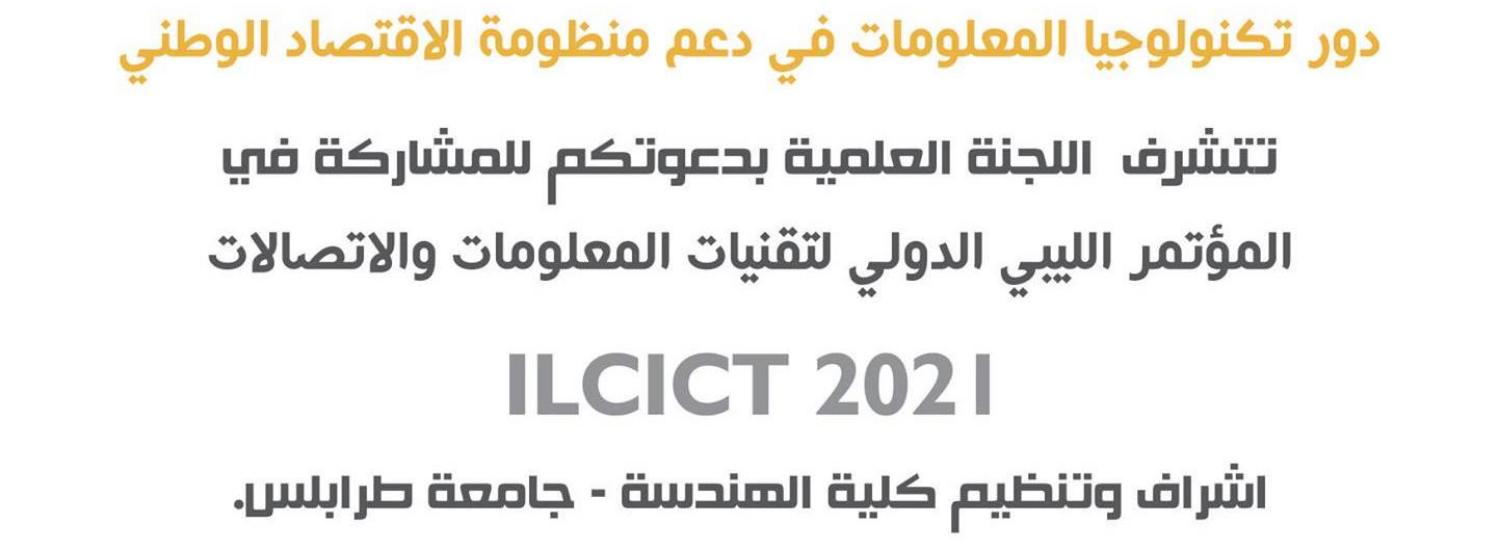
  • القيام بإعداد وعقد المؤتمرات والندوات العلمية المتخصصة.
  • إعداد ومراجعة المناهج الدراسية لمواكبة التقدم العلمي واحتياجات المجتمع.
  • تقديم المشورة العلمية التخصصية للمؤسسات الإنتاجية والخدمية بالمجتمع.
  • القيام بالدراسات العلمية والعملية في مجال البحث لحل مشاكل المجتمع ذات العلاقة.
  • المساهمة في وضع الخطط والمقترحات لتسيير العملية التعليمية بالكلية والأقسام.

حقائق حول كلية الهندسة

نفتخر بما نقدمه للمجتمع والعالم

278

المنشورات العلمية

326

هيئة التدريس

9723

الطلبة

558

الخريجون

البرامج الدراسية

بكالوريوس في هندسة التحكم و الأتمتة
تخصص هندسة التحكم و الأتمتة

...

التفاصيل
بكالوريوس هندسة جيولوجية
تخصص الهندسة الجيولوجية

يحتوي البرنامج الدراسي على 152 وحدة دراسية ...

التفاصيل
بكاليوريوس هندسة الطيران
تخصص هندسة الطيران

...

التفاصيل

من يعمل بـكلية الهندسة

يوجد بـكلية الهندسة أكثر من 326 عضو هيئة تدريس

staff photo

د. سامي إبراهيم أحمد البكباك

سامي البكباك هو احد اعضاء هيئة التدريس بقسم هندسة الحاسوب بكلية الهندسة. يعمل السيد سامي البكباك بجامعة طرابلس كـاستاذ مساعد منذ 1997-09-11 وله العديد من المنشورات العلمية في مجال تخصصه

منشورات مختارة

بعض المنشورات التي تم نشرها في كلية الهندسة

Design of two-spar wing of an aircraft for minimum weight

not exist
Saleh R. Abdussalam Gashoot, T.S. Patel(9-1983)
Publisher's website

The Kinetic of Matrix Acidizing in Reservoir Rocks

Abstract Matrix acidizing is a stimulation method commonly used to remove near wellbore damage and restore original formation permeability. It involves the injection of acid into formations at pressures below the fracture pressure. Acid flows down the well into the reservoir, and then reacts with the rock such that any near wellbore permeability damage created by meling or completion fluids can be removed and apparent permeability increased. A matrix acidizing treatment can be' applied to either a sandstone or a carbonate reservoir. Different acids are used because different minerals are involved in these treatments. Hydrochloric acid (HCI) is usually used in carbonate reservoirs to react with carbonates. Hydrofluoric acid (HF) or mixture of Hydrofluoric acid (HF) with Hydrochloric acid (HCI) is commonly used in sandstone porous media to react with silicates and feldspars in the rock. Since the mechanisms of acid reactions with these two types of rock are different, results of the treatments are different as well. In sandstone matrix acidizing, permeability increase behind the acid front is relatively homogeneous. The flow and reaction of acid in carbonate porous media results in the formation of highly conductive flow channels, commonly referred to as wormholes. In the present work we have studies the first study to test the optimal acid flux theory presented by Wang (1) with several independent sets of experimental data. The model was comparing with field data. The second study we use model presented by McCune and Fogler.(2) This previous studies on mathematical modeling of the chemical reactions between sandstone and mud acid. This model is lumped-parameter model. The lumped-parameter model simplifies the chemistry of the dissolution of sandstone minerals with mud acid. The models are compared with the experimental data at different flow rates.
عبد ربه ادريس بوسدرة (2010)
Publisher's website

Epic Contractors Selection Using AHP (Analytical Hierarchy Process)

This research aims to build a model application of decision-making tools to solve problems associated with the contractor selection for Engineering, procurement and Construction (EPC) projects in the Oil and Gas sector. Taking into consideration the complexity of Oil & Gas projects in terms of technical, safety and environmental aspects, it is critical to choose a competent contractor to build quality plants as per scope specifications and within the specified time and budget. This study also covers problems associated with contractor short listing without proper contractors screening and pre qualifications activities, this might result in low cost bidding from non-competent bidders. Because current local tendering practices favors lowest price regardless of quality, this resulted in enormous problems when executing Oil & Gas projects such as projects failures and delays coupled with the absence of interest in our local market from reputed international EPC contractors. Because contractors screening and bid slate selection is a complex exercise that requires large amount of contractors data gathering and the associated analysis to achieve the required bidders short listing. Therefore, a model for contractors screening and selection was developed in this study where each contractor data base are gathered and analyzed. Such data includes discipline, previous activities, financial exposure, geographical locations, works backlogs and engineering capabilities. The Model called Analytical Hierarchy Process (AHP) was designed to improve contractor selection process based on established criteria. In this regard, 48 criteria and categories (mainly contractor capabilities financial, management, technical, resources etc.) were identified. They were mainly drawn from literature reviews, the author previous experience, lessons learned from past projects and NOC’s & IOC’s experience. The 48 categories, and based on subsequent meetings and discussions with several respected local Oil & Gas projects expertise, were divided based on relative importance to contractor selection process into two parts, Primary (7 categories) and Secondary (remaining categories). AHP is a compensatory decision methodology because alternatives that are deficient with respect to one or more objectives can compensate by their performance with respect to other objectives. AHP allows for the application of data, experience insight, and intuition in a logical and thorough way and enabling decision-makers to structure complexity and exercise judgment and allows them to incorporate both Goal Objectives (criteria), Sub-Objectives Alternatives objective and subjective considerations in the decision process. AHP enables decision-makers to derive ratio scale priorities or weights as opposed to arbitrarily assigning them. In so doing, in this research, (MS Excel) was used in addition to (Expert Choice), one of the prepackaged software that was utilized to study the sensitivity of the results and a case study of selecting a contractor. The AHP model is flexible and user friendly and can be applied at different stages of contractor selection process. In addition it can be utilized as a decision-making for a working group by analyzing the inputs of the working group members and highlighting deviations, biases, results and advising corrections. Utilizing AHP model encourages and promotes contracting good practice of national companies and institutions and enhances the decision-making capabilities and provides for a fair guidance while contracting for major Oil & Gas projects in Libya.
حسن محمد الشاوش (2009)
Publisher's website

المجلات العلمية

بعض المجلات العلمية التي تصدر عن كلية الهندسة