كلية الهندسة

المزيد ...

حول كلية الهندسة

أنشئت كلية الهندسة جامعة طرابلس سنة 1961م باسم كلية الدراسات الفنية العليا وذلك ضمن برنامج التعاون العلمي والتقني مع منظمة الأمم المتحدة للتربية والعلوم والثقافة اليونسكو، وكانت بذلك أول كلية هندسية بليبيا، وفي سنة 1967م، انضمت إلى الجامعة الليبية آنذاك تحت اسم كلية الهندسة، وفي سنة 1972م تم تأسيس كلية هندسة النفط التي كونت مع كلية الهندسة وكلية العلوم جامعة طرابلس سنة 1973م، وقد أضيفت سنة 1978م كلية الهندسة النووية والإلكترونية، وفي سنة 1985م تم دمج كلية هندسة النفط مع كلية الهندسة في إطار ربط الكليات والمعاهد العليا بالمراكز البحثية الهندسية، وقد تم دمج الهندسة النووية والإلكترونية مع كلية الهندسة سنة 1988م.

وبقدر ما تمتاز به كلية الهندسة من دور ريادي خلال مسيرتها العلمية هذه فأن دورها يزداد أهمية وذلك تمشياً مع التطور التقني وخاصة في مجالات هندسة الاتصالات والمعلوماتية والمواد الجديدة وتطبيقاتها والطاقة الدائمة والمتجددة والأساليب الحديثة في الإنشاء والعمارة ومالها من تأثيرات بيئية، واستجابة لهذا التطور فأن كلية الهندسة عمدت إلى تغيرات في مناهجها  التعليمية والهيكلية الأكاديمية بأن تطورت من كلية بأربعة أقسام منذ نشأتها حتى أصبحت تجمع عدد ثلاثة عشر قسماً وذلك تلبية لرغبات ومتطلبات المجتمع الليبي ومحققة لأهدافه وتطلعاته في التقدم، وتوافقاً لذلك فأن نظام الدراسة في الكلية تطور من نظام السنة الدراسية إلى نظام الفصل بمقررات فصلية.

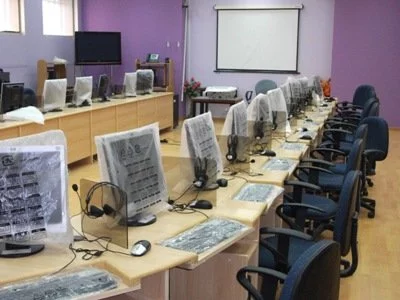
إن التوسع في المجالات الأكاديمية بالكلية يحتاج ولا شك توسعات في المنشآت التي تستوعب الأعداد المتزايدة للطلاب التي وصلت إلى اثني عشر ألفا في السنوات الأخيرة. وهذا التوسع سيشمل إن شاء الله تعالى القاعات والمعامل وغيرها من الإمكانيات والتجهيزات المتطورة من أجهزة حاسوب وأجهزة قياس بحثية.

تتكون الكلية من أقسام: (قسم الهندسة المدنية- قسم الهندسة الميكانيكية والصناعية- قسم الهندسة الكهربائية والإلكترونية- قسم هندسة الحاسب- قسم هندسة العمارة والتخطيط ٌ العمراني- قسم هندسة النفط- قسم الهندسة الكيميائية- قسم الهندسة الجيولوجية- قسم هندسة التعدين- قسم هندسة الطيران- قسم الهندسة البحرية وعمارة السفن- قسم الهندسة النوويةٌ- قسم هندسة المواد والمعادن- قسم الإدارة الهندسية "دراسات عليا فقط").

وتمارس هذه الأقسام مهامها العلمية التخصصية وفق القوانين واللوائح والقرارات ذات العلاقة والتي تشمل في مجملها:

  • الإشراف الأكاديمي على الطلاب المتمثل في التسجيل والتدريس والتقييم.
  • متابعة برامج البحوث والتأليف والترجمة.
  • القيام بإعداد وعقد المؤتمرات والندوات العلمية المتخصصة.
  • إعداد ومراجعة المناهج الدراسية لمواكبة التقدم العلمي واحتياجات المجتمع.
  • تقديم المشورة العلمية التخصصية للمؤسسات الإنتاجية والخدمية بالمجتمع.
  • القيام بالدراسات العلمية والعملية في مجال البحث لحل مشاكل المجتمع ذات العلاقة.
  • المساهمة في وضع الخطط والمقترحات لتسيير العملية التعليمية بالكلية والأقسام.

حقائق حول كلية الهندسة

نفتخر بما نقدمه للمجتمع والعالم

278

المنشورات العلمية

326

هيئة التدريس

9723

الطلبة

558

الخريجون

البرامج الدراسية

ماجستير هندسة الطيران
تخصص هندسة الطيران

...

التفاصيل
الماجستير في الهندسة
تخصص هندسة النفط

يرجع تاريخ تأسيس برنامج الدراسات العليابقسم هندسة النفط إلى الفصل الدراسي ربيع 1992م؛...

التفاصيل
بكالوريوس
تخصص هندسة التعدين

...

التفاصيل

من يعمل بـكلية الهندسة

يوجد بـكلية الهندسة أكثر من 326 عضو هيئة تدريس

staff photo

أ.د. المبروك عبدالقادر علي السنوسي

المبروك السنوسي هو احد اعضاء هيئة التدريس بقسم الهندسة المدنية بكلية الهندسة. يعمل السيد المبروك السنوسي بجامعة طرابلس كـأستاذ منذ 2017-09-18 وله العديد من المنشورات العلمية في مجال تخصصه

منشورات مختارة

بعض المنشورات التي تم نشرها في كلية الهندسة

Helmholtz resonator analysis

Abstract The contribution of this thesis is to improve the understanding of acoustic dynamics in the audio duct with Helmholtz Resonator (HR). In this project, detail measurements of acoustic in a duct with HR induced loud–speaker at various frequencies have been carried out experimentally. Two-microphone technique have been used to measure the net acoustic power transmission in the duct downstream of HR along with the net acoustic power transmission in the duct without the HR. The acoustic wave signals are traveling in the duct as a plane wave, these waves are generated by a signal generator system with a know wave (sine wave). One of the microphone is located just before the neck–duct interface and the other microphone after the HR in the duct. Five type of necks ( perforated neck length 15cm, perforated neck length 10cm, cone–shape neck, Non- perforated neck length 15cm, Non-perforated neck length 10cm ) and three different material of the bottom wall of the cavity ( Teflon, water and cotton ) have been studied. The best results has a good advantage that by using (perforated neck length 15 cm and 4cm diameter because that reduction of noise has been reached 64% percentage and that value is the highest reduction from all experimenting.
إبراهيم فاضل عبد الحميد الزوي (2010)
Publisher's website

Simulation of Wet Gas Pipe LineUnder Steady & Transient Conditions

Abstract Natural gas has become an important source of energy in the world. Throughout the 19th century, natural gas was used almost exclusively as a source of light and its use remained localized because of lack of transport structures, making it difficult to transport large quantities of natural gas long distances. There was an important change in 1890 with the invention of leak-proof pipeline couplings, but transportation of natural gas to long distance customers did not become practical until the 1920s as a result of technological advances in pipelines. Moreover, it was only after World War II that the use of natural gas grew rapidly because of the development of pipeline networks and storage systems. Gas pipe lines are operated under steady state conditions. However, when transporting high temperature wet gas the gas getting cooled and heavy components condensate, Hence, pigs is usually are wanted to clean the pipe line to reduce pressure drop along the pipe In this study an existing pipeline was studied under steady and unsteady state. HYSYS and ProFES programs were utilized. Result show that gas temperature changes with time and distance. Results show that temperature and gas approach the ambient temperature at about 20 Km of pipe line length consequently, liquid phase volume fraction increase in first 20 Km of the pipe.
عدلي عمر احمد (2011)
Publisher's website

Manufacturing Quality Techniques For Training and Education and Their Possible Applications Within Libyan Institutions: A Case Study

Most of organizations (both national and international) have struggled with many difficulties during the past decades due to many problems, creating a negative impact on the productivity and utilization levels of many institutions around the globe, and within Libya in particular. This paper presents the current role, relevance, trends and challenges with respect of quality management applications in educational field within Libya as a case study. It outlines an overview of the current state of art to show how in the face of growing global competitiveness quality at the levels of knower, knowing and known elements of educational system using unified field of all the laws of nature, are deriving the benefits of the quality techniques. The paper also investigates the current implementation levels of Total Quality Management (TQM) as a philosophy for improving the quality levels within some academic and training institutions within Libya. A survey methodology has been applied in this research where some findings from interesting case studies are presented to show the benefits of successful TQM implementations originally developed for manufacturing industry. The paper has also pointed to areas where senior managers within the surveyed organizations should take immediate actions to achieve effective and successful TQM implementations, thereby improving their position in this competitive marketplace. arabic 17 English 115
Rajab Abdallah Abdulqader Hokoma(1-2015)
Publisher's website

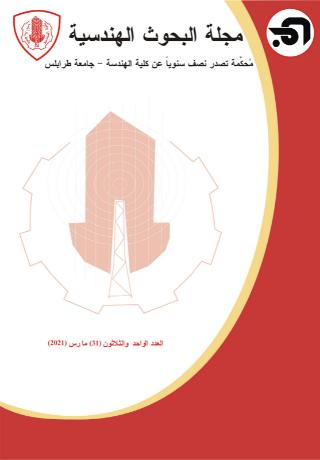
المجلات العلمية

بعض المجلات العلمية التي تصدر عن كلية الهندسة