
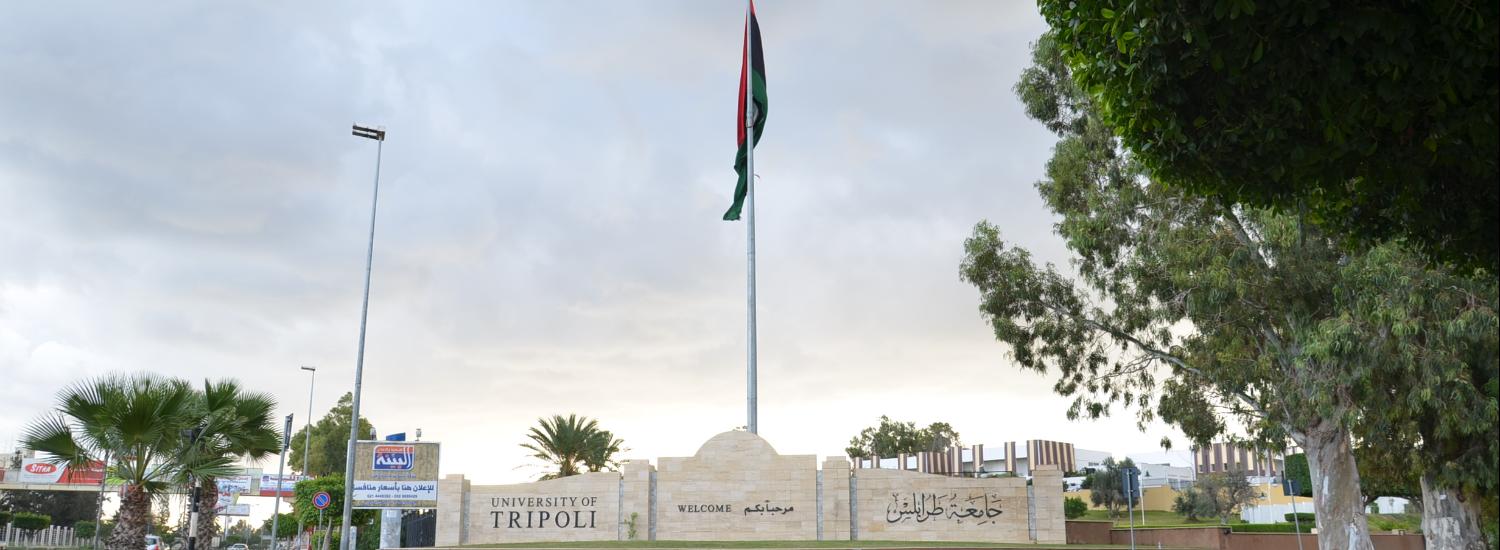
Department of Animal Production

More ...

About Department of Animal Production

Facts about Department of Animal Production

We are proud of what we offer to the world and the community

50

Publications

17

Academic Staff

19

Students

0

Graduates

Who works at the Department of Animal Production

Department of Animal Production has more than 17 academic staff members

staff photo

Mr. nasse Mhktar Mohamed Bahroun

ناصر مختار محمد بحرون - 0925181673 - بكالوريوس علوم زراعية تخصص أنتاج حيوانى سنـة 1994 م ، كليـة الزراعة ، جامعة طرابلس - دبلوم تخصصي فى الحاسب الالي سنة 1996 ، المعهد المهنى العالى لتقنيات الحاسوب - ماجستير فى العلوم زراعية تخصص الانتاج حيوانى سنة 2010 م بعنوان تأثير درجة الحرارة وفترة التخزين على جودة بيض المائدة.

Publications

Some of publications in Department of Animal Production

كثافة ألياف الصوف ونسبة الفقد في صوف الضأن البربري الليبي

مجلة العلوم الأساسية والتطبيقية 2004 كثافة ألياف الصوف ونسبة الفقد في صوف الضأن البربري الليبي عبدالكريم أحتاش الملخص أجريت هذه الدراسة على عدد 18 رأس من الضأن البربري الليبي التابع لمزرعة الأغنام بمحطة أبحاث كلية الزراعة. كان متوسط وزن الجزة الخام 2.34 ± 0.21 كجم، وكان متوسط وزن الجزة الخام أثقل في الذكور من الإناث (3.31 ± 0.73 كجم، 1.72 ± 0.13 كجم على التوالي). كان متوسط نسبة الفقد في الصوف 29.7 ±0.26 % ، وكان تأثير عامل الجنس غير معنوي على هذه الصفة، ويعزى انخفاض نسبة الفقد إلى إجراء عملية التغطيس قبل الجز. وكان متوسط عدد ألياف الصوف في وحدة المساحة للضأن البربري الليبي 651 ± 22.2 ليفة/سم2 ، حيث كان تاثير الجنس على هذه الصفة معنوياً ( (P< 0.05 ، فقد بلغ متوسط عدد ألياف الصوف في الذكور والإناث 761 ± 25.6 ليفة/سم2 و 629 ± 19.5 ليفة/سم2 على التوالي. arabic 105 English 0
عبدالكريم امحمد احمد احتاش(12-2004)
Publisher's website

استخدام المادة الوراثية المتعددة الشكل المكبرة عشوائياً بالتفاعل المتسلسل لأنزيم البلمرة RAPD-PCR لتحديد وتمييز سلالات الإبل في ليبيا ودراسة الاختلافات الوراثية بينها

أجريت هذه التجربة لدراسة التنوع الوراثي لثلاث مجاميع من الإبل اشتملت على ابل المنطقة الغربية وابل المنطقة الوسطى (ابل سرت) بالإضافة إلي الإبل الوافدة من السودان (الكبابيش) وذلك باستخدام تقنية RAPD واستعمل في الدراسة 50 بادئ عشوائي استطاع 10 منها أن يظهر حزم متعددة الشكل، كانت هذه البادئات كافية للتمييز بين سلالات الإبل تحت الدراسة، وتفاوتت هذه البادئات في عدد الحزم مختلفة الشكل والتي تراوح عددها بين 1 – 9 حزم بالإضافة إلي أن بعض البادئات لم ينتج عنها حزم (No PCR Products) مع بعض سلالات الإبل، كما استطاع البادئ OP A7 أن يميز بين ذكور وإناث سلالات الإبل تحت الدراسة حيث أعطى حزم لمعظم ذكور السلالات الثلاثة بينما لم يعطي نفس البادئ أي حزم مع إناث سلالات الإبل، كذلك استطاع البادئ OP N4 أن يميز بين إناث وذكور السلالة السودانية فقط حيث أعطى حزم لإناث السلالة السودانية بينما لم يعطي أي حزم مع أي فرد من ذكور نفس السلالة،كما أشارت نتائج هذه الدراسة إلي عدم وجود فروق معنوية بين السلالة الغربية والسلالة السرتاوية في حين أن السلالة السودانية أظهرت فروق معنوية مع السلالتين المحليتين، ومن خلال التحليل الشكل العنقودي نجد أن السلالة السرتاوية أكثر تبايناً وسجلت اكبر متوسط لمعامل نسبة الاختلاف بلغ 0.334 ± 0.0087 بينما السلالة الغربية كانت أكثر تجانساً من أي سلالة أخرى وسجلت أقل متوسط لمعامل نسبة الاختلاف بلغ 0.199±0.005 ، بالإضافة إلي أن أحد أفراد السلالة السرتاوية انضم إلي مجموعة الإبل الغربية كما يشير هذا التحليل إلي ضيق القاعدة الوراثية الموجودة بين سلالات الإبل المحلية المستخدمة في هذه الدراسة وبالتالي يجب العمل على توسيع هذه القاعدة من خلال إدخال تراكيب وراثية جديدة والتهجين مع سلالات أخرى. Abstract This study was conducted to investigate genetic variation between / within tow breeds of Libyan camels (Magrabi and Sertawi) and a third breed imported from Sudan (Kababish). RAPD technique with fifty random primers were used. ten primers produced polymorphic bands. These primers were enough to distinguish between the three camel breeds. Primers used in this study showed different polymorphic fragments of 1 – 9 bands, some of these primers didn't produce fragments in some breeds. Results indicated that primer OPA7 can be used to distinguish between males and females of camel breeds studied it produced bands in most of the males of the three breeds, and showed no bands in the females. OPN4 was capable to distinguish between males and females of the Sudanese breed.statistical analysis in this study indicated no significant difference between Magrabi and Sertawi local breeds, but revealed significant difference between these two local breeds and the Sudanese breed at (P< 0.001).endogram analysis revealed larger genetic variation among the Sertawi breed then Magrabi.Magrabi was more homogenous there the Sertawi and Sudanese breeds.This analysis indicated that among the Magrabi camel group there was one Sertawi female.This study concludes that genetic variation between local breeds was low and low, and that variation among the Libyan camel offers a chance for improvement through genetic selection of heritable traits.
وائل كمال العربي الفلاح (2006)
Publisher's website

Growth measures of Libyan goat breeds and their crosses

Egyptian Journal of Sheep and Goat Sciences, (2010) 5(1): 93-100 Growth measures of Libyan goat breeds and their crosses Hermas, S.A.; Ahtash, A.E. and Majid, A. This study was conducted at Bier-Alghanem Experiment Station, 80 km. south west Tripoli. The aim was to assess the growth traits of local breeds ; Mahali (M), Targhi (T), Tibawy (Tb); imported breeds; Cyprus Damascus (D) , Murciano Granadina (S), reciprocal crosses of Local Breeds and crosses of Mahali breed with imported breeds. Traits studied included birth weight (BW), weaning weight (WW), yearling weight (YW) and daily gain until weaning (DGW). Analysis of variance (SAS GLM) was used to analyse the data. The model included: year, type of birth, sex and breed or type of crossing where all managed as fixed effects. The results indicated significant effect of year,sex and type of birth (P< 0.05). Local breeds showed no significant differences in preweaning traits but post weaning traits were significantly different (P< 0.05). The reciprocal crosses of local breeds and those of Mahali with imported breeds showed differences indicating maternal and genetic and maternal effects. Large variation within the crosses indicated differences within each breed and that selection within pure breeds could improve the crosses. Key words: goat breeds, crossing, improvement. arabic 8 English 47
Hermas S.A., Abdulkarim E. Ahtash, Majid A. F.(10-2010)
Publisher's website