
قسم الطب الوقائي

المزيد ...

حول قسم الطب الوقائي

أ‌. علم سلوكيات ورعاية الحيوان:يهدف هذا المقرر إلى التعريف بأسس تربية ومعاملة الحيوانات ورعايتها مع تغطية كاملة لقواعد الرعاية الصحية والسلوكية المتعلقة بالفرد والقطيع.ب‌.علم الوراثة والأنسال:يهدف علم الوراثة والأنسال إلى التعريف بالقواعد الأساسية لعلم الوراثة وقوانينها للإستفادة منها في الرفع من الإنتاجية.ج‌. علم صحة وإدارة القطعان:يهدف هذا المقرر إلى التعريف بالبرامج المختلفة المتعلقة بصحة وإدارة القطعان الحيوانية.د‌. علم الوبائيات:يدرس الطالب في هذا المقرر العوامل المؤثرة على صحة القطعان الحيوانية ومسببات الأمراض وطرق انتشارها  وتركيب القطعان الحيوانية وأشكال حدوث الأمراض في القطعان الحيوانية وطرق التشخيص الوبائي إضافة إلى طرق قياس حدوث المرض في القطعان الحيوانية بهدف الوصول إلى فرضية تحديد مسببات المرض لكي يتم اختبار هذه الفرضية من خلال علم الوبائيات التحليلي والذي يتم من خلاله استخدام الدراسات التجريبية أو دراسات الملاحظة لتحديد العلاقة بين التعرض للمسبب المرضي وحدوث المرض، وفى هذا العلم يدرس الطالب المسوحات الوبائية والترصد الوبائي وعلم الوبائيات المصلي وهي المعلومات التي تستخدم من أجل التحكم في الوباء في حال حدوثه.هـ. علم الأمراض المشتركة:يدرس الطالب في هذا المقرر تصنيف الأمراض المشتركة وأهم أنواعها مع التركيز على وبائيتها وطرق مقاومتها على المستوى الوطني والعالمي مع التعريف بالمنظمات الدولية المختصة والأمراض الواجب التبليغ عنها حال اكتشافها محليا ودوليا.

حقائق حول قسم الطب الوقائي

نفتخر بما نقدمه للمجتمع والعالم

14

المنشورات العلمية

10

هيئة التدريس

من يعمل بـقسم الطب الوقائي

يوجد بـقسم الطب الوقائي أكثر من 10 عضو هيئة تدريس
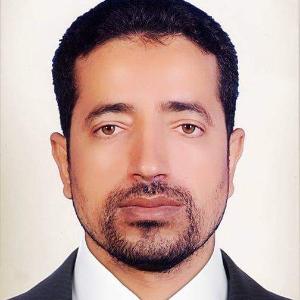
staff photo

د. عبد السلام الشارف عبدالسلام محمود

منشورات مختارة

بعض المنشورات التي تم نشرها في قسم الطب الوقائي

Genetic variants within the second intron of the KCNQ1 gene affect CTCF binding and confer a risk of Beckwith–Wiedemann syndrome upon maternal transmission.

Background Disruption of 11p15 imprinting results in two fetal growth disorders with opposite phenotypes: the Beckwith–Wiedemann (BWS; MIM 130650) and the Silver–Russell (SRS; MIM 180860) syndromes. DNA methylation defects account for 60% of BWS and SRS cases and, in most cases, occur without any identified mutation in a cis-acting regulatory sequence or a trans-acting factor. Methods We investigated whether 11p15 cis-acting sequence variants account for primary DNA methylation defects in patients with SRS and BWS with loss of DNA methylation at ICR1 and ICR2, respectively. Results We identified a 4.5 kb haplotype that, upon maternal transmission, is associated with a risk of ICR2 loss of DNA methylation in patients with BWS. This novel region is located within the second intron of the KCNQ1 gene, 170 kb upstream of the ICR2 imprinting centre and encompasses two CTCF binding sites. We showed that, within the 4.5 kb region, two SNPs (rs11823023 and rs179436) affect CTCF occupancy at DNA motifs flanking the CTCF 20 bp core motif. Conclusions This study shows that genetic variants confer a risk of DNA methylation defect with a parent-of-origin effect and highlights the crucial role of CTCF for the regulation of genomic imprinting of the CDKN1C/KCNQ1 domain. arabic 26 English 132
Julie Demars, Mansur Ennuri Moftah Shmela, Abdul Waheed Khan , Kai Syin Lee, Salah Azzi, Patrice Dehais, Irène Netchine, Sylvie Rossignol, Yves Le Bouc, Assam El-Osta, Christine Gicquel(7-2014)
Publisher's website

Patellar luxation in Hejazi goats

Background: Patellar luxation (PL) is a common orthopedic affection among farm and pet animals with mostly congenital (environmental and/or genetic) background. Aim: We report here the first observation of lateral PL in Hejazi goats bred in Libya. Methods: Five Hejazi goats aged between 4 months and 2 years with severe hind limb lameness were admitted to Al-Sorouh veterinary clinic in Tripoli during the period from 2016 to 2018. The goats were thoroughly examined clinically and radiographically. Two goats were surgically treated, and the other three cases were not because of either the cost limitation or expected poor prognosis. The surgical intervention involved femoral trochlear sulcoplasty, medial joint capsule imbrication, and tibial tuberosity transposition. Results: The clinical examination showed grade III–IV lateral PL. Radiologically, there were unilateral or bilateral, ventrocaudal, and dorsal PLs. Two cases were referred to surgical correction. One case almost restored the normal movement of stifle joint together with a good general status 1 year postsurgery. However, the surgical treatment was not effective in correcting the luxated patella in the second case. Conclusion: Lateral PL is common among orthopedic affections in Hejazi goats in Libya, and its surgical treatment provided a quite convenient approach. An association between inbreeding and the PL was suggested in those cases. arabic 4 English 29
Taher N. Elmeshreghi, Mansur Ennuri Moftah Shmela, Mouna Abdunnabi Abdunnabi Abdunnabi, Emad M R Bennour(6-2021)
Publisher's website

Blood profile in normal one humped dromedary (Camelus dromedarius) camel breeds in Libya. Part 1: Determination of biochemical and haematological blood profile

As little is known about the blood profile of camels in Libya, this article is the first of a 4-part series describing the biochemical and haematological blood profile in Libyan camels. Part 1 of these manuscripts determines the values of enzymes, metabolites, electrolytes and haematological indices in the blood of Libyan camels, parts 2-4 evaluates the effects of breed, gender and age respectively on these values. In this study, blood samples were collected from sixty six camels of three different breeds, different ages and with both sex. The blood of the studied camels showed (i) average values of Potassium (K), Calcium (Ca), Magnesium (Mg), Phosphorus (Ph), Haemoglobin (Hb), Packed Cell Volume (PCV) and White Blood Cell (WBC) counts (ii) low values of Sodium (Na), Iron (Fe), total proteins, albumin, globulin, creatinine, cholesterol, triglycerides, Mean Corpuscular Volume (MCV), Mean Corpuscular Haemoglobin (MCH), and low serum activity of aspartate aminotransferase (AST), alanine aminotransferase (ALT), lactate dehydrogenase (LDH), alkaline phosphatase (ALP), gamma glutamyl transferase (GGT) and amylase (AMS) enzymes and (iii) high values of glucose, urea, Red Blood Cell (RBC) counts, Erythrocyte Sedimentation Rate (ESR) and Mean Corpuscular Haemoglobin Concentration (MCHC). The finding of this study was documented and compared with the findings of similar studies performed elsewhere. arabic 25 English 134
Anwar Mustafa Abdalhadi Abdalmula, Amal Omar Elarif Buker, Fathia mahmoud Mohammad Ashour, Mansur Ennuri Moftah Shmela, , Ismail M Abograra, , Fahima A Alnagar(8-2018)
Publisher's website