كلية اللغات

المزيد ...

حول كلية اللغات

في العام الدراسي 1987/1986م تأسست كلية اللغات تحت اسم مركز اللغات، في سنة 1988م صدر قرار اللجنة الشعبية العامة (سابقا) رقم 245 لسنة 1988م بتسمية المركز بإسم كلية اللغات، في العام 2002م أدمجت كلية اللغات وكلية العلوم الاجتماعية والتطبيقية وكلية التربية تحت مسمى "كلية الآداب".


في بداية فصل الخريف من العام الجامعي 2009/2008م أعيد نشاط كلية اللغات الأكاديمي في جميع مراحله عملاً بقرار اللجنة الشعبية العامة (سابقاً) رقم 535 لعام 2007م بشأن إعادة تنظيم الجامعات والمعاهد العليا، ومن ثم تم فصل أقسام اللغات جميعها "طلاباً وأساتذة" والتي كانت مندمجة في كلية الآداب.


كلية اللغات في عصرها الثاني تضم ستة أقسام هي:


اللغة العربية.

اللغة الإنجليزية.

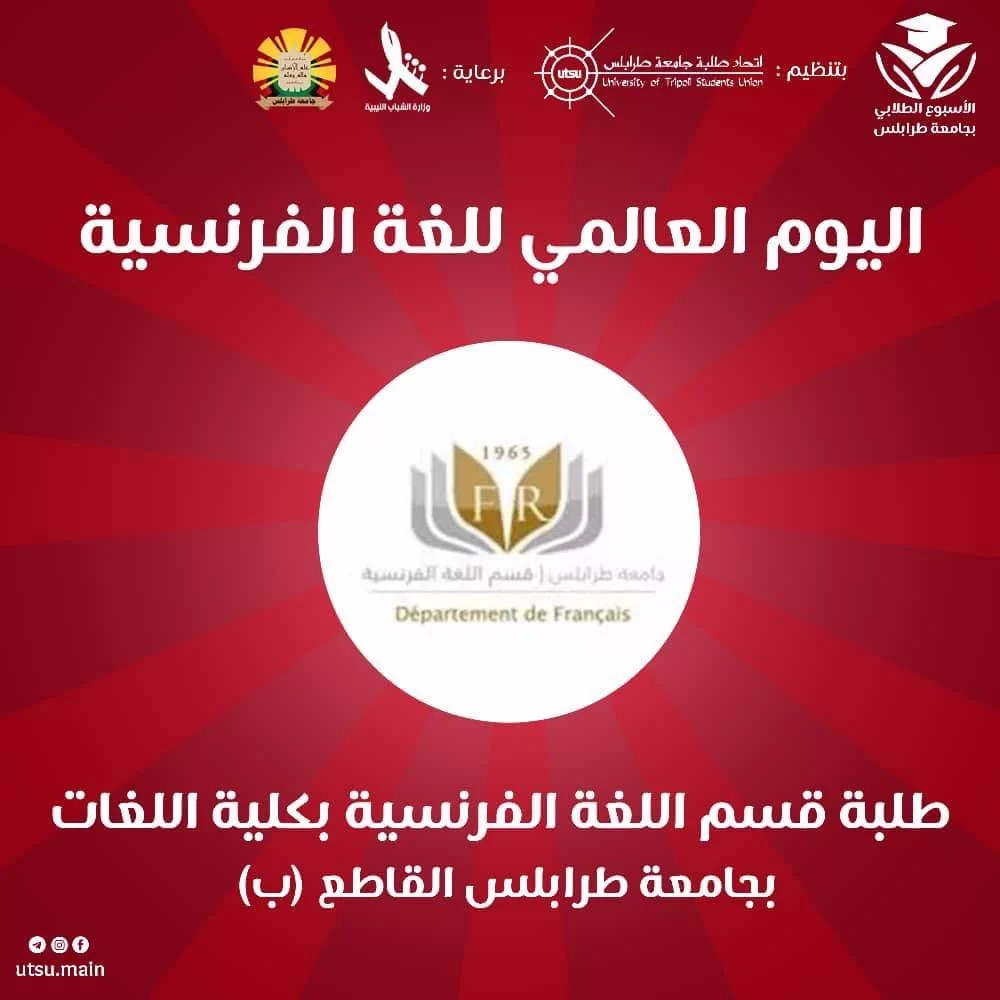
اللغة الفرنسية.

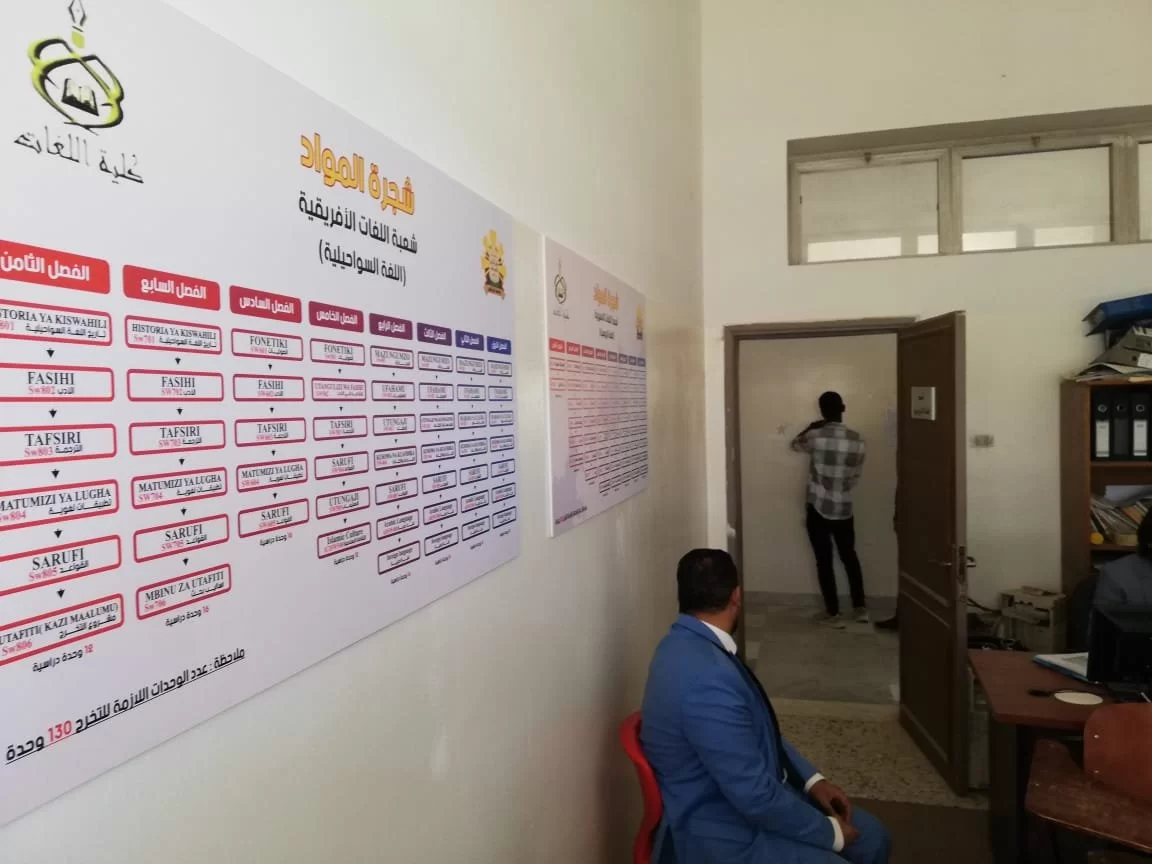
اللغات الأفريقية.

اللغة الإسبانية.

اللغة الايطالية.

قسم الترجمة

حقائق حول كلية اللغات

نفتخر بما نقدمه للمجتمع والعالم

82

المنشورات العلمية

161

هيئة التدريس

5048

الطلبة

48

الخريجون

المزيد من الأخبار

البرامج الدراسية

ليسانس لغة فرنسية
تخصص اللغة الفرنسية

يهدف البرنامج الي تأهيل مختصين في اللغة الفرنسية وذلك عن طريق مسيرة دراسية تمتد علي...

التفاصيل

ماجستير لغة فرنسية
تخصص اللغة الفرنسية

...

التفاصيل
ليسانس لغة سواحيلية
تخصص اللغة السواحيلية

ليسانس لغة سواحيلية...

التفاصيل

من يعمل بـكلية اللغات

يوجد بـكلية اللغات أكثر من 161 عضو هيئة تدريس

staff photo

أ. أميمة أحمد عثمان المهدوي

أميمة أحمد المهدوي هي احدى أعضاء هيئة التدريس بقسم اللغة الانجليزية بكلية اللغات. تعمل السيدة أميمة أحمد المهدوي بجامعة طرابلس كـمحاضر مساعد منذ 2012 ولها العديد من المشاركات في مؤتمرات علمية في عدة جامعات ليبية.

منشورات مختارة

بعض المنشورات التي تم نشرها في كلية اللغات

SEMANTIC/SYNTACTIC DISHARMONY & IMPLICATIONS ON QUALITY OF TRANSLATING MEDICAL TEXTS

This paper aims at identifying aspects of disharmony between semantic and syntactic features that result in meaningless medical translated sentences. A special focus is given to Chomsky’s Transformational Generative Theory (T.G. Grammar) that extrapolates the correlation between deep structure (which determines the semantic features of a sentence) and the surface structure (which determines the syntactic structure of a sentence), putting in consideration the importance of achieving harmony between meaning and structure to produce meaningful and accurate translation of the source text (ST) resulting in an acceptable final product (target Text). The investigation of this study also relies on the concept of ‘Selectional Restrictions’ which suggests that certain sets of verbs stand with agreement with certain sets of subjects/objects that subsequently lead to the production of semantically acceptable sentences. Accordingly, it is imperative to touch upon aspects related to the Componential Analysis Theory where the meaning of a word is expressed with the assistance of (+) and (-) markers. I consider this study to be unique and innovative as it applies such prominent semantic theories, for the first time, with the craft of translation, offering real concrete examples extracted from practical translation tasks performed by students of Translation Dept., Faculty of Languages- University of Tripoli. Worth mentioning, that a piece of a translation is proved to be correct when semantic/syntactic harmony is achieved and where the message of the source text (ST) is being effectively communicated in the target text (TT). On the contrary, any disharmony between deep/surface structures found would seriously undermine the quality and correctness of a translation product. Key Words: Source Text (ST) - Target Text (TT) – Deep Structure – Surface structure - Selectional restrictions arabic 11 English 73
ثريا البشير محمد الويفاتي(12-2020)
Publisher's website

ANALISI LOGICA DEL PERIODO NELLA LINGUA ITALIANA

كتبت هذا البحث بهدف تسهيل تعليم وتعلم مادة علم الصرف الايطالي (احد اقسام اللغويات الذي يدرس التركيب الداخلي للكلمات والعلاقات بين العناصر الفردية للجملة) وعلم النحو الايطالي (فرع من القواعد الذي يدرس الطرق المختلفة التي يتم من خلالها ضم الرموز اللغوية معًا لتشكيل الجملة) وأيضًا لتحديد المنهجية التي يتم من خلالها إجراء التحليل المنطقي بطريقة بسيطة وصحيحة. يدرس هذه المادة طلاب قسم اللغة الإيطالية خلال الفصل الأخير من الدراسة في جامعة طرابلس وتعتبر من اهم المواد. بدأت بكتابة ملخص بسيط وواضح المعاني لكل ما يدرسه الطالب في هذه المادة , وفي الختام قمت بتوضيح كيفية اجراء التحليل المنطقي , وضعت بعض الجمل كأمثلة وقمت بتحليلها معتبرا هذه الجمل كمرجعية للطالب في هذه الموضوع. وهذا البحث تمت مراجعته من قبل الدكتورة مادالينا بيبي.
NASSER BASTI(3-2022)
Publisher's website

Problems Encountered in Teaching English as a Foreign Language to Large Classes in Libyan Primary Schools

Abtracts: Large English classes can cause many problems for the teacher and the young learners. It may seem impossible in such classes to organize dynamic and creative teaching and learning sessions. For example, it is impossible for the teacher in such classes to ensure individual participation of the young learners in the process of language practice and language use. Large classes can never be suitable for dealing with the new demands of language teaching. In other words, large classes cannot facilitate accomplishing teaching and learning based on the principles underlying communicative approach adopted in the primary 5 and 6 textbook, which is intended to build up the learner's confidence in going from organizing information to using the different language skills. The study examines the negative effects of the large number of young learners in the classroom. It intends to shed light on problems encountered in teaching English as a foreign language for communication to such classes. Research procedure and techniques to be used to collect data required for this study will be fulfilled by the use of teacher's questionnaire, as well as data drawn from informal interviews with English teachers in some primary schools in Tripoli. The actual teaching environment in primary schools is unsuitable for teaching English as a foreign language to young learners and at the same time, it prevents pupils from learning English properly. This is because most of the classes which have been visited and observed were crowded with large number of pupils. It has been noticed that this situation was problematic and uncomfortable for both the teachers and the pupils. Teaching English as a foreign language for communication to young learners requires small number of pupils in each class for the process to be successful. Young learners need special teachers' care and attention. They need enough time for each learner to practise the language and perform the various activities. Therefore, it has been recommended that large classes must be reduced to normal-size classes.
أسماء محمد أبوصاع (2010)
Publisher's website

المجلات العلمية

بعض المجلات العلمية التي تصدر عن كلية اللغات

وثائق تهمك